Second printing of Harper Lee’s landmark novel.
Publisher and Year: Philadelphia and New York: J. B. Lippincott Company, 1960
Edition: Second impression of the first edition, in a second printing dust jacket retaining the price of $3.95.
Condition and Description: Octavo, 8.25” x 5”, brown paper-covered boards with green cloth spine stamped in brown, 296 pp. A bright, clean, and unmarked copy with firm hinges and binding. Fore-edge of text block unevenly toned. Dust jacket rubbed and with wear to the edges; a couple of short closed tears; light soiling; faint vertical crease along the rear flap; a touch of fading to the fore-edge of the front panel; and a partially erased pencil notation to the upper-right corner of the rear panel (“VE9”). A sharp example of the book in a dust jacket that is much better preserved than usual. Housed in archival mylar.
“You never really understand a person until you consider things from his point of view—until you climb into his skin and walk around in it.”
Set in Depression-era Alabama, To Kill a Mockingbird confronts racial injustice and moral courage through the eyes of Scout Finch, whose father Atticus stands as literature’s enduring model of integrity. Lee drew heavily on her own childhood in Monroeville, Alabama, where her friendship with Truman Capote provided the model for the character Dill. The novel was awarded the Pulitzer Prize in 1961 and became a lasting bestseller, with more than forty million copies sold worldwide. Its plainspoken yet lyrical style made it an instant classic not only with the general public, but with critics as well, with the novel appearing on the Modern Library’s list of the 100 best novels, Time Magazine’s All-Time 100 Novels, and The Guardian’s survey of the 100 best novels written in English. Immortalized in cinema by the 1962 adaptation starring Gregory Peck, To Kill a Mockingbird endures as both a beloved family story and a cultural emblem in the national conversation on fairness and compassion.
Inventory ID: 782 - 217 - 897
Second printing of Harper Lee’s landmark novel.
Publisher and Year: Philadelphia and New York: J. B. Lippincott Company, 1960
Edition: Second impression of the first edition, in a second printing dust jacket retaining the price of $3.95.
Condition and Description: Octavo, 8.25” x 5”, brown paper-covered boards with green cloth spine stamped in brown, 296 pp. A bright, clean, and unmarked copy with firm hinges and binding. Fore-edge of text block unevenly toned. Dust jacket rubbed and with wear to the edges; a couple of short closed tears; light soiling; faint vertical crease along the rear flap; a touch of fading to the fore-edge of the front panel; and a partially erased pencil notation to the upper-right corner of the rear panel (“VE9”). A sharp example of the book in a dust jacket that is much better preserved than usual. Housed in archival mylar.
“You never really understand a person until you consider things from his point of view—until you climb into his skin and walk around in it.”
Set in Depression-era Alabama, To Kill a Mockingbird confronts racial injustice and moral courage through the eyes of Scout Finch, whose father Atticus stands as literature’s enduring model of integrity. Lee drew heavily on her own childhood in Monroeville, Alabama, where her friendship with Truman Capote provided the model for the character Dill. The novel was awarded the Pulitzer Prize in 1961 and became a lasting bestseller, with more than forty million copies sold worldwide. Its plainspoken yet lyrical style made it an instant classic not only with the general public, but with critics as well, with the novel appearing on the Modern Library’s list of the 100 best novels, Time Magazine’s All-Time 100 Novels, and The Guardian’s survey of the 100 best novels written in English. Immortalized in cinema by the 1962 adaptation starring Gregory Peck, To Kill a Mockingbird endures as both a beloved family story and a cultural emblem in the national conversation on fairness and compassion.
Inventory ID: 782 - 217 - 897

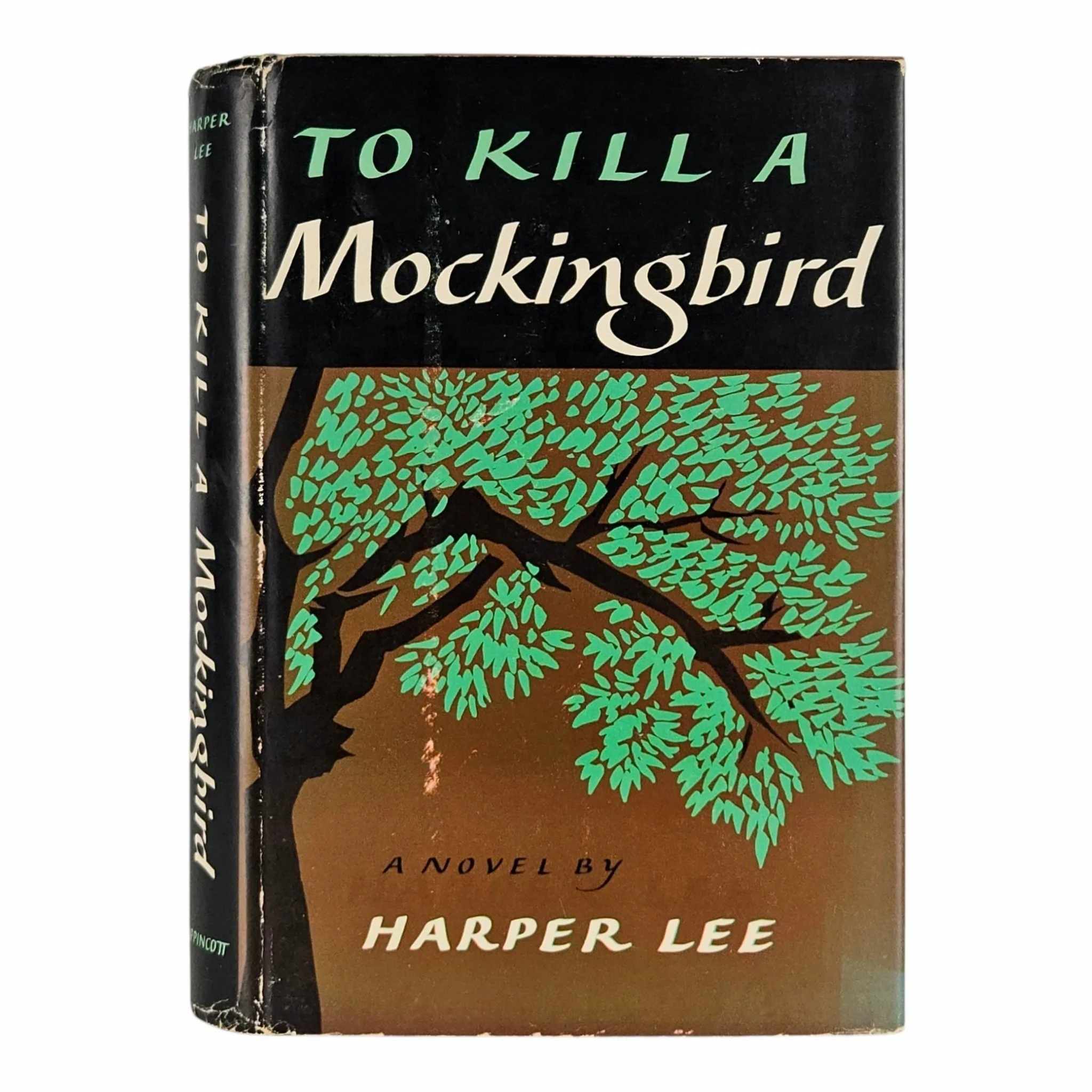 Image 1 of 21
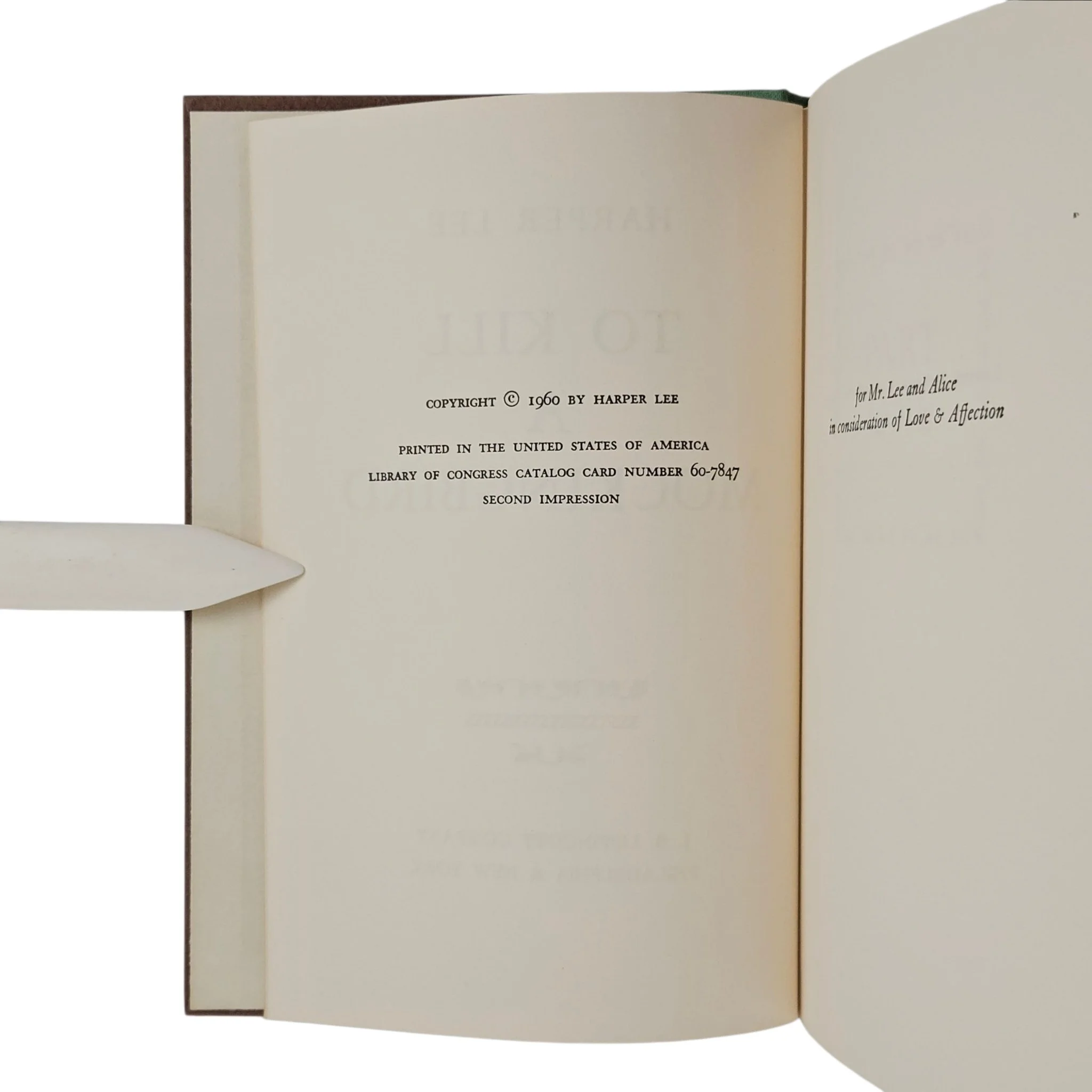 Image 2 of 21
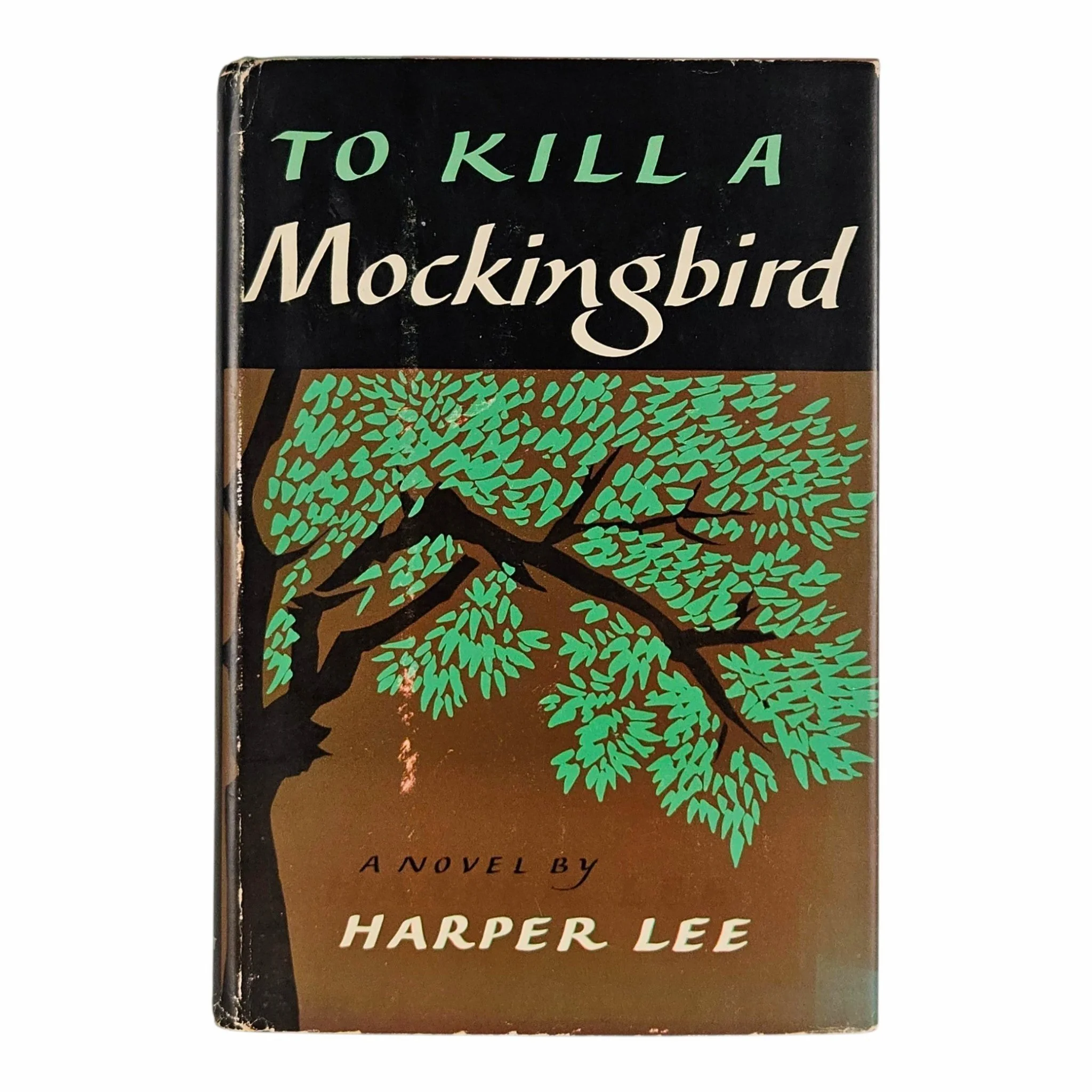 Image 3 of 21
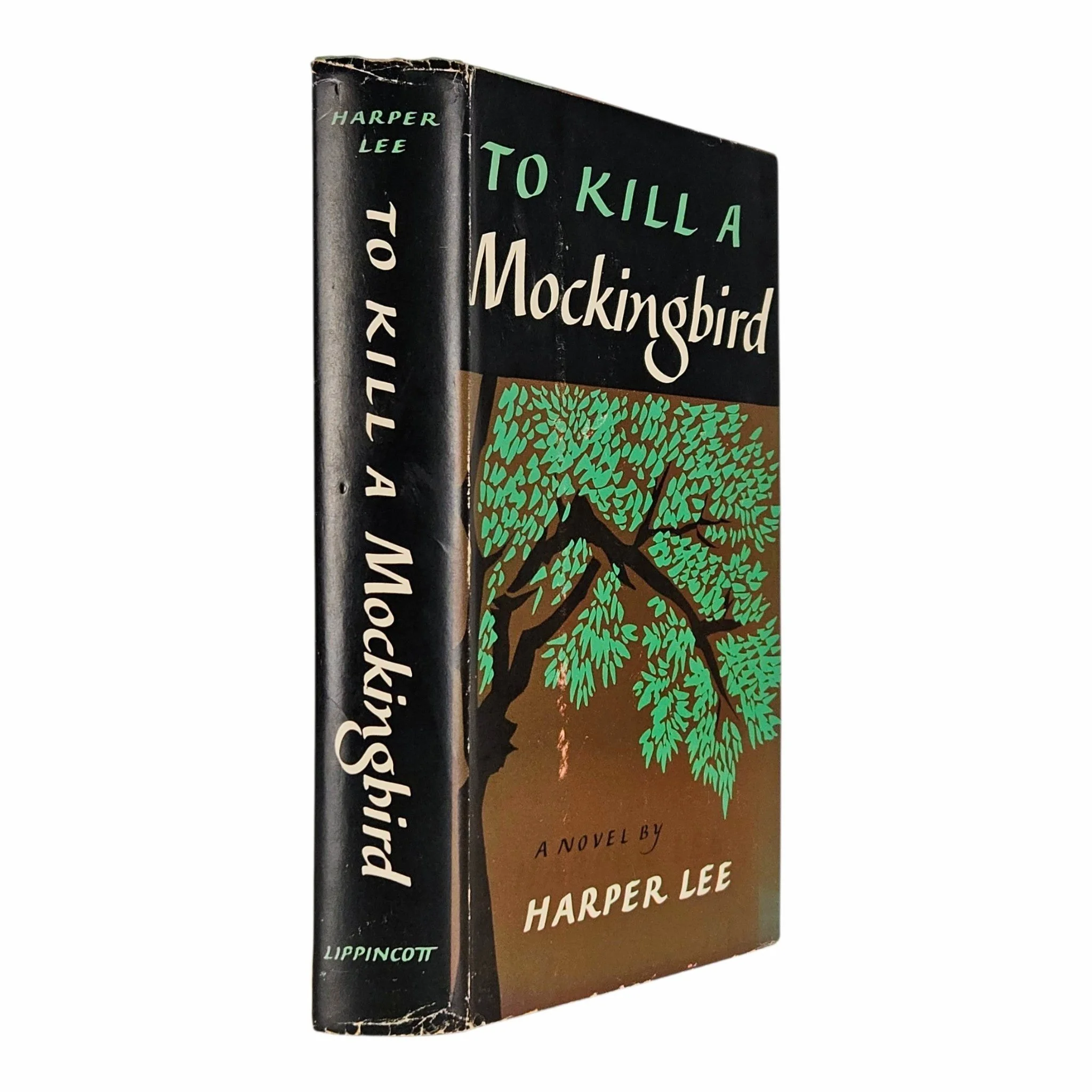 Image 4 of 21
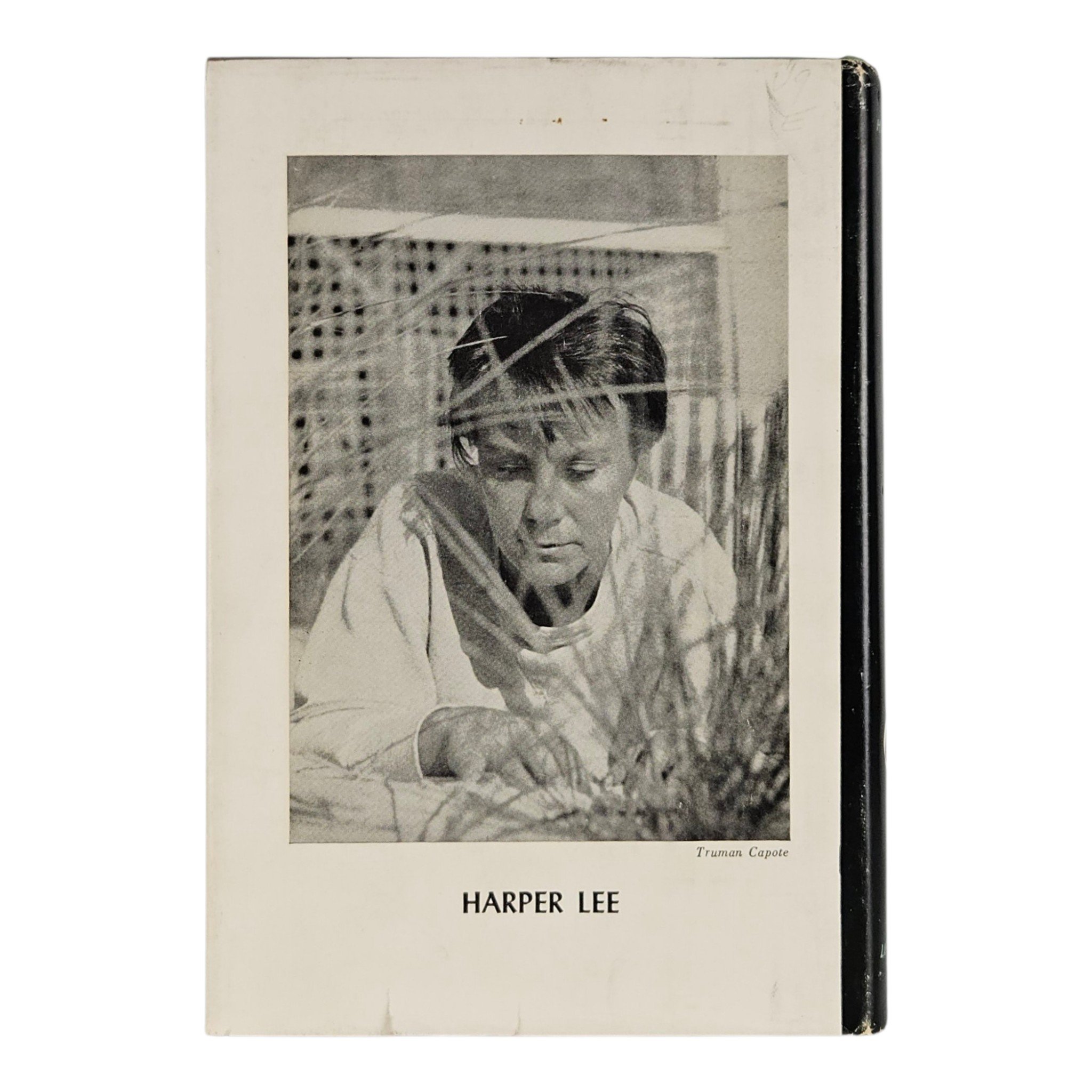 Image 5 of 21
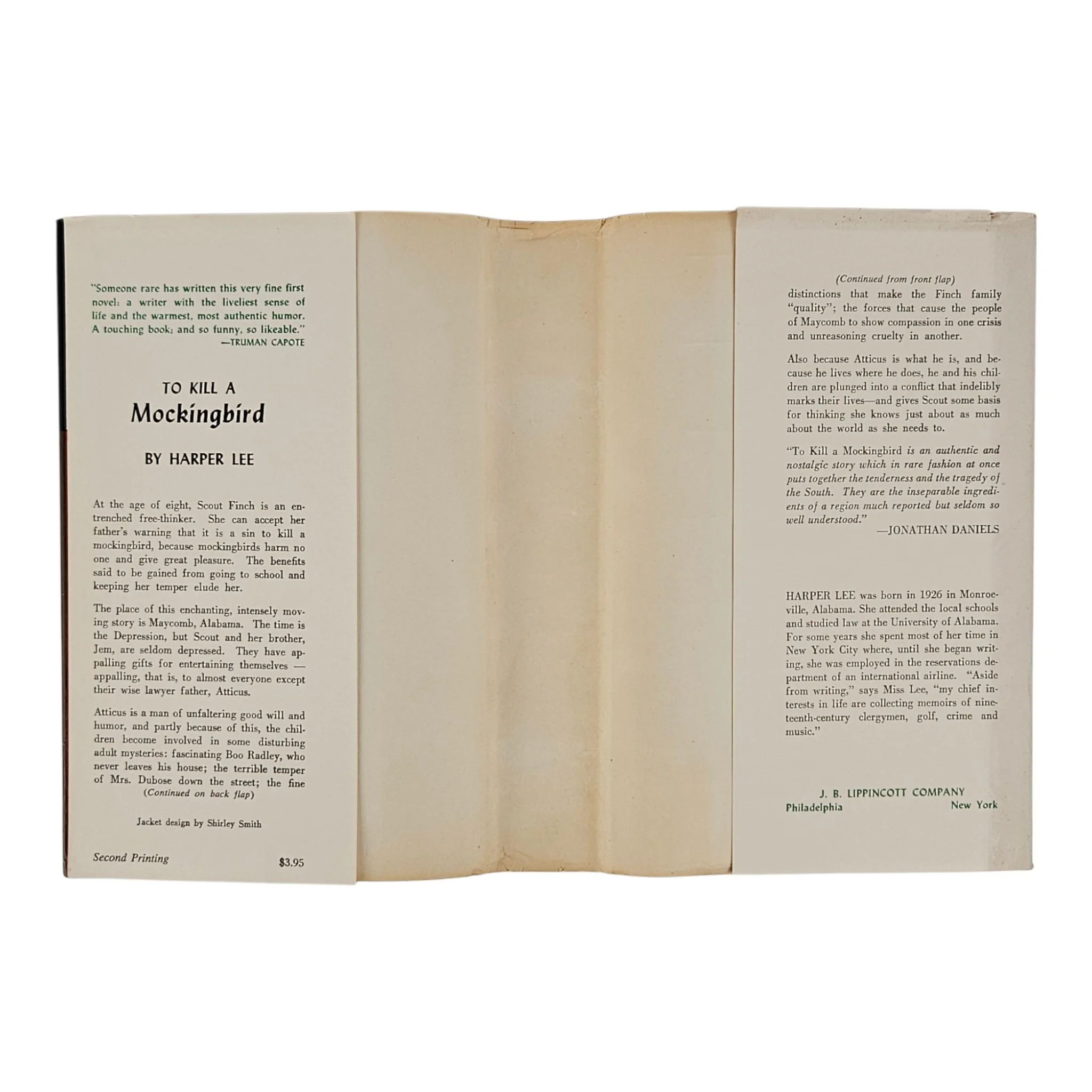 Image 6 of 21
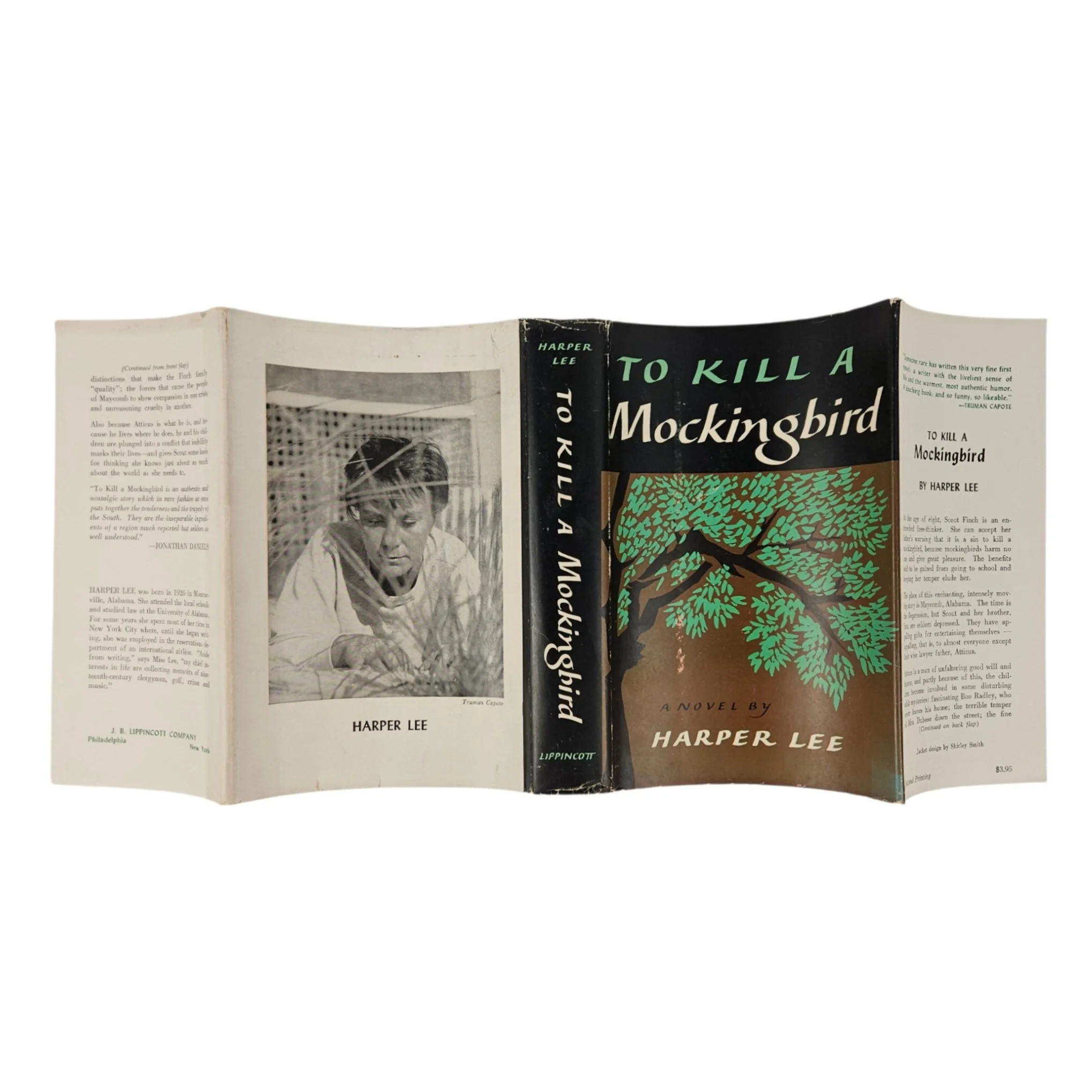 Image 7 of 21
 Image 8 of 21
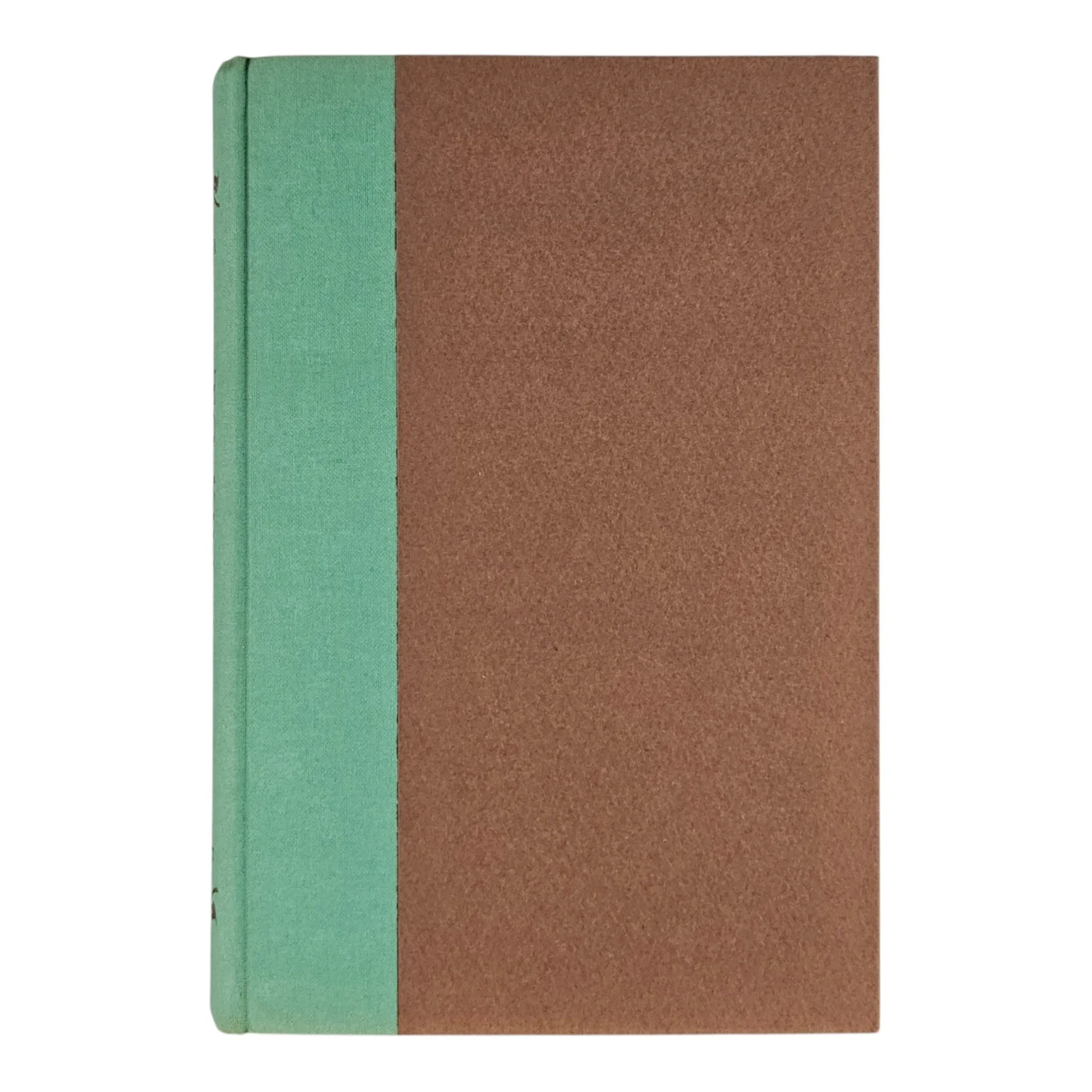 Image 9 of 21
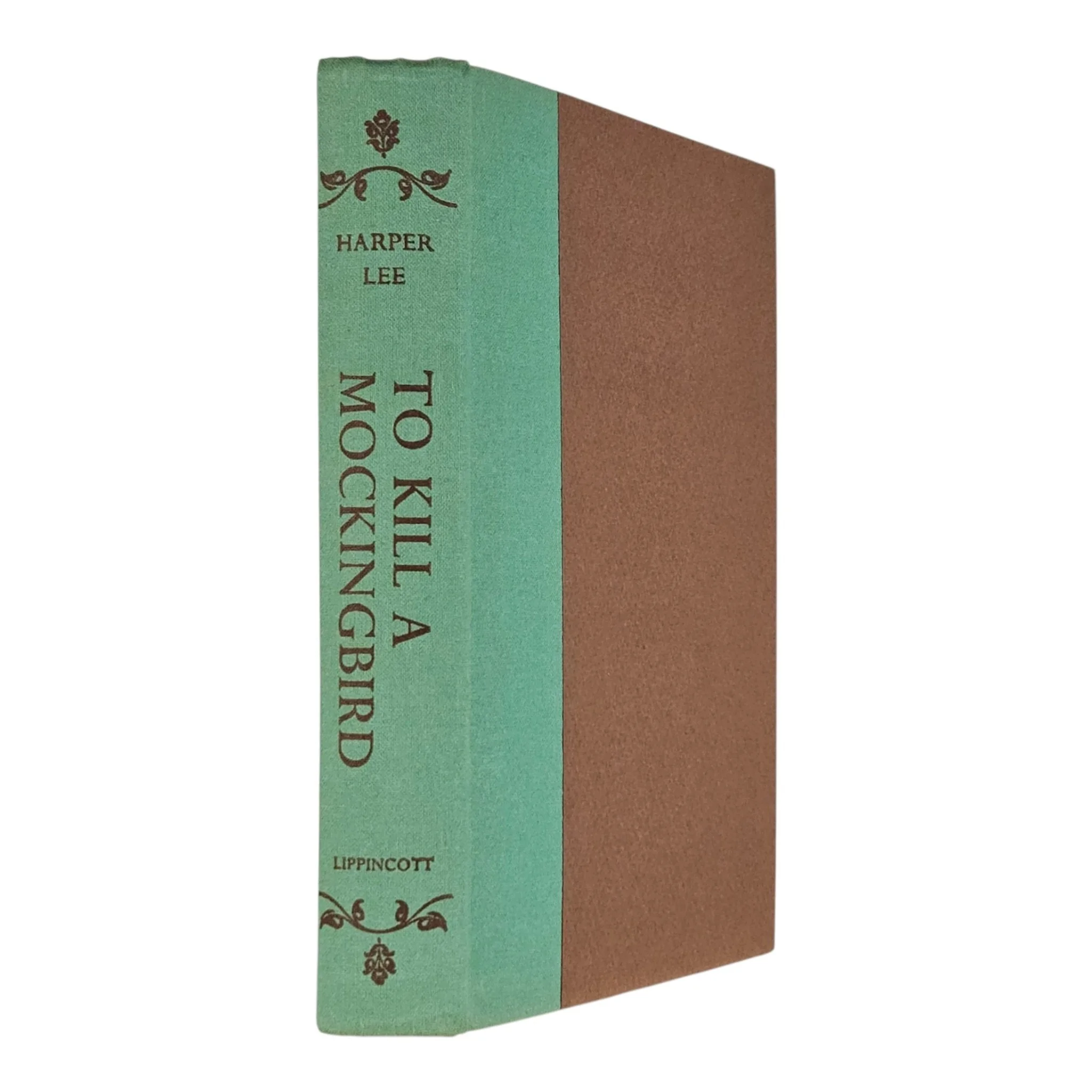 Image 10 of 21
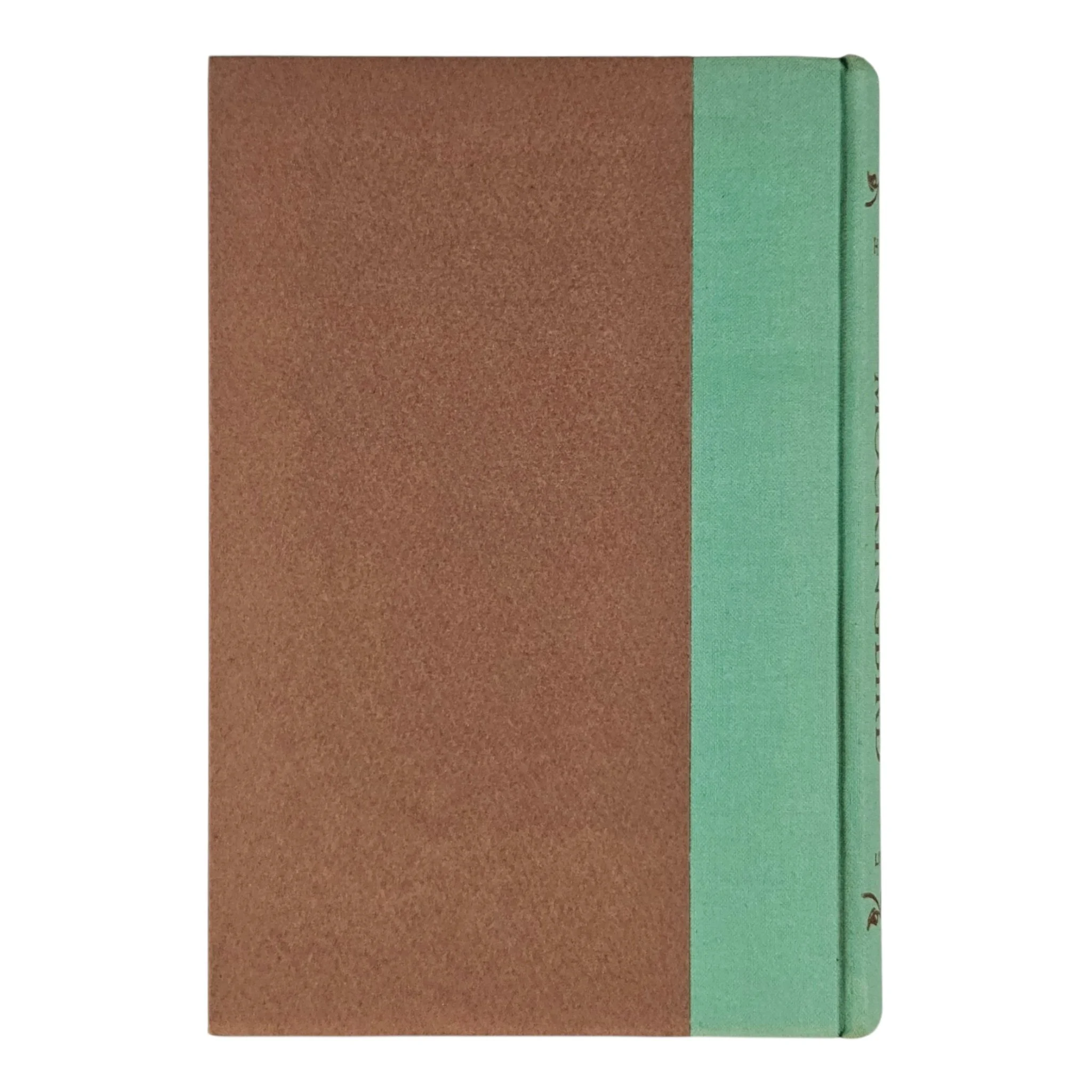 Image 11 of 21
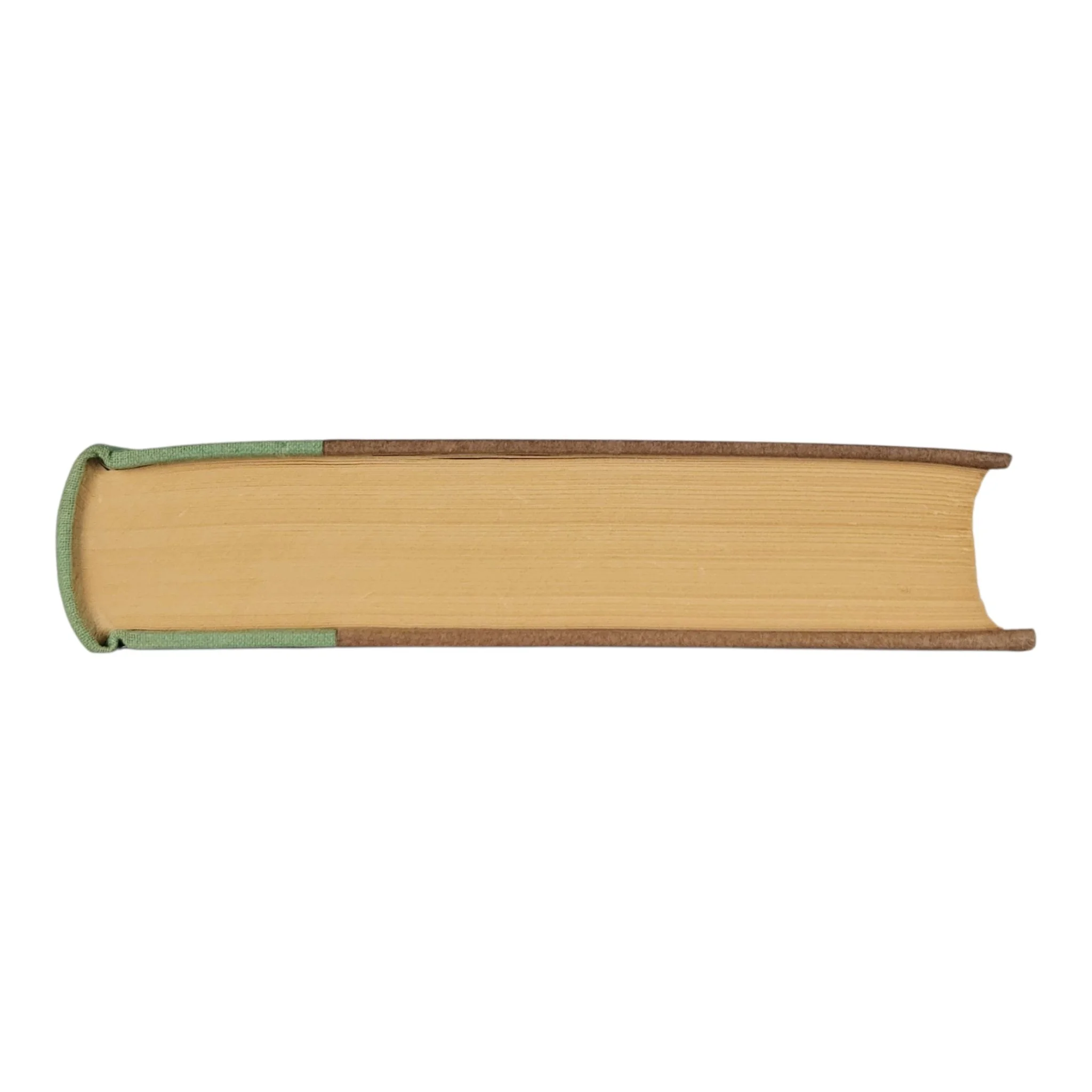 Image 12 of 21
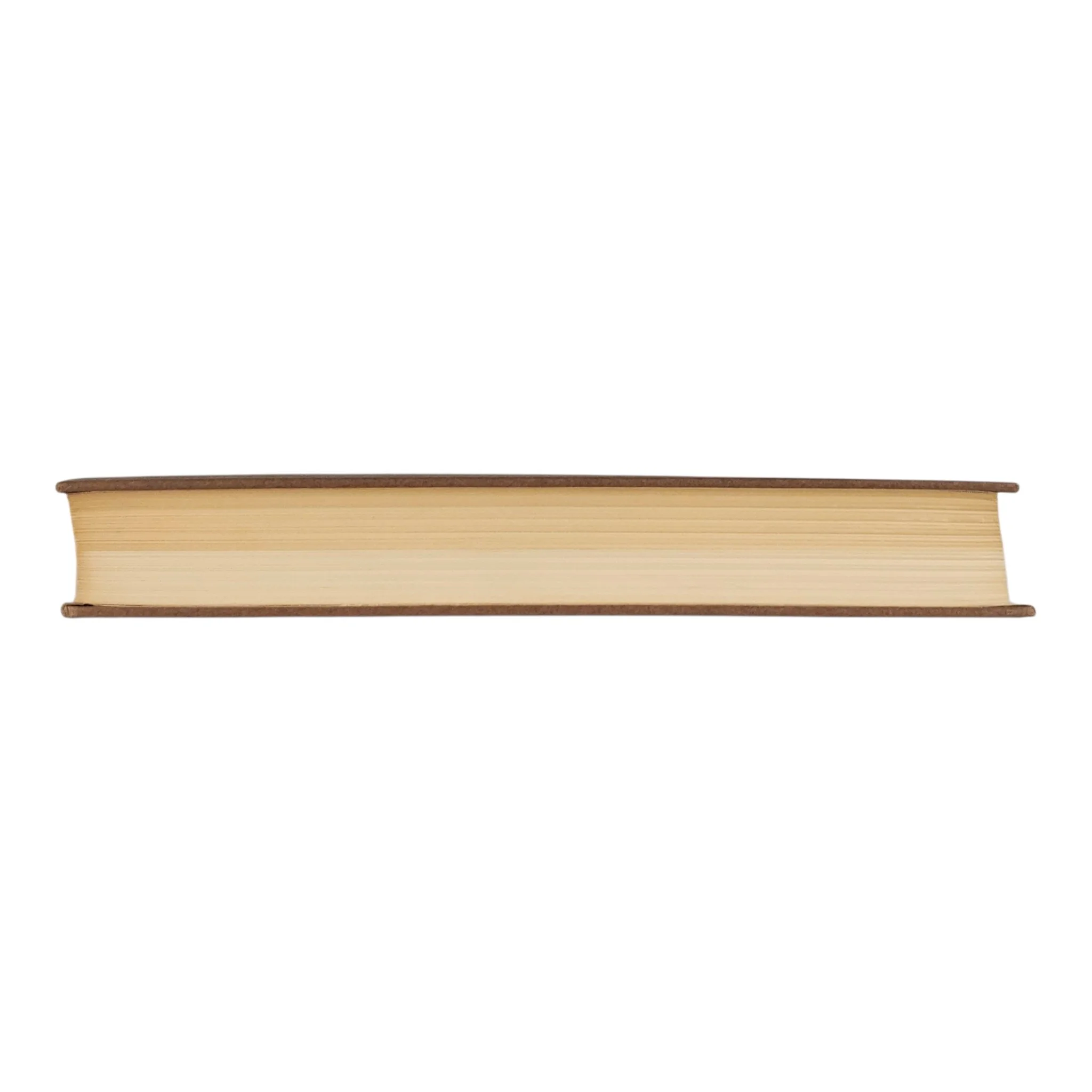 Image 13 of 21
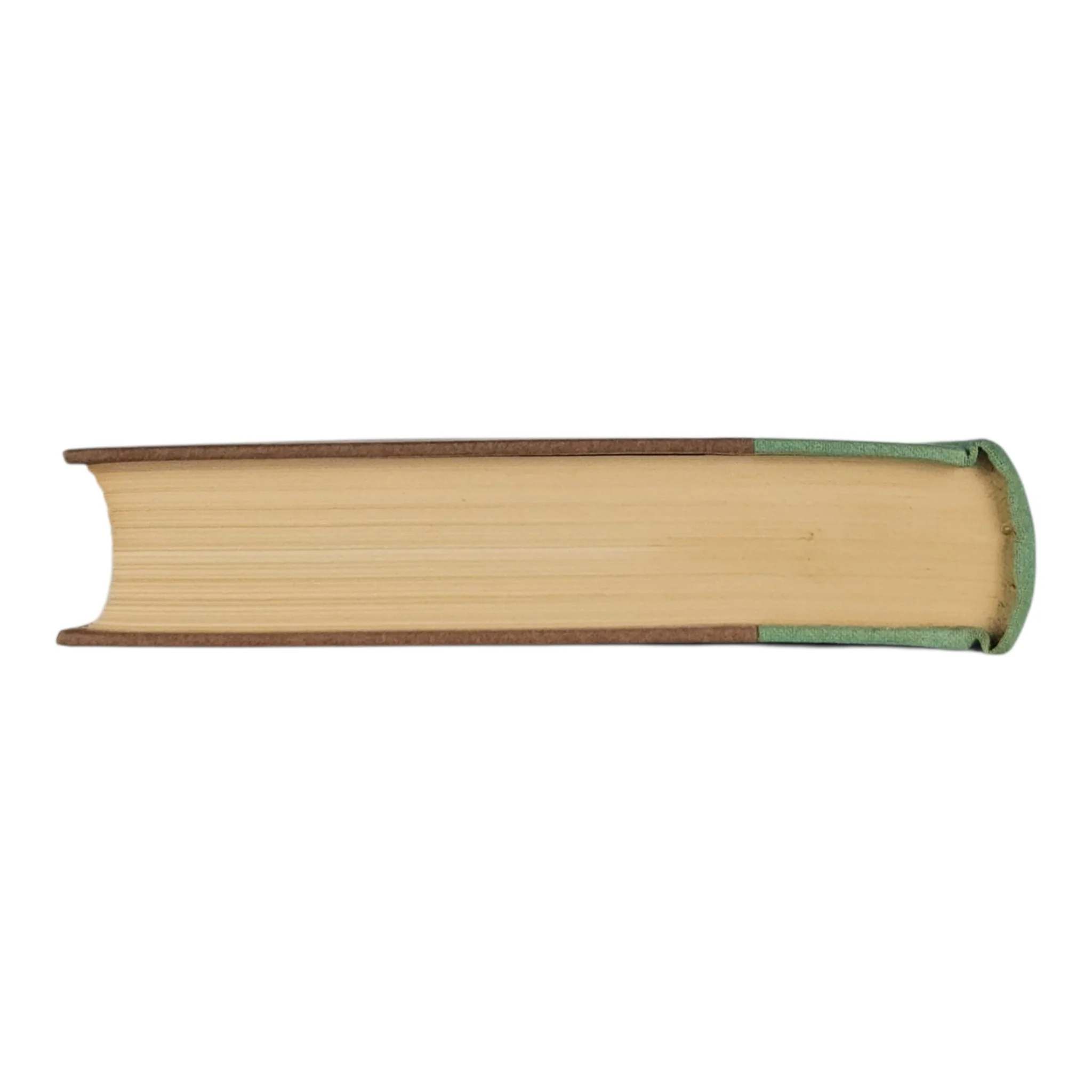 Image 14 of 21
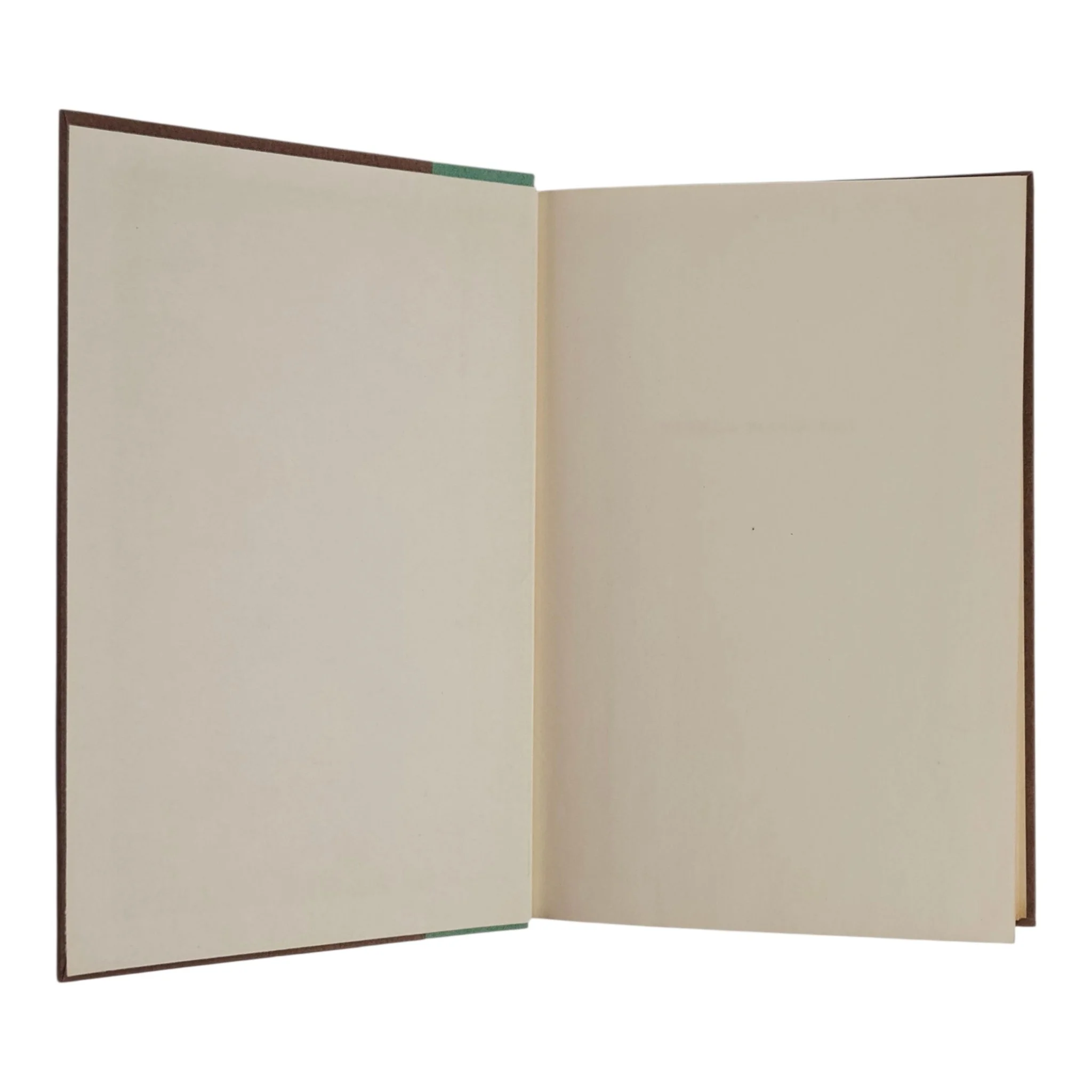 Image 15 of 21
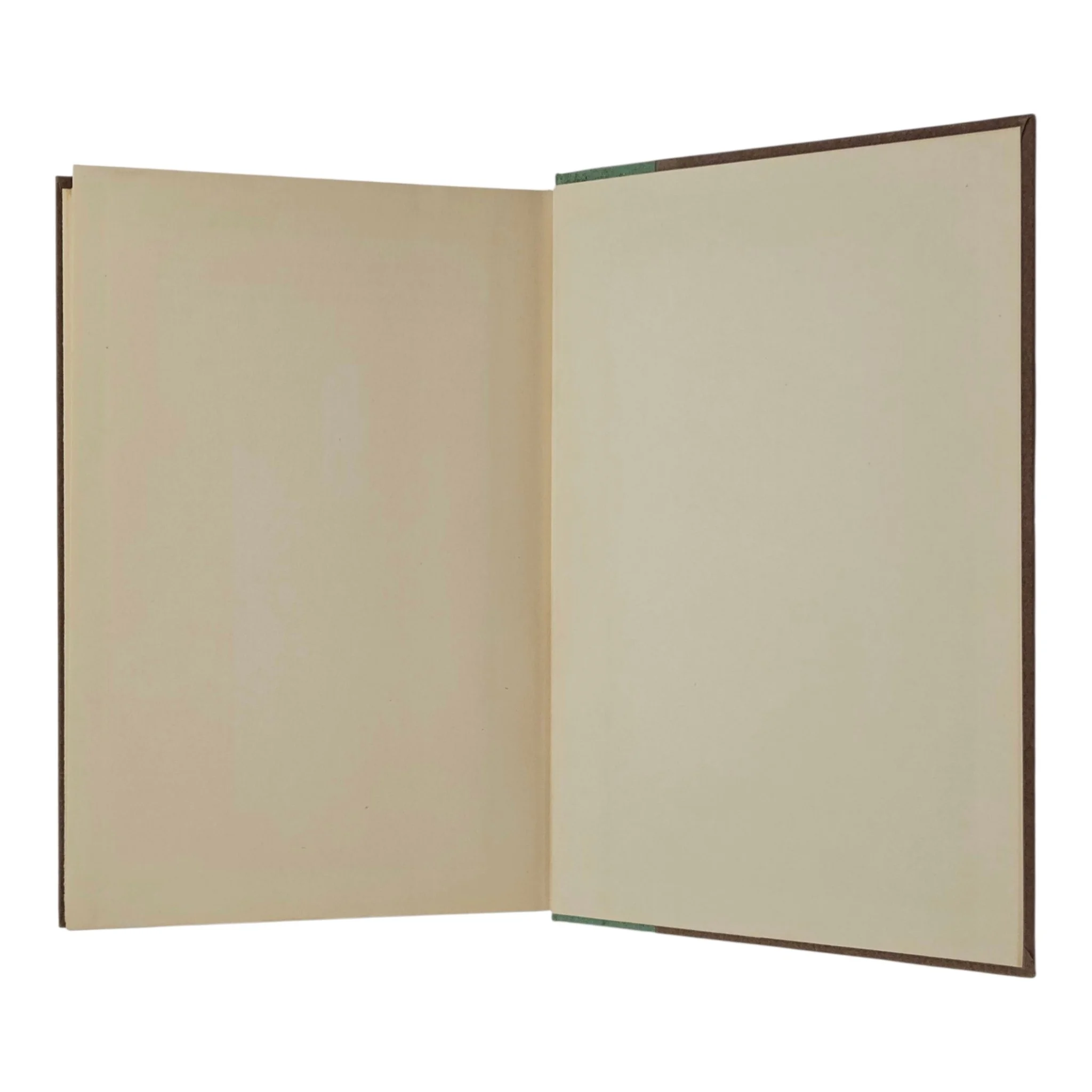 Image 16 of 21
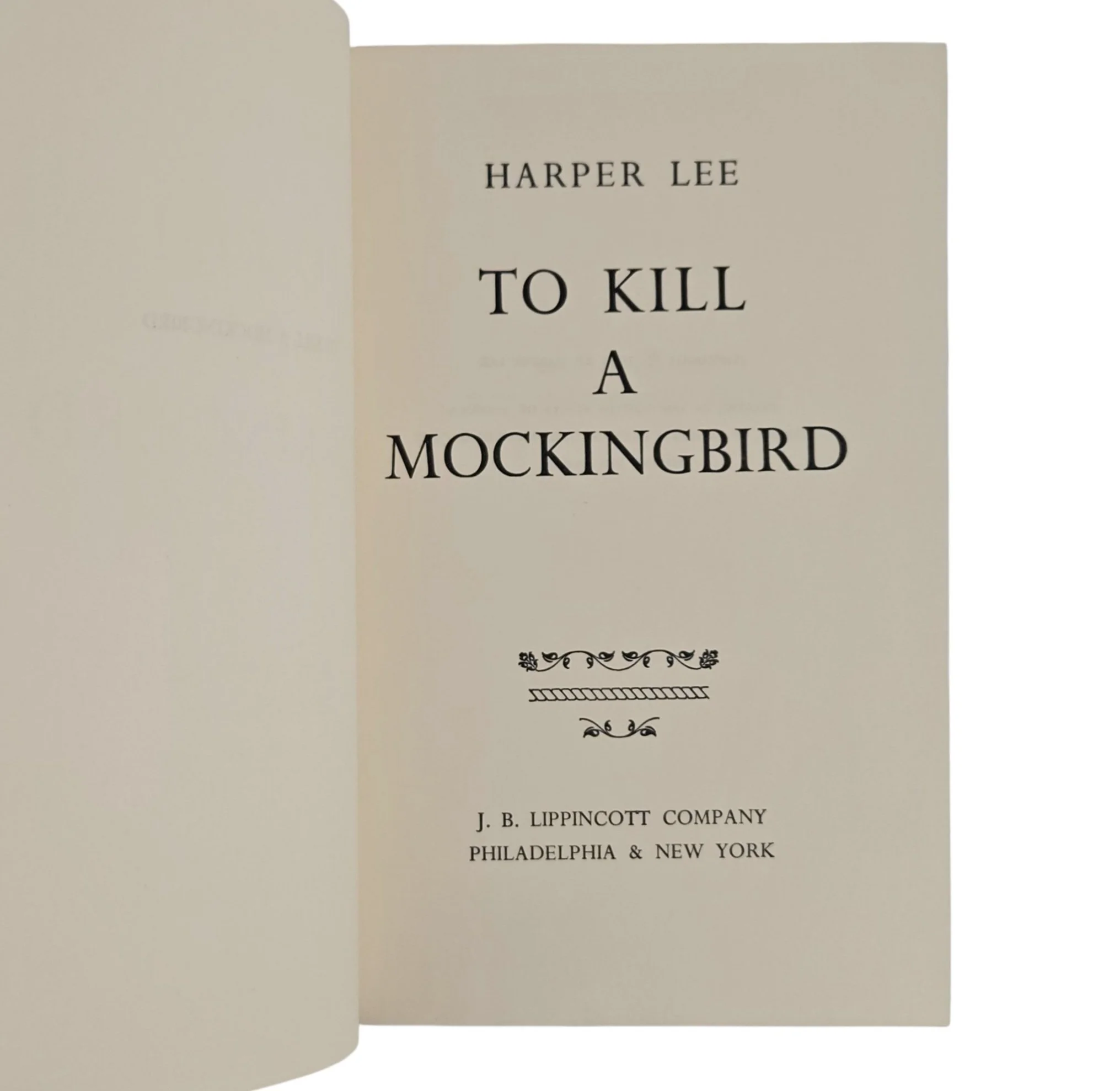 Image 17 of 21
 Image 18 of 21
 Image 19 of 21
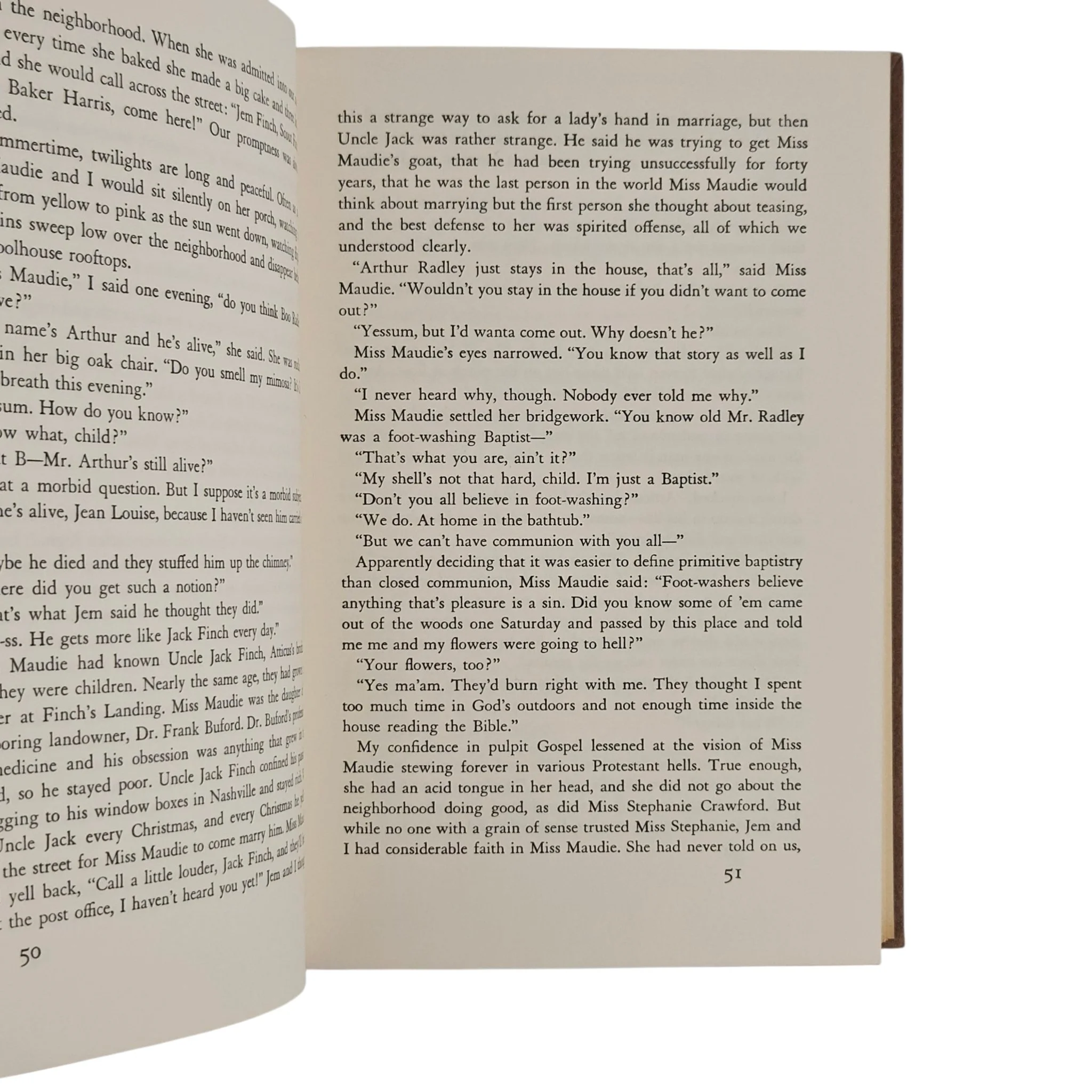 Image 20 of 21
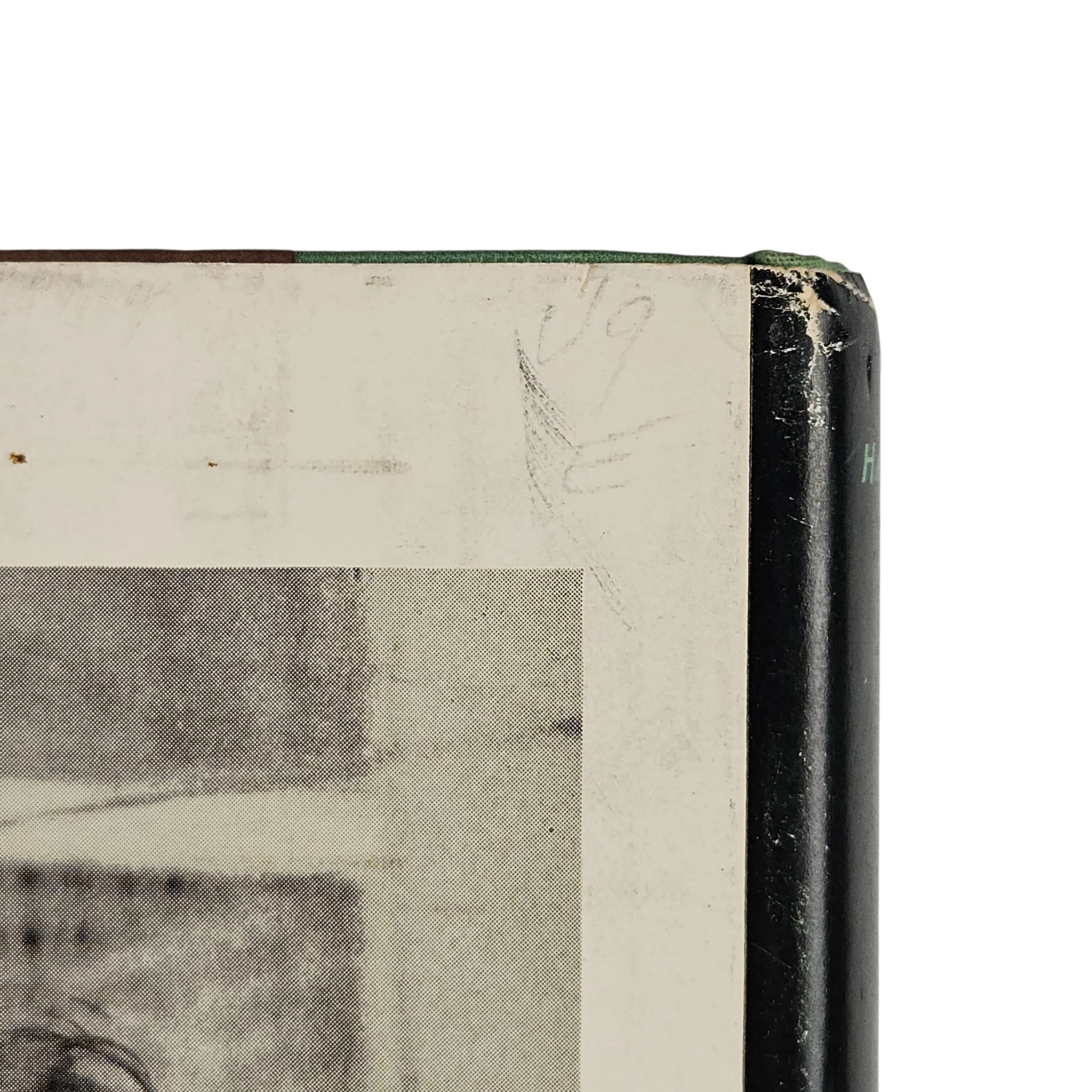 Image 21 of 21