First British edition of the novel that launched the time machine genre, in the first state of the cloth binding and containing an unrecorded 1895 catalog variant.
Publisher and Year: London: William Heinemann, MDCCCXCV (1895)
Edition: First British edition, first printing, with a variant catalog advertising titles from 1895 and earlier. Heinemann printed 10,000 sets of sheets in May 1895 for issue in wrappers or cloth. Although all copies derive from this single printing, the sheets were bound in batches over time. During these binding sessions, cloth copies were sometimes issued with catalogs at the rear. The earliest cloth copies are believed to have a 16-page catalog headedThe Manxman and reference only pre-1895 titles. All other bibliographically recorded catalogs are 32 pages, not headed The Manxman, and mention books from 1898–1900, meaning that they were bound several years after 1895. Copies without catalogs cannot be dated as precisely. This unrecorded variant copy is from one of the earliest binding sessions. Although the catalog is 32 pages, it retains the first-issue heading (The Manxman) and does not reference any titles published after 1895. It is also bound in the earliest issue of the cloth binding (Currey's B1, purple stamping, 18.2 cm). (Currey, p. 525)
Condition and Description: Small octavo (18.2 cm height), publisher's original tan buckram cloth, stamped and lettered in purple, 151 pp., inserted ad catalog as described above. Minimal wear to the boards. Spine a touch darkened. Tight hinges and binding (though the gutter at p. 1 is just barely starting, as shown). Bookplate to the front pastedown. Barely perceptible remains of a small pencil note to the front flyleaf; else clear. An uncommonly fresh copy of Wells's landmark novel.
“Scientific people know very well that Time is only a kind of Space.”
H.G. Wells's debut novel is a foundational text of the science fiction genre. Although prior works had used time travel as a plot device, these were of magical or unexplained causes. Here, Wells presents the first novel with a scientific device that permits the pilot to navigate the fourth dimension at will. The protagonist begins the novel with the Victorian optimism in the inevitability of human progress but, across millions of years, witnesses the evolutionary unraveling and ultimate extinction of mankind and the planet.The Time Machineserves both as a riveting adventure story and a speculative vehicle for critiquing the long-term consequences of Victorian political ideals. Few novels have cast a longer shadow on science fiction, influencing everything from the speculative rigor of Asimov’sThe End of Eternityto the cinematic spectacle of Zemeckis’sBack to the Future.
Inventory ID: 674 - 547 - 105
First British edition of the novel that launched the time machine genre, in the first state of the cloth binding and containing an unrecorded 1895 catalog variant.
Publisher and Year: London: William Heinemann, MDCCCXCV (1895)
Edition: First British edition, first printing, with a variant catalog advertising titles from 1895 and earlier. Heinemann printed 10,000 sets of sheets in May 1895 for issue in wrappers or cloth. Although all copies derive from this single printing, the sheets were bound in batches over time. During these binding sessions, cloth copies were sometimes issued with catalogs at the rear. The earliest cloth copies are believed to have a 16-page catalog headedThe Manxman and reference only pre-1895 titles. All other bibliographically recorded catalogs are 32 pages, not headed The Manxman, and mention books from 1898–1900, meaning that they were bound several years after 1895. Copies without catalogs cannot be dated as precisely. This unrecorded variant copy is from one of the earliest binding sessions. Although the catalog is 32 pages, it retains the first-issue heading (The Manxman) and does not reference any titles published after 1895. It is also bound in the earliest issue of the cloth binding (Currey's B1, purple stamping, 18.2 cm). (Currey, p. 525)
Condition and Description: Small octavo (18.2 cm height), publisher's original tan buckram cloth, stamped and lettered in purple, 151 pp., inserted ad catalog as described above. Minimal wear to the boards. Spine a touch darkened. Tight hinges and binding (though the gutter at p. 1 is just barely starting, as shown). Bookplate to the front pastedown. Barely perceptible remains of a small pencil note to the front flyleaf; else clear. An uncommonly fresh copy of Wells's landmark novel.
“Scientific people know very well that Time is only a kind of Space.”
H.G. Wells's debut novel is a foundational text of the science fiction genre. Although prior works had used time travel as a plot device, these were of magical or unexplained causes. Here, Wells presents the first novel with a scientific device that permits the pilot to navigate the fourth dimension at will. The protagonist begins the novel with the Victorian optimism in the inevitability of human progress but, across millions of years, witnesses the evolutionary unraveling and ultimate extinction of mankind and the planet.The Time Machineserves both as a riveting adventure story and a speculative vehicle for critiquing the long-term consequences of Victorian political ideals. Few novels have cast a longer shadow on science fiction, influencing everything from the speculative rigor of Asimov’sThe End of Eternityto the cinematic spectacle of Zemeckis’sBack to the Future.
Inventory ID: 674 - 547 - 105

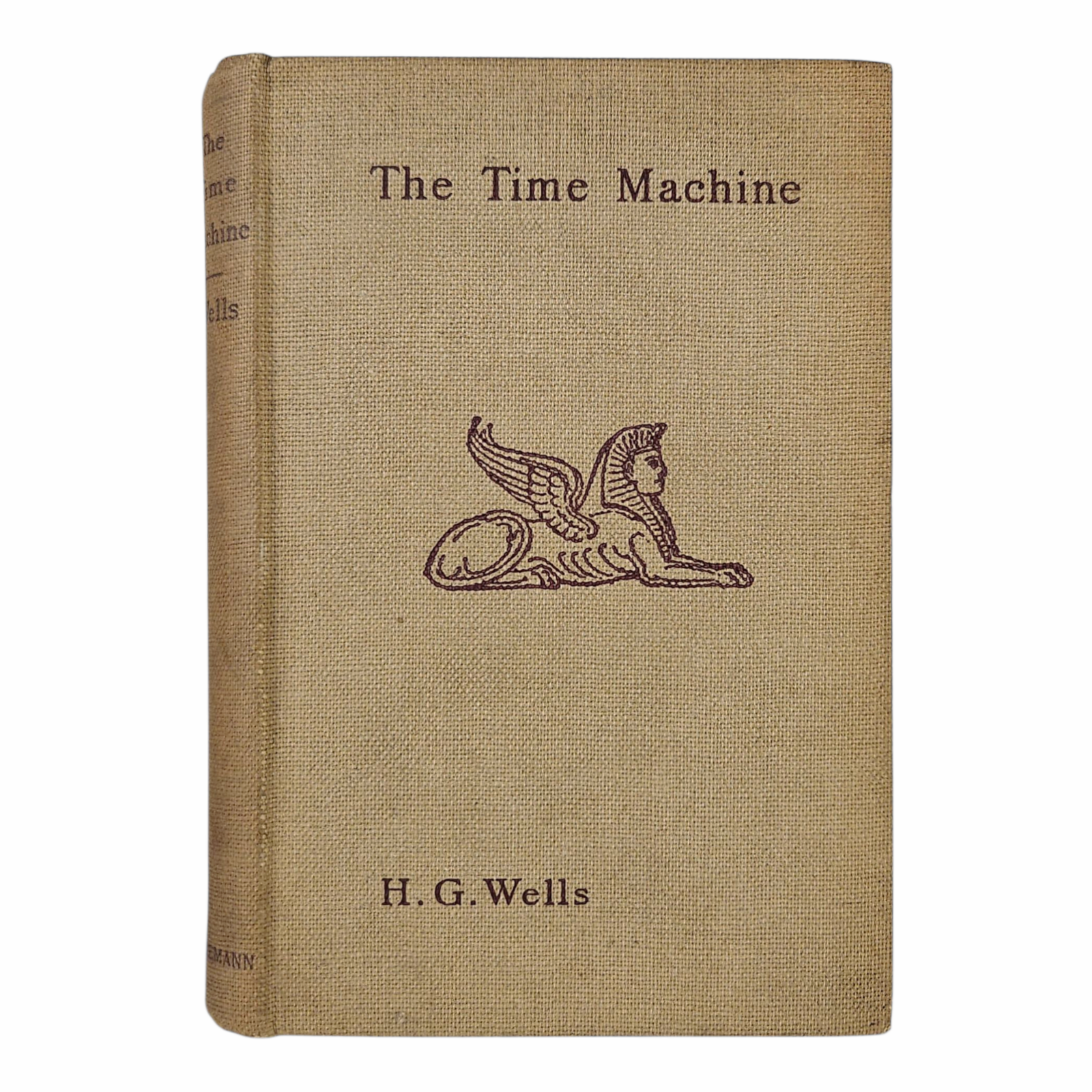 Image 1 of 14
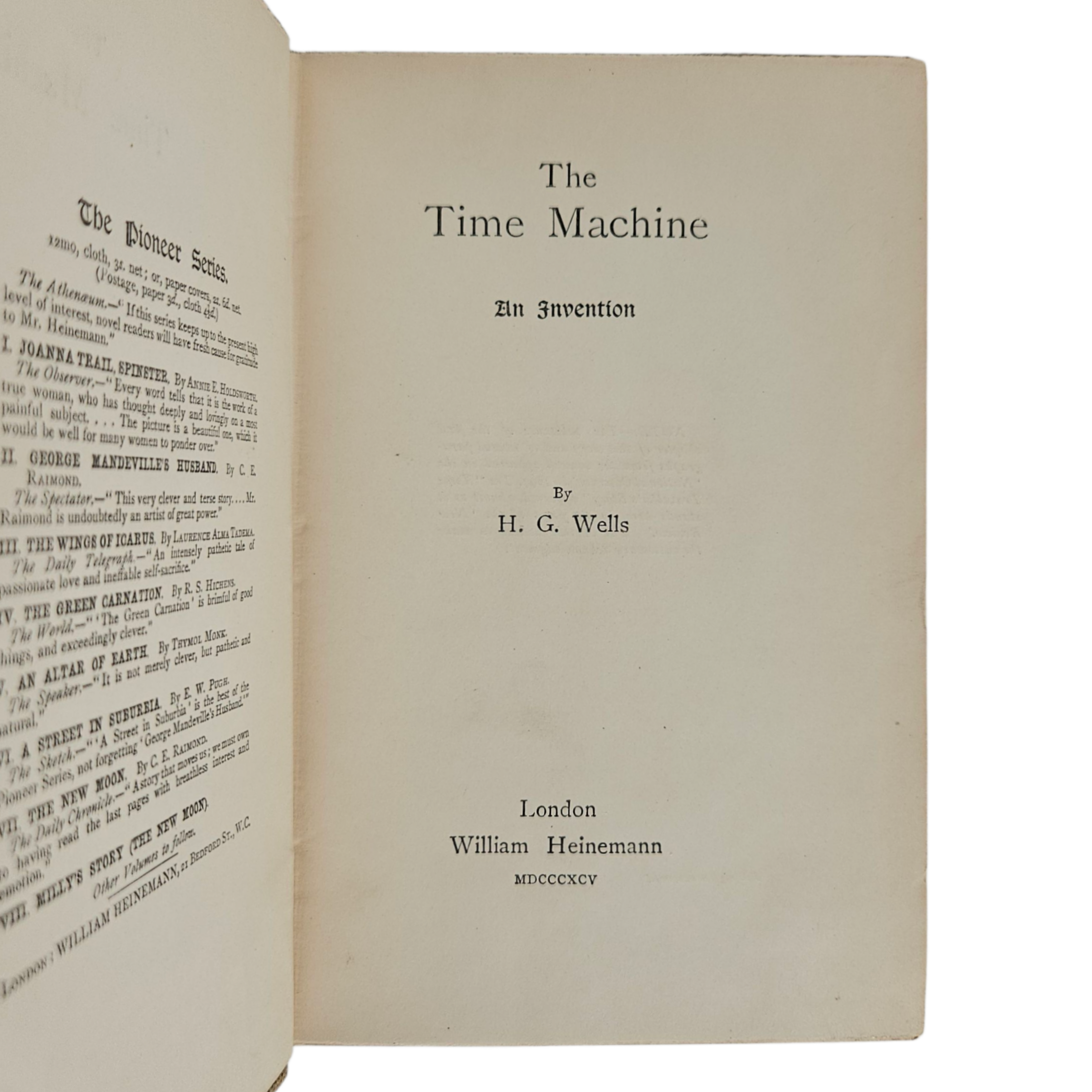 Image 2 of 14
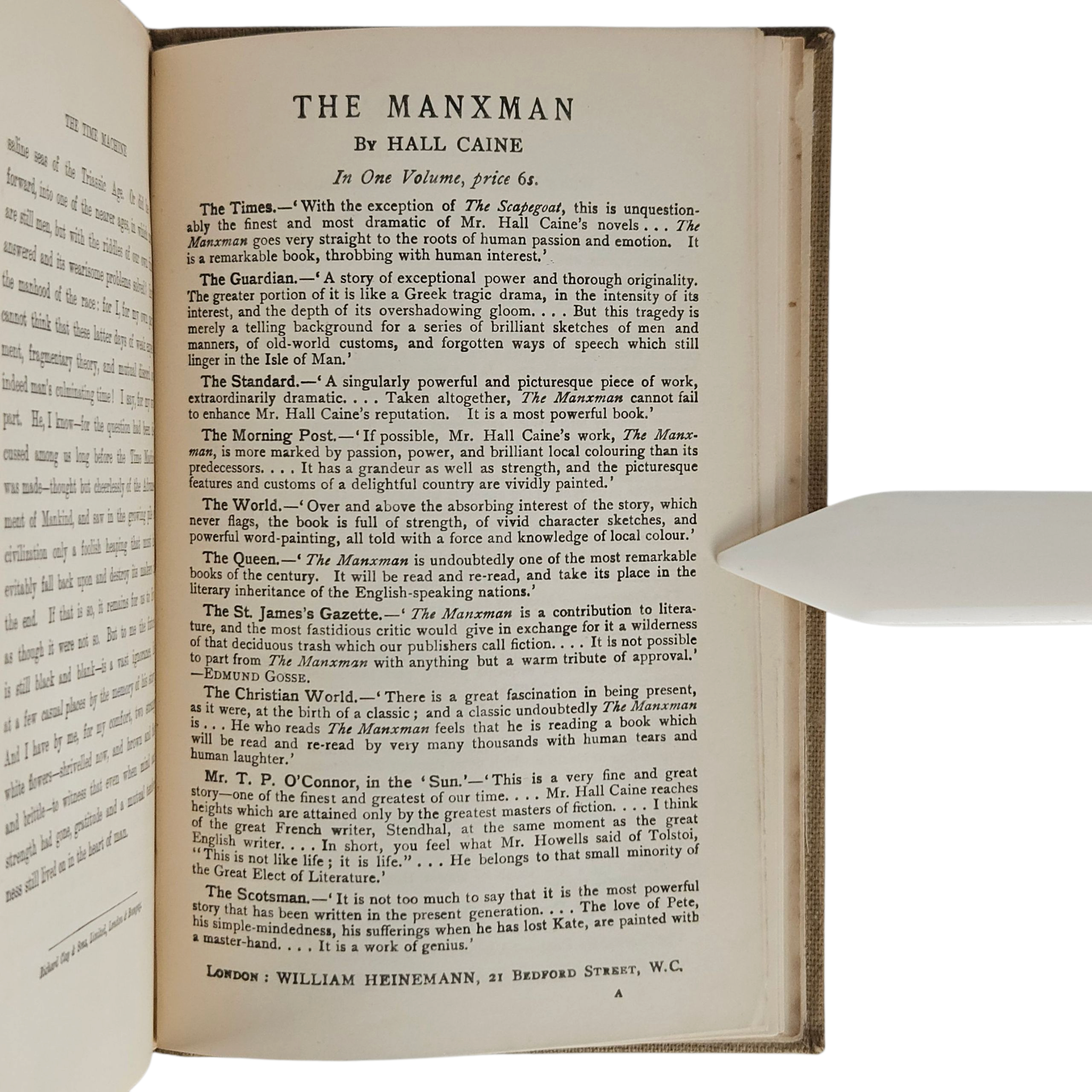 Image 3 of 14
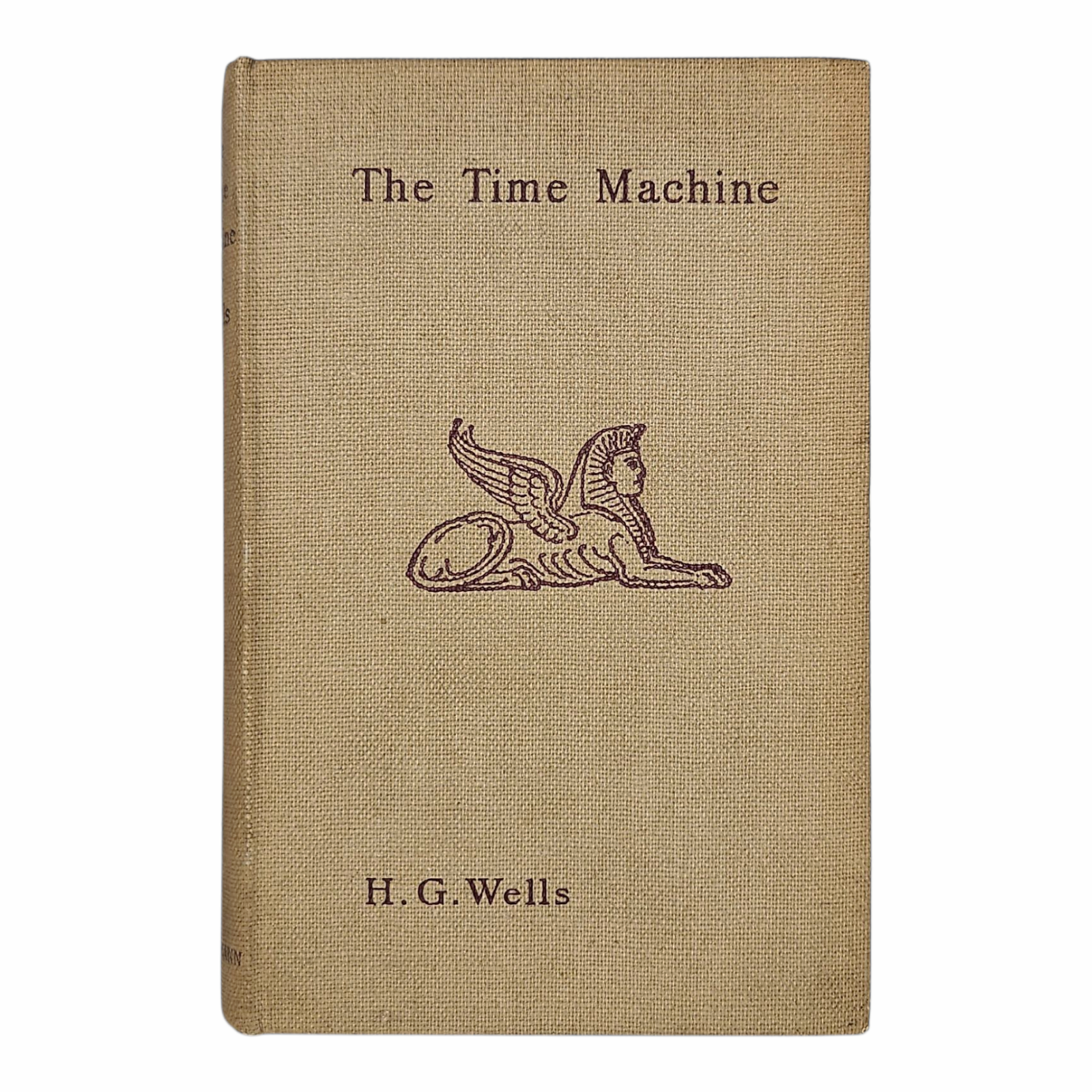 Image 4 of 14
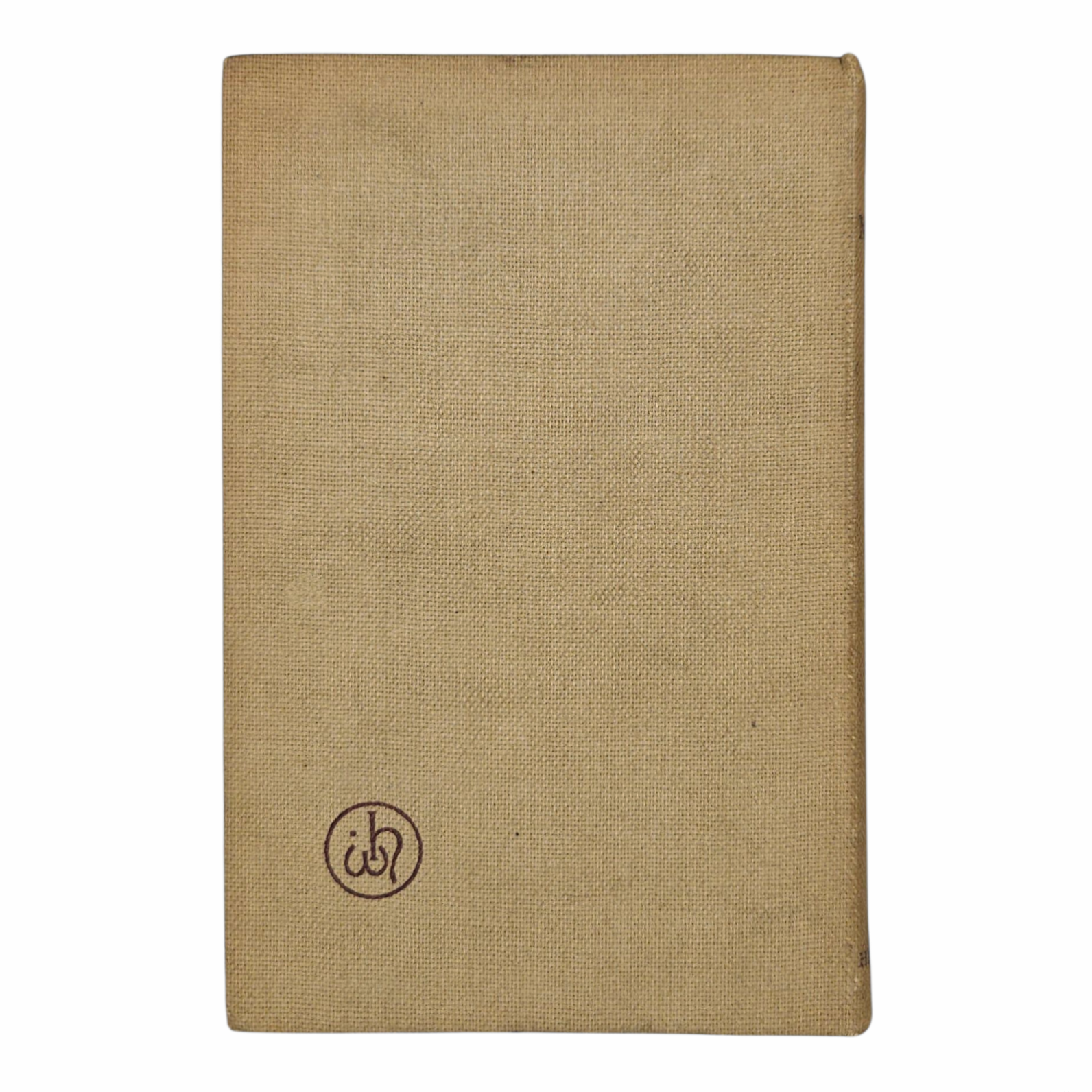 Image 5 of 14
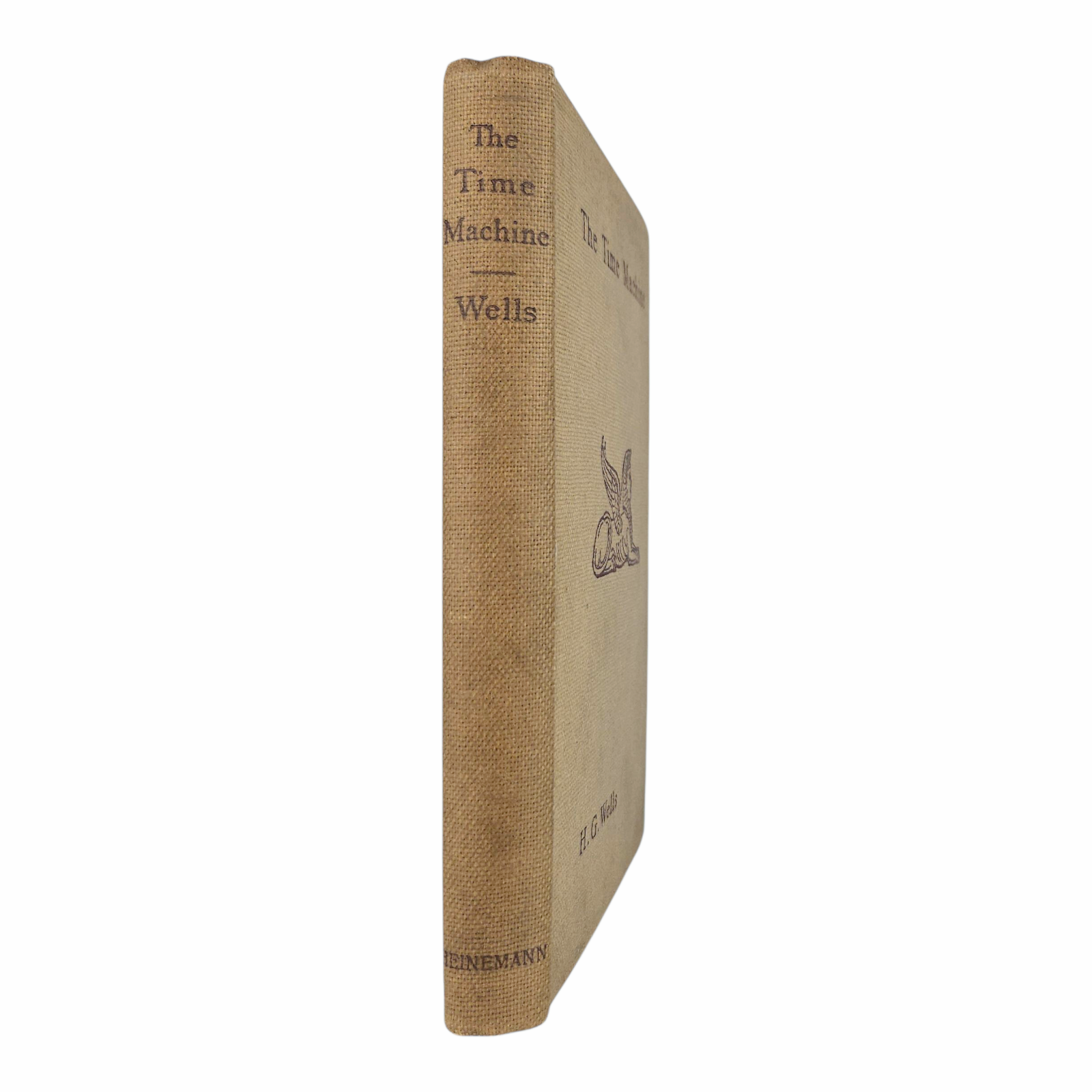 Image 6 of 14
 Image 7 of 14
 Image 8 of 14
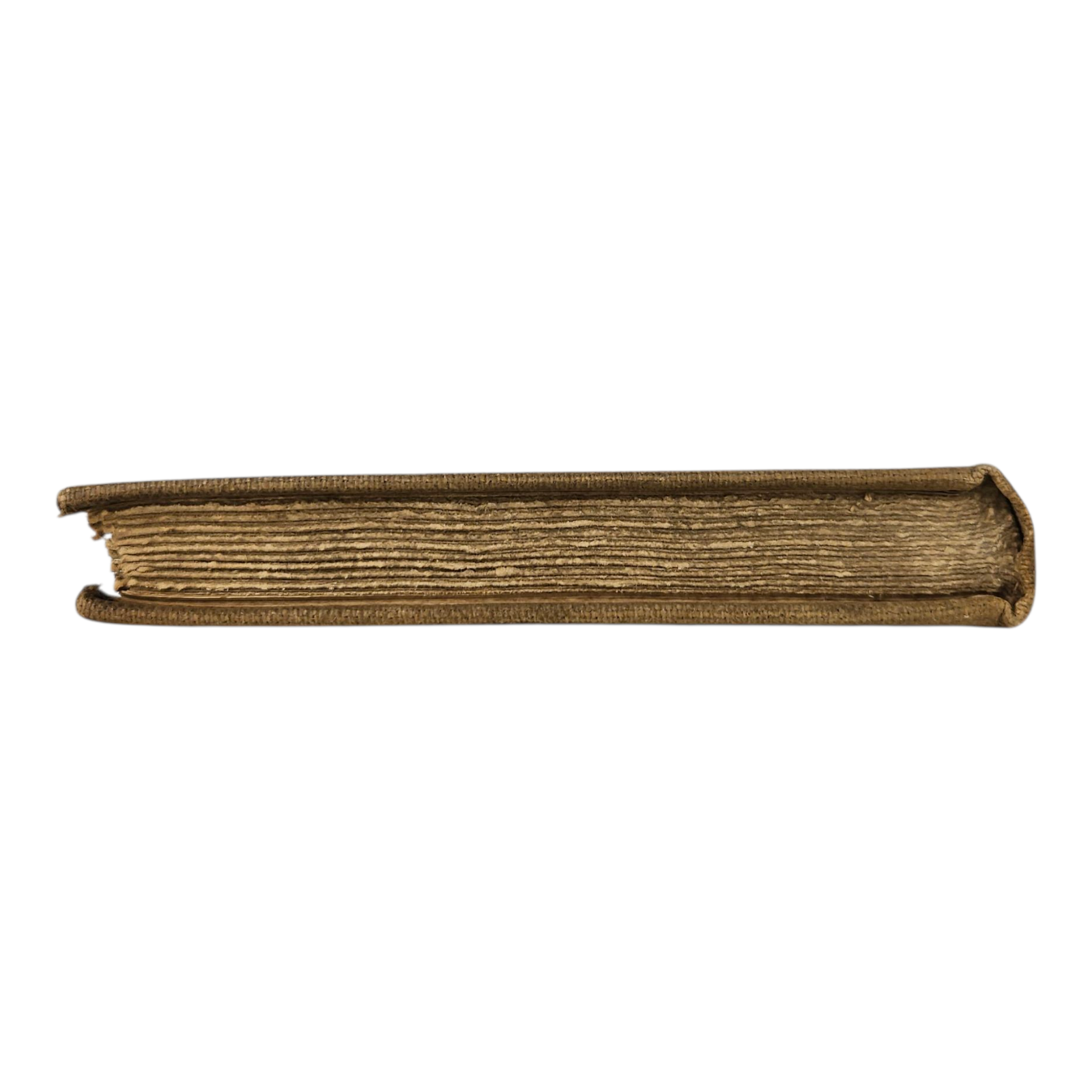 Image 9 of 14
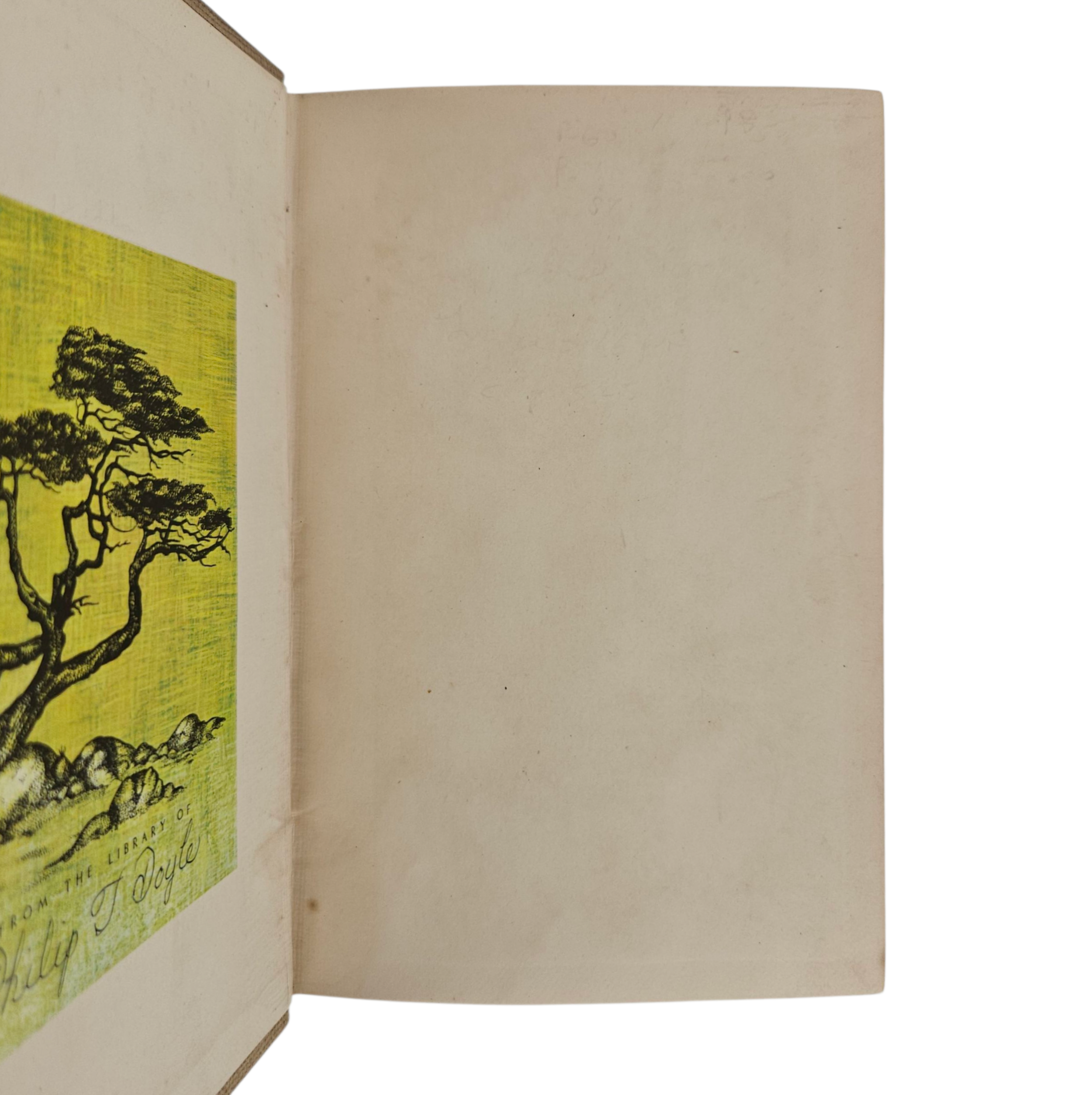 Image 10 of 14
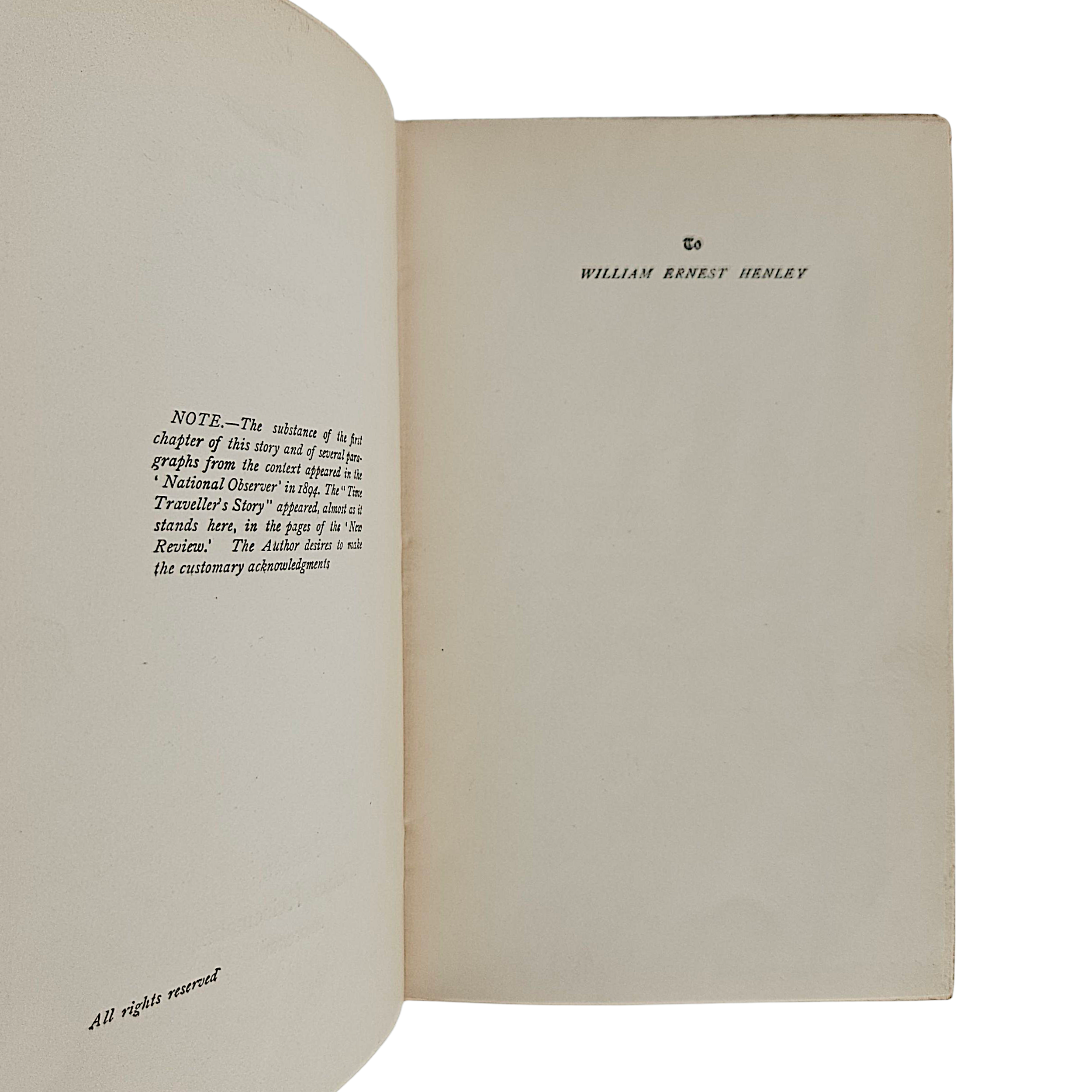 Image 11 of 14
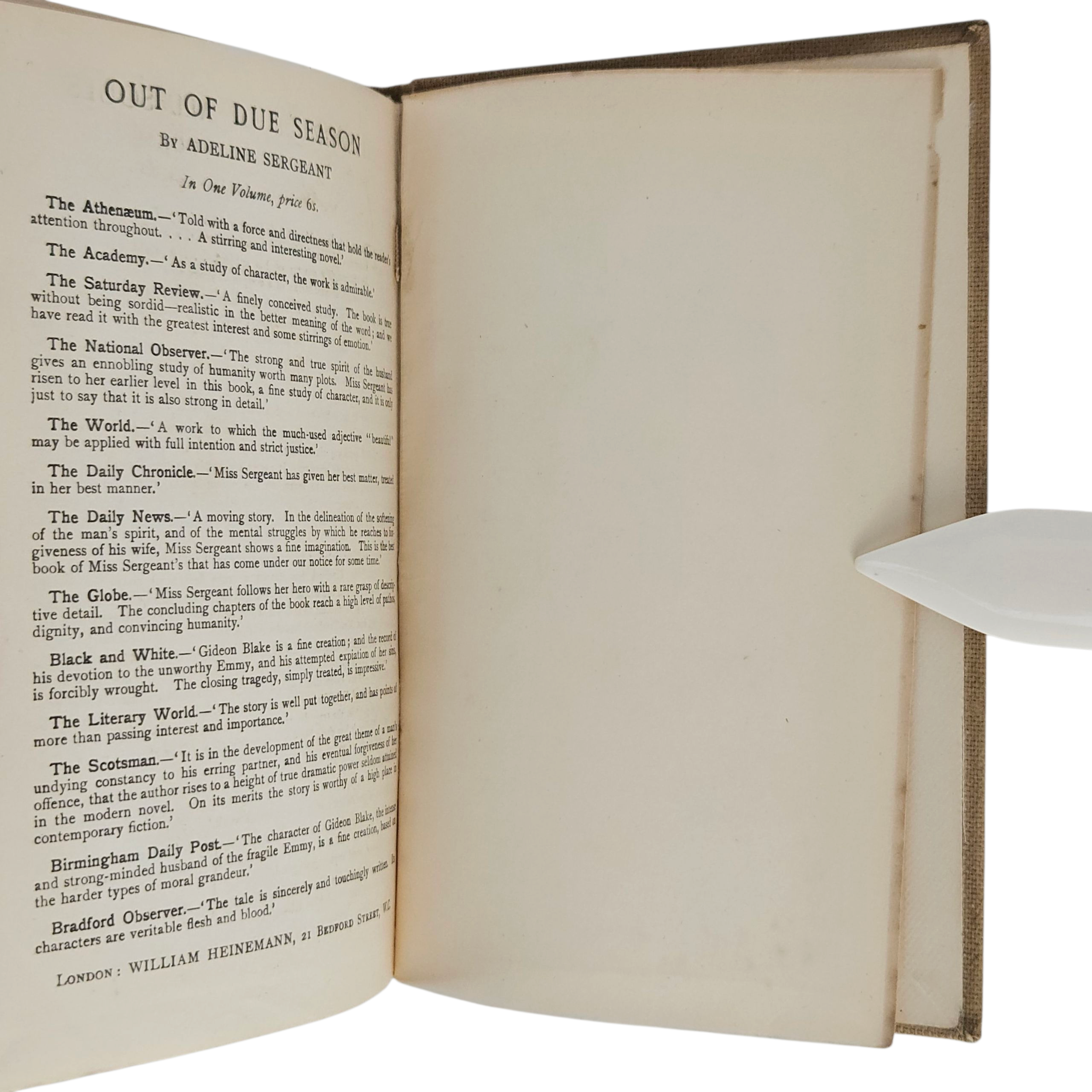 Image 12 of 14
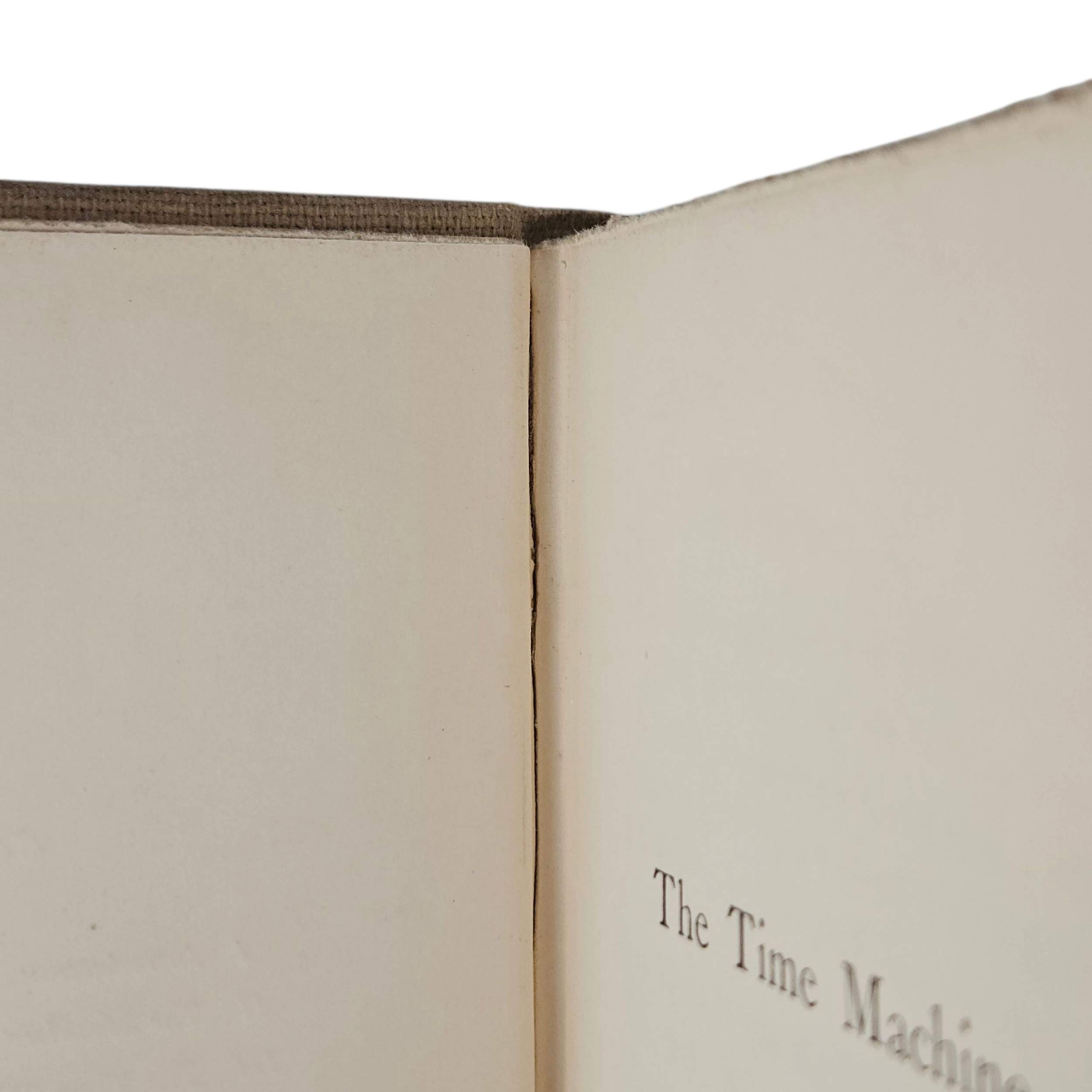 Image 13 of 14
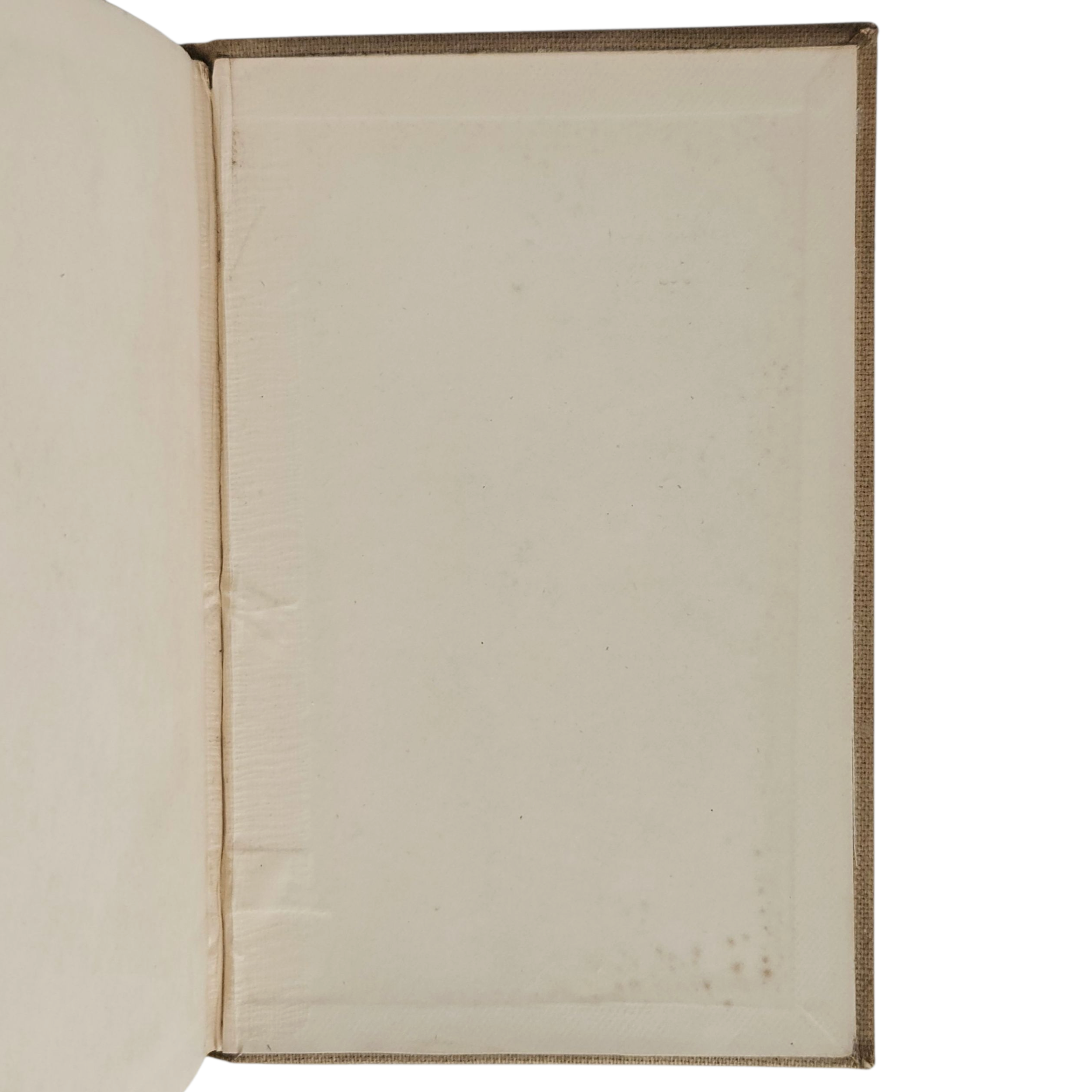 Image 14 of 14