First British edition of the novel to popularize the concept of the time machine
Publisher and Year: London: William Heinemann, MDCCCXCV (1895)
Edition: First British edition, first printing, later issue without catalog. Heinemann produced 10,000 sets of sheets in a single printing in 1895, which were issued in wrappers or cloth bindings. Although all copies derive from the single 1895 printing, the sheets were bound in sessions spread out over time, during which the publisher sometimes inserted catalog at the rear in cloth copies. It is believed that the earliest binding session included a 16-page catalog headed with The Manxman, and featured purple stamping to the covers. This copy lacks a catalog entirely and was stamped in brown. Currey (p. 525).
Condition and Description: Small octavo (18 cm height), publisher's original tan buckram cloth stamped in brown, all edges rough trimmed, 151 pp, issued without a catalog. Edges and foredge tips lightly rubbed. A little color bleed of the stamped lettering and publisher's device on the rear board. Slight spine lean. Tight hinges. Sound internal binding, but with cracking to the hinges of p. 1 and p. 32, with the gutter exposed but the pages firmly attached. Foxing to the preliminary leaves and terminal leaves, but the rest of the pages are virtually unaffected. Clean pages with an occasional very minor imperfection. Previous owner's name in ink on front flyleaf of American religious author and Dean of the General Theological Seminary, Wilford L(ash) Robbins, dated 1906. Else free and clear of writing and underlining. Am attractive example of a quintessential science fiction classic.
“It is a law of nature we overlook, that intellectual versatility is the compensation for change, danger, and trouble. An animal perfectly in harmony with its environment is a perfect mechanism. Nature never appeals to intelligence until habit and instinct are useless. There is no intelligence where there is no change and no need of change. Only those animals partake of intelligence that have a huge variety of needs and dangers.”
Inventory ID: 567 - 460 - 494
First British edition of the novel to popularize the concept of the time machine
Publisher and Year: London: William Heinemann, MDCCCXCV (1895)
Edition: First British edition, first printing, later issue without catalog. Heinemann produced 10,000 sets of sheets in a single printing in 1895, which were issued in wrappers or cloth bindings. Although all copies derive from the single 1895 printing, the sheets were bound in sessions spread out over time, during which the publisher sometimes inserted catalog at the rear in cloth copies. It is believed that the earliest binding session included a 16-page catalog headed with The Manxman, and featured purple stamping to the covers. This copy lacks a catalog entirely and was stamped in brown. Currey (p. 525).
Condition and Description: Small octavo (18 cm height), publisher's original tan buckram cloth stamped in brown, all edges rough trimmed, 151 pp, issued without a catalog. Edges and foredge tips lightly rubbed. A little color bleed of the stamped lettering and publisher's device on the rear board. Slight spine lean. Tight hinges. Sound internal binding, but with cracking to the hinges of p. 1 and p. 32, with the gutter exposed but the pages firmly attached. Foxing to the preliminary leaves and terminal leaves, but the rest of the pages are virtually unaffected. Clean pages with an occasional very minor imperfection. Previous owner's name in ink on front flyleaf of American religious author and Dean of the General Theological Seminary, Wilford L(ash) Robbins, dated 1906. Else free and clear of writing and underlining. Am attractive example of a quintessential science fiction classic.
“It is a law of nature we overlook, that intellectual versatility is the compensation for change, danger, and trouble. An animal perfectly in harmony with its environment is a perfect mechanism. Nature never appeals to intelligence until habit and instinct are useless. There is no intelligence where there is no change and no need of change. Only those animals partake of intelligence that have a huge variety of needs and dangers.”
Inventory ID: 567 - 460 - 494

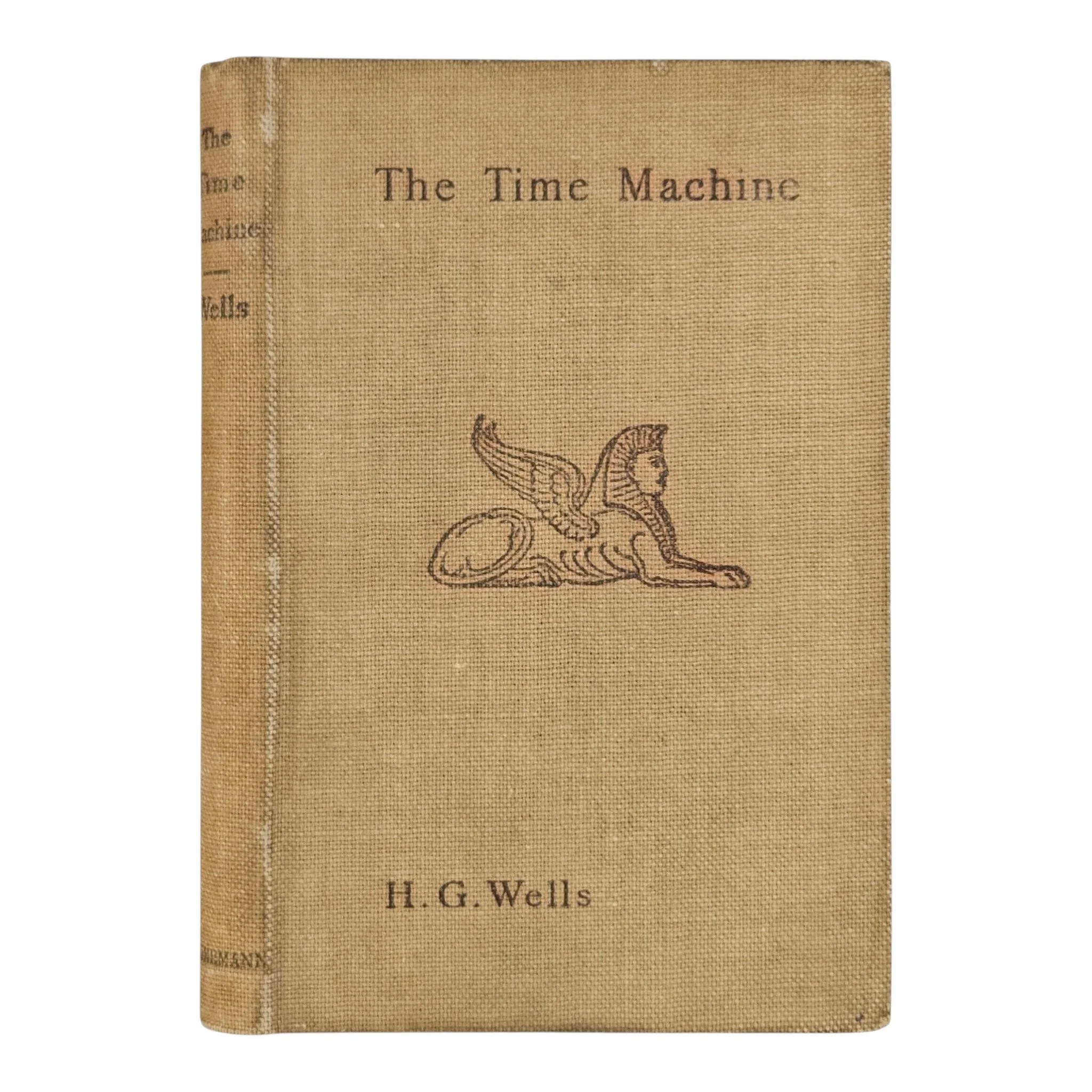 Image 1 of 20
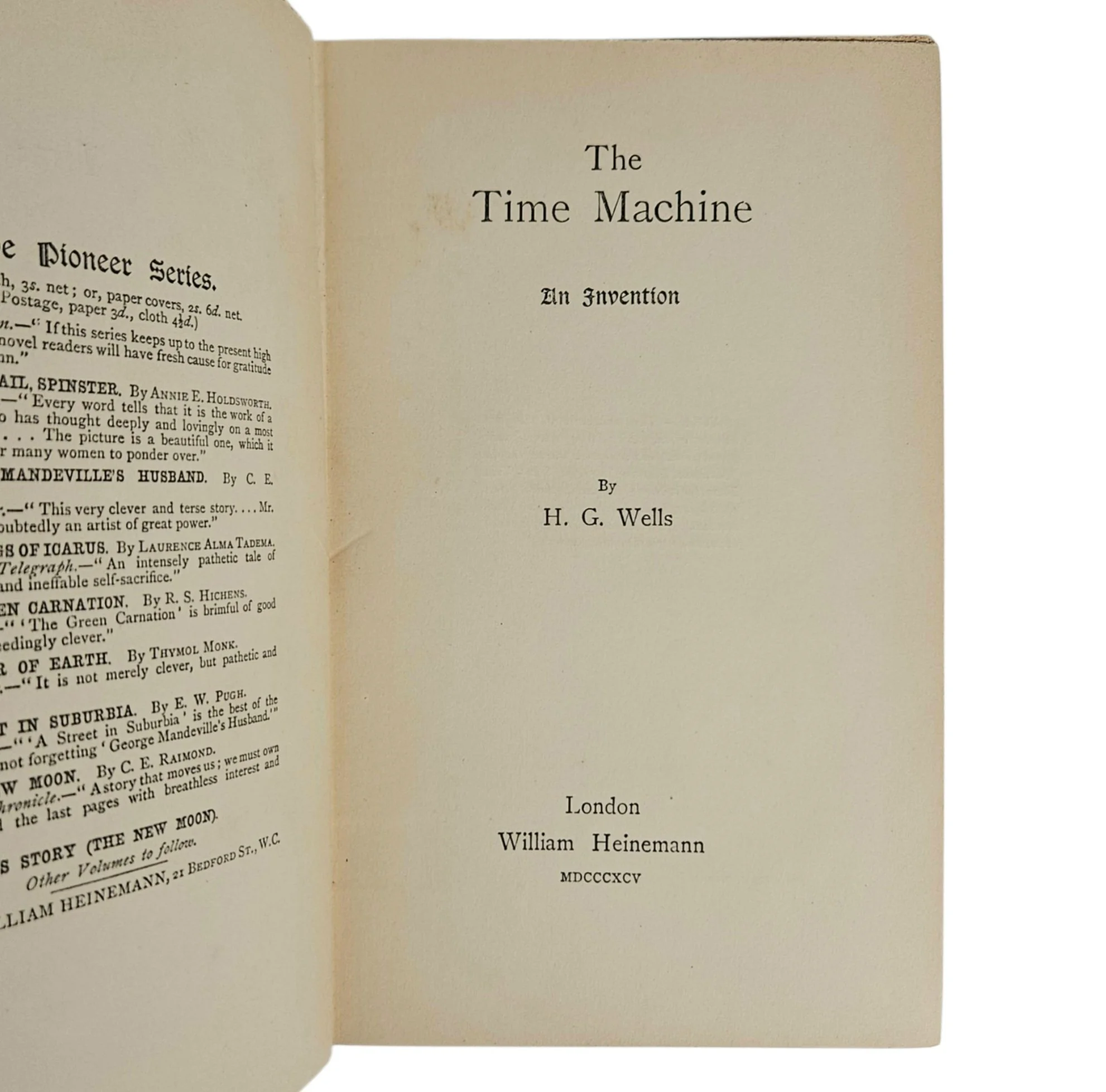 Image 2 of 20
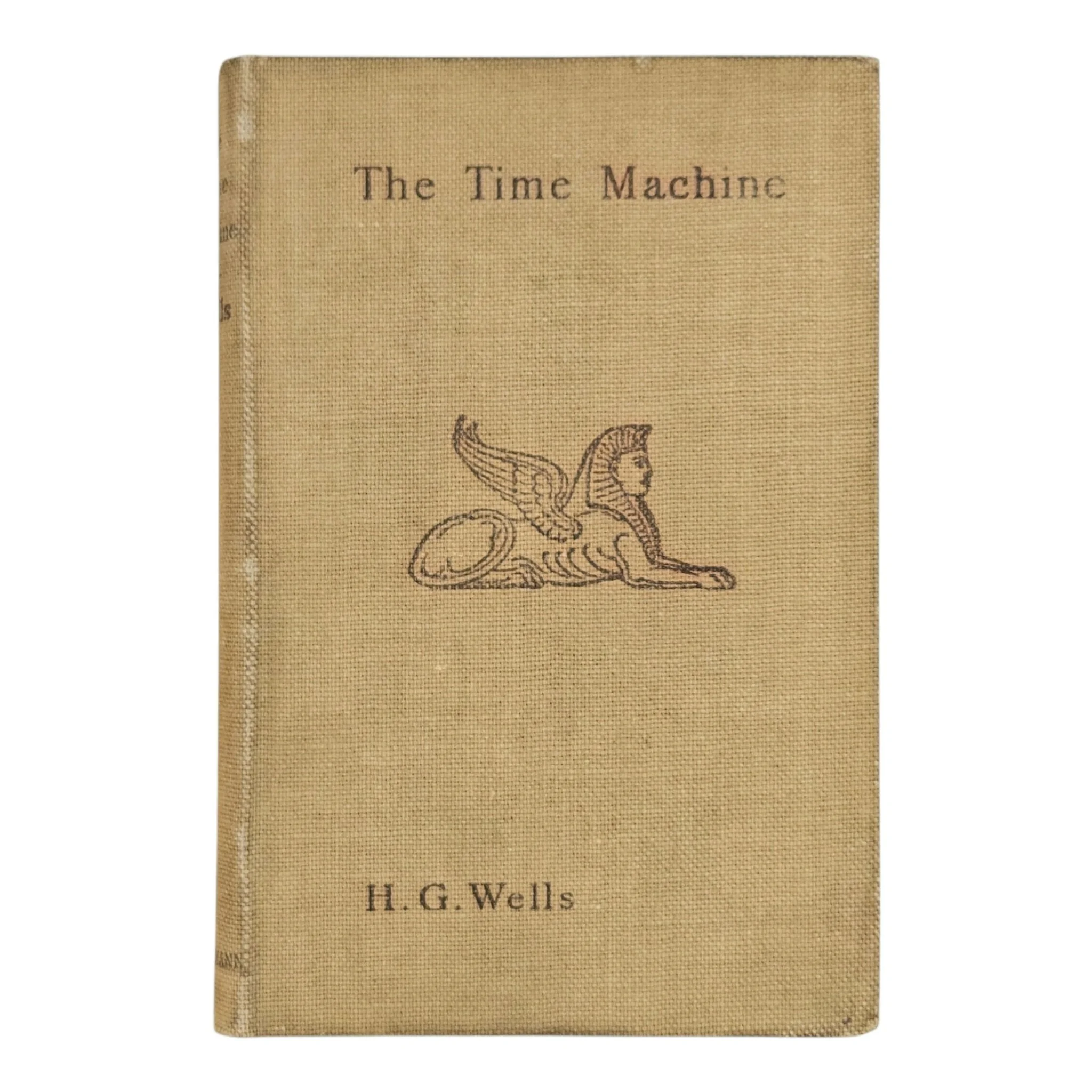 Image 3 of 20
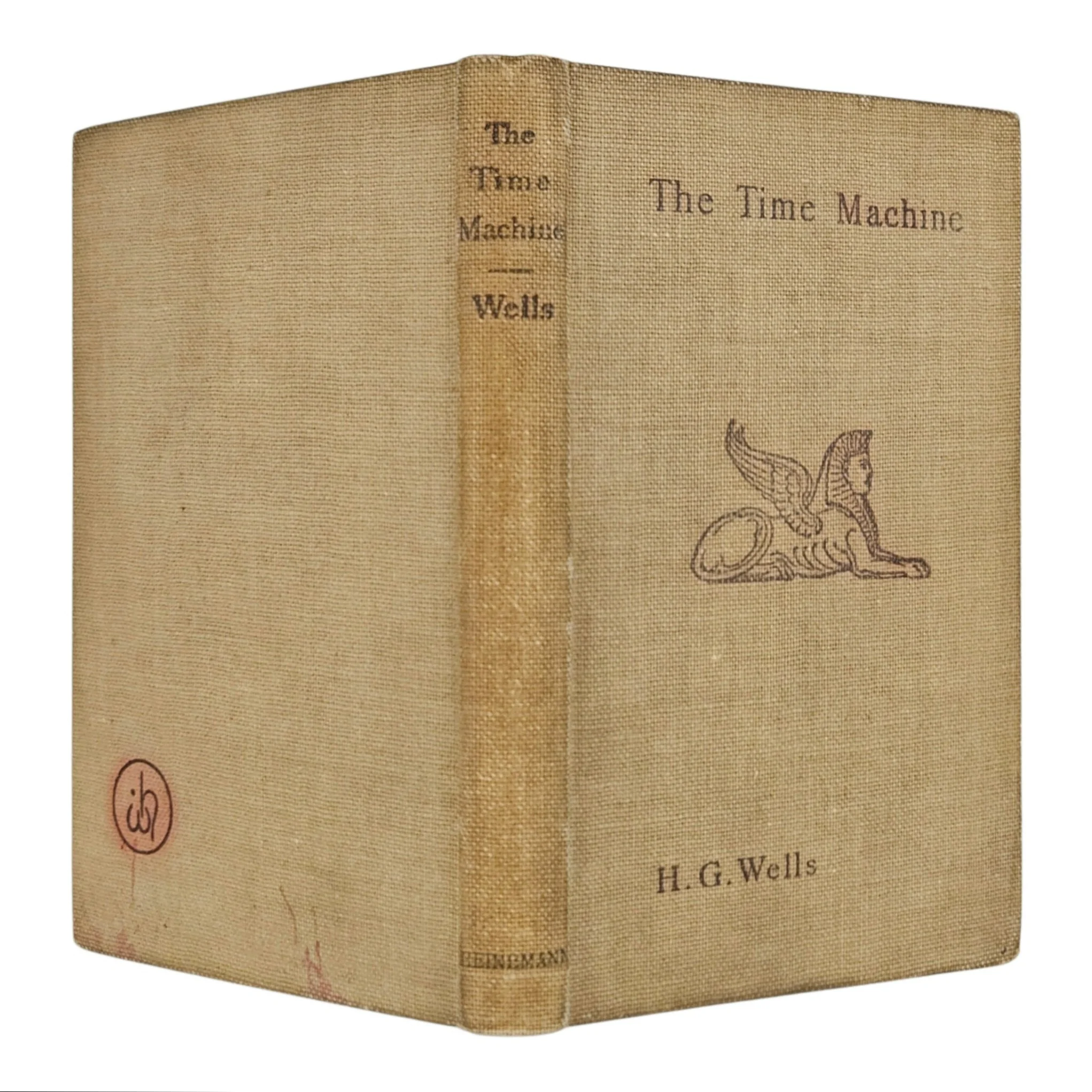 Image 4 of 20
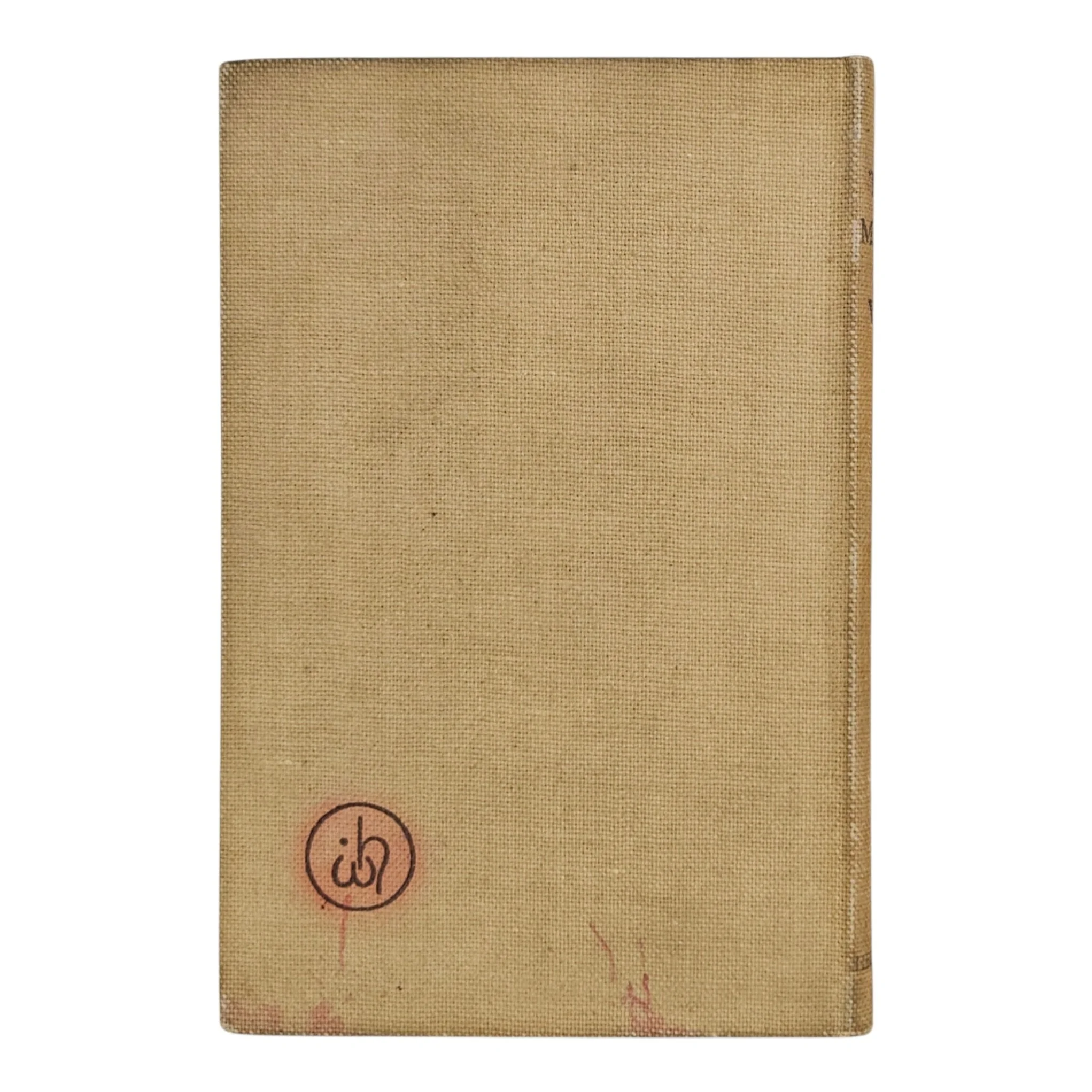 Image 5 of 20
 Image 6 of 20
 Image 7 of 20
 Image 8 of 20
 Image 9 of 20
 Image 10 of 20
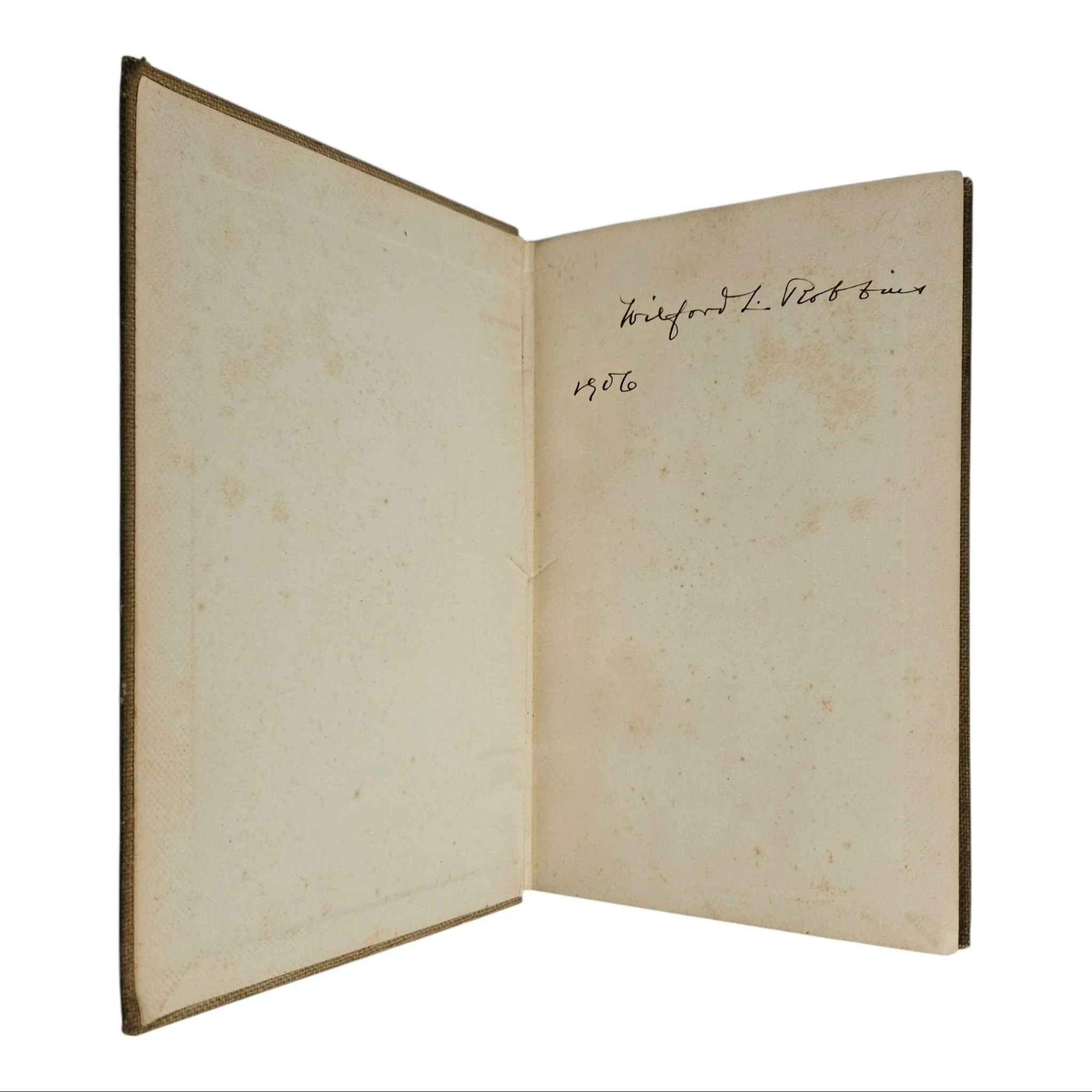 Image 11 of 20
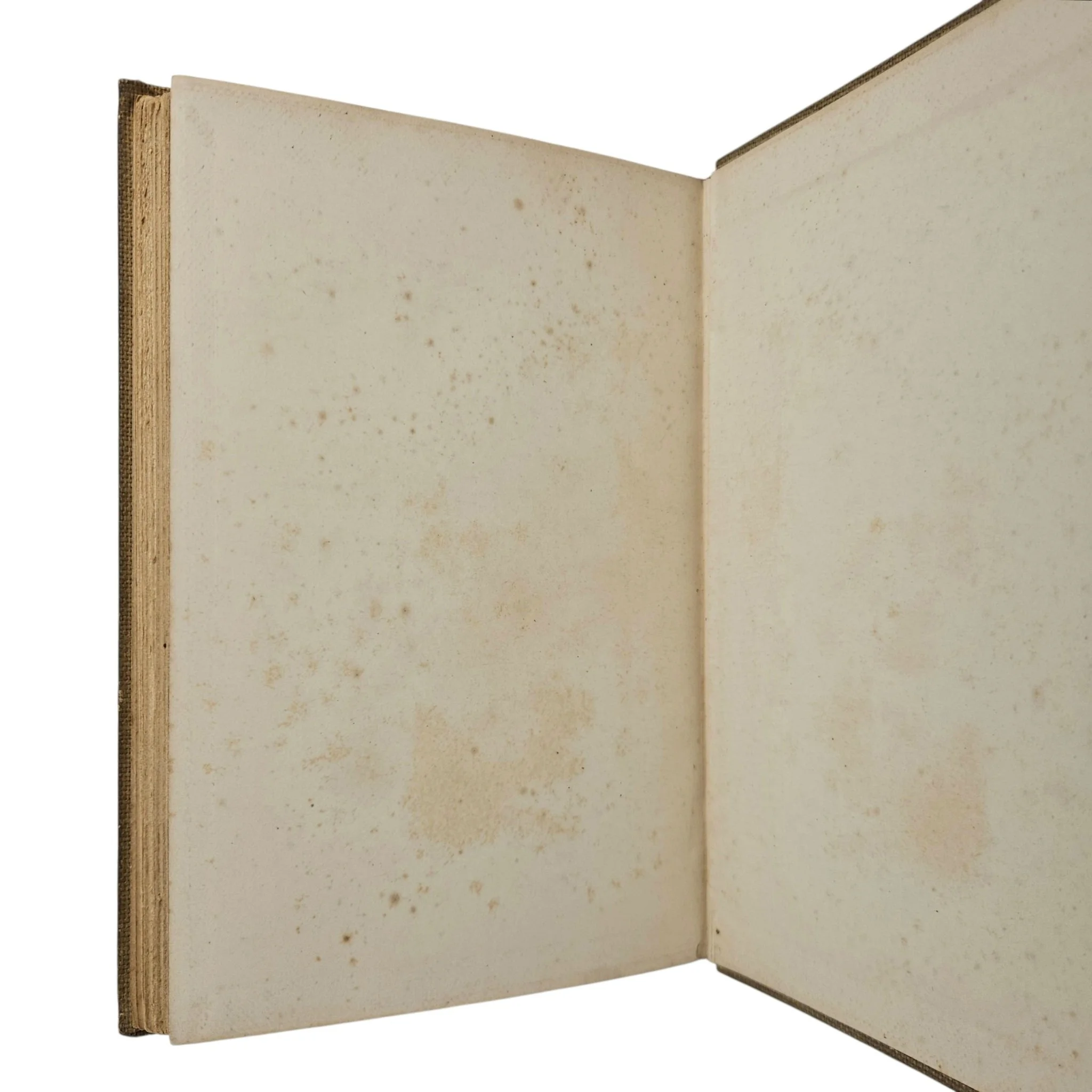 Image 12 of 20
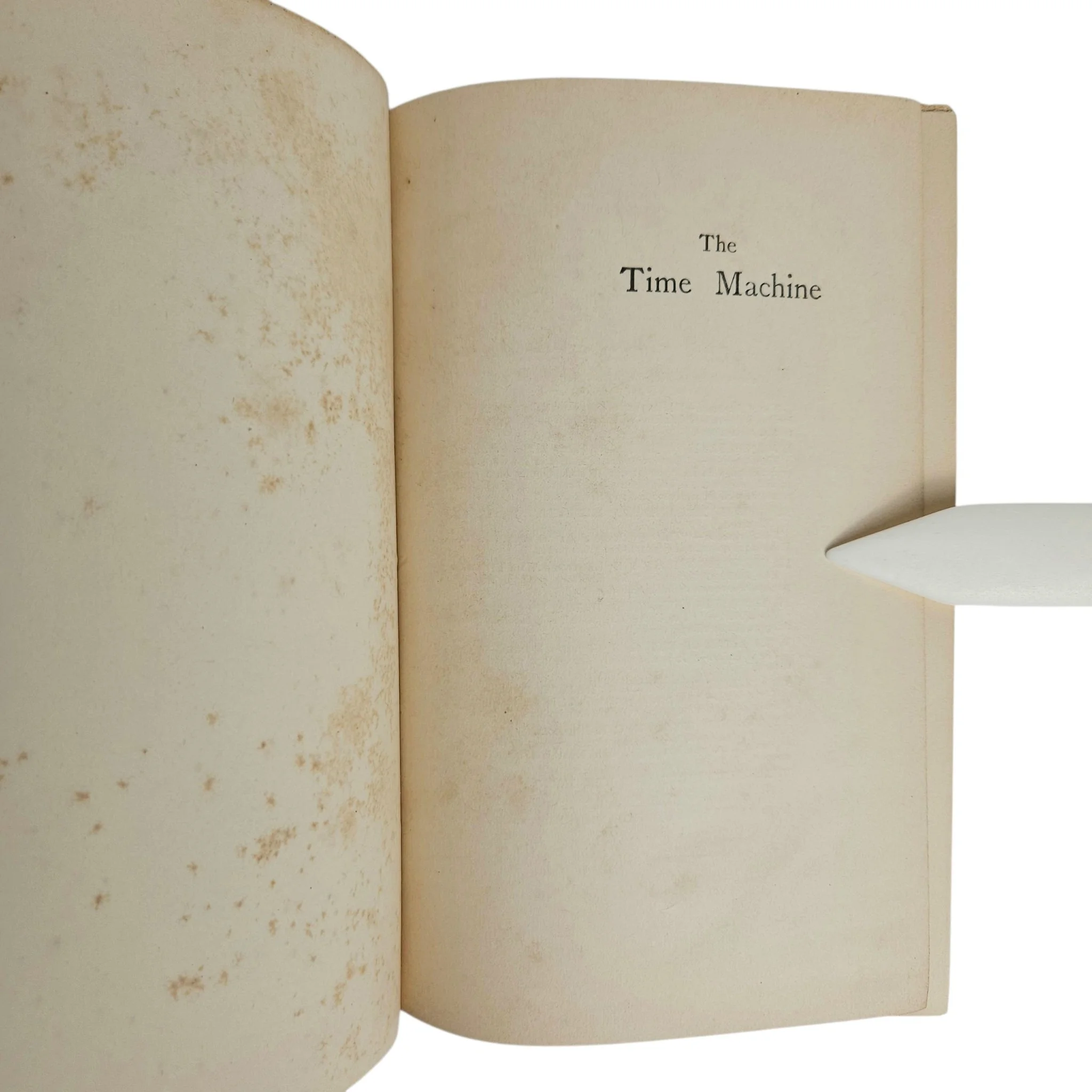 Image 13 of 20
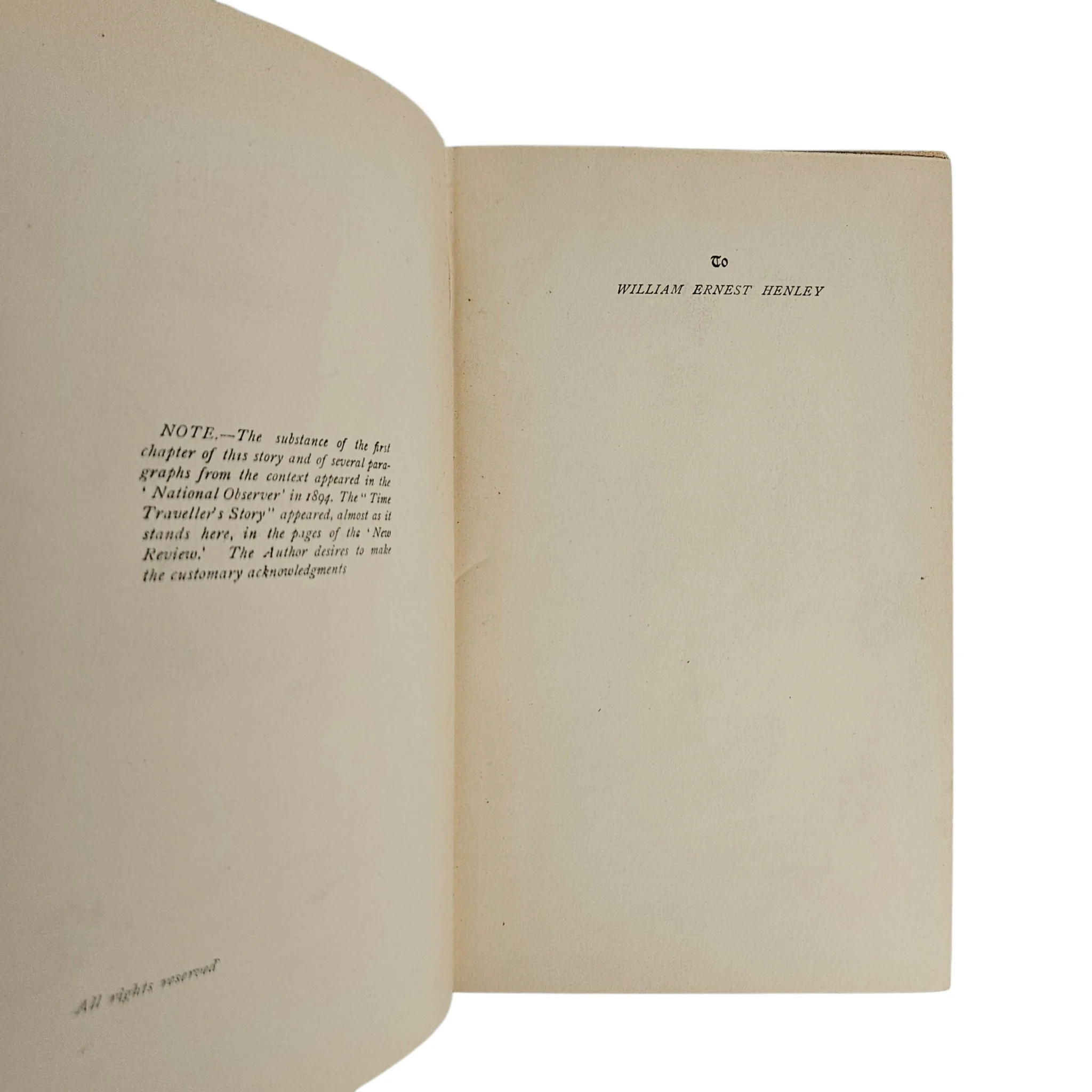 Image 14 of 20
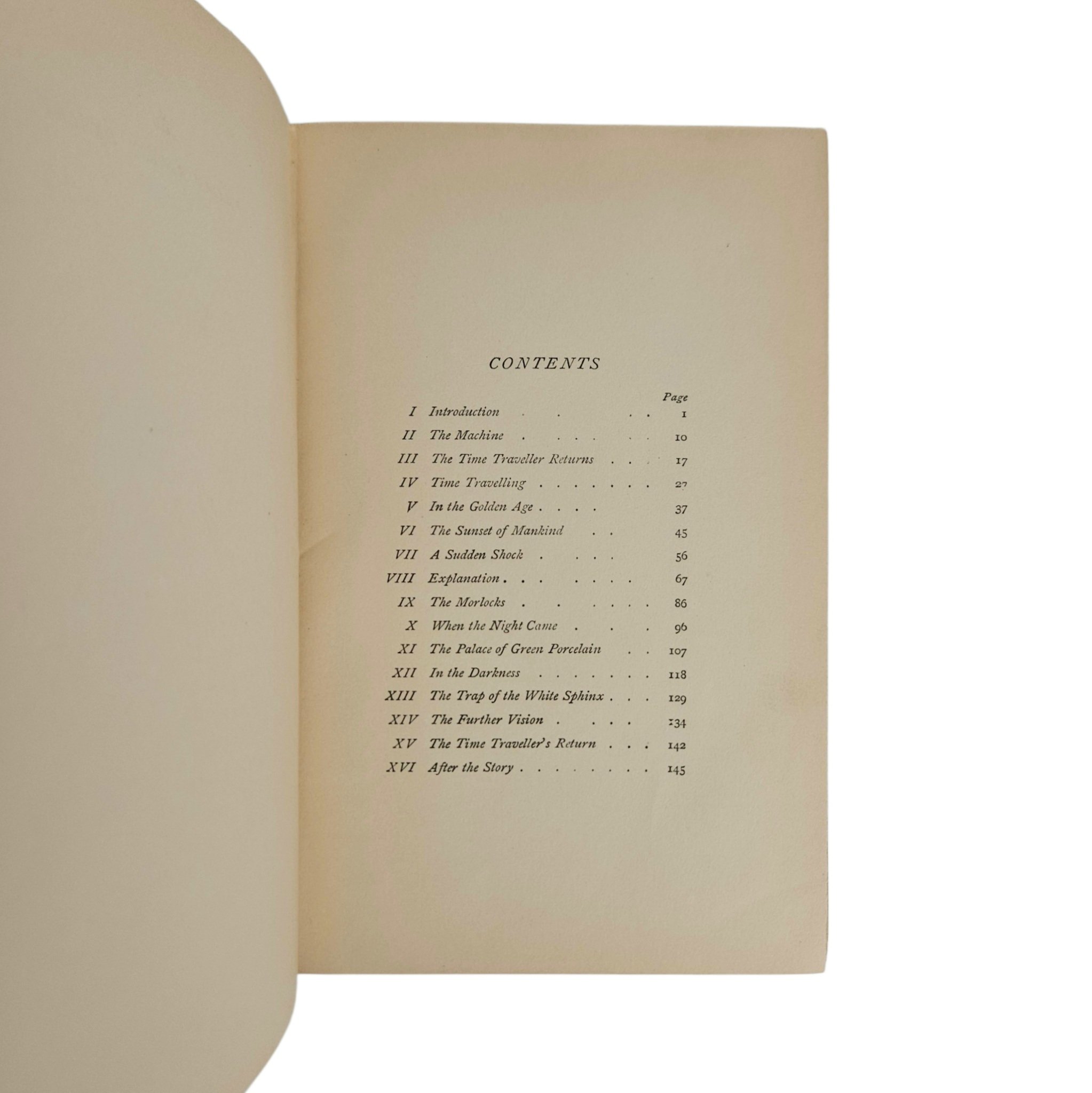 Image 15 of 20
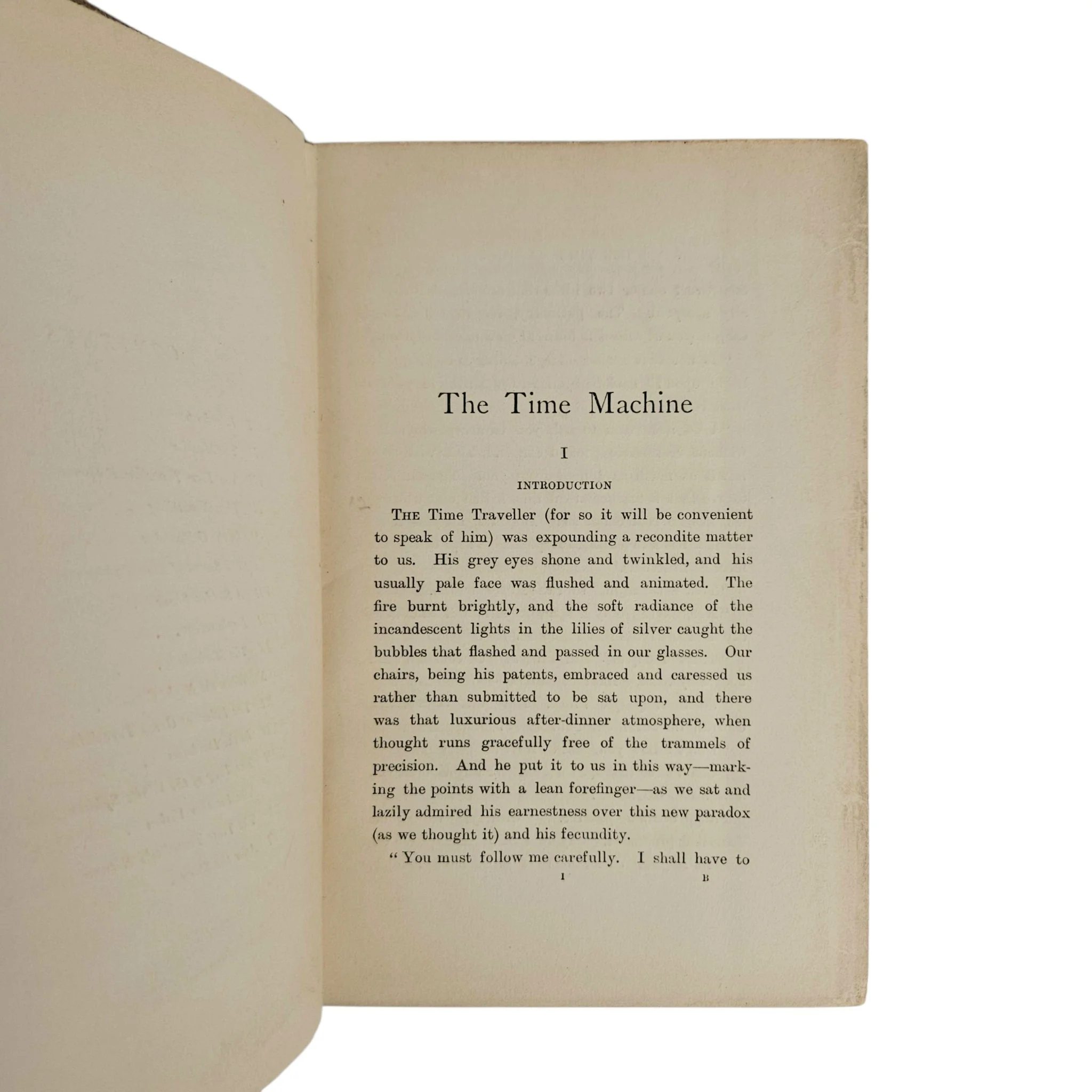 Image 16 of 20
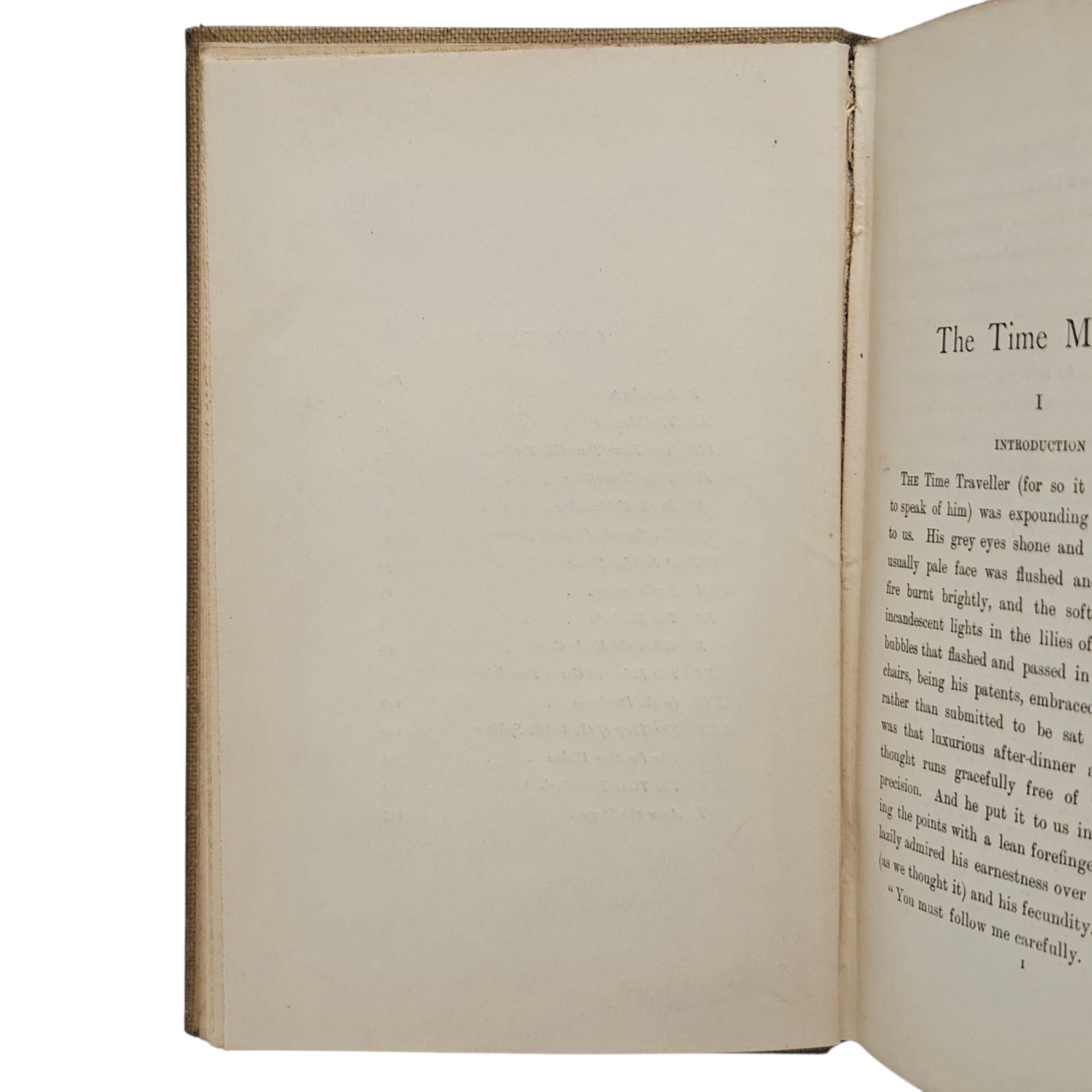 Image 17 of 20
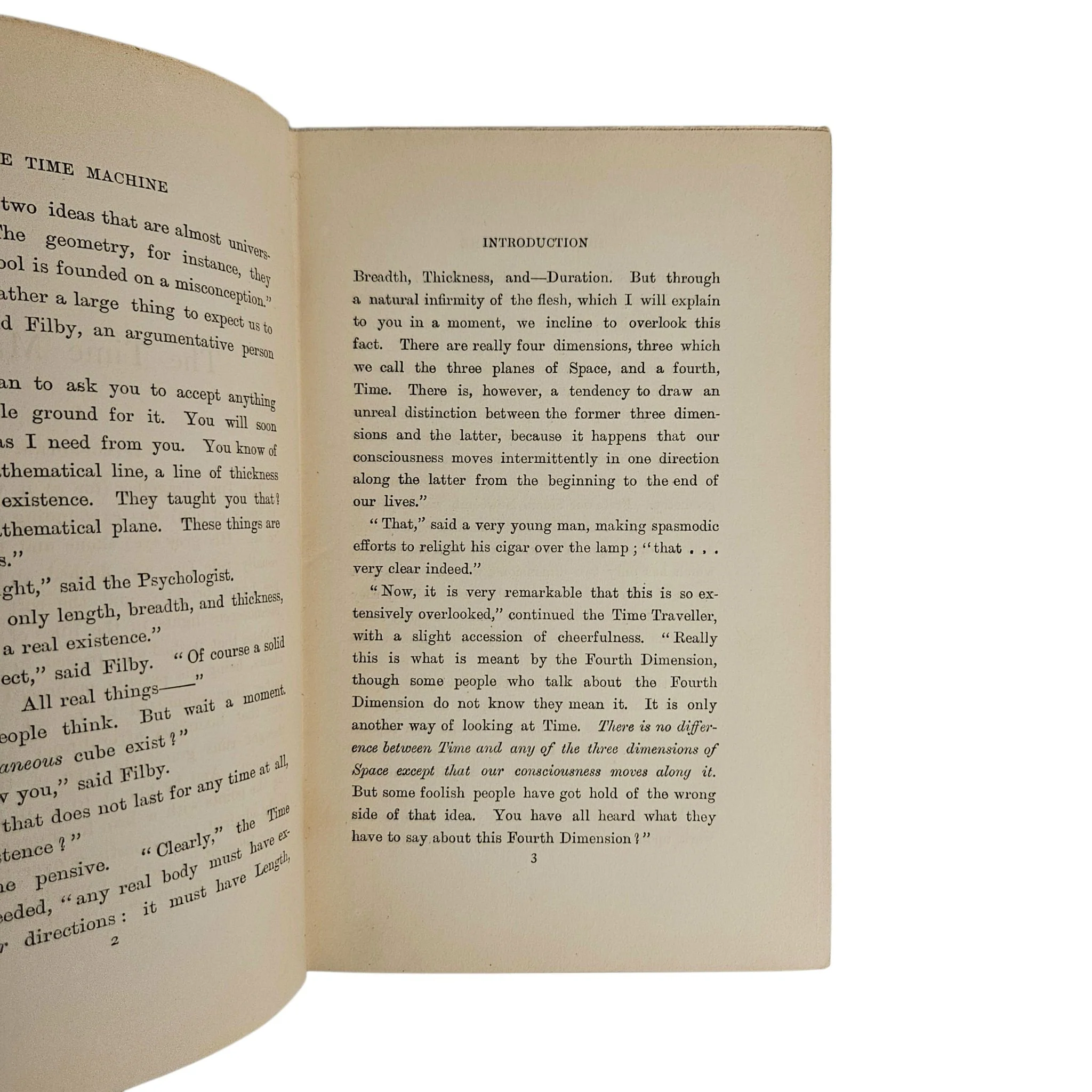 Image 18 of 20
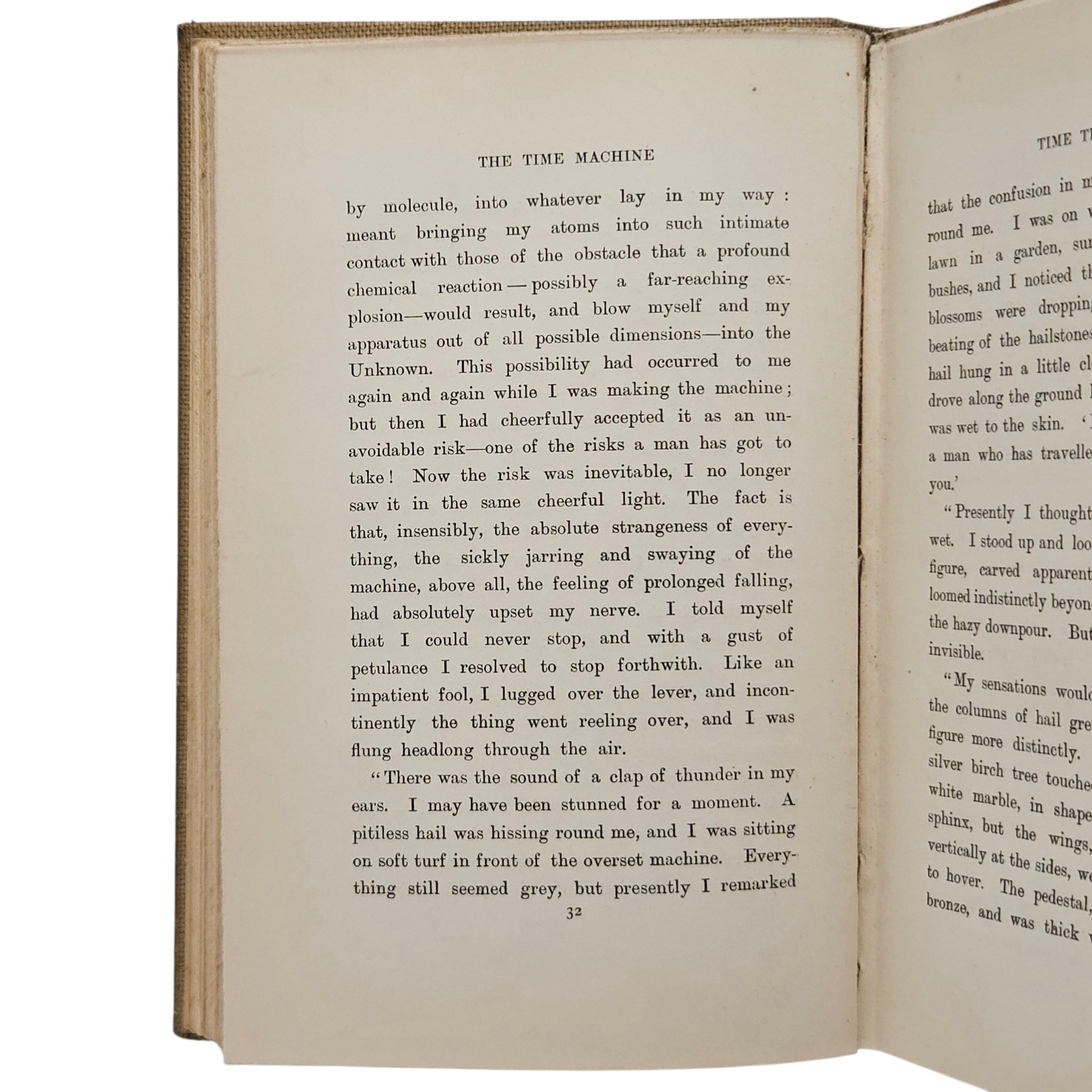 Image 19 of 20
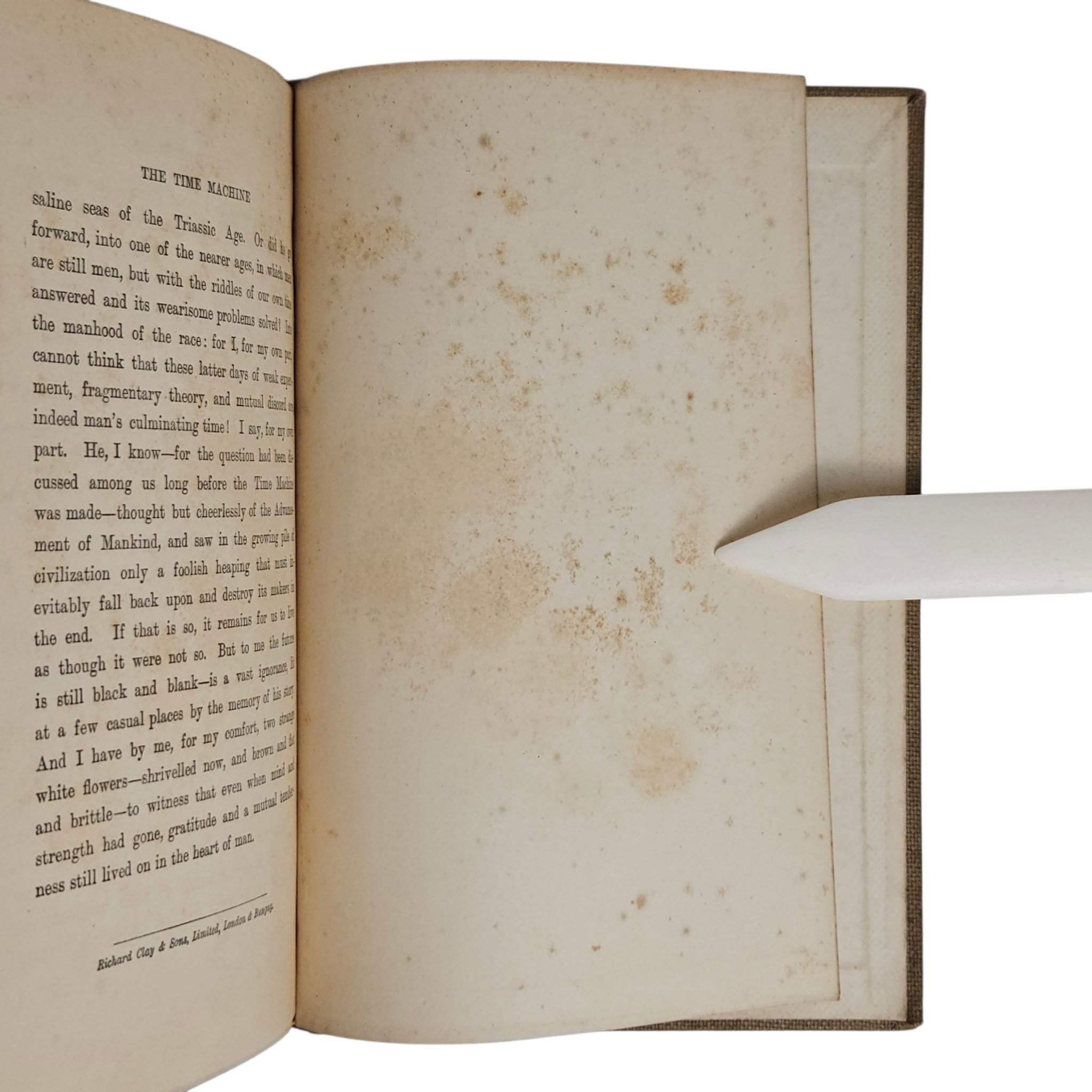 Image 20 of 20