First edition. In the scarce publisher's full morocco binding. Owned by Confederate Lieutenant Joseph L. Orr.
Publisher and Year: New York: D. Appleton and Company, 1881
Edition: First edition, in the publisher's full morocco binding. Customers could order their copies in cloth ($5.00), sheep leather ($6.00), half morocco ($7.00), and full morocco ($10). An extensive census of auction records of the past 75 years, including a review of every single record of the title on the RBH database, identified just 4 appearances of copies in full morocco.
Description & Condition: Thick octavos, publisher's full brown morocco leather stamped in gilt and black, all edges gilt, marbled endpapers, dentelles. Each volume with a frontispiece portrait of Davis and additional portraits and maps within. Vol. 1: 675 pp., index; Vol. 2: 824 pp., folding maps, index. Wear to the leather (especially to Vol. 1); tips rounded; gilt bright. Hinges and binding tight. Oxidizing to the edges of the frontispiece leaf of Vol. 1, which has offset to the facing page on either side. This has also occurred on the portrait leaf on p. 16 in Vol. 1, and to one corner of the following portraits in Vol 2: frontispiece, p 55, and p 106. Most of the rest of the portraits have some degree of foxing, which is more typical in appearance. The text itself is largely clear, with some occasional foxing and handling marks. In Vol. 1, there is staining near the gutter of first three blanks, as shown, and a dated signature on the first blank leaf ("Jos. L. Orr 1894"; refer to provenance section below). No other writing or owner's markings in either volume. In Vol. 2, most of the maps have some degree of foxing and some have creasing. The Fort Fisher map was detached and incomplete, and a replacement from another first edition has been archivally attached (the original is laid in). Additional pictures available upon request. Some internal flaws, but a scarce binding with strong shelf appeal.
Provenance: Joseph Latimer Orr (1836-1888), a Confederate Lieutenant (4th Tennessee Cavalry), was the original owner of the book. The signature, dated 6 years after his passing, owes to a family member (probably his son, who had the same name). The set was passed down through the family across several generations before coming to us.
Orr mustered into Confederate service on June 18, 1861, at Nashville as a private in Company A of the 4th Tennessee Cavalry. He served continuously in that regiment for the entire war. By the final year of the conflict, he had advanced to first lieutenant, and he surrendered with Wheeler’s Cavalry at Charlotte, North Carolina, in early May 1865. During his service, Orr remained with the 4th Tennessee Cavalry as it operated with the Army of Tennessee and later in Wheeler’s Cavalry Corps. He experienced the war as a mounted soldier engaged in near-constant movement, scouting, screening, raiding, and rear-guard fighting. His progression from enlisted man to company-grade officer occurred within the regiment while it remained in active field service, reflecting the sustained attrition and reorganization typical of Confederate cavalry units.
The 4th Tennessee Cavalry faced a succession of Union field commanders as the war progressed. At Murfreesboro and Chickamauga, it opposed the Army of the Cumberland under William S. Rosecrans, with corps led by officers such as George H. Thomas. During the Chattanooga Campaign, including Lookout Mountain and Missionary Ridge, it confronted Union forces directed by Ulysses S. Grant, with armies under George H. Thomas, William T. Sherman, and Joseph Hooker. In the Atlanta Campaign, including Resaca and New Hope Church, the 4th Tennessee Cavalry operated against Sherman’s combined armies, with Thomas, James B. McPherson, and John M. Schofield commanding the principal Union formations. In the final Carolinas Campaign, the regiment opposed Sherman again, particularly against Henry W. Slocum at Averysboro and both Slocum and Schofield at Bentonville, the last major battle of the war.
After the war, Orr returned to Marshall County, Tennessee, where he rebuilt his life as a merchant, grain dealer, and farmer. He became active in state politics and served two terms in the Tennessee General Assembly, earning the honorific “Hon.” He spent the remainder of his life in Marshall County and died in 1888.
Inventory ID: 789 - 793 - 222
First edition. In the scarce publisher's full morocco binding. Owned by Confederate Lieutenant Joseph L. Orr.
Publisher and Year: New York: D. Appleton and Company, 1881
Edition: First edition, in the publisher's full morocco binding. Customers could order their copies in cloth ($5.00), sheep leather ($6.00), half morocco ($7.00), and full morocco ($10). An extensive census of auction records of the past 75 years, including a review of every single record of the title on the RBH database, identified just 4 appearances of copies in full morocco.
Description & Condition: Thick octavos, publisher's full brown morocco leather stamped in gilt and black, all edges gilt, marbled endpapers, dentelles. Each volume with a frontispiece portrait of Davis and additional portraits and maps within. Vol. 1: 675 pp., index; Vol. 2: 824 pp., folding maps, index. Wear to the leather (especially to Vol. 1); tips rounded; gilt bright. Hinges and binding tight. Oxidizing to the edges of the frontispiece leaf of Vol. 1, which has offset to the facing page on either side. This has also occurred on the portrait leaf on p. 16 in Vol. 1, and to one corner of the following portraits in Vol 2: frontispiece, p 55, and p 106. Most of the rest of the portraits have some degree of foxing, which is more typical in appearance. The text itself is largely clear, with some occasional foxing and handling marks. In Vol. 1, there is staining near the gutter of first three blanks, as shown, and a dated signature on the first blank leaf ("Jos. L. Orr 1894"; refer to provenance section below). No other writing or owner's markings in either volume. In Vol. 2, most of the maps have some degree of foxing and some have creasing. The Fort Fisher map was detached and incomplete, and a replacement from another first edition has been archivally attached (the original is laid in). Additional pictures available upon request. Some internal flaws, but a scarce binding with strong shelf appeal.
Provenance: Joseph Latimer Orr (1836-1888), a Confederate Lieutenant (4th Tennessee Cavalry), was the original owner of the book. The signature, dated 6 years after his passing, owes to a family member (probably his son, who had the same name). The set was passed down through the family across several generations before coming to us.
Orr mustered into Confederate service on June 18, 1861, at Nashville as a private in Company A of the 4th Tennessee Cavalry. He served continuously in that regiment for the entire war. By the final year of the conflict, he had advanced to first lieutenant, and he surrendered with Wheeler’s Cavalry at Charlotte, North Carolina, in early May 1865. During his service, Orr remained with the 4th Tennessee Cavalry as it operated with the Army of Tennessee and later in Wheeler’s Cavalry Corps. He experienced the war as a mounted soldier engaged in near-constant movement, scouting, screening, raiding, and rear-guard fighting. His progression from enlisted man to company-grade officer occurred within the regiment while it remained in active field service, reflecting the sustained attrition and reorganization typical of Confederate cavalry units.
The 4th Tennessee Cavalry faced a succession of Union field commanders as the war progressed. At Murfreesboro and Chickamauga, it opposed the Army of the Cumberland under William S. Rosecrans, with corps led by officers such as George H. Thomas. During the Chattanooga Campaign, including Lookout Mountain and Missionary Ridge, it confronted Union forces directed by Ulysses S. Grant, with armies under George H. Thomas, William T. Sherman, and Joseph Hooker. In the Atlanta Campaign, including Resaca and New Hope Church, the 4th Tennessee Cavalry operated against Sherman’s combined armies, with Thomas, James B. McPherson, and John M. Schofield commanding the principal Union formations. In the final Carolinas Campaign, the regiment opposed Sherman again, particularly against Henry W. Slocum at Averysboro and both Slocum and Schofield at Bentonville, the last major battle of the war.
After the war, Orr returned to Marshall County, Tennessee, where he rebuilt his life as a merchant, grain dealer, and farmer. He became active in state politics and served two terms in the Tennessee General Assembly, earning the honorific “Hon.” He spent the remainder of his life in Marshall County and died in 1888.
Inventory ID: 789 - 793 - 222

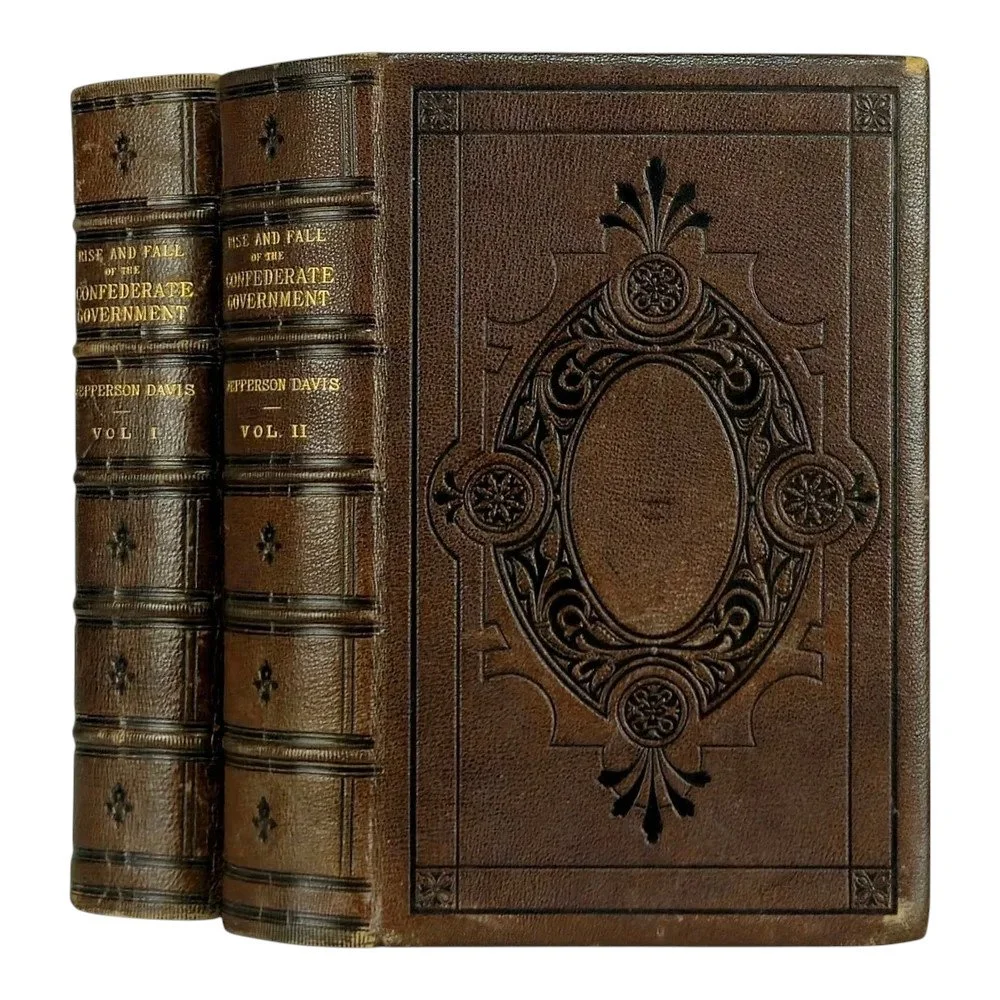 Image 1 of 22
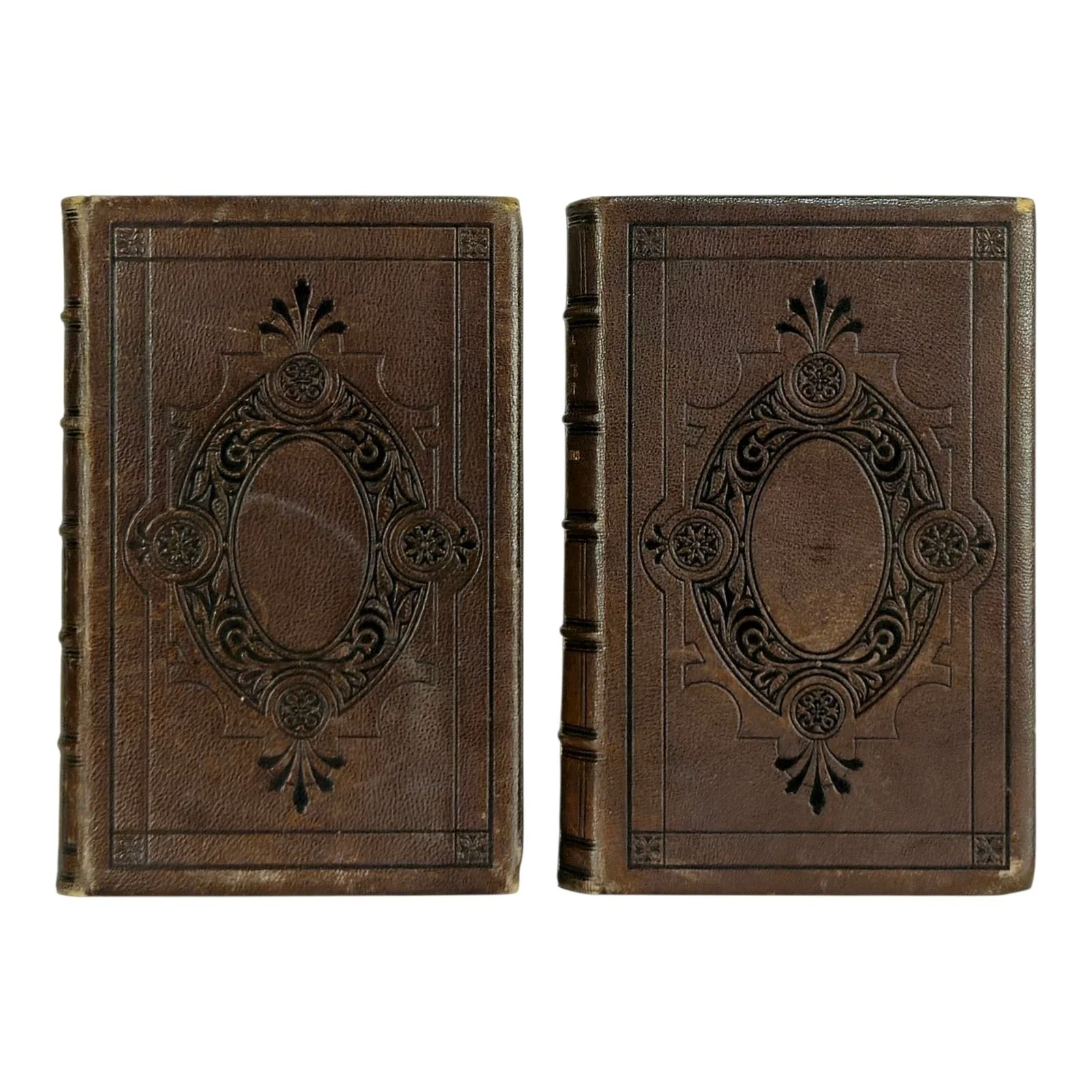 Image 2 of 22
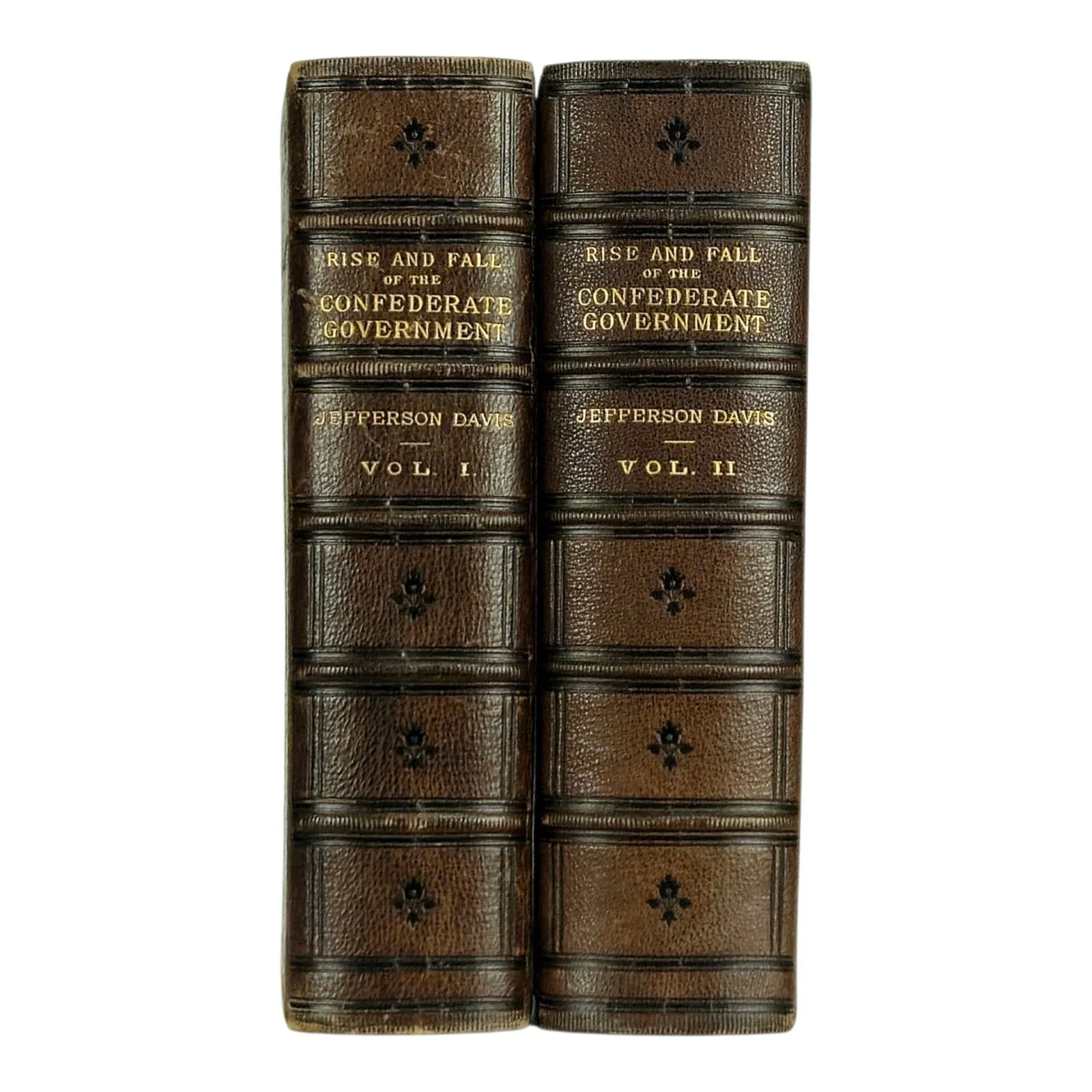 Image 3 of 22
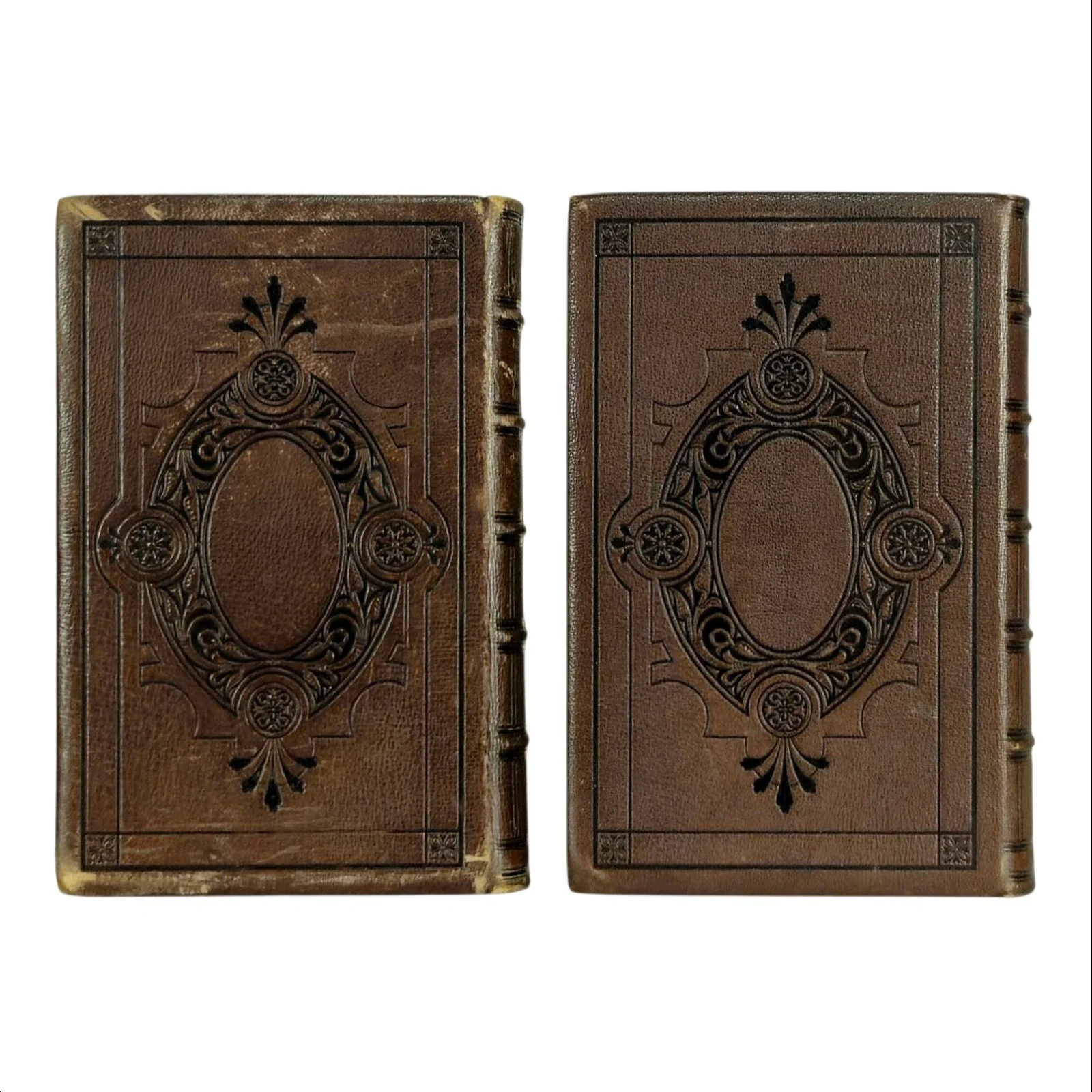 Image 4 of 22
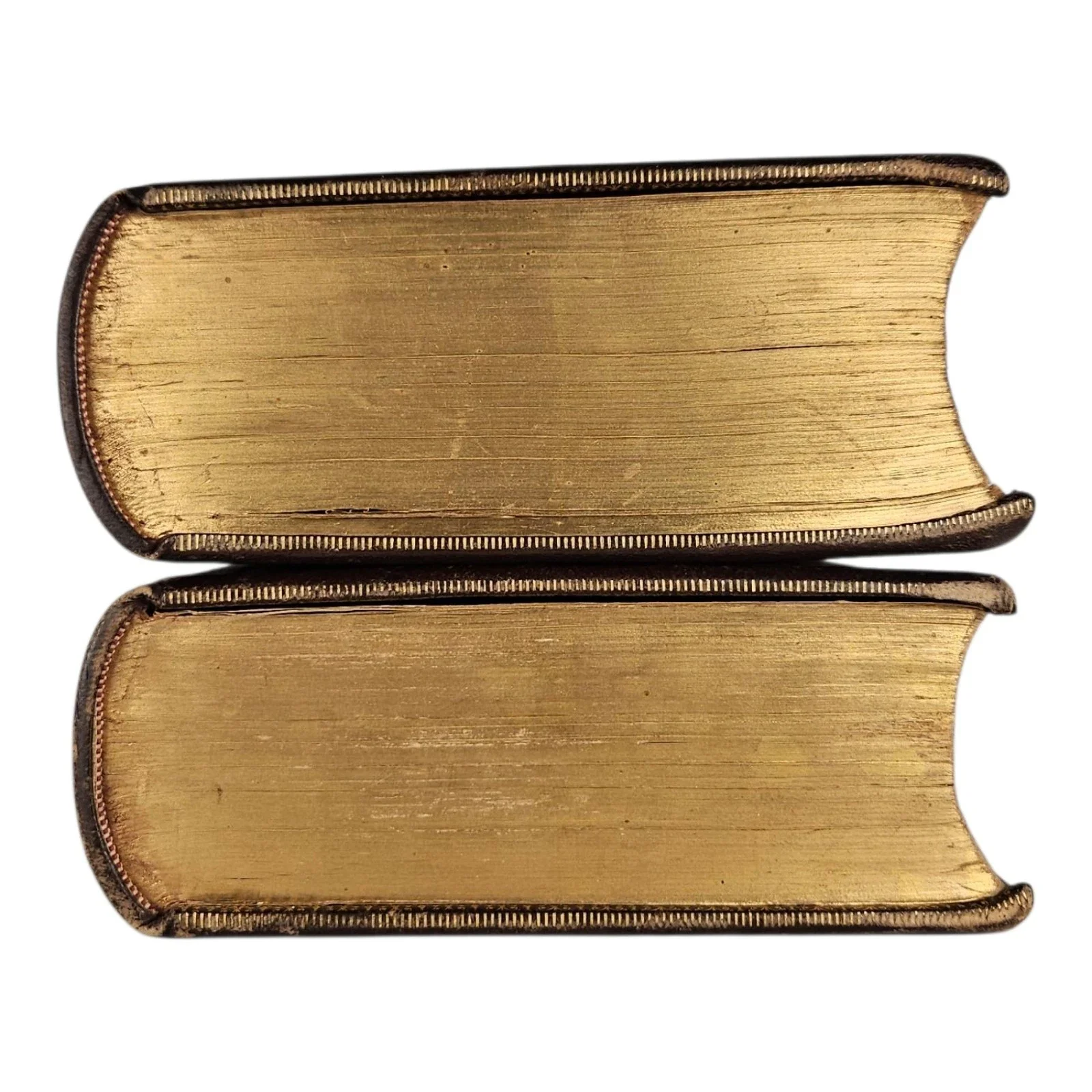 Image 5 of 22
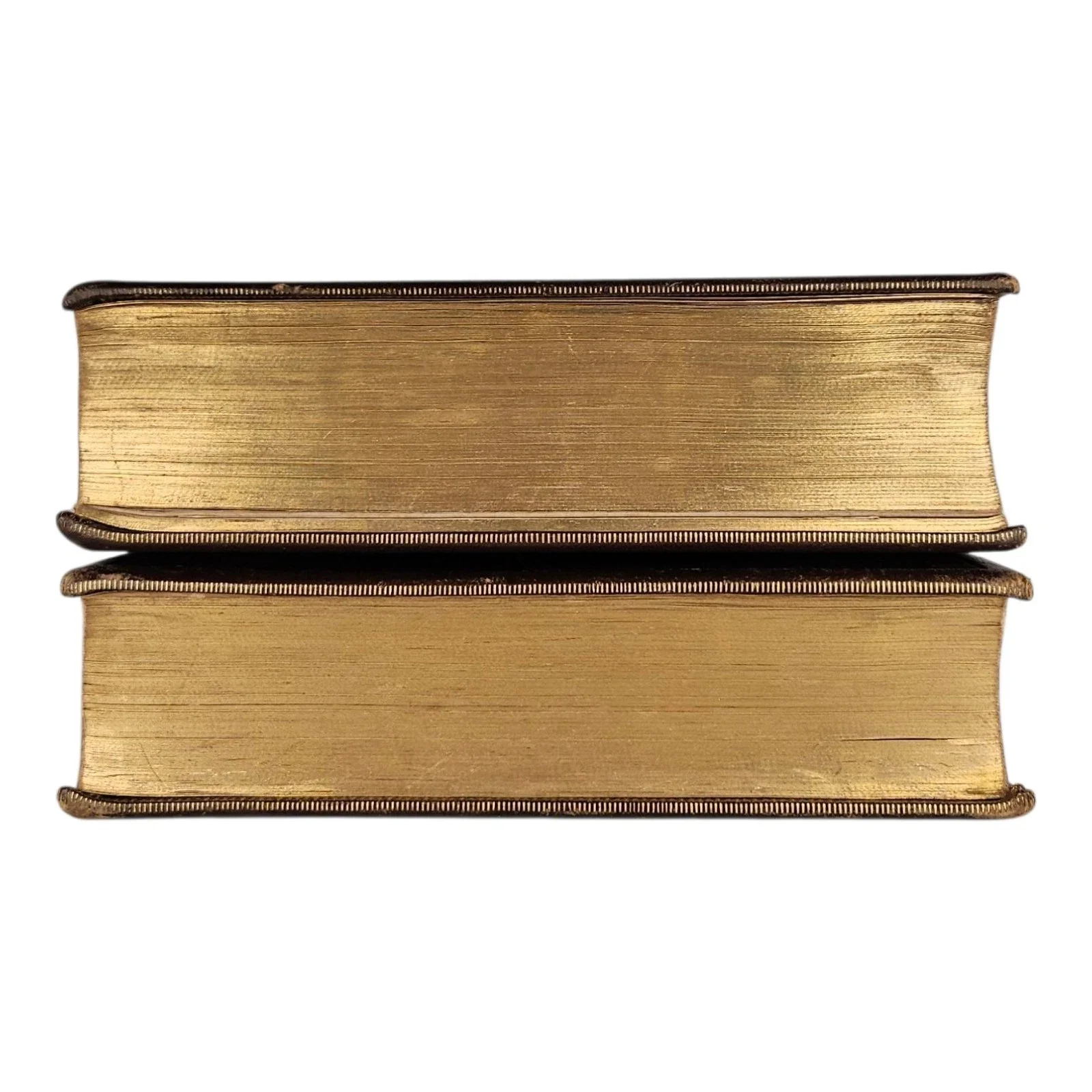 Image 6 of 22
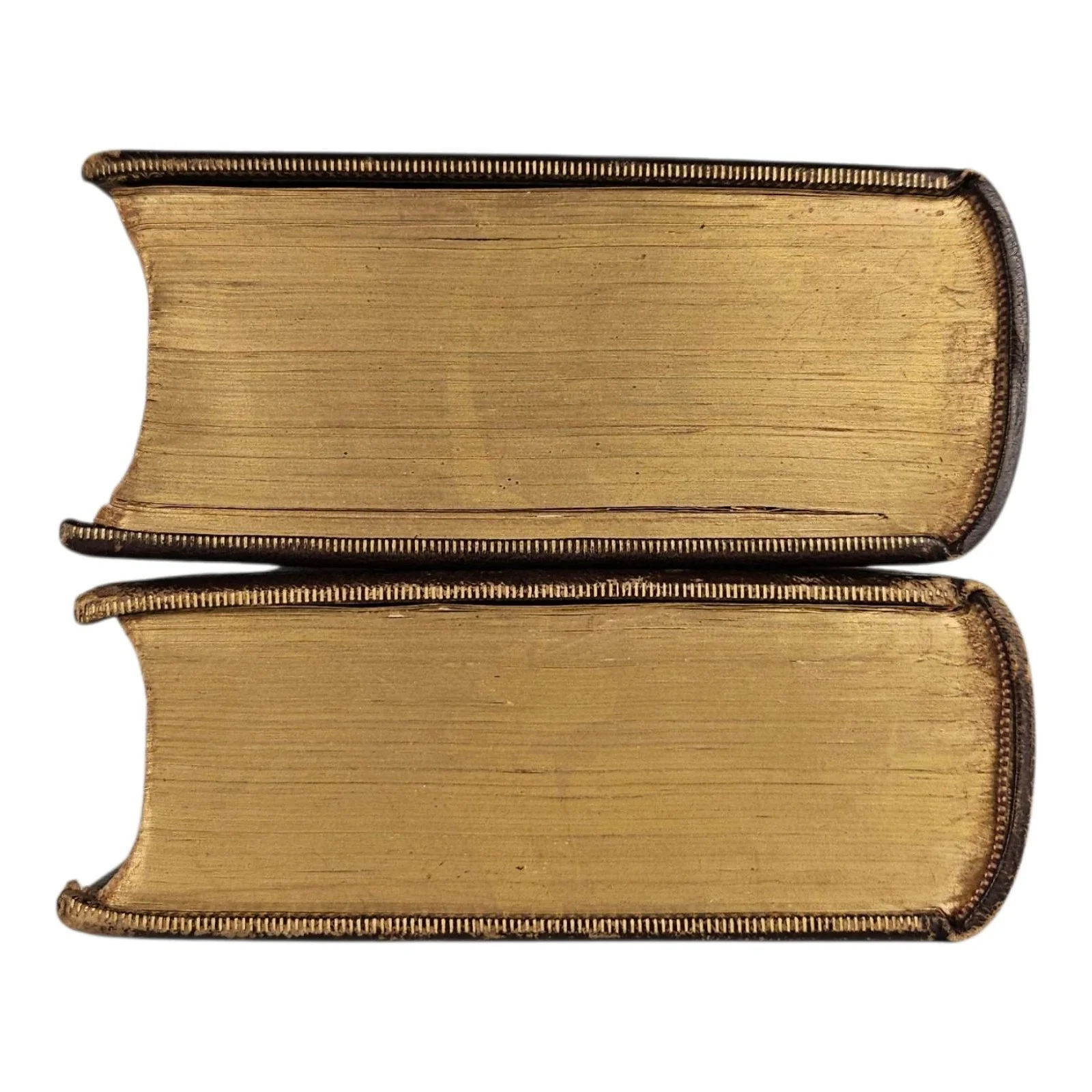 Image 7 of 22
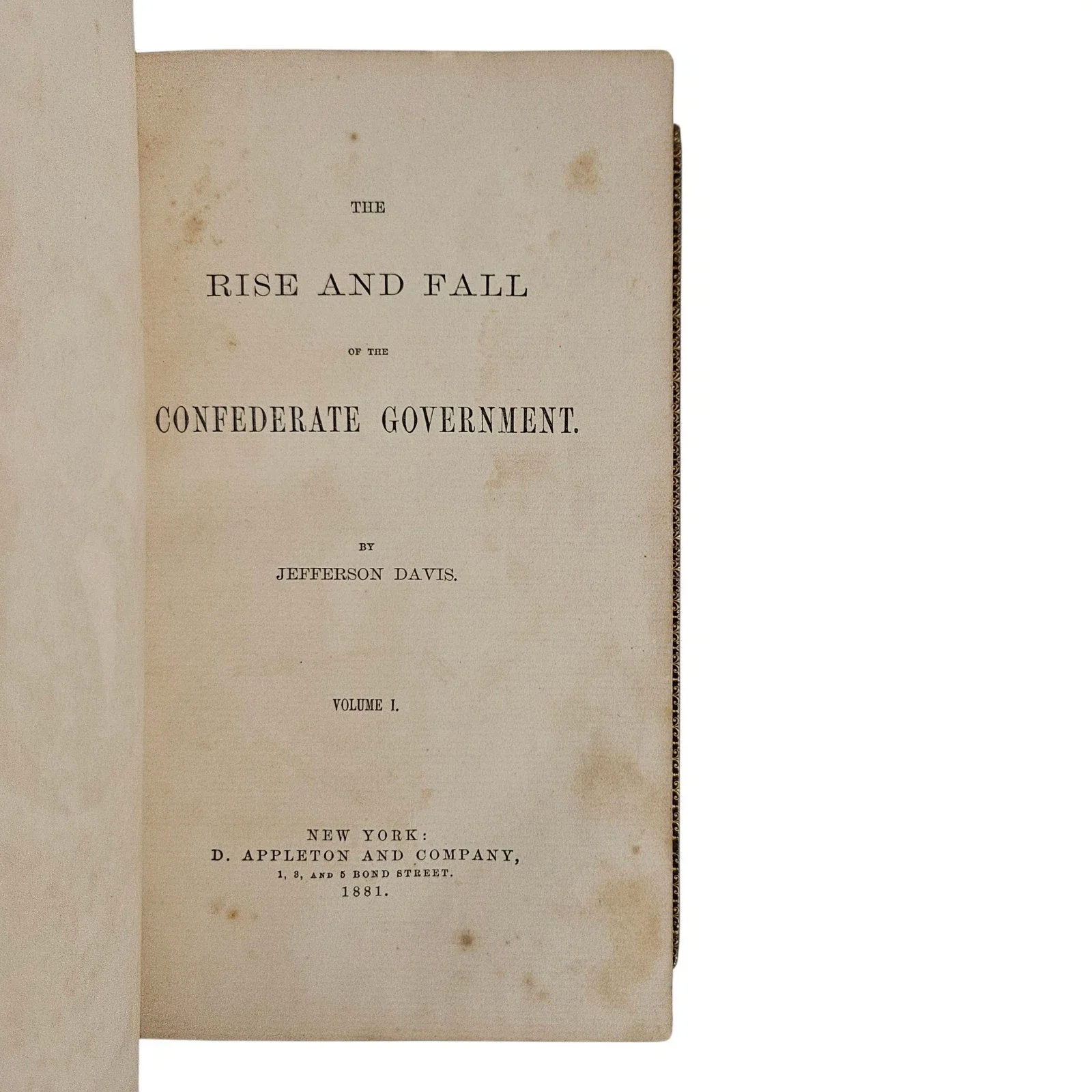 Image 8 of 22
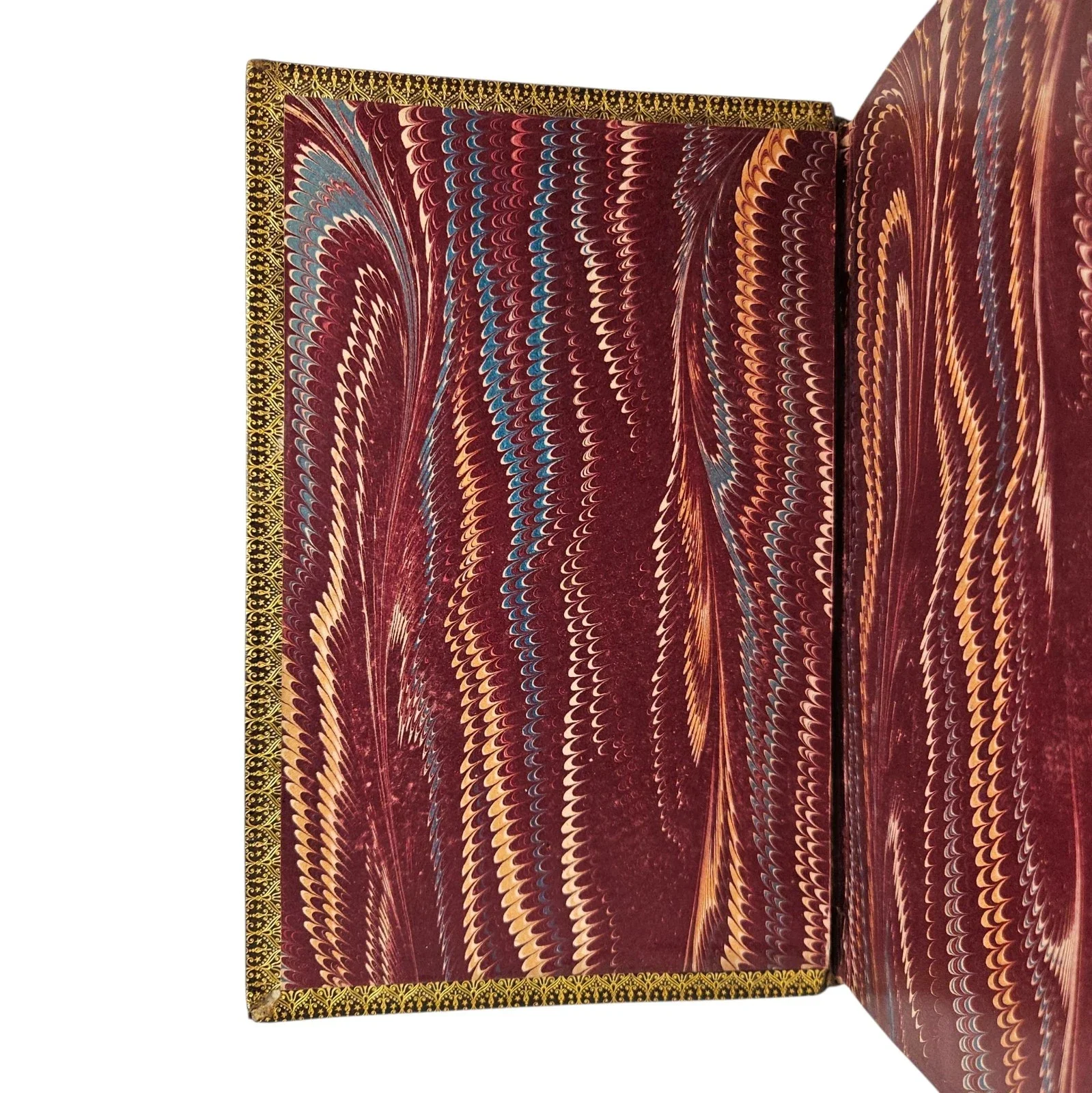 Image 9 of 22
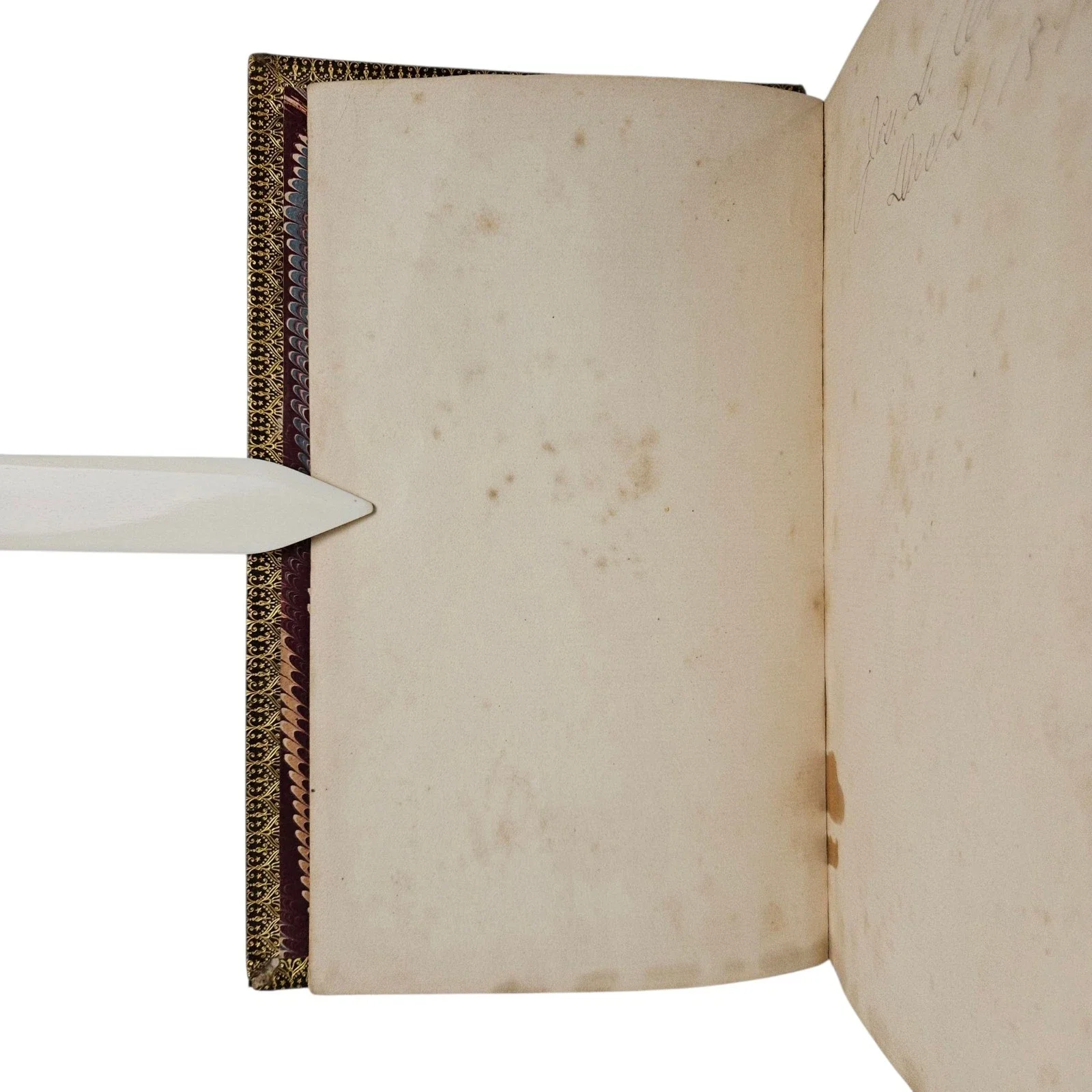 Image 10 of 22
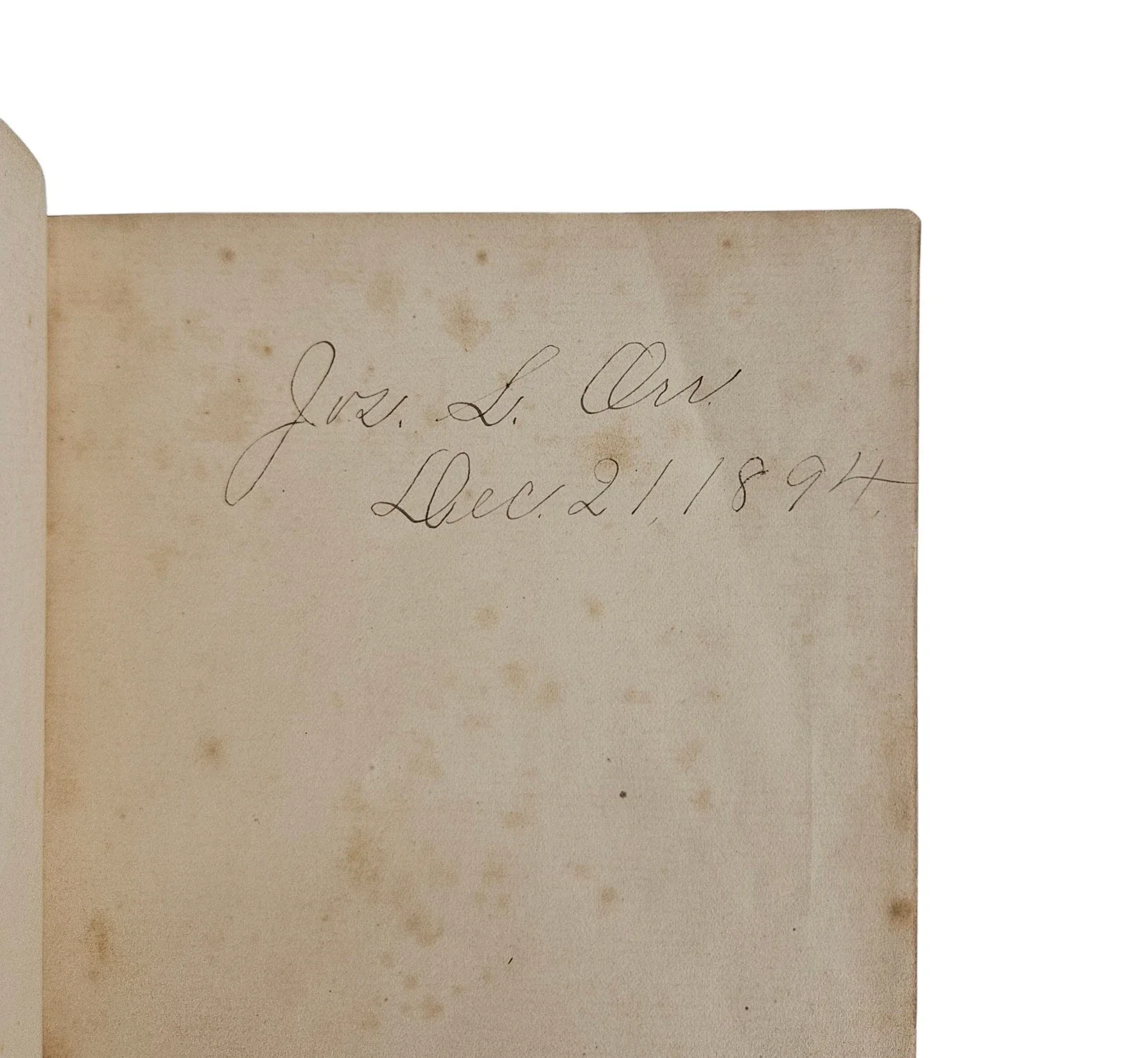 Image 11 of 22
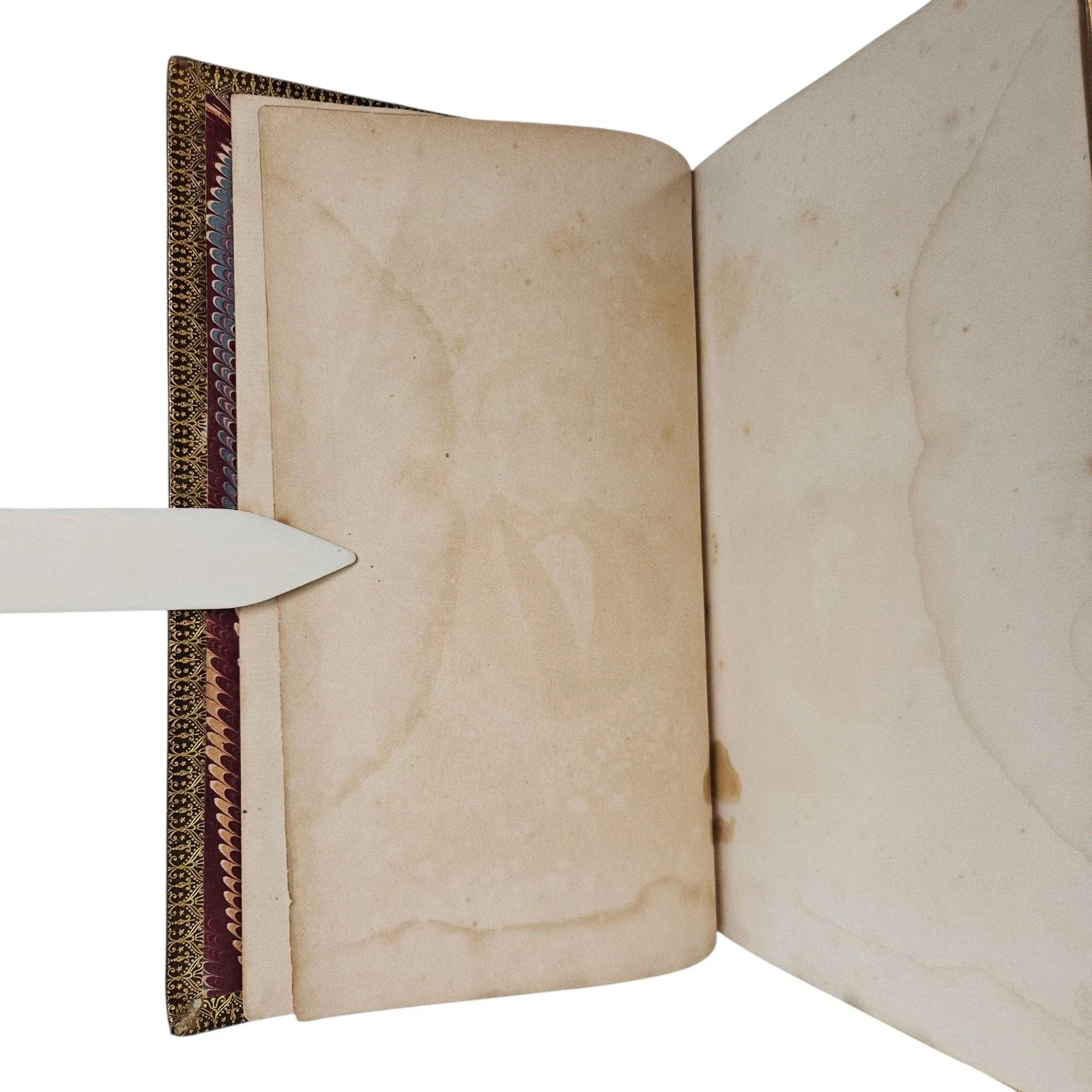 Image 12 of 22
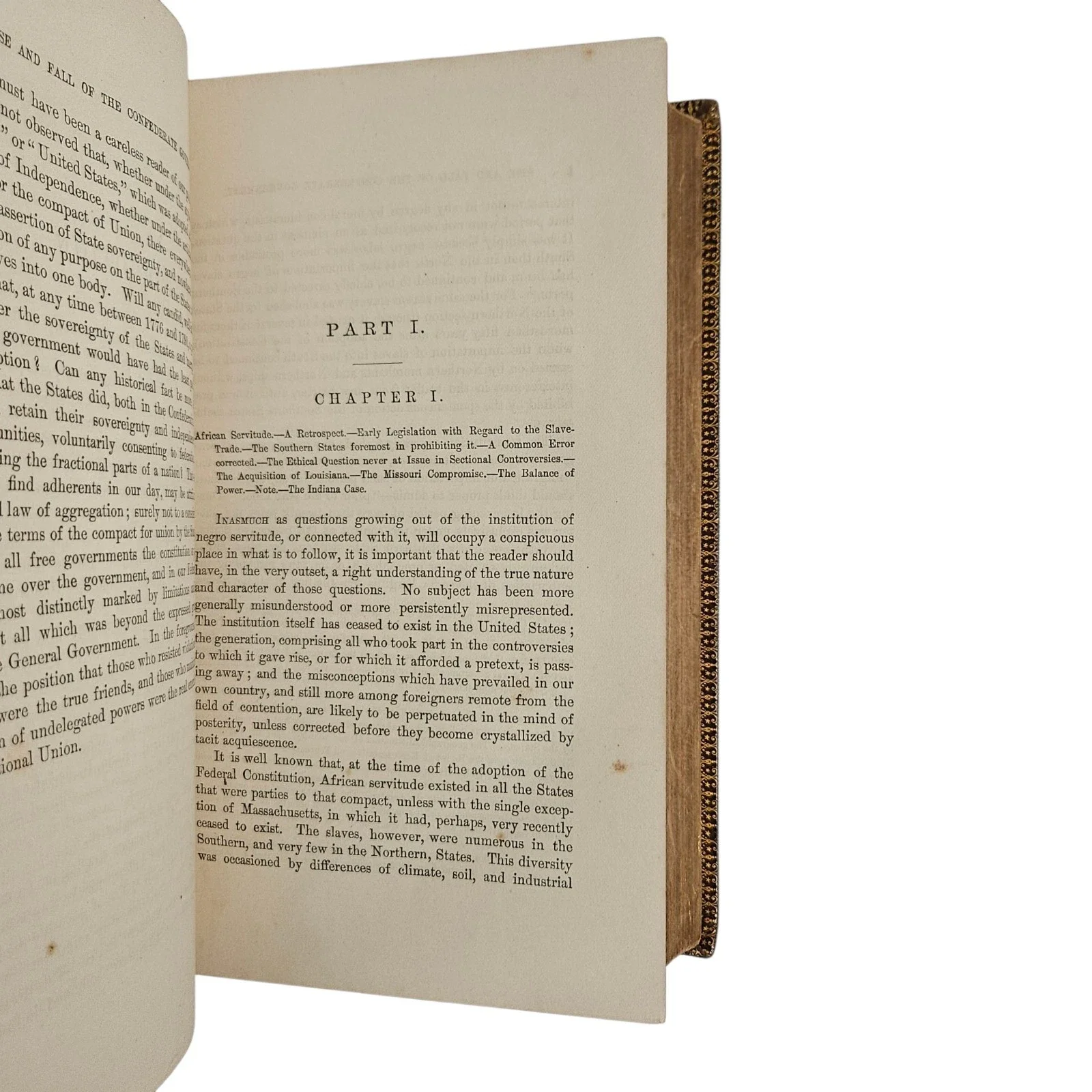 Image 13 of 22
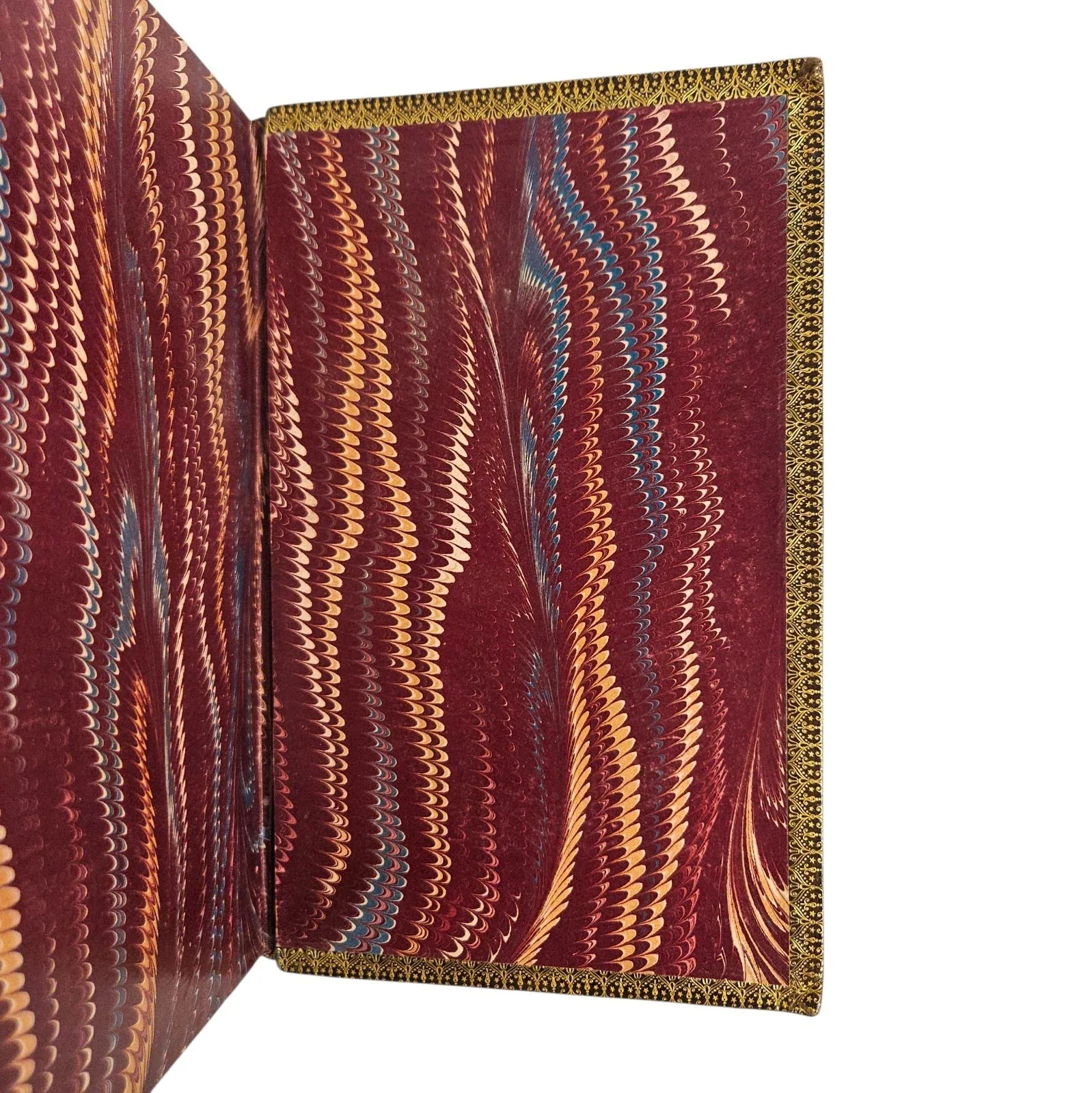 Image 14 of 22
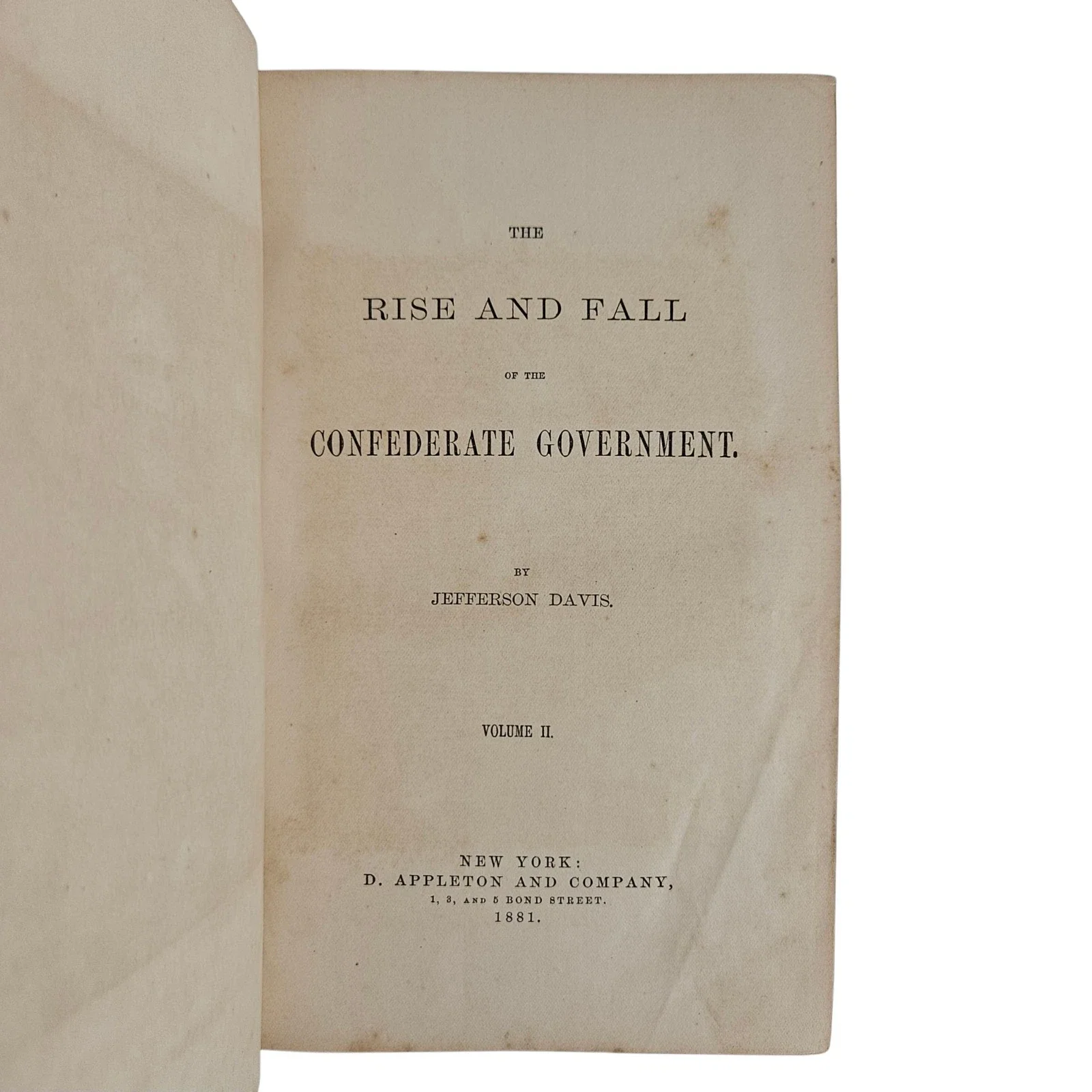 Image 15 of 22
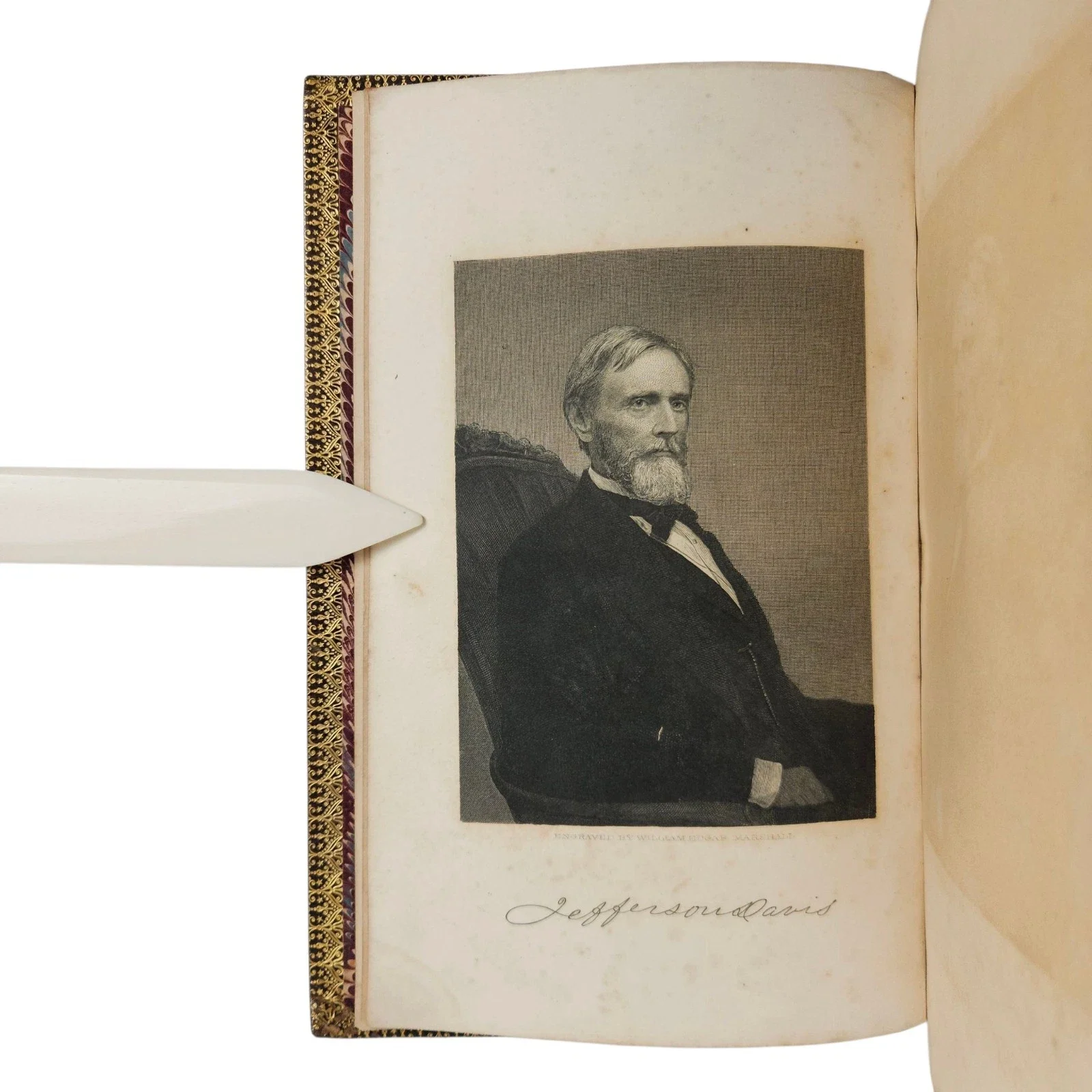 Image 16 of 22
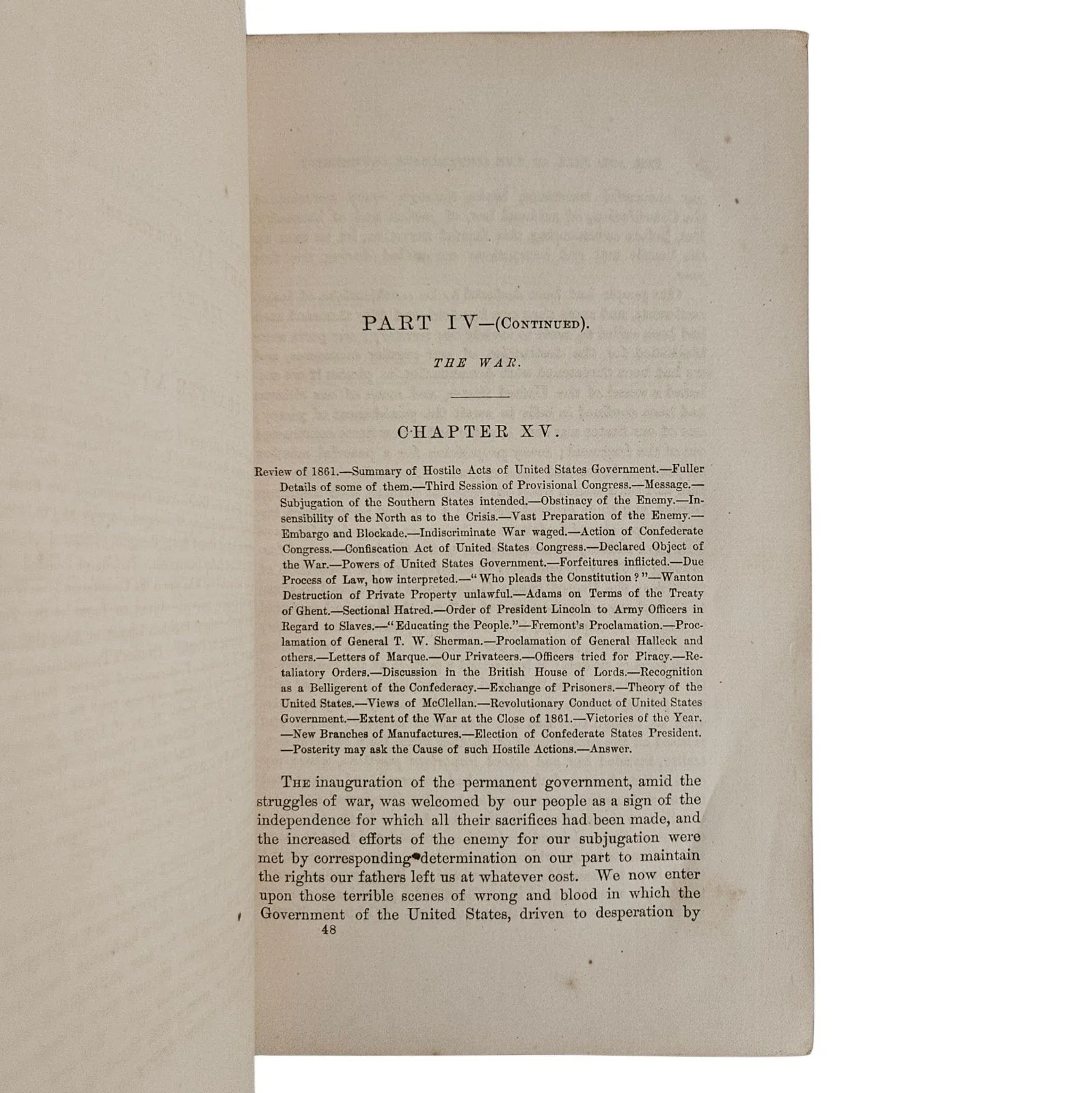 Image 17 of 22
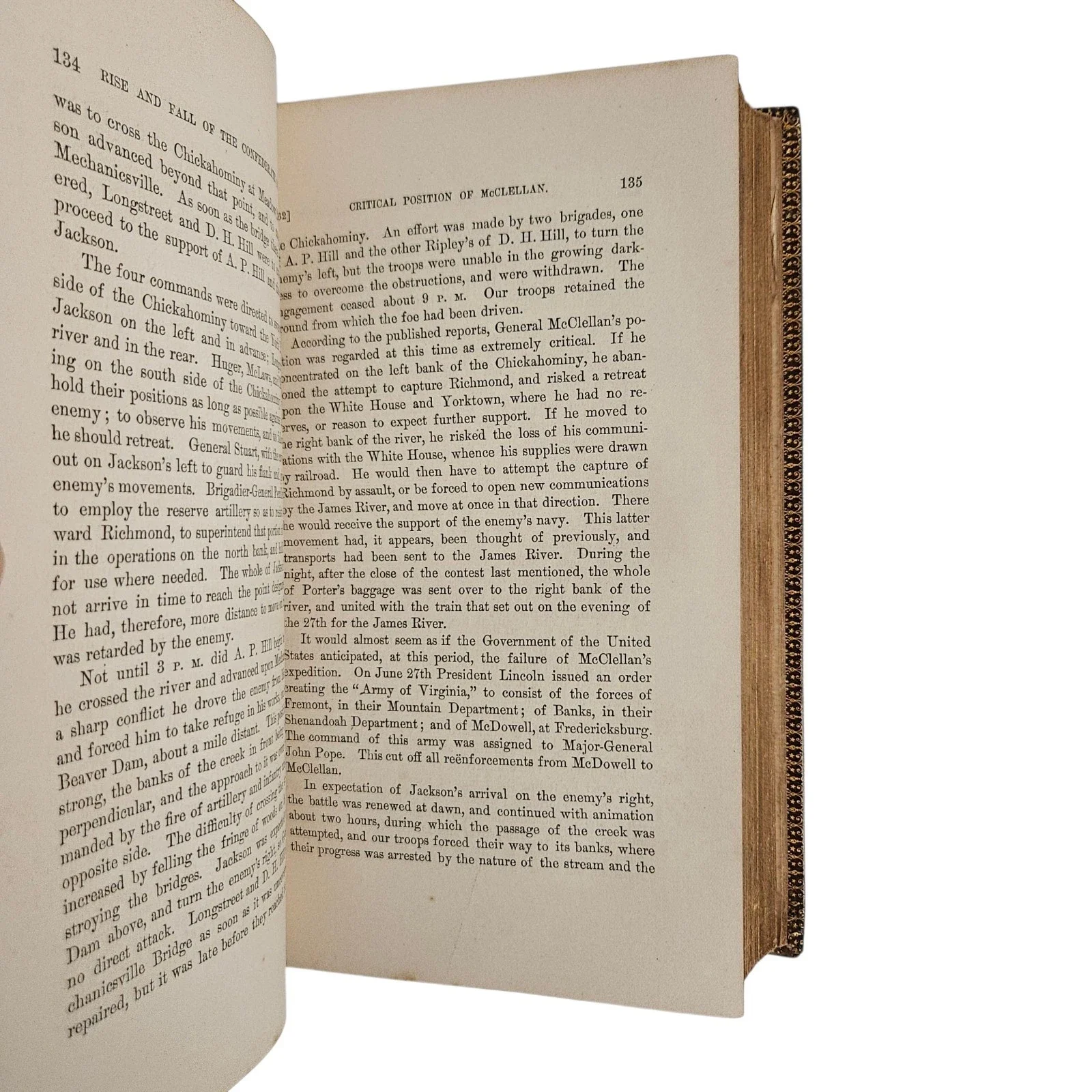 Image 18 of 22
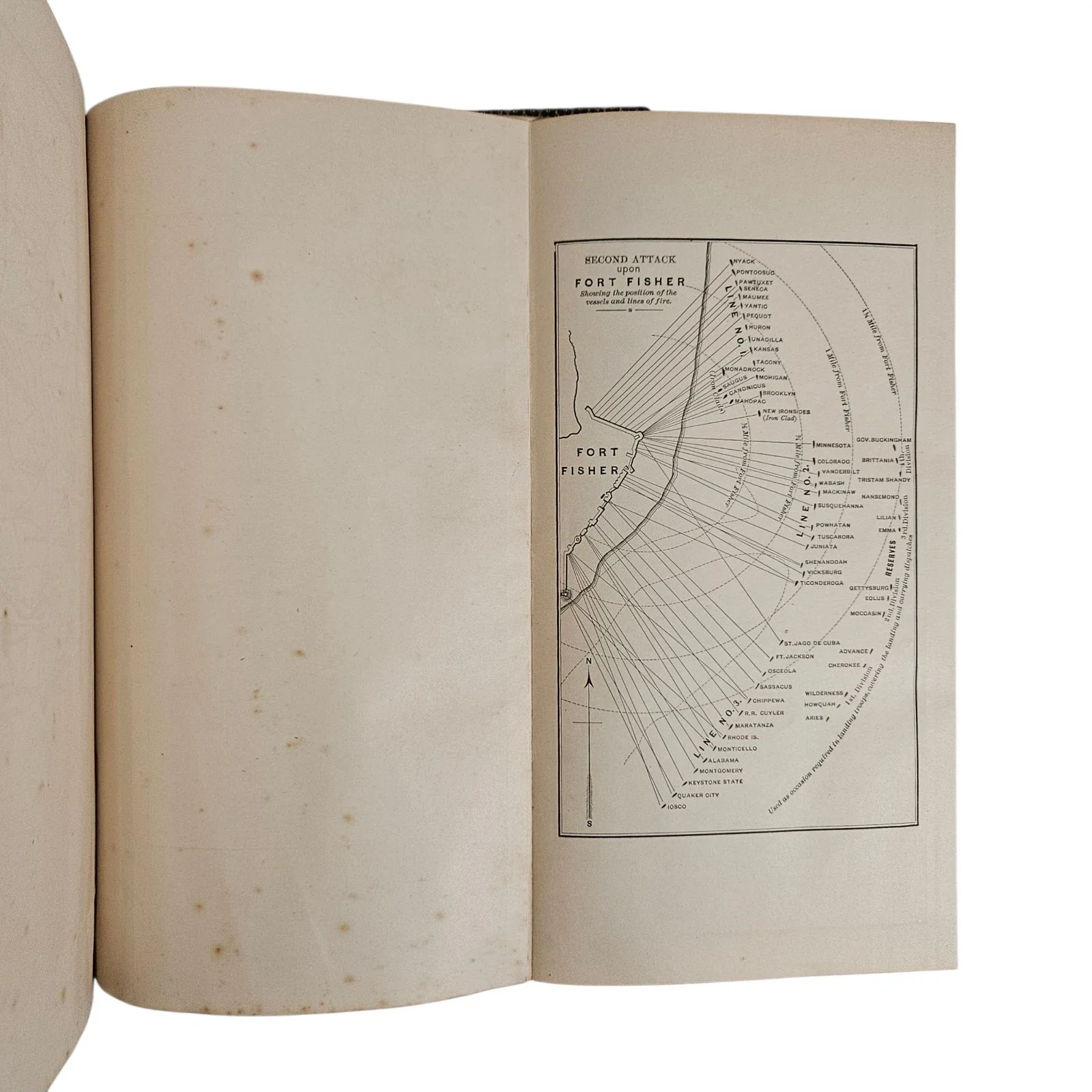 Image 19 of 22
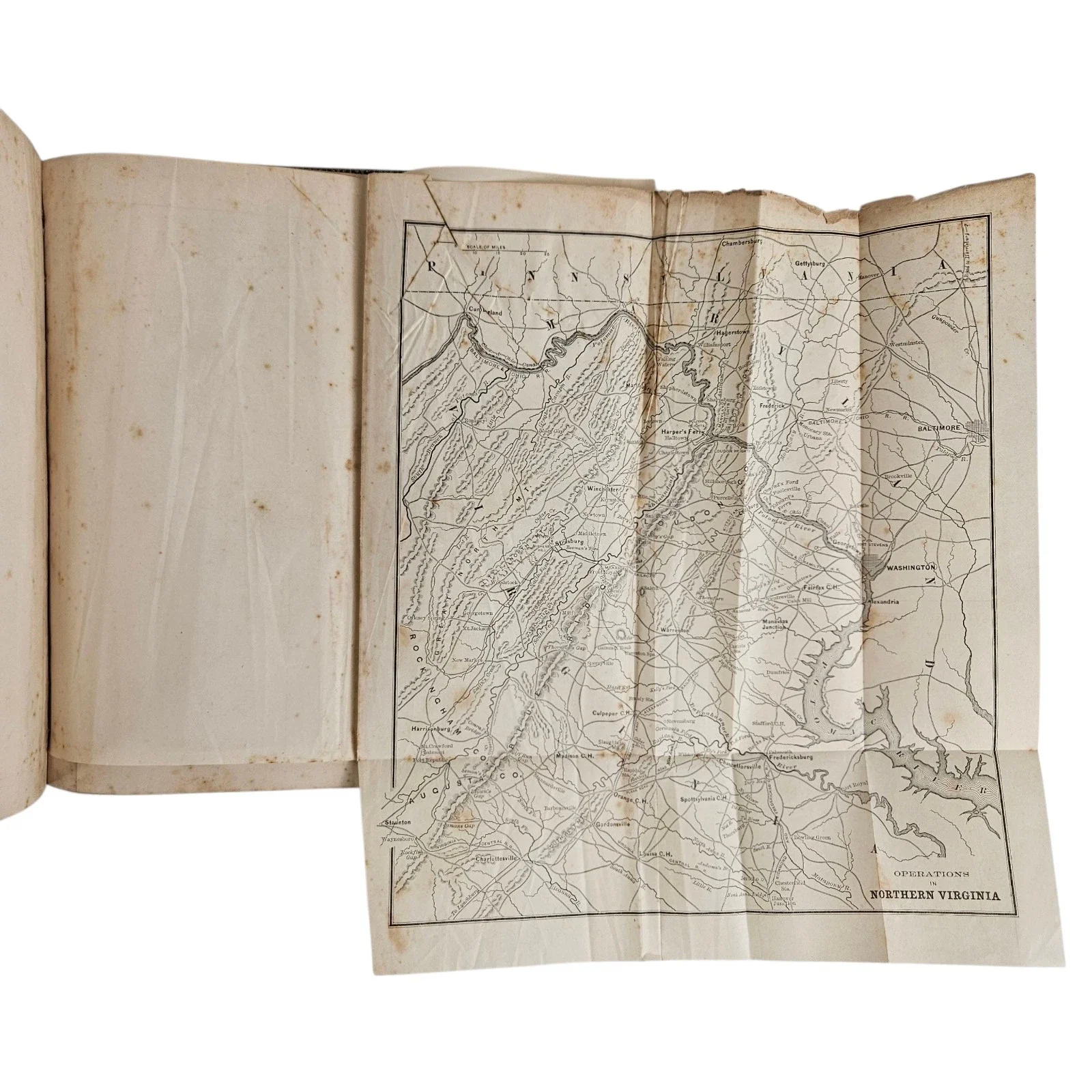 Image 20 of 22
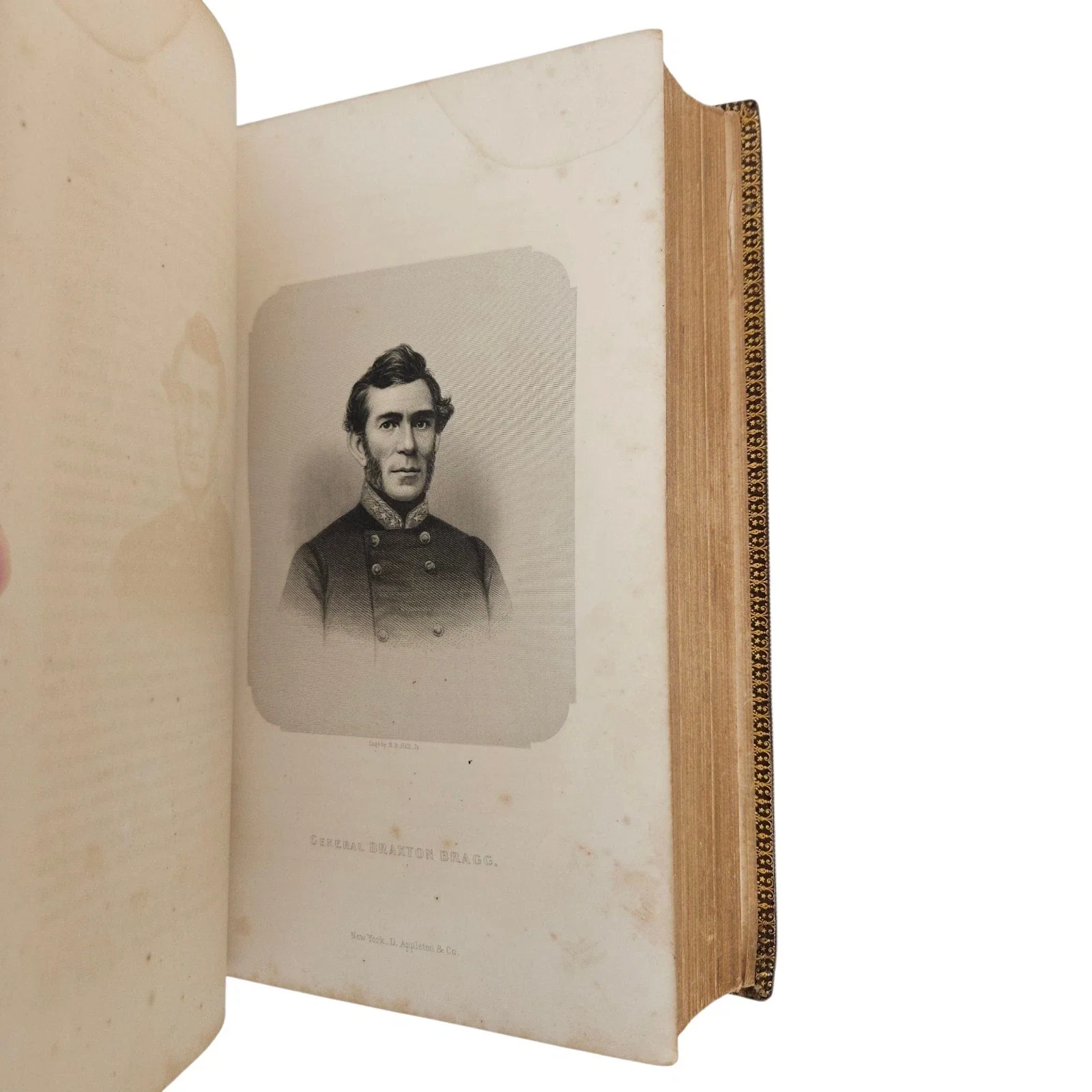 Image 21 of 22
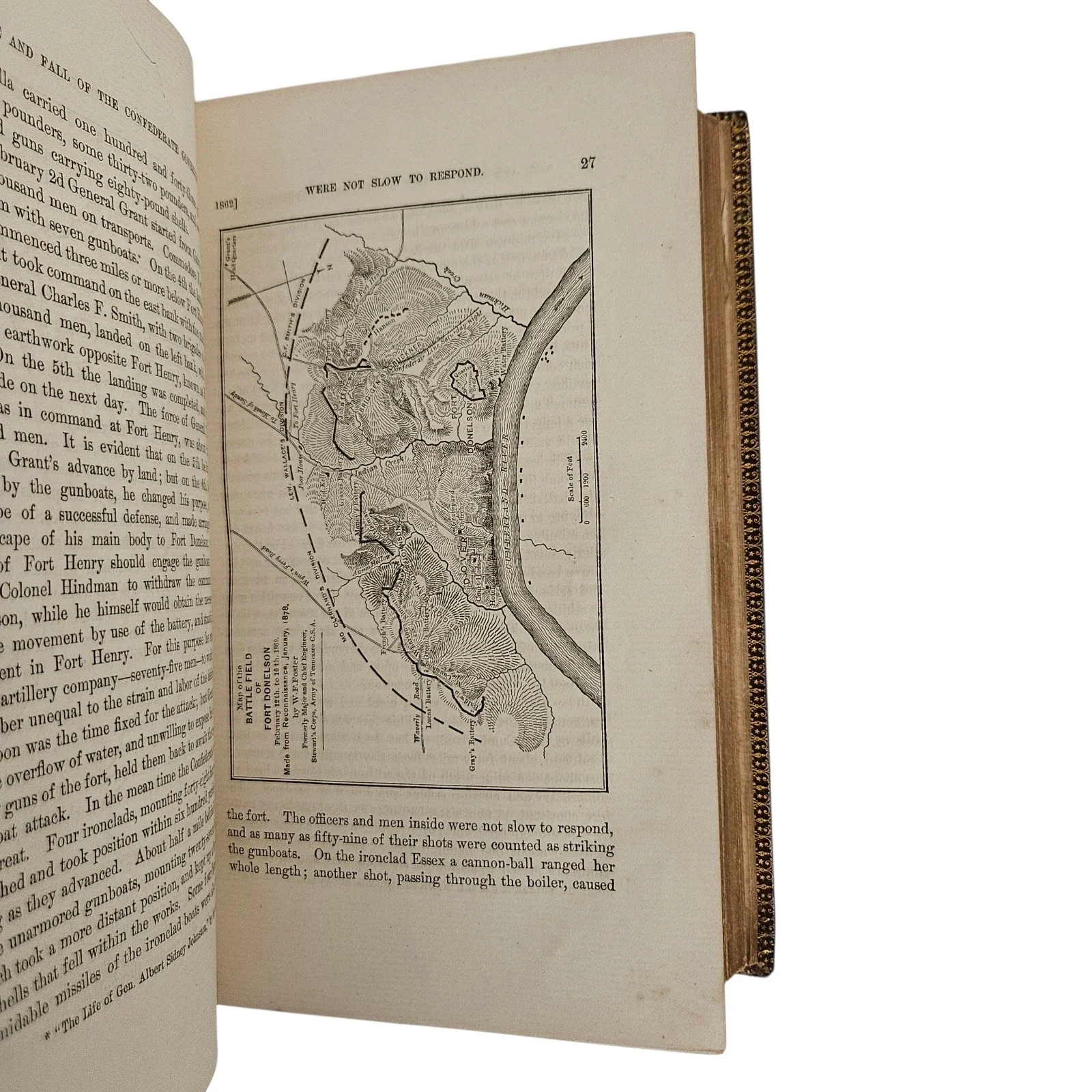 Image 22 of 22