First editions of Dickens’ Christmas books, all in the original cloth
Publisher and Year: London: Chapman & Hall (1843, 1844); Bradbury & Evans (1845, 1846, 1848)
Edition: All are first impressions of the first edition, with no edition statements (added in later impressions), but with mixed issues and states. (1) A Christmas Carol: first impression, with the title page printed in blue and red and dated 1843; all the textual errors remain present and uncorrected (all were corrected in the second impression); second issue of p. 1 (“Stave One”); first state of the binding (“D” in “Dickens” unbroken and the closest distance between the gilt wreath and the left blindstamped margin is 14-15 mm); period faint after the word “gloom” on p. 21 (found in a minority of first-impression copies); and with the pale yellow endpapers that were produced after the infamous green endpapers but probably the first to be bound up. (2) The Chimes: title page post-dated 1845 (but printed 1844) and second state of the title vignette (publisher imprint centered and at the foot). (3) The Cricket on the Hearth: title page post-dated 1846 (but printed 1845) and with the second state of the Oliver Twist advertisement leaf (“New Edition”). (4) The Battle of Life: title page dated 1846 and with the fourth state of the vignette title (Cupid with “A Love Story” banner and no publisher imprint underneath). (5) The Haunted Man: title page dated 1848 and with the first (and only) state of the vignette titles. (Smith II, 4-6, 8, 9)
Condition and Description: Five small octavo volumes (~6.5” x 4.4”); publisher’s cinnamon cloth (Vol. 1) and red cloth (Vols. 2-5) stamped in gilt and in blind; pale yellow endpapers; pp. 166, 175, 174, 175, 188. Complete, with no missing pages. All volumes show wear and staining to the cloth, handling marks to the gilt edges, scattered mild foxing, and occasional minor stains to the pages. Additional notes for each volume are below.
A Christmas Carol. Hand-colored frontispiece and three additional plates by Leech, and four monochrome in-text wood-engravings by Linton after Leech. A few small stains to the cloth. Hinges cracked but holding. Mild spine lean. Bookplate of Jonathan Hargreaves and a small bookseller ticket to the front pastedown. Bookseller notes in pencil to the verso of the front free endpaper, dating to the 1920s or 1930s. One inch separation to the margin of the “Marley’s Ghost” plate, not affecting the illustration or text. Crack to the gutter at p. 65.
The Chimes. Etched frontispiece and vignette by Daniel Maclise; additional plates and wood-engravings after Doyle, Leech, and Stanfield. Front hinge cracking but holding; rear hinge fully intact. Prior owner stamp to the half title, consisting of a name (“Robert Boss”) and an eagle.
The Cricket on the Hearth. Etched frontispiece and vignette by F. P. Becker after Maclise; in-text illustrations after Doyle, Leech, and others. Hinges firm. Gutter after half title just barely starting. Dampstain to bottom portion of the rear endpapers, not affecting the other pages. Contemporary ink inscription (“Mary Worship / 20th Dec 1845”) and a 1912 Dickens stamp to the front pastedown. A touch of foxing to the double frontispiece.
The Battle of Life. Etched frontispiece and vignette by Daniel Maclise; wood-engravings after Doyle, Leech, and Stanfield. Hinges firm. Small bookseller ticket to the front pastedown. Small stains to the terminal leaves.
The Haunted Man. Etched frontispiece and vignette by Martin & Corbould after Tenniel; in-text illustrations after Leech, Stanfield, Tenniel, and Stone. A few stains to the front board. Cut to the upper front edge. Rear board spotted. Small loss of cloth to the spine foot and rear joint. Hinges cracking but holding. Small bookseller ticket to the front pastedown. Contemporary ink inscription to the front free endpaper (“Mary Anne Osborne / the / gift of W Watkins”). Over-opening in gatherings F1-H1.
Housed in a cloth folding case by Riviere and Sons (stamped on the interior). The case is darkened, worn, and stained, but intact and functional. A few penciled bookseller notes are present on one of the inside compartments.
These five books appear to have been together as a set since the 1920s or 1930s. An old catalog description that once accompanied this set very closely matched the writing style of a 1930s catalog by the famous bookseller Maurice Inman, but that page was unfortunately lost just before the set came to us. The fifth volume of this set has a small pencil note dated 3/3/1928, suggesting that the firm sold the set that year. The pencil notes in the folding case and in A Christmas Carol match the contents of that old catalog description, including the lot number (729). Although that catalog description is now lost, we still have the text, which has been newly printed and laid in with the set.
“I will honour Christmas in my heart, and try to keep it all the year.” — A Christmas Carol, Stave IV
In 1843, desperate for income and determined to make a moral statement, Charles Dickens wrote A Christmas Carol in six weeks and paid for its production himself. He rejected cheap formats, insisting on gilt-edged pages, hand-colored illustrations, and cloth boards stamped in gilt. Although the first impression sold out within days, high production costs and disputes over profits left him with little return. Each of the Christmas books that followed carried the same intent: to unite moral purpose with visual warmth and seasonal charm.
Inventory ID: 470 - 762 - 596
First editions of Dickens’ Christmas books, all in the original cloth
Publisher and Year: London: Chapman & Hall (1843, 1844); Bradbury & Evans (1845, 1846, 1848)
Edition: All are first impressions of the first edition, with no edition statements (added in later impressions), but with mixed issues and states. (1) A Christmas Carol: first impression, with the title page printed in blue and red and dated 1843; all the textual errors remain present and uncorrected (all were corrected in the second impression); second issue of p. 1 (“Stave One”); first state of the binding (“D” in “Dickens” unbroken and the closest distance between the gilt wreath and the left blindstamped margin is 14-15 mm); period faint after the word “gloom” on p. 21 (found in a minority of first-impression copies); and with the pale yellow endpapers that were produced after the infamous green endpapers but probably the first to be bound up. (2) The Chimes: title page post-dated 1845 (but printed 1844) and second state of the title vignette (publisher imprint centered and at the foot). (3) The Cricket on the Hearth: title page post-dated 1846 (but printed 1845) and with the second state of the Oliver Twist advertisement leaf (“New Edition”). (4) The Battle of Life: title page dated 1846 and with the fourth state of the vignette title (Cupid with “A Love Story” banner and no publisher imprint underneath). (5) The Haunted Man: title page dated 1848 and with the first (and only) state of the vignette titles. (Smith II, 4-6, 8, 9)
Condition and Description: Five small octavo volumes (~6.5” x 4.4”); publisher’s cinnamon cloth (Vol. 1) and red cloth (Vols. 2-5) stamped in gilt and in blind; pale yellow endpapers; pp. 166, 175, 174, 175, 188. Complete, with no missing pages. All volumes show wear and staining to the cloth, handling marks to the gilt edges, scattered mild foxing, and occasional minor stains to the pages. Additional notes for each volume are below.
A Christmas Carol. Hand-colored frontispiece and three additional plates by Leech, and four monochrome in-text wood-engravings by Linton after Leech. A few small stains to the cloth. Hinges cracked but holding. Mild spine lean. Bookplate of Jonathan Hargreaves and a small bookseller ticket to the front pastedown. Bookseller notes in pencil to the verso of the front free endpaper, dating to the 1920s or 1930s. One inch separation to the margin of the “Marley’s Ghost” plate, not affecting the illustration or text. Crack to the gutter at p. 65.
The Chimes. Etched frontispiece and vignette by Daniel Maclise; additional plates and wood-engravings after Doyle, Leech, and Stanfield. Front hinge cracking but holding; rear hinge fully intact. Prior owner stamp to the half title, consisting of a name (“Robert Boss”) and an eagle.
The Cricket on the Hearth. Etched frontispiece and vignette by F. P. Becker after Maclise; in-text illustrations after Doyle, Leech, and others. Hinges firm. Gutter after half title just barely starting. Dampstain to bottom portion of the rear endpapers, not affecting the other pages. Contemporary ink inscription (“Mary Worship / 20th Dec 1845”) and a 1912 Dickens stamp to the front pastedown. A touch of foxing to the double frontispiece.
The Battle of Life. Etched frontispiece and vignette by Daniel Maclise; wood-engravings after Doyle, Leech, and Stanfield. Hinges firm. Small bookseller ticket to the front pastedown. Small stains to the terminal leaves.
The Haunted Man. Etched frontispiece and vignette by Martin & Corbould after Tenniel; in-text illustrations after Leech, Stanfield, Tenniel, and Stone. A few stains to the front board. Cut to the upper front edge. Rear board spotted. Small loss of cloth to the spine foot and rear joint. Hinges cracking but holding. Small bookseller ticket to the front pastedown. Contemporary ink inscription to the front free endpaper (“Mary Anne Osborne / the / gift of W Watkins”). Over-opening in gatherings F1-H1.
Housed in a cloth folding case by Riviere and Sons (stamped on the interior). The case is darkened, worn, and stained, but intact and functional. A few penciled bookseller notes are present on one of the inside compartments.
These five books appear to have been together as a set since the 1920s or 1930s. An old catalog description that once accompanied this set very closely matched the writing style of a 1930s catalog by the famous bookseller Maurice Inman, but that page was unfortunately lost just before the set came to us. The fifth volume of this set has a small pencil note dated 3/3/1928, suggesting that the firm sold the set that year. The pencil notes in the folding case and in A Christmas Carol match the contents of that old catalog description, including the lot number (729). Although that catalog description is now lost, we still have the text, which has been newly printed and laid in with the set.
“I will honour Christmas in my heart, and try to keep it all the year.” — A Christmas Carol, Stave IV
In 1843, desperate for income and determined to make a moral statement, Charles Dickens wrote A Christmas Carol in six weeks and paid for its production himself. He rejected cheap formats, insisting on gilt-edged pages, hand-colored illustrations, and cloth boards stamped in gilt. Although the first impression sold out within days, high production costs and disputes over profits left him with little return. Each of the Christmas books that followed carried the same intent: to unite moral purpose with visual warmth and seasonal charm.
Inventory ID: 470 - 762 - 596

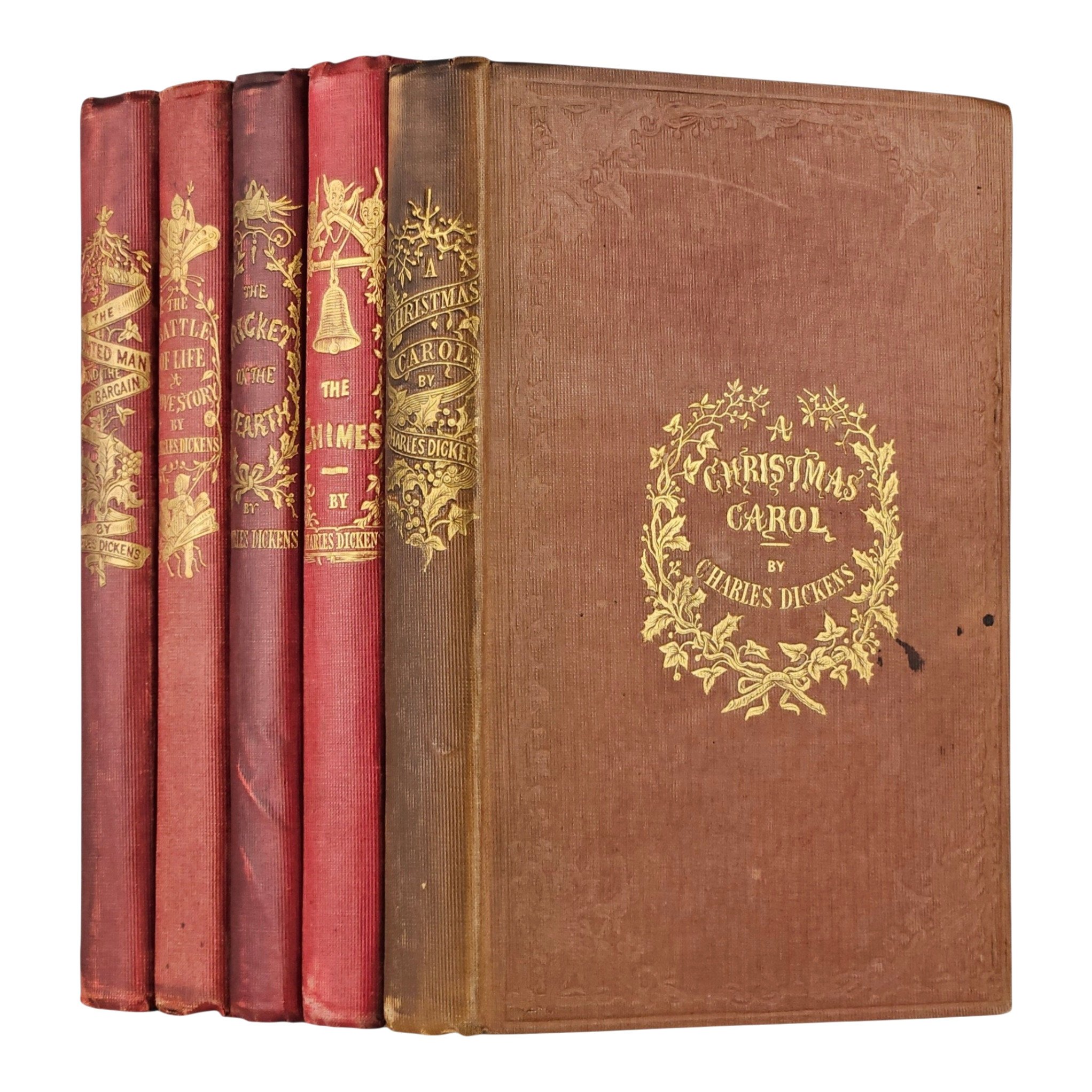 Image 1 of 24
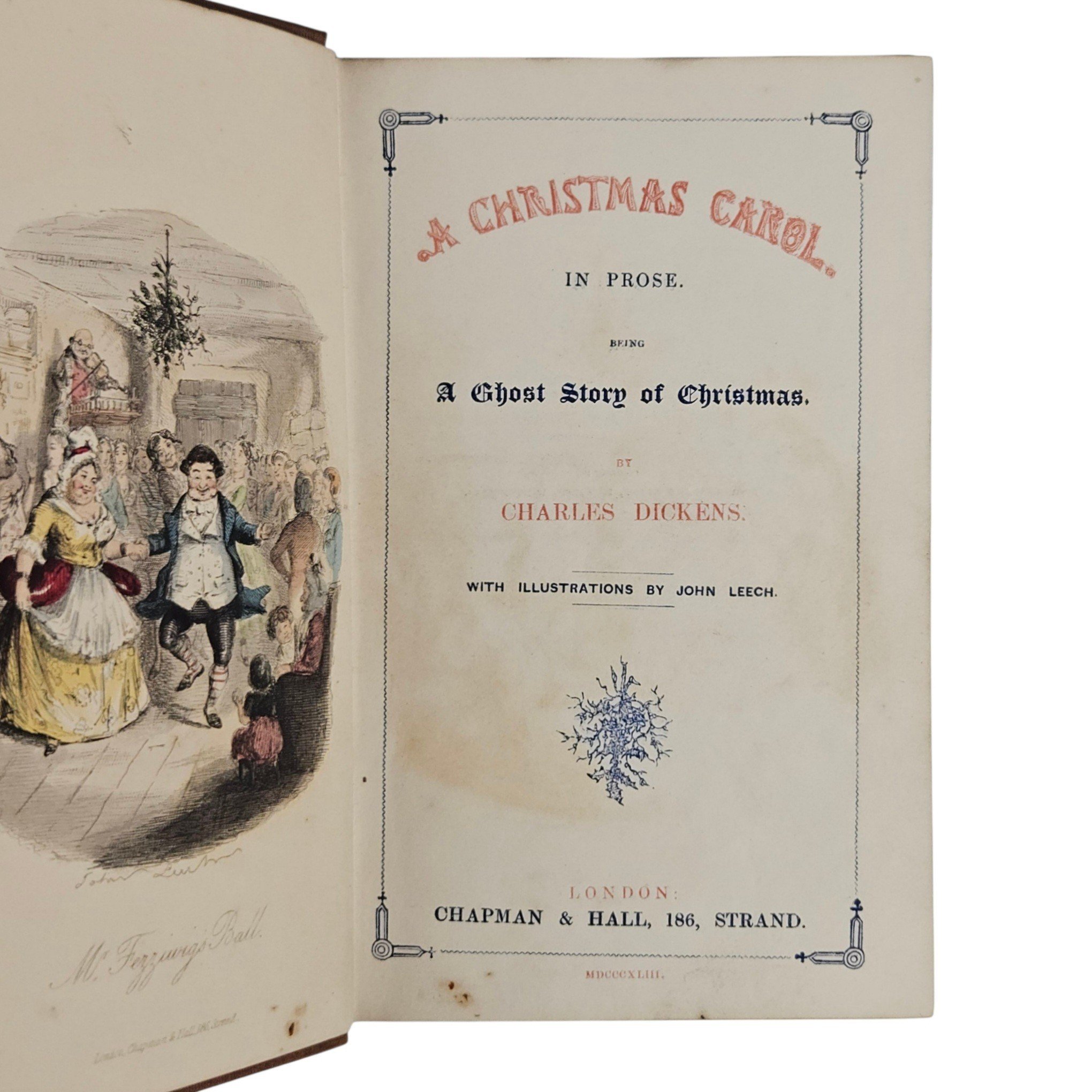 Image 2 of 24
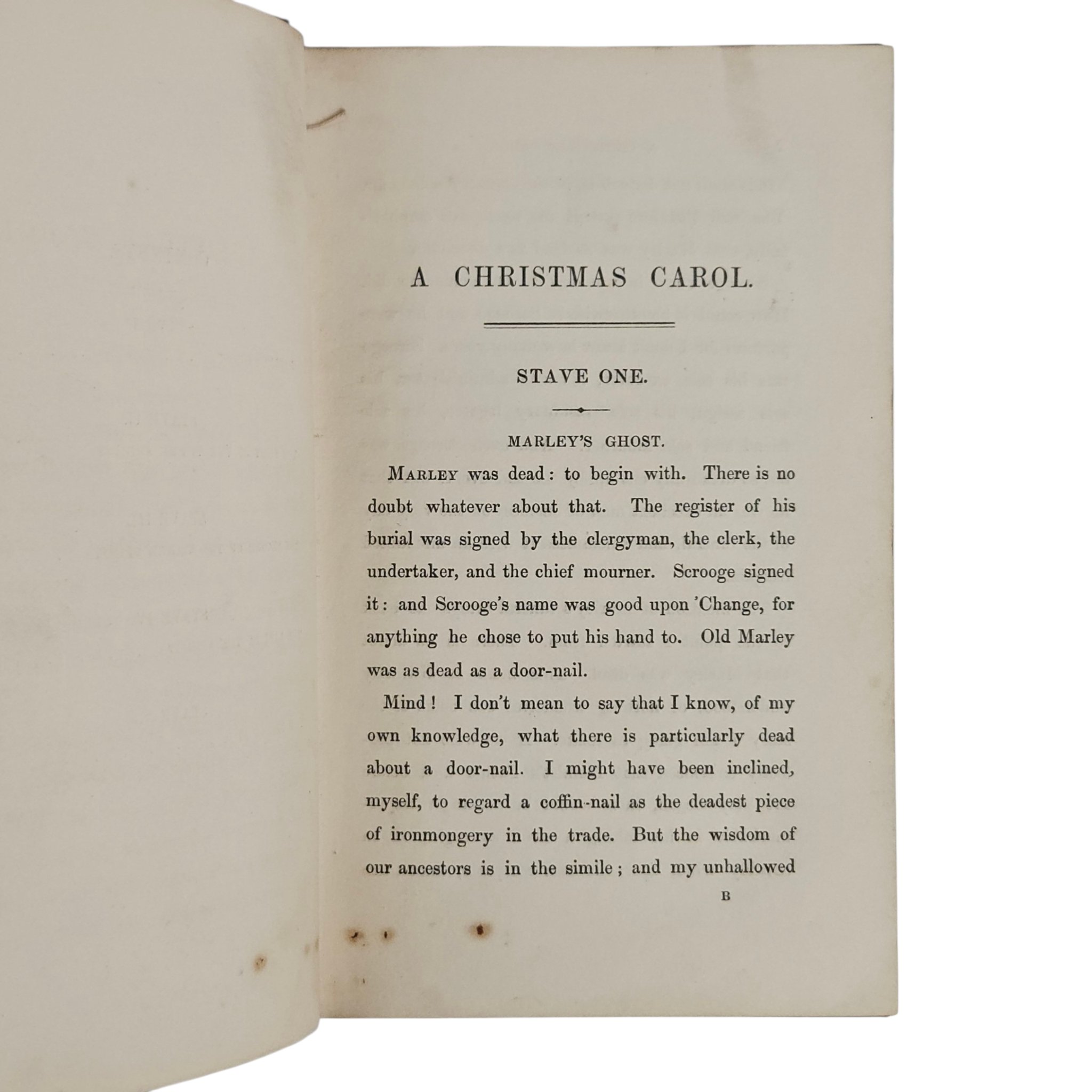 Image 3 of 24
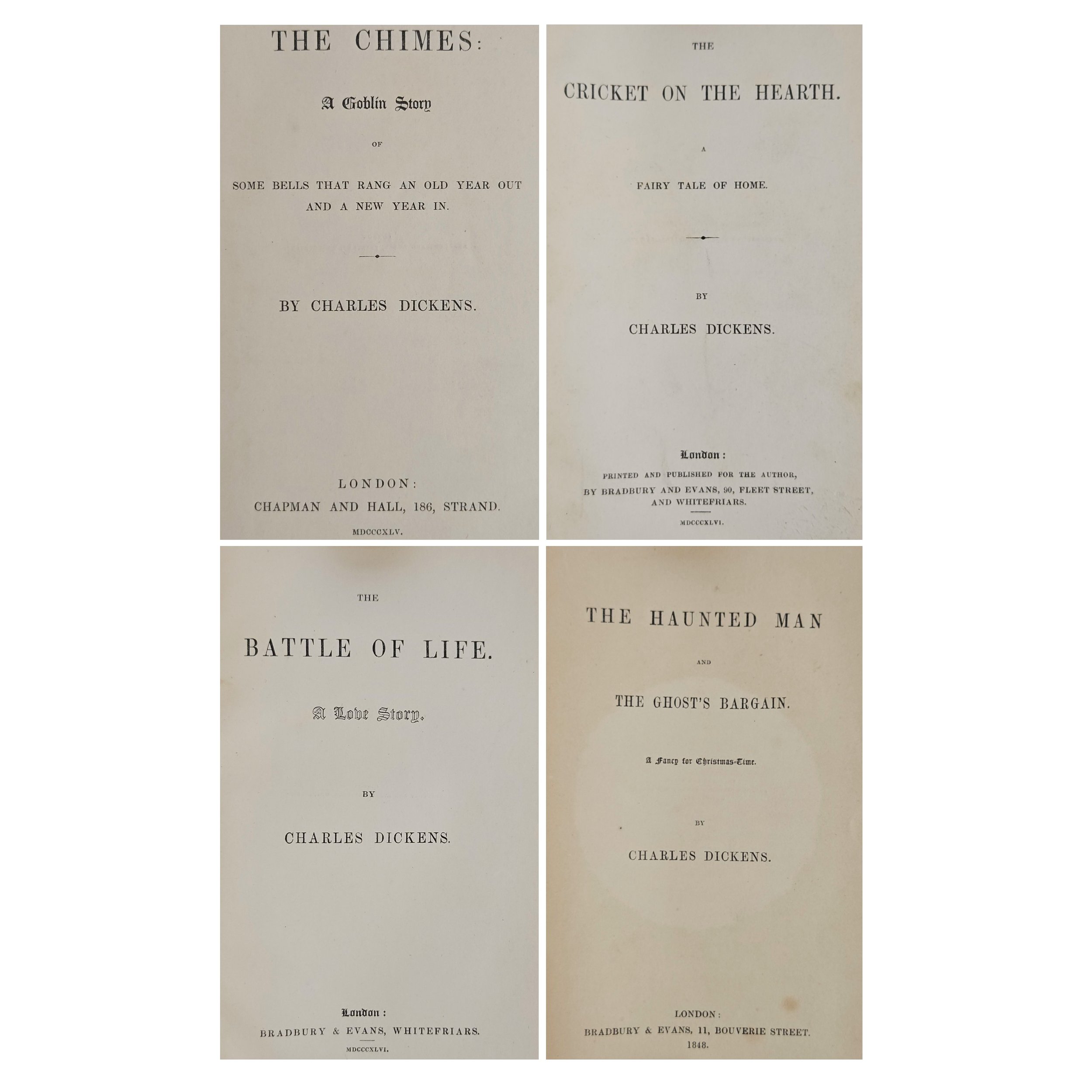 Image 4 of 24
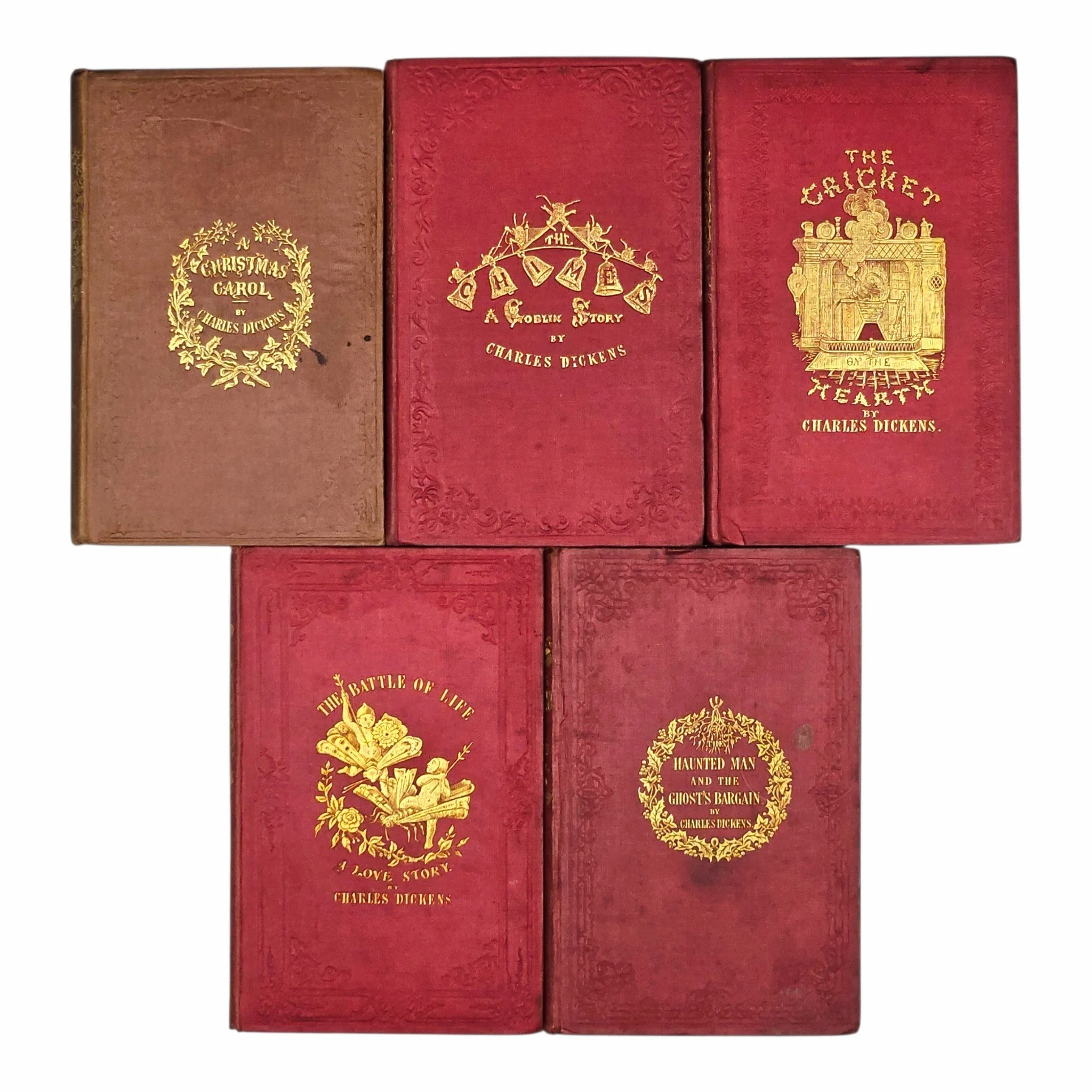 Image 5 of 24
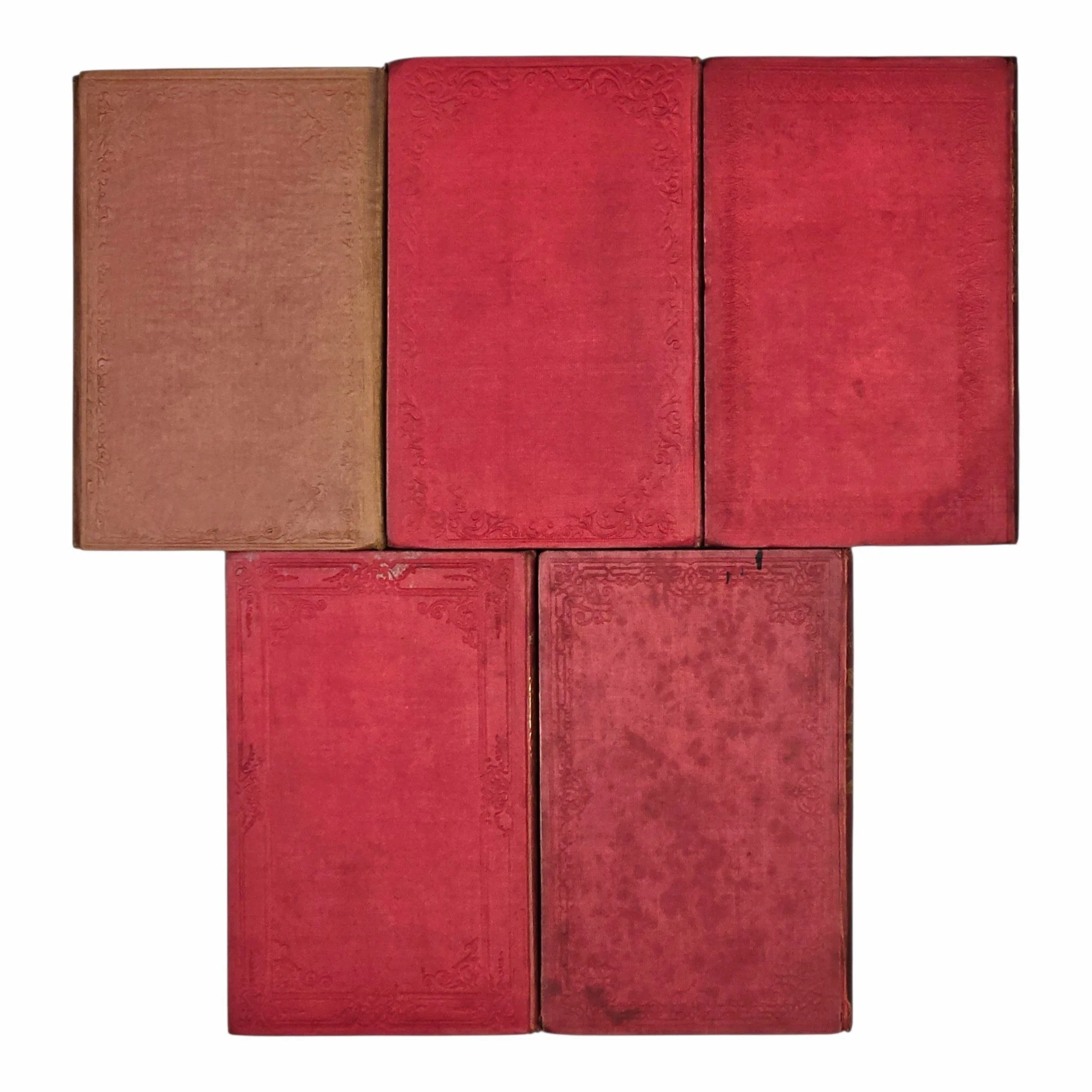 Image 6 of 24
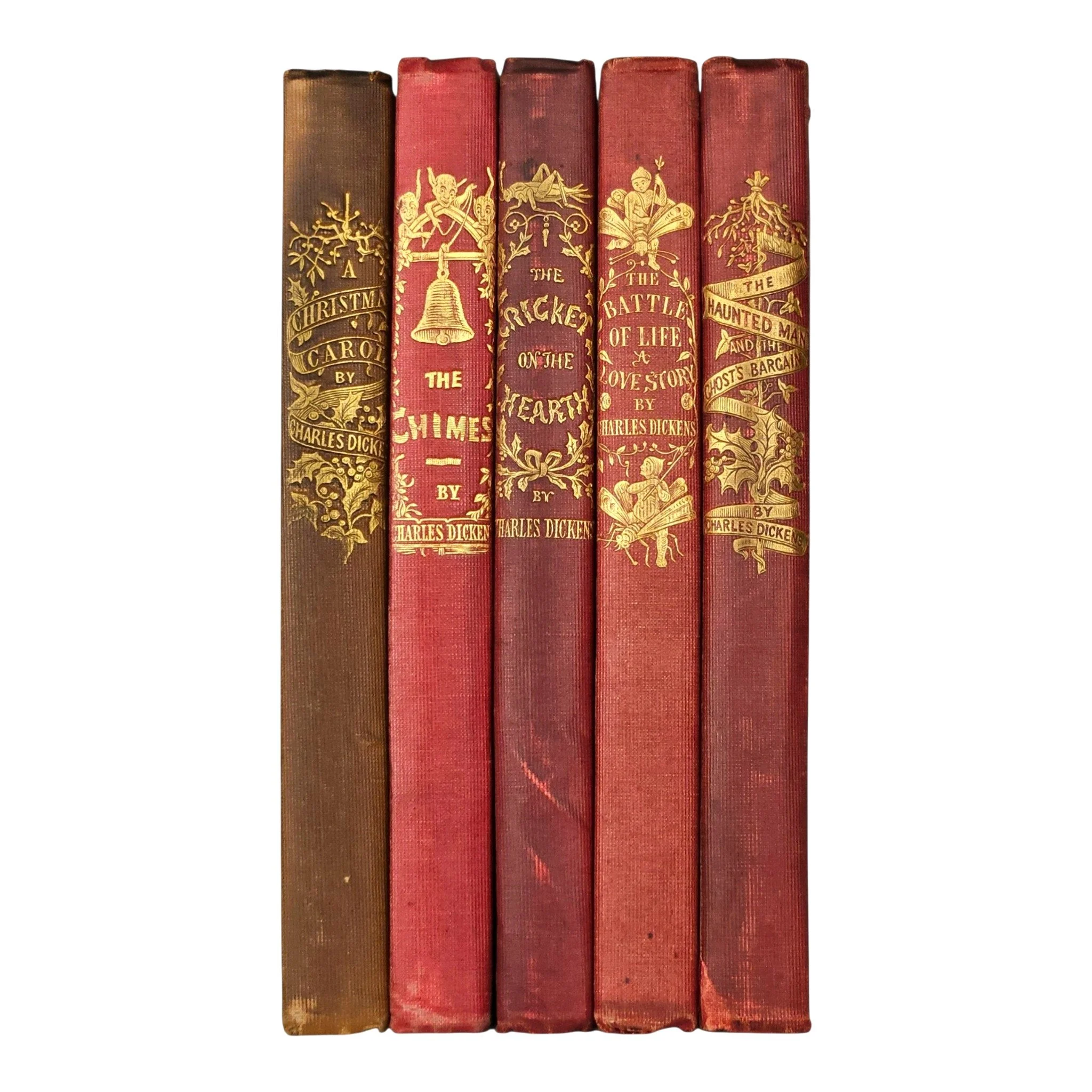 Image 7 of 24
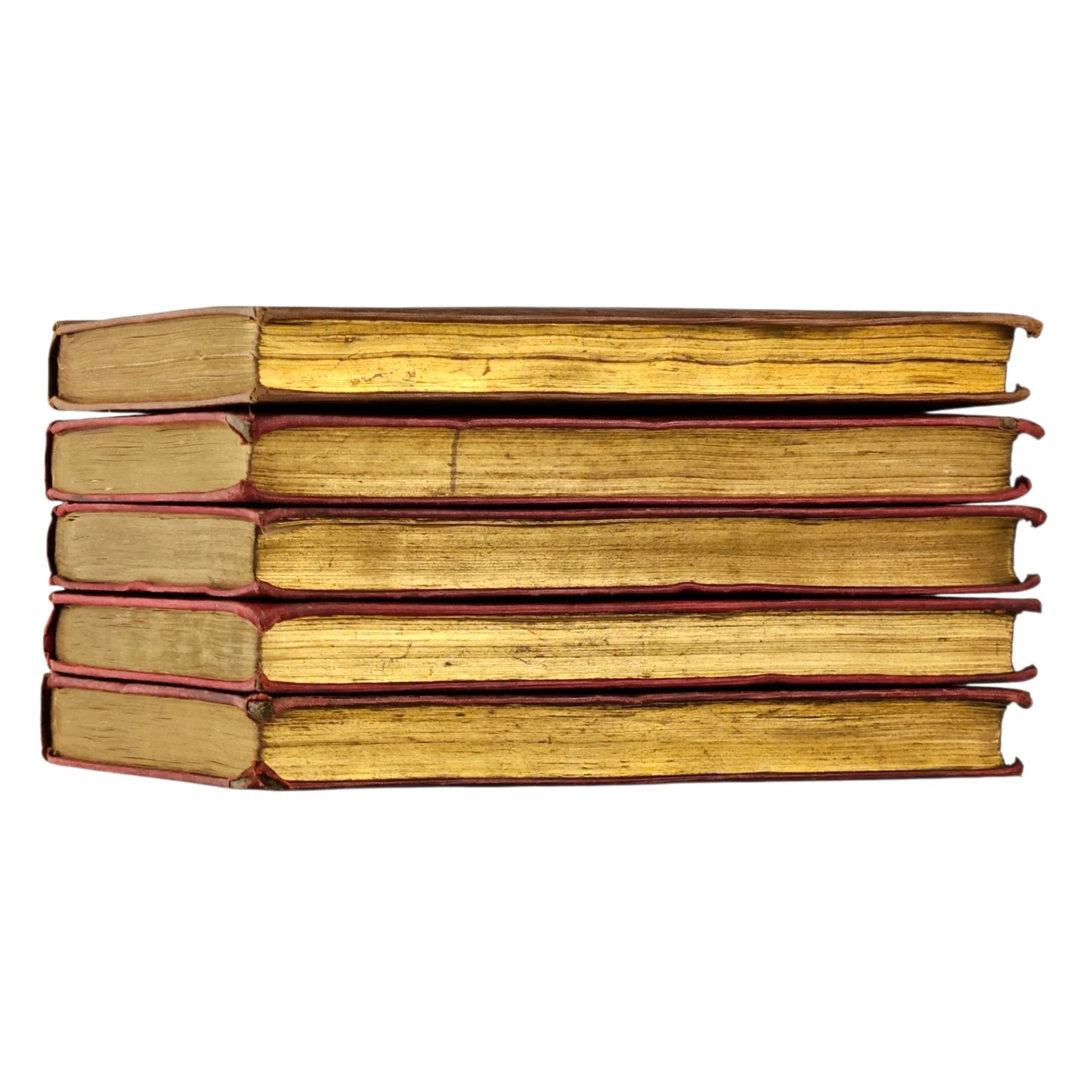 Image 8 of 24
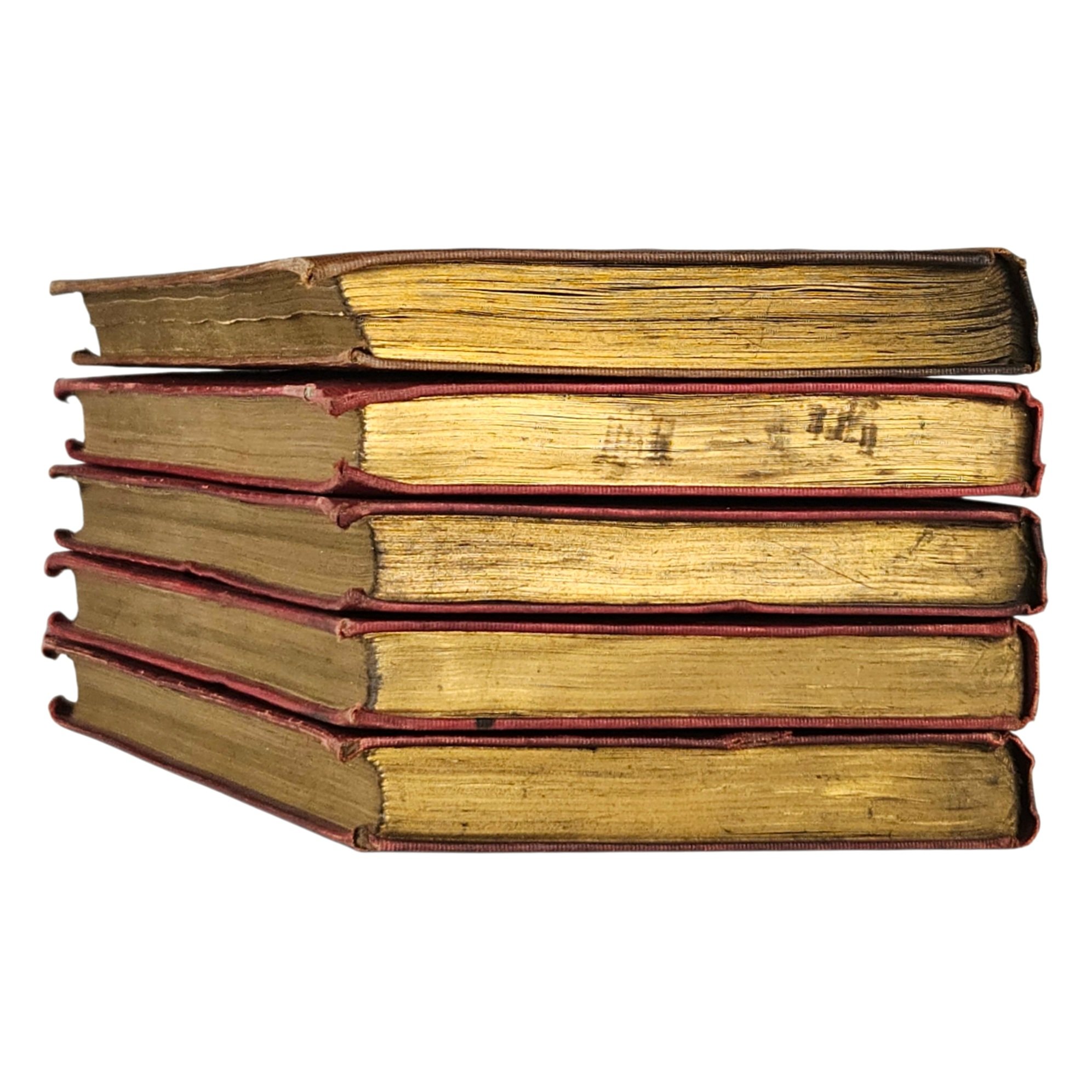 Image 9 of 24
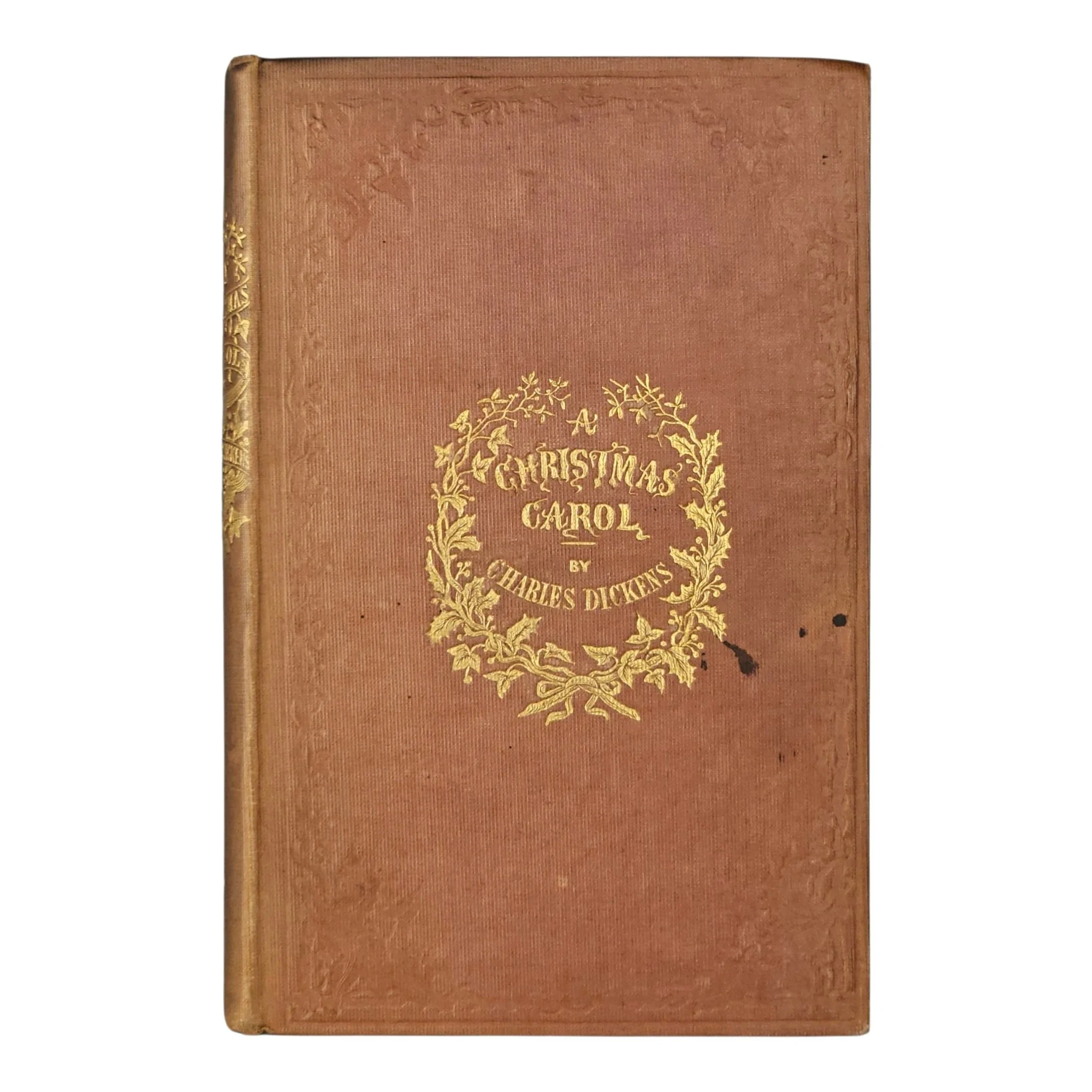 Image 10 of 24
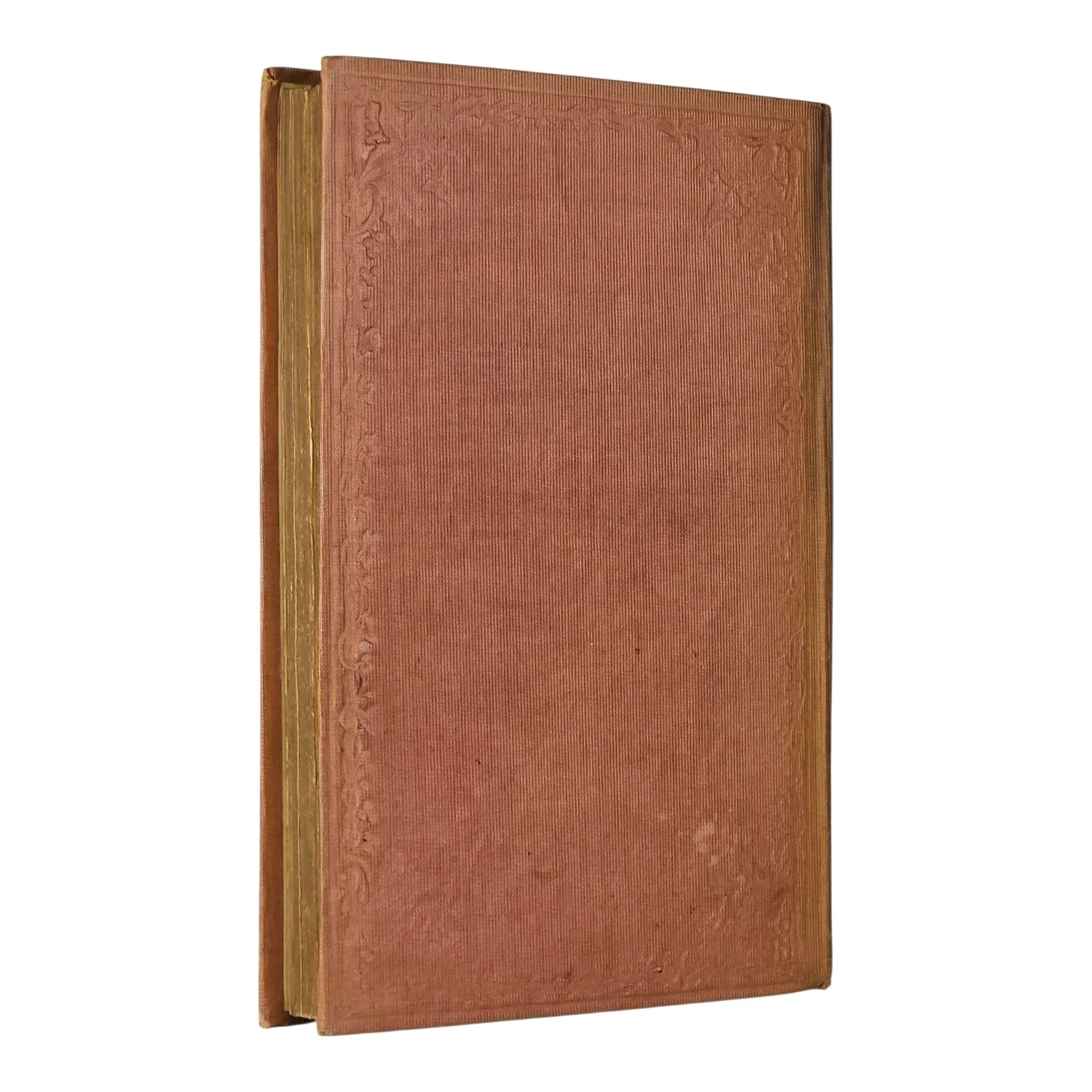 Image 11 of 24
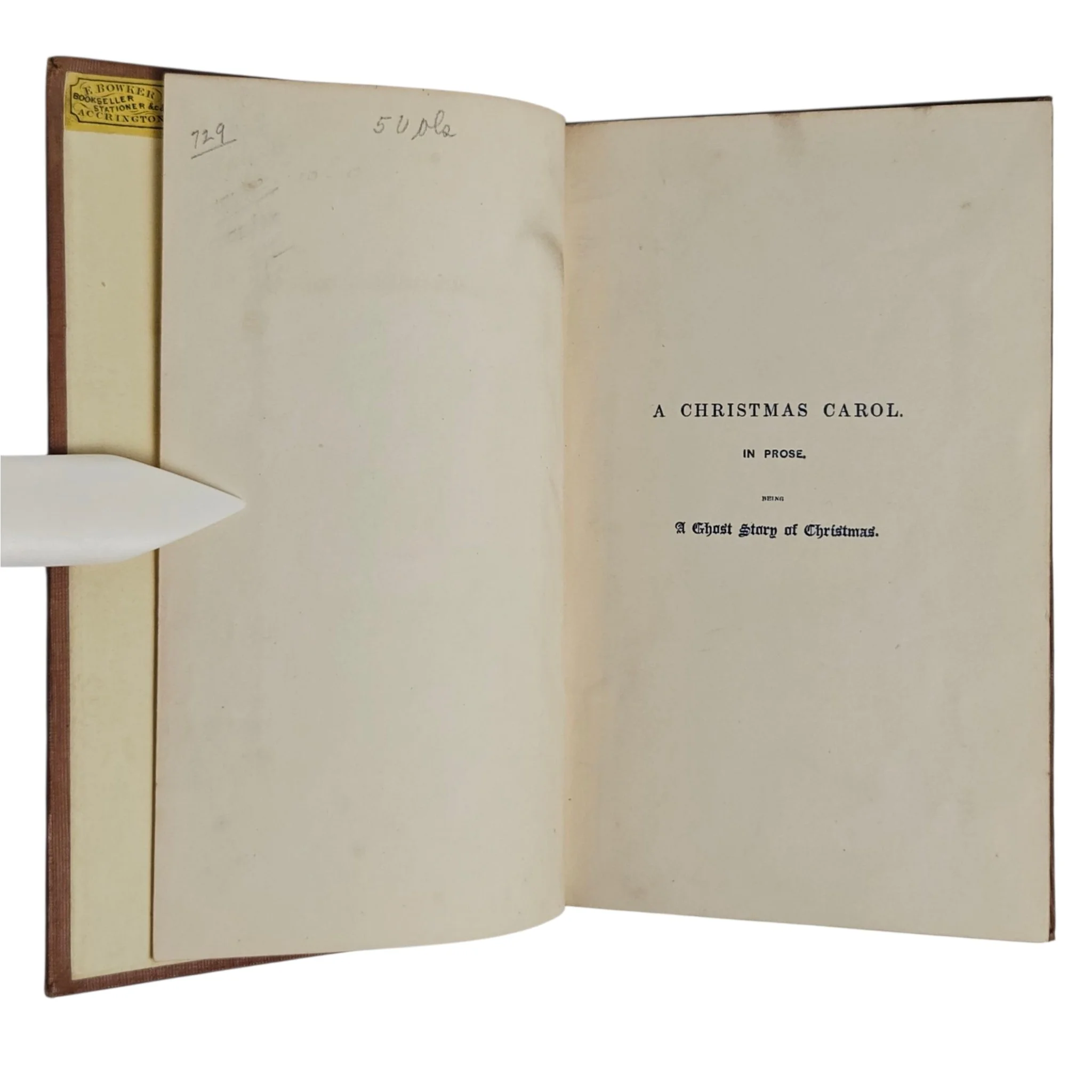 Image 12 of 24
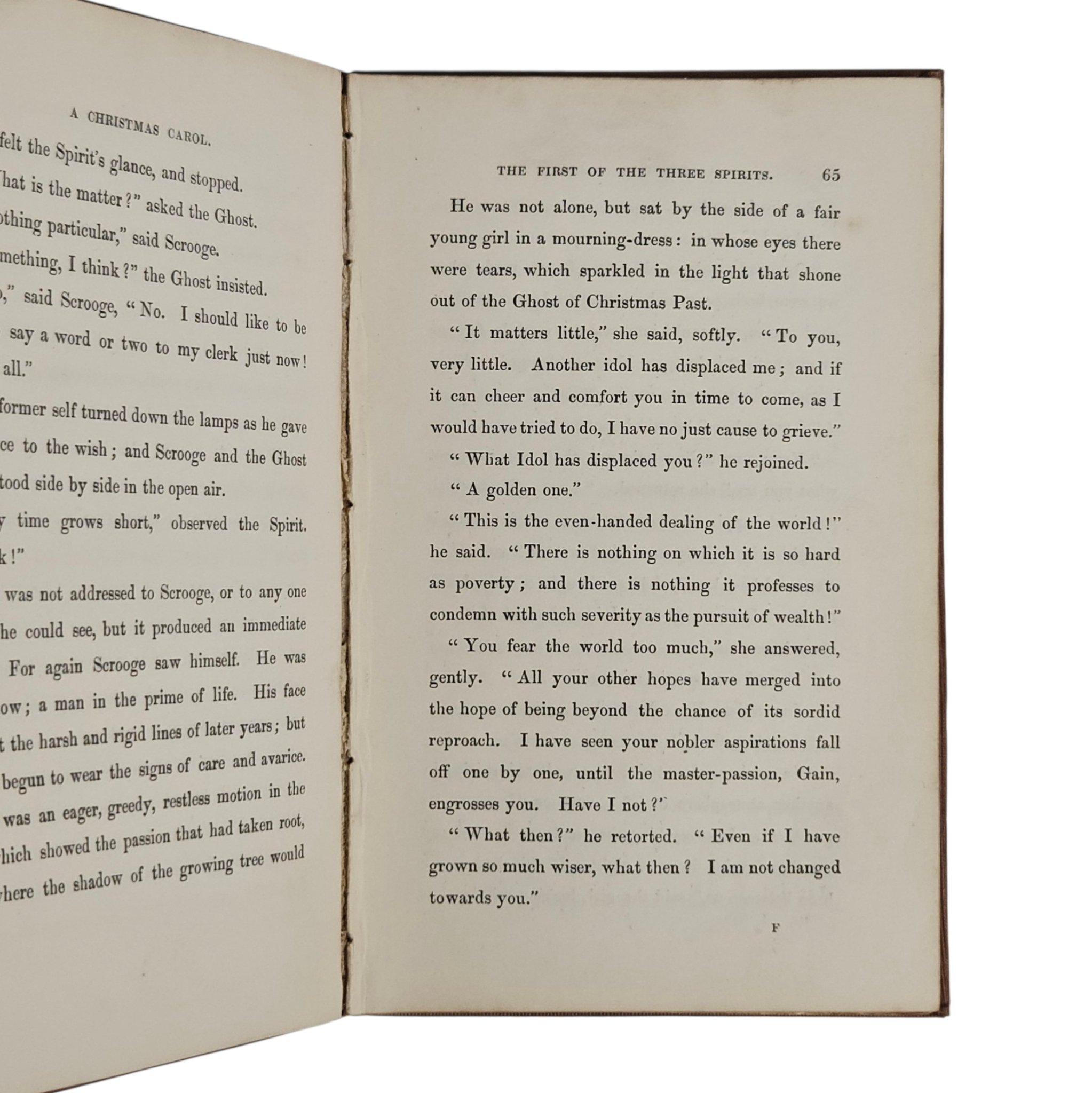 Image 13 of 24
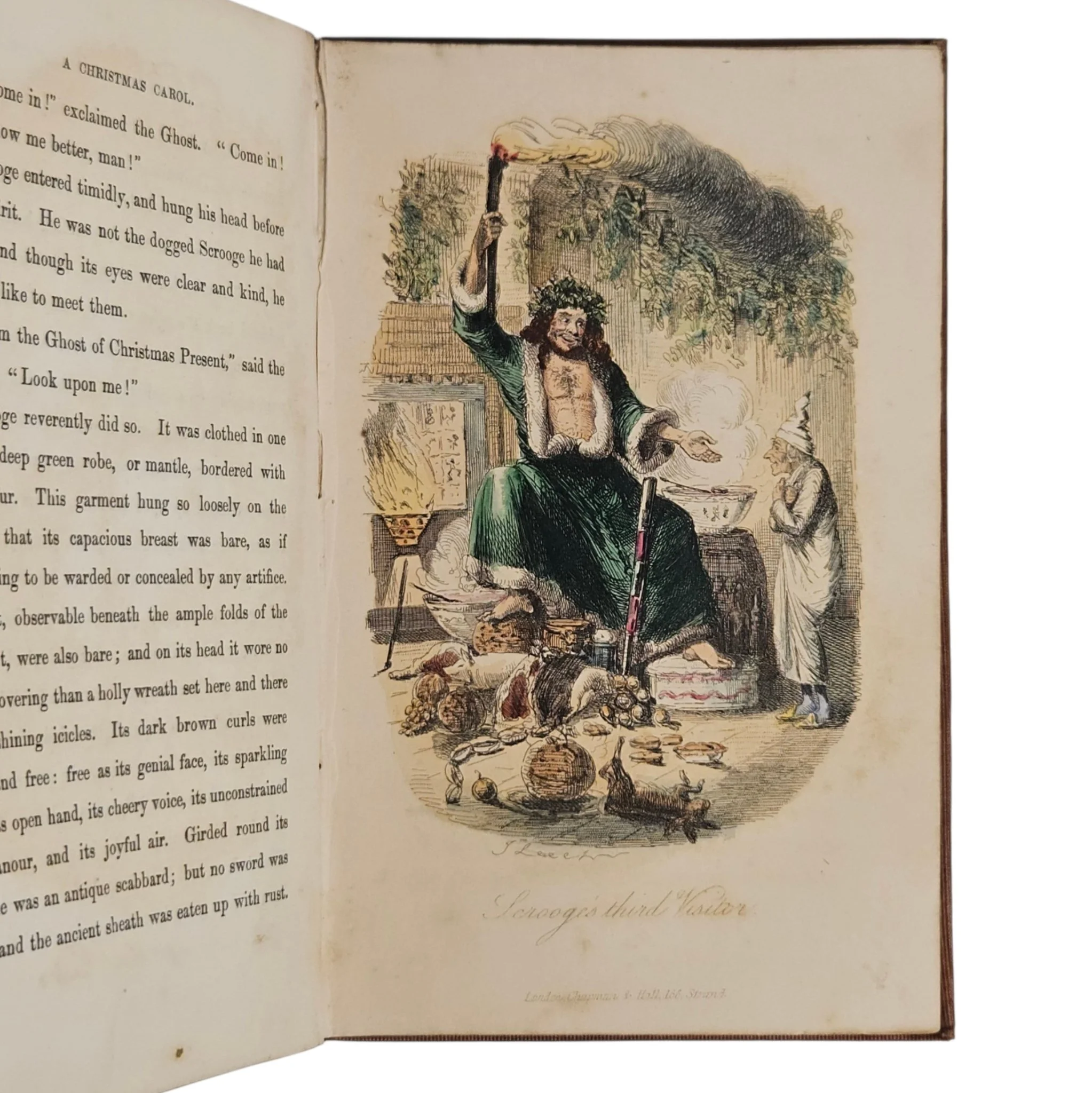 Image 14 of 24
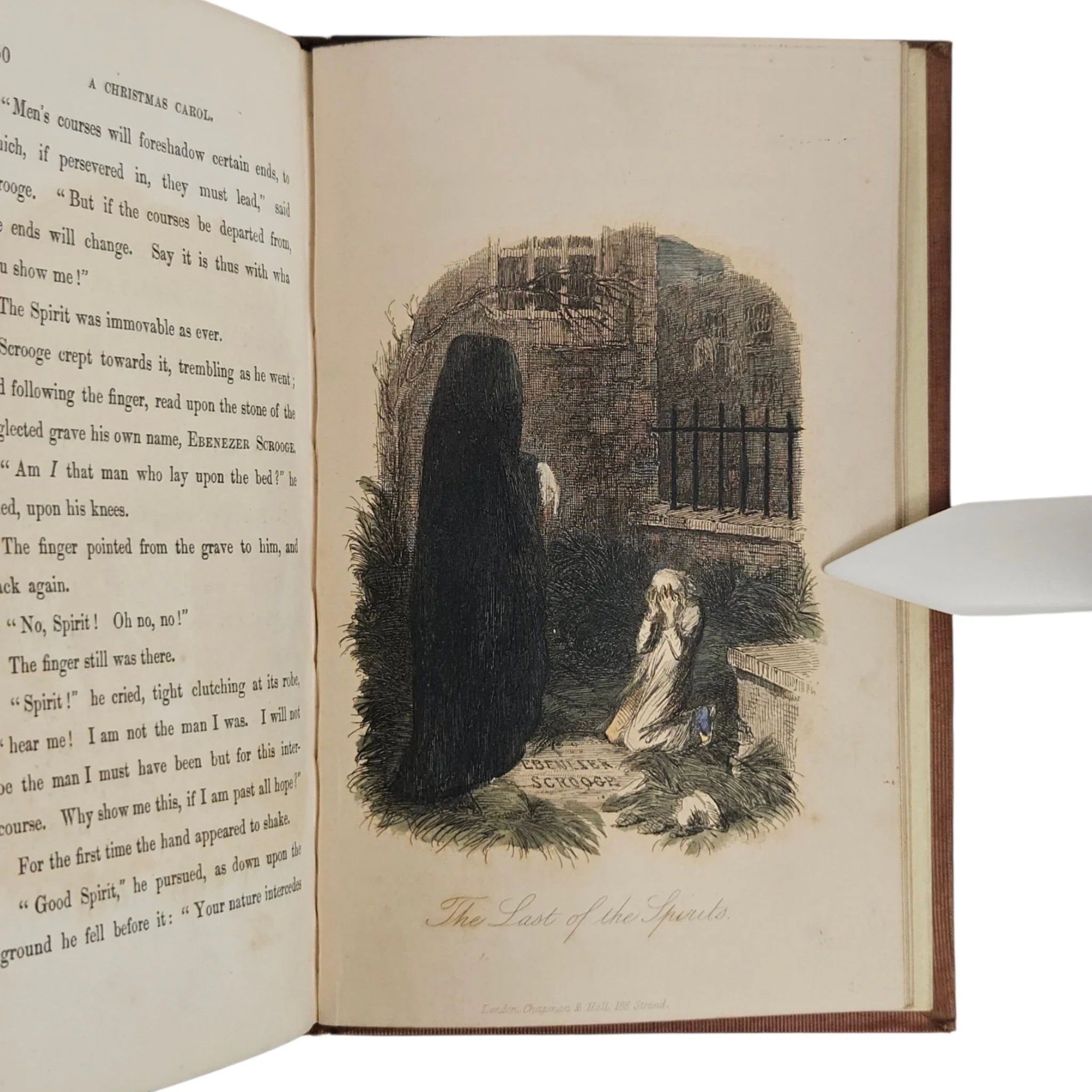 Image 15 of 24
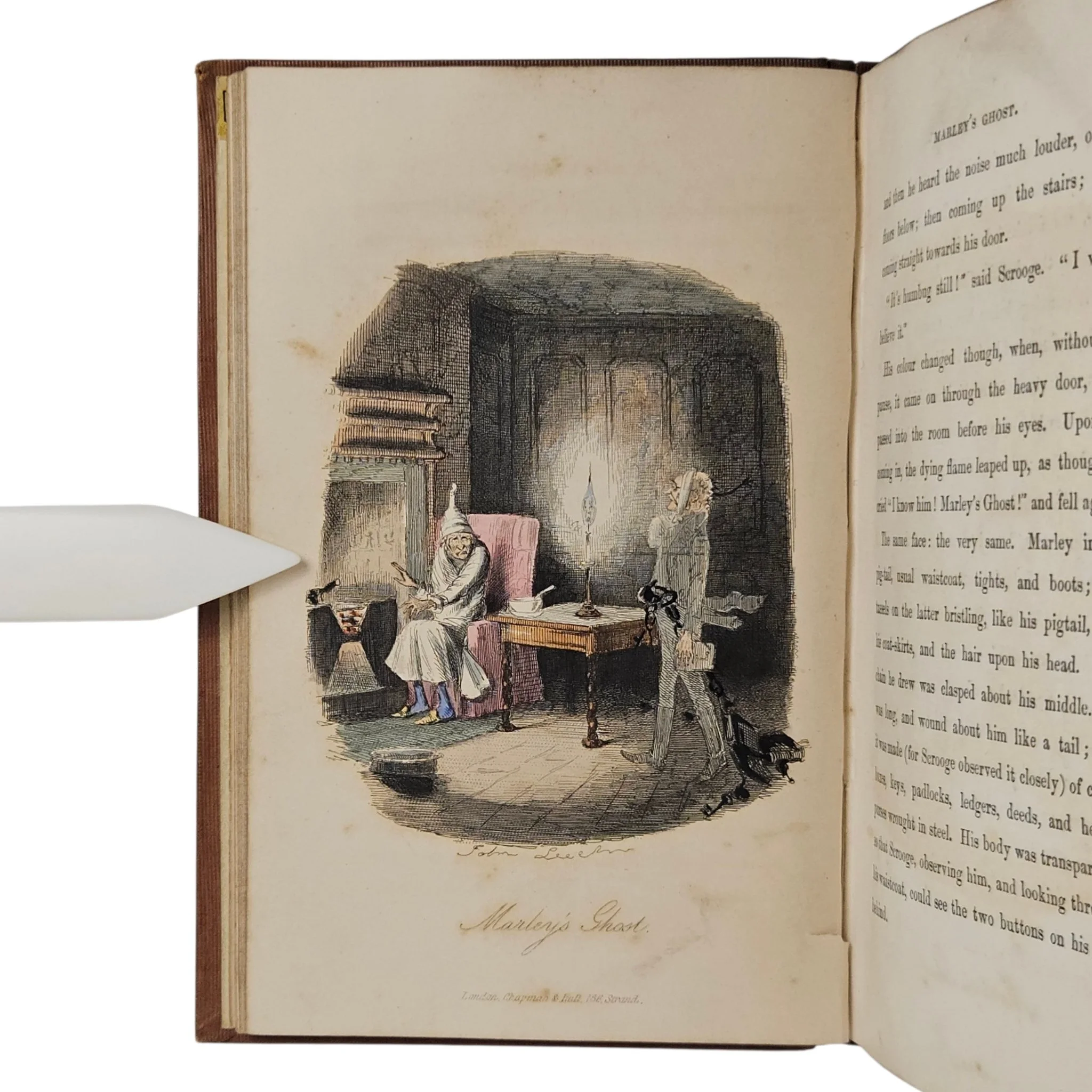 Image 16 of 24
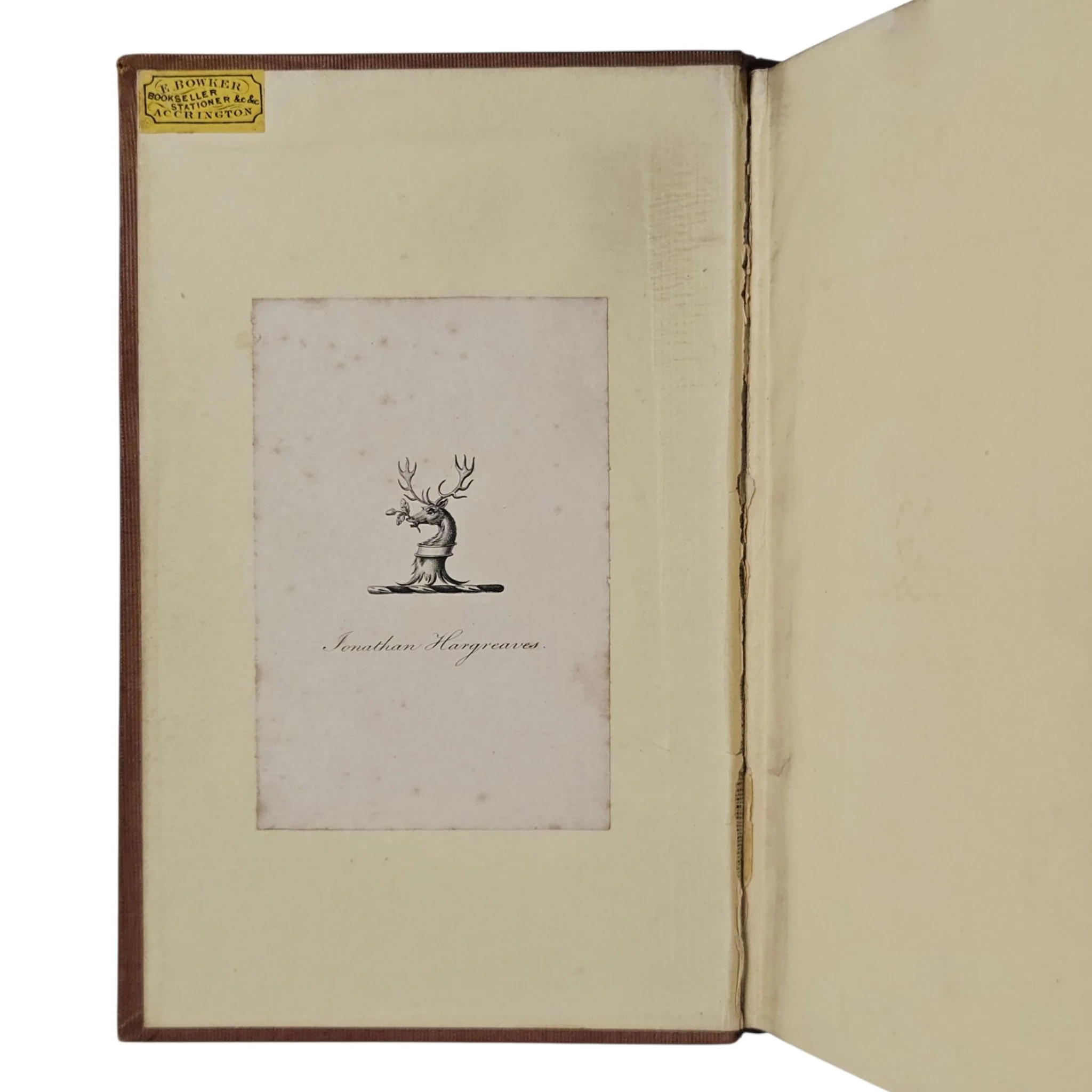 Image 17 of 24
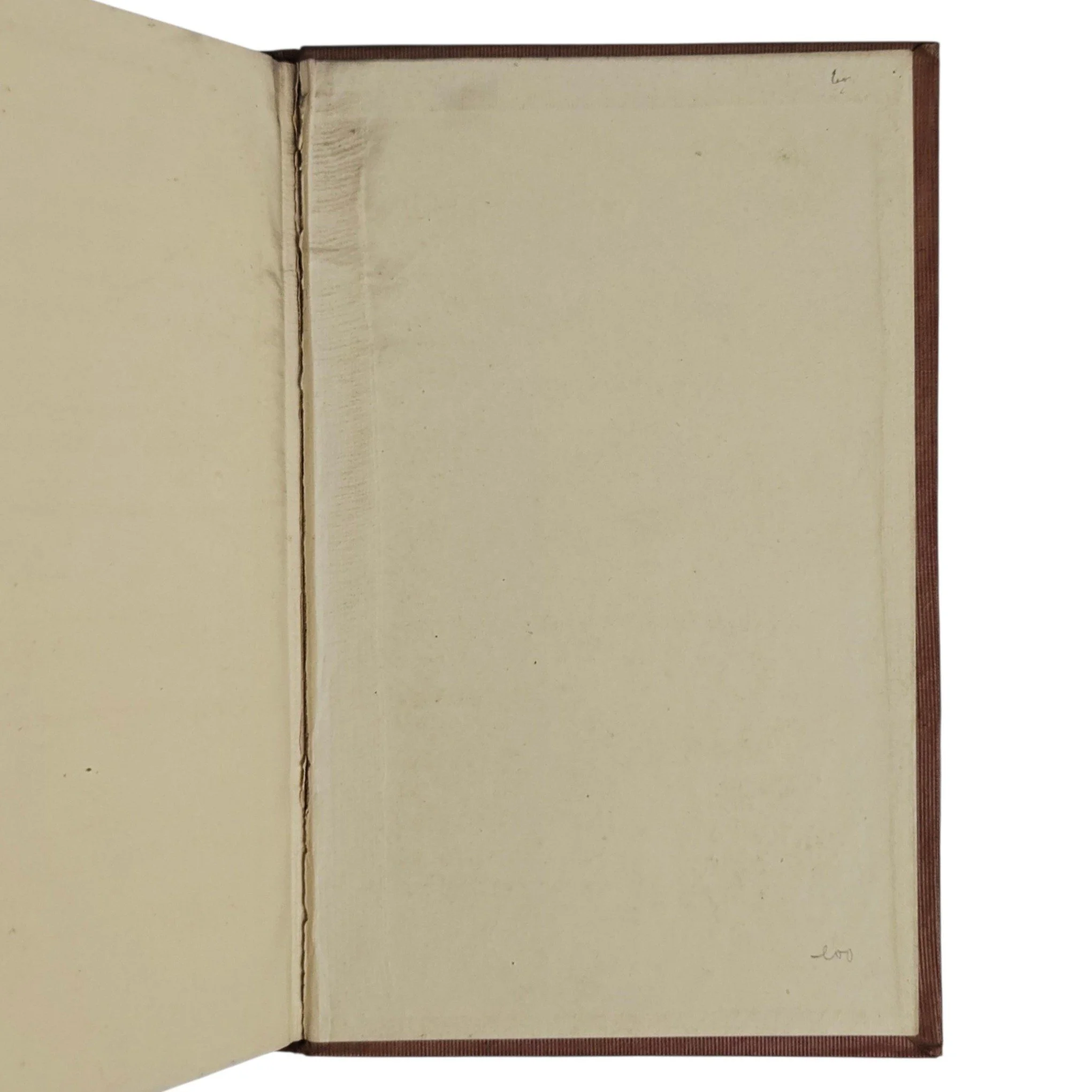 Image 18 of 24
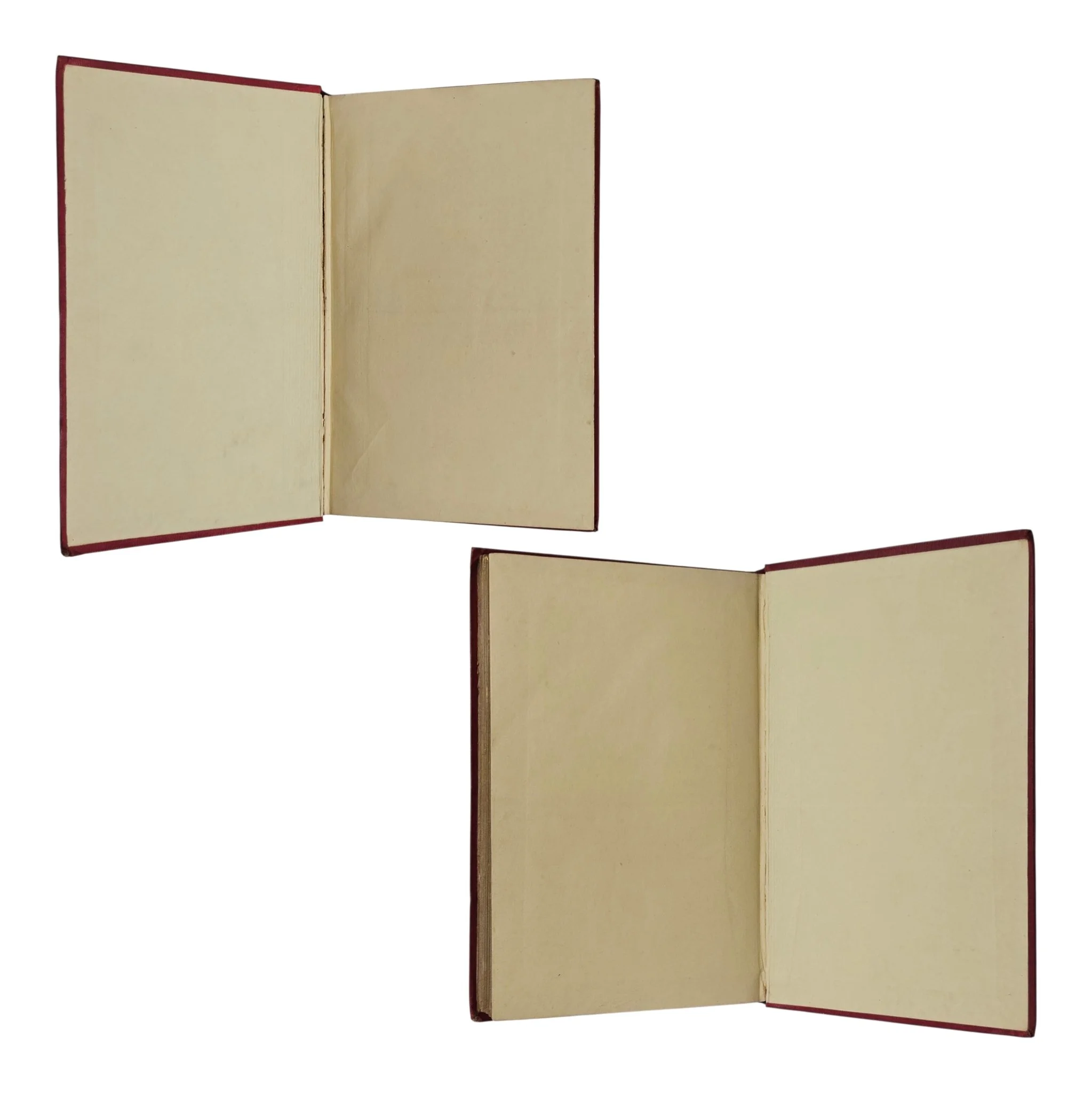 Image 19 of 24
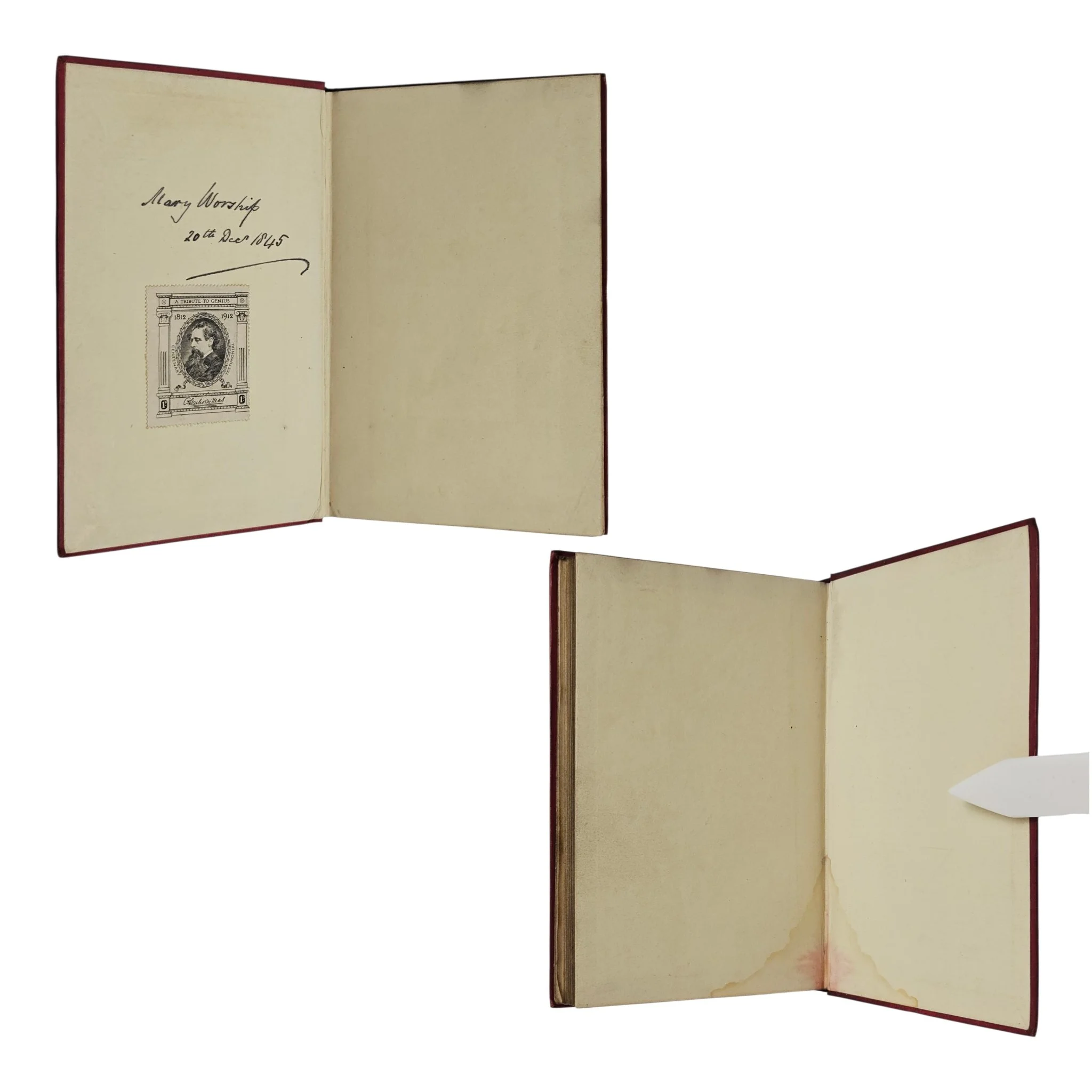 Image 20 of 24
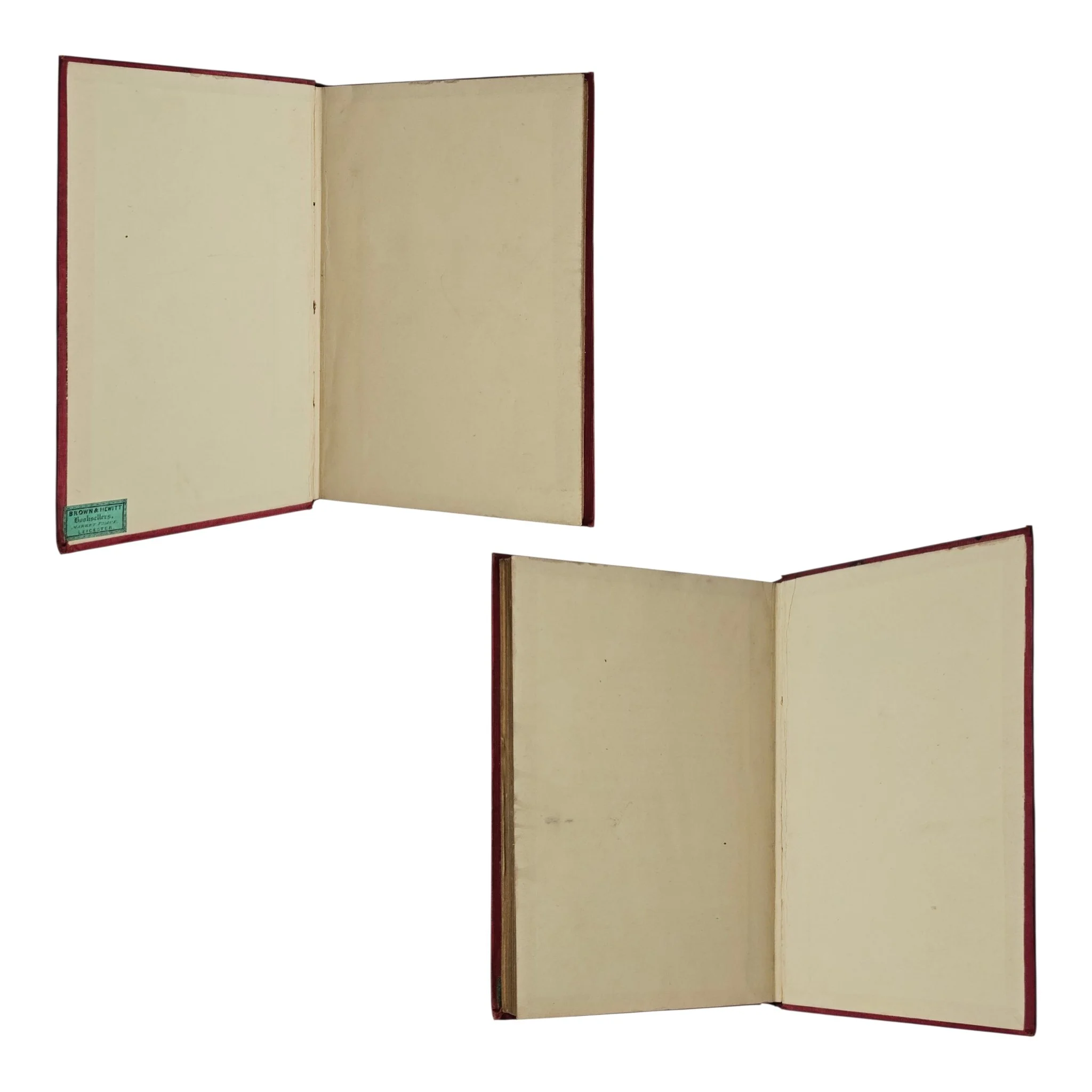 Image 21 of 24
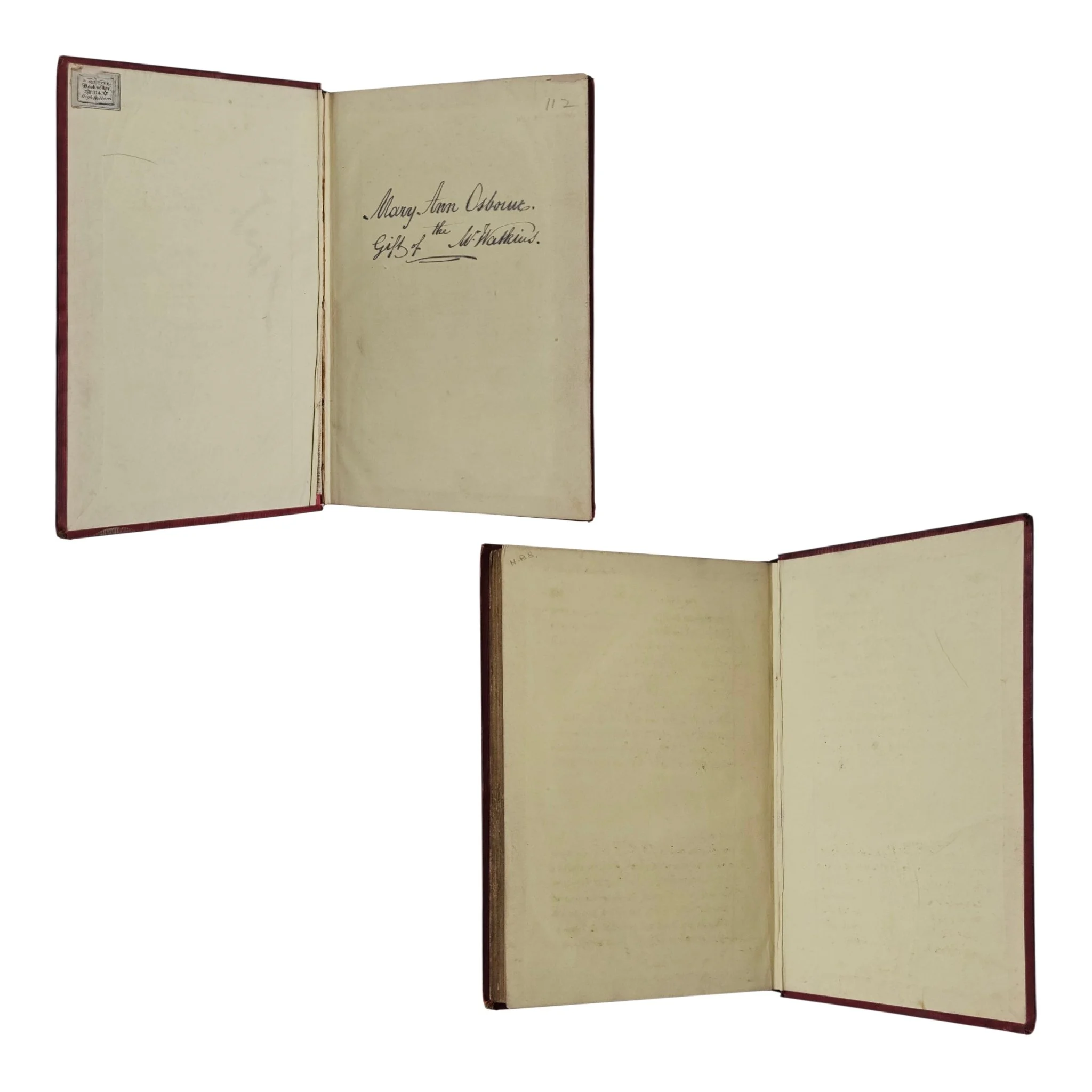 Image 22 of 24
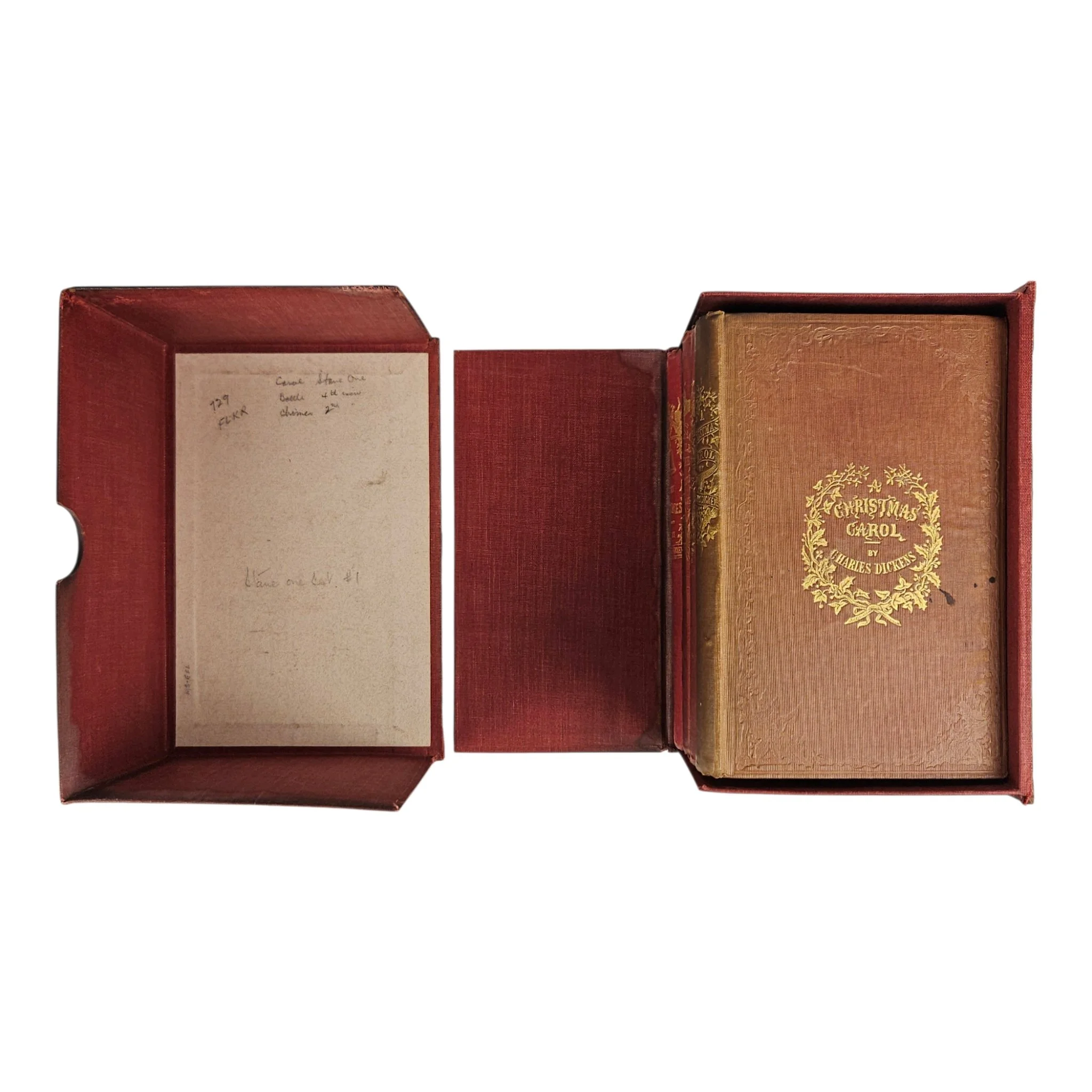 Image 23 of 24
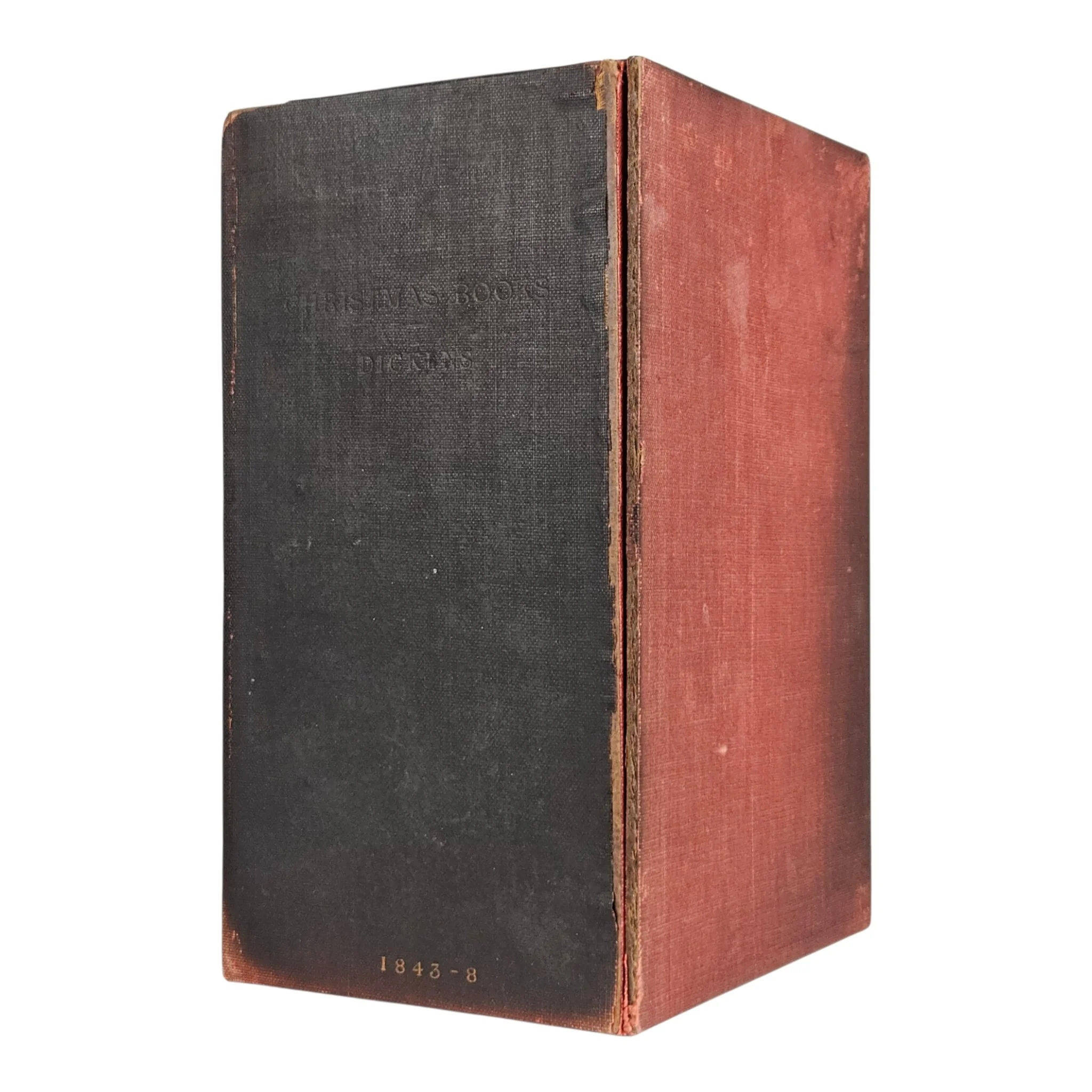 Image 24 of 24