Publisher and Year: New York: Charles L. Webster and Company, 1885
Edition: Salesman's sample, issued prior to the publication of Grant's memoirs. These samples, known also as dummies or prospectuses, were at the center of the door-to-door campaign that made Grant's memoirs one of the best-selling books of the late 19th century. Because the book was not complete, salesmen were equipped with these prospectuses to showcase to prospective customers. These were truncated mock-ups of the finished work, containing selected chapters, steel engravings, and mounted binding samples (spine strips representing cloth, sheep, and half morocco). Bound into each prospectus were order forms on which salesmen could record each customer’s name, address, and preferred binding (cloth, sheep, half morocco, full morocco, tree calf). All of the binding options were costly; adjusted for inflation, they ranged from approximately $234 to $835.
Mark Twain, the co-owner of the publishing house and orchestrator of the sales campaign, deliberately recruited Civil War veterans as salesmen and encouraged them to wear their uniforms, recount wartime experiences, and frame the purchase as a patriotic act in support of the financially distressed former president.
Produced solely as temporary sales tools and never intended to survive, most of these samples were heavily worn from use, discarded, or destroyed. Surviving examples seldom appear in commerce.
Description of the Contents: Thin octavo, front and rear boards stamped in gilt, spine bare (as issued), floral endpapers. Contains abbreviated portions of the to-be-published first and second volumes, including both title pages and steel-engraving portraits of Grant with tissue guards; several chapters of completed text; and tipped-in sheets indicating where foldout materials would be located. Tipped onto the front and rear pastedowns are spine strips representing three of the binding options (cloth, sheep, and half morocco). After the sample text, there are tipped-in notices that inform salesmen about the publisher's efforts to combat unauthorized imitations of Grant's memoirs, the possibility of legal action against the responsible publishers, the availability of the book only by subscription with the firm's agents, and an announcement that Grant completed writing both volumes. The volume concludes with page listing the prices of the five binding options and a series of ruled pages, on which the salesman could record customer's orders.
Condition: Boards worn, soiled, and stained; gilt rubbed but fairly bright; tips pushed with some exposure; edges rubbed. Tight hinges and binding. Closed tear to the top and bottom of the front free endpaper, and one open tear to the bottom. Mild tanning of the leather spine strips on the front pastedown to the front free endpaper, and heavy tanning to the subsequent blank leaf, as usual. Pages tanned, with occasional minor imperfections and handling marks, including scattered finger smudging. One order page is filled out on four lines. The rest of the order pages are unfilled, and the last has been torn out.
“The natural disposition of most people is to clothe a commander of a large army whom they do not know, with almost superhuman abilities. A large part of the National army, for instance, and most of the press of the country, clothed General Lee with just such qualities, but I had known him personally, and knew that he was mortal; and it was just as well that I felt this.”
Inventory ID: 895 - 323 - 604
Publisher and Year: New York: Charles L. Webster and Company, 1885
Edition: Salesman's sample, issued prior to the publication of Grant's memoirs. These samples, known also as dummies or prospectuses, were at the center of the door-to-door campaign that made Grant's memoirs one of the best-selling books of the late 19th century. Because the book was not complete, salesmen were equipped with these prospectuses to showcase to prospective customers. These were truncated mock-ups of the finished work, containing selected chapters, steel engravings, and mounted binding samples (spine strips representing cloth, sheep, and half morocco). Bound into each prospectus were order forms on which salesmen could record each customer’s name, address, and preferred binding (cloth, sheep, half morocco, full morocco, tree calf). All of the binding options were costly; adjusted for inflation, they ranged from approximately $234 to $835.
Mark Twain, the co-owner of the publishing house and orchestrator of the sales campaign, deliberately recruited Civil War veterans as salesmen and encouraged them to wear their uniforms, recount wartime experiences, and frame the purchase as a patriotic act in support of the financially distressed former president.
Produced solely as temporary sales tools and never intended to survive, most of these samples were heavily worn from use, discarded, or destroyed. Surviving examples seldom appear in commerce.
Description of the Contents: Thin octavo, front and rear boards stamped in gilt, spine bare (as issued), floral endpapers. Contains abbreviated portions of the to-be-published first and second volumes, including both title pages and steel-engraving portraits of Grant with tissue guards; several chapters of completed text; and tipped-in sheets indicating where foldout materials would be located. Tipped onto the front and rear pastedowns are spine strips representing three of the binding options (cloth, sheep, and half morocco). After the sample text, there are tipped-in notices that inform salesmen about the publisher's efforts to combat unauthorized imitations of Grant's memoirs, the possibility of legal action against the responsible publishers, the availability of the book only by subscription with the firm's agents, and an announcement that Grant completed writing both volumes. The volume concludes with page listing the prices of the five binding options and a series of ruled pages, on which the salesman could record customer's orders.
Condition: Boards worn, soiled, and stained; gilt rubbed but fairly bright; tips pushed with some exposure; edges rubbed. Tight hinges and binding. Closed tear to the top and bottom of the front free endpaper, and one open tear to the bottom. Mild tanning of the leather spine strips on the front pastedown to the front free endpaper, and heavy tanning to the subsequent blank leaf, as usual. Pages tanned, with occasional minor imperfections and handling marks, including scattered finger smudging. One order page is filled out on four lines. The rest of the order pages are unfilled, and the last has been torn out.
“The natural disposition of most people is to clothe a commander of a large army whom they do not know, with almost superhuman abilities. A large part of the National army, for instance, and most of the press of the country, clothed General Lee with just such qualities, but I had known him personally, and knew that he was mortal; and it was just as well that I felt this.”
Inventory ID: 895 - 323 - 604

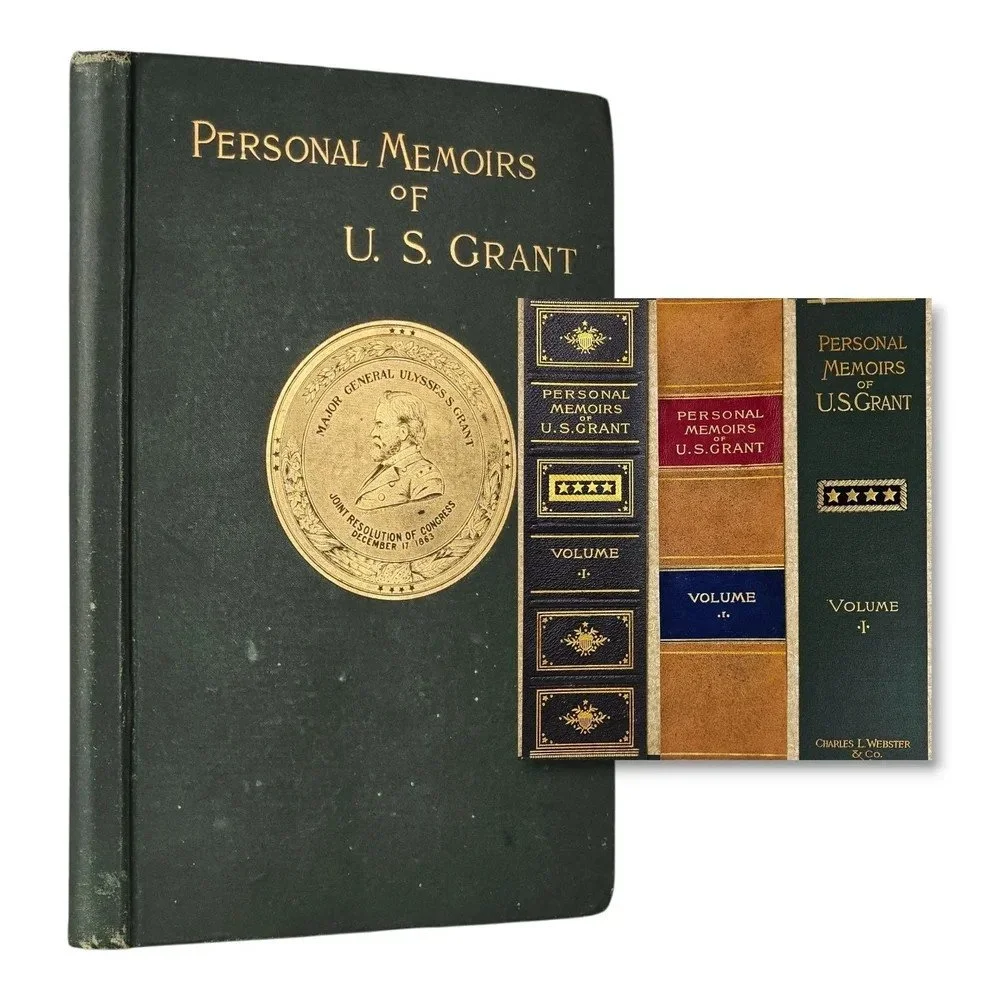 Image 1 of 23
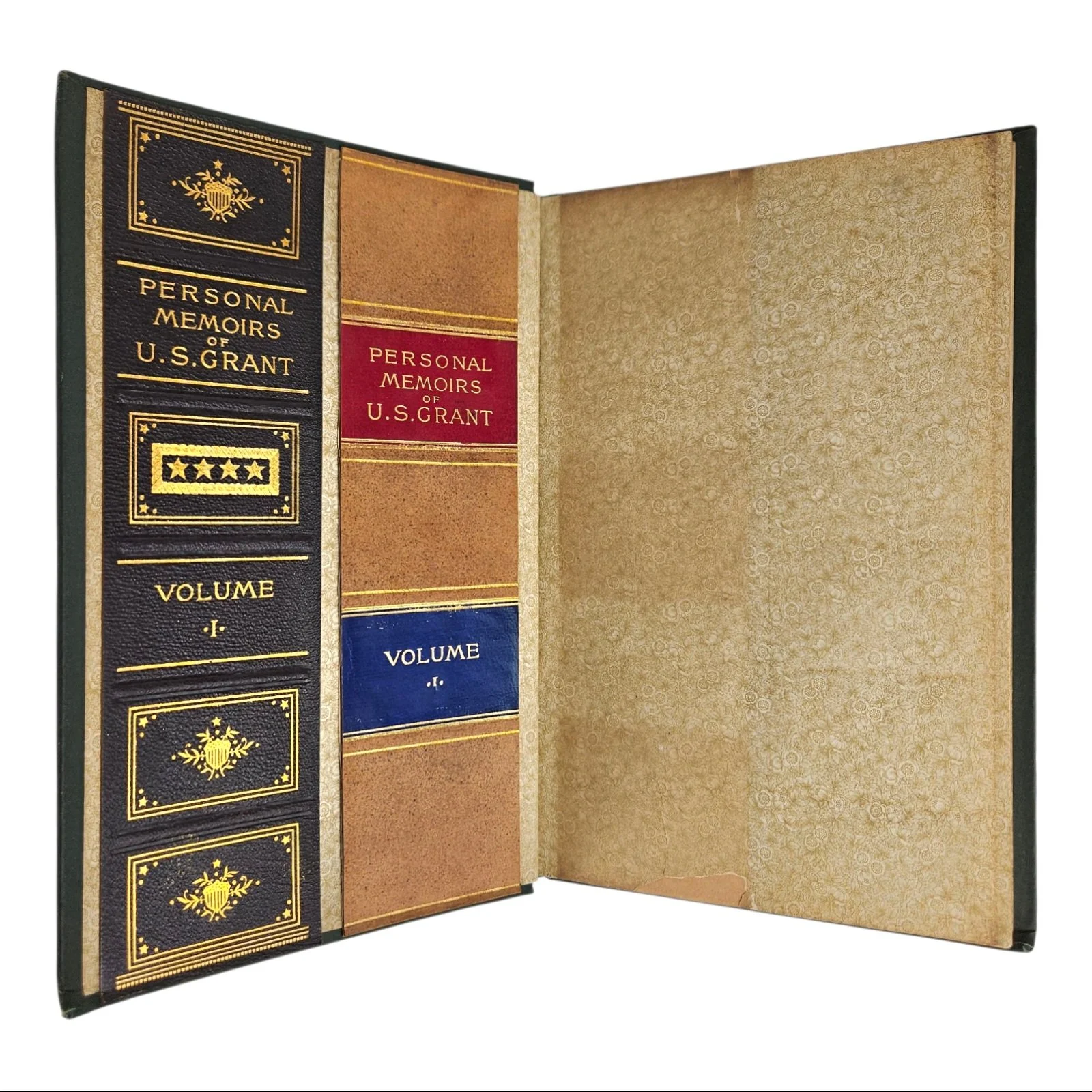 Image 2 of 23
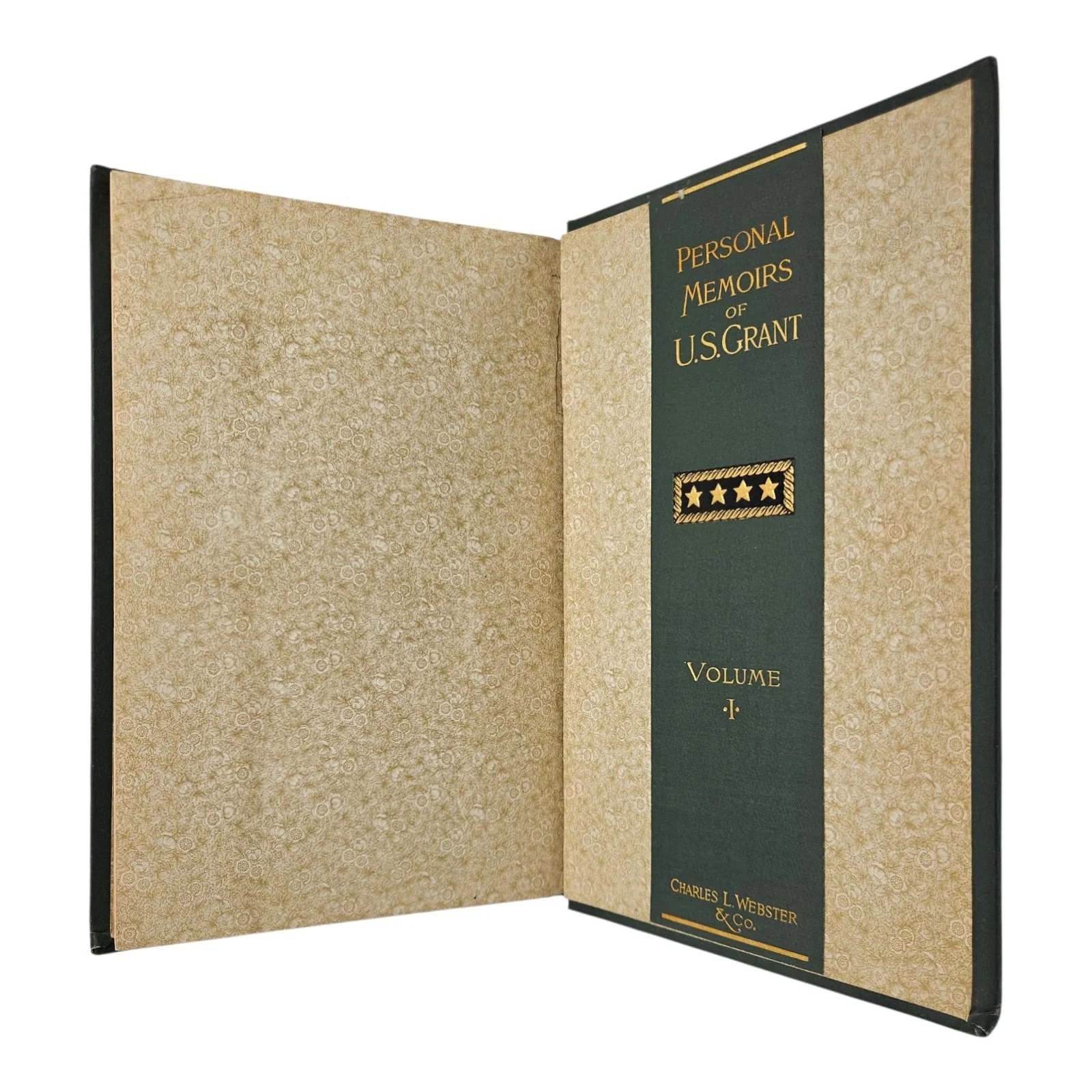 Image 3 of 23
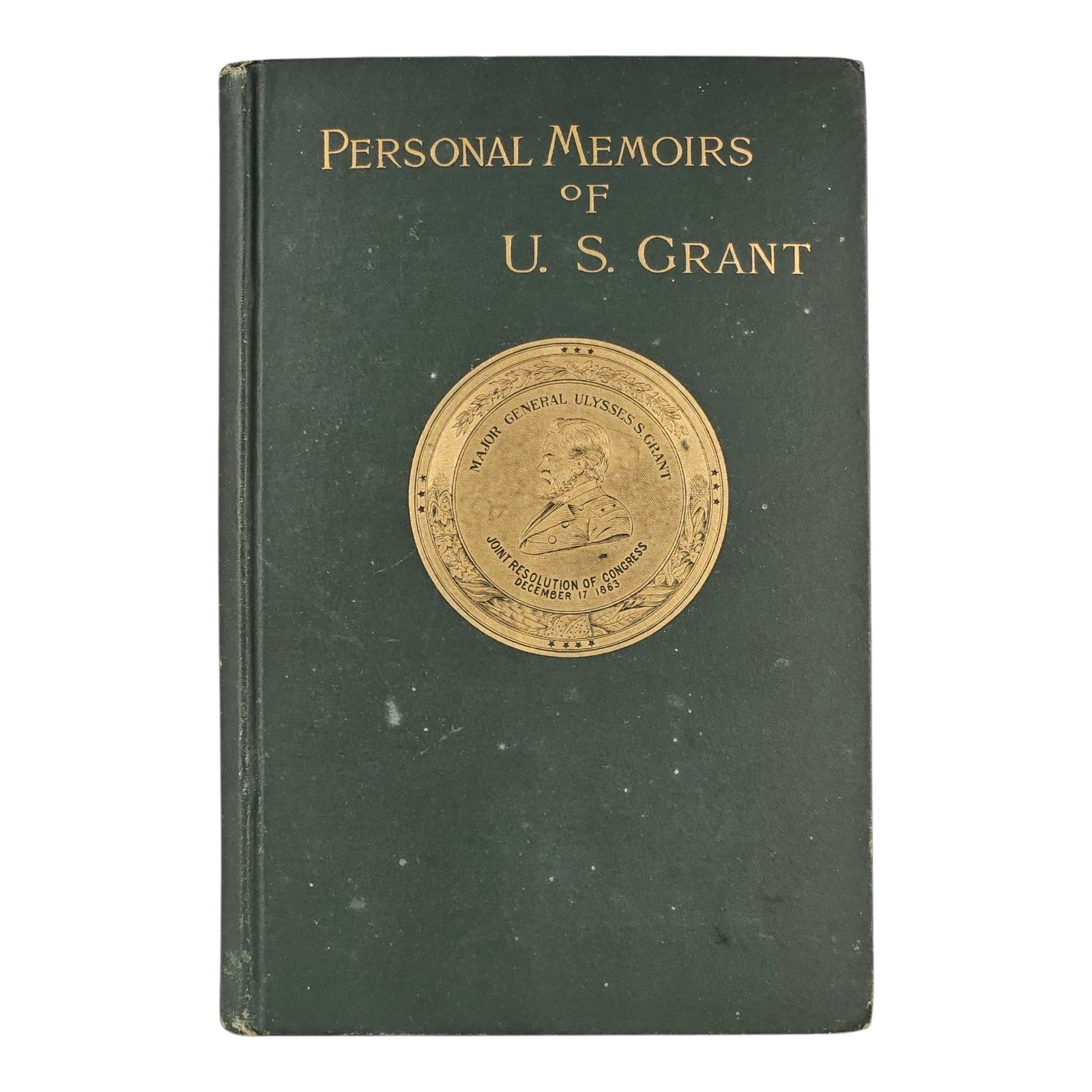 Image 4 of 23
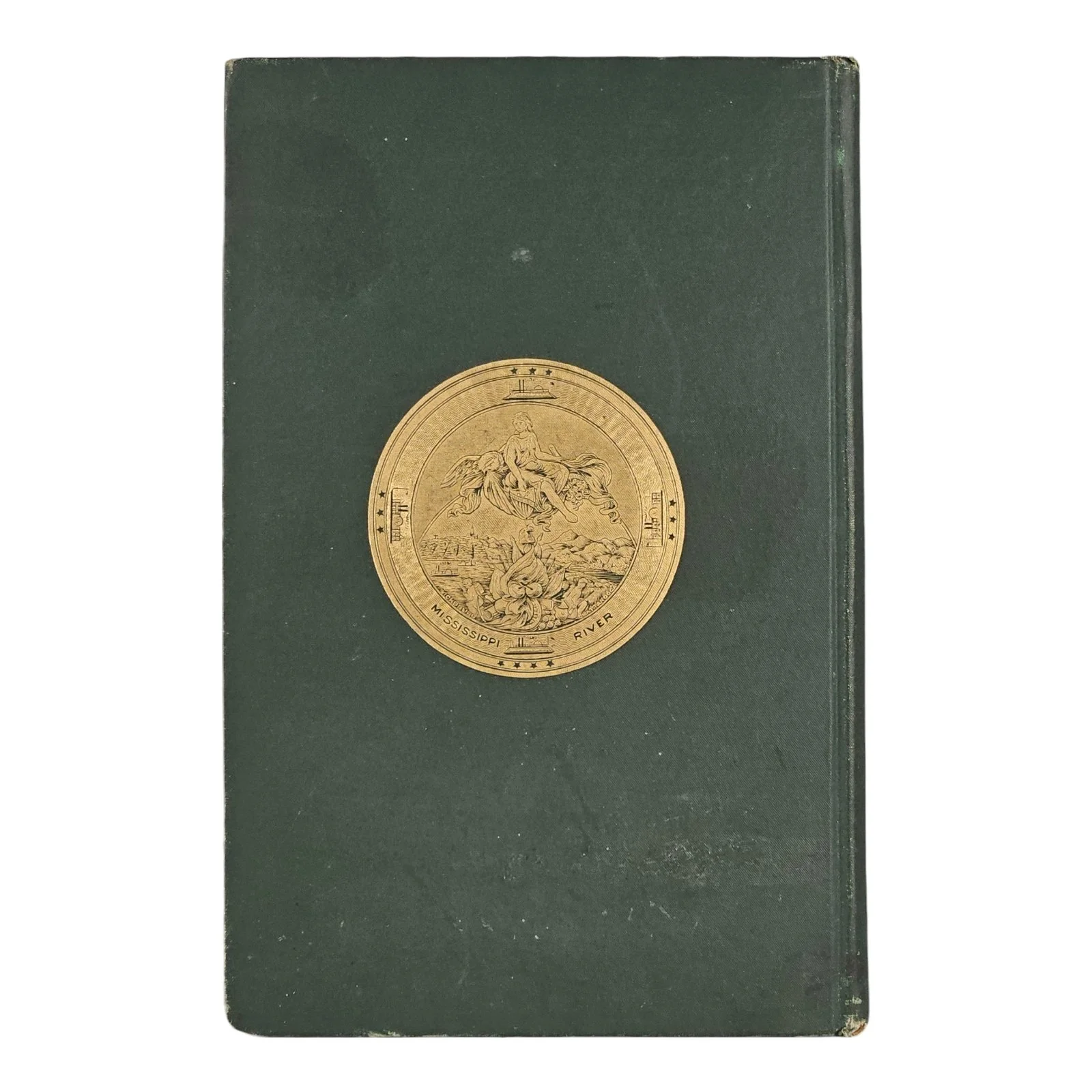 Image 5 of 23
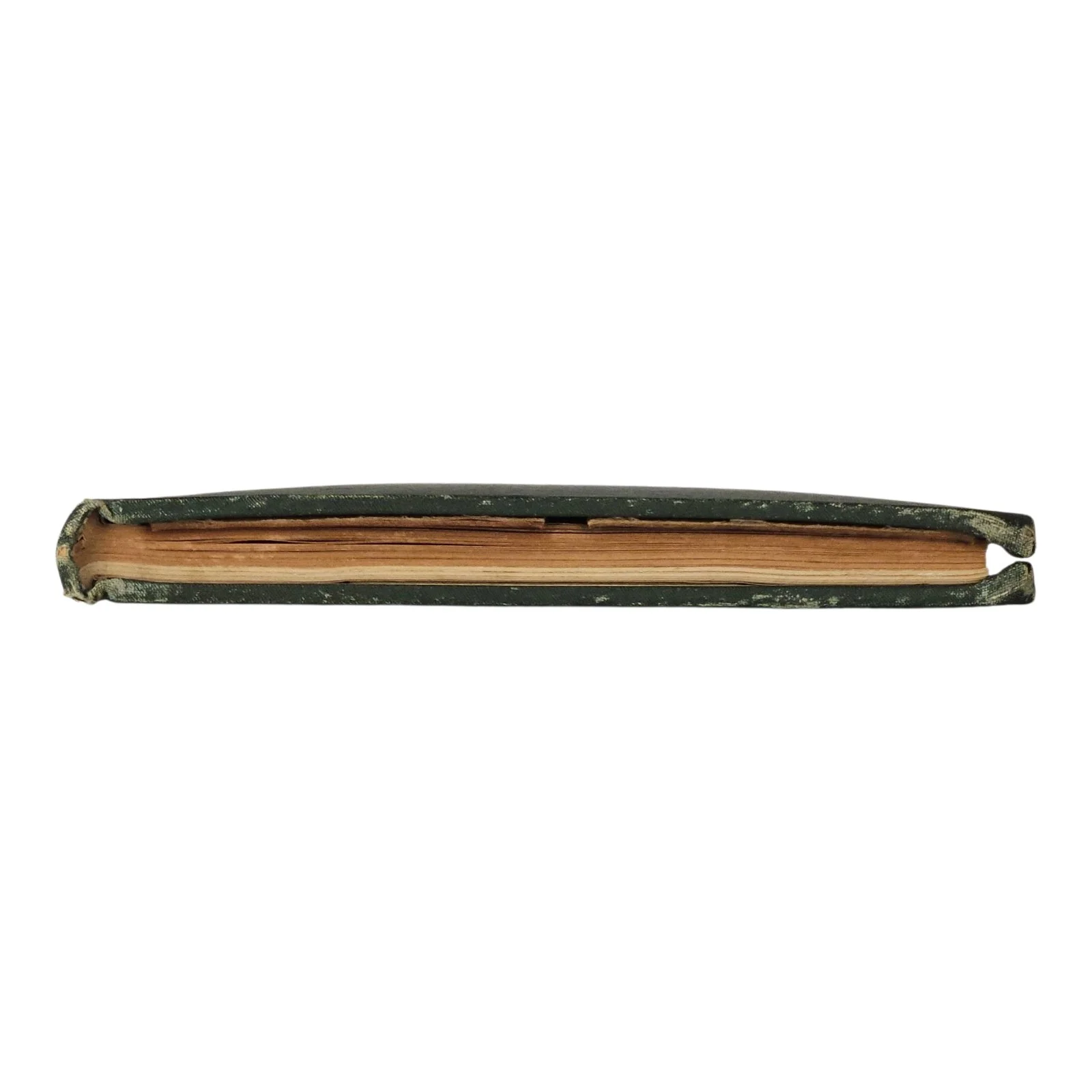 Image 6 of 23
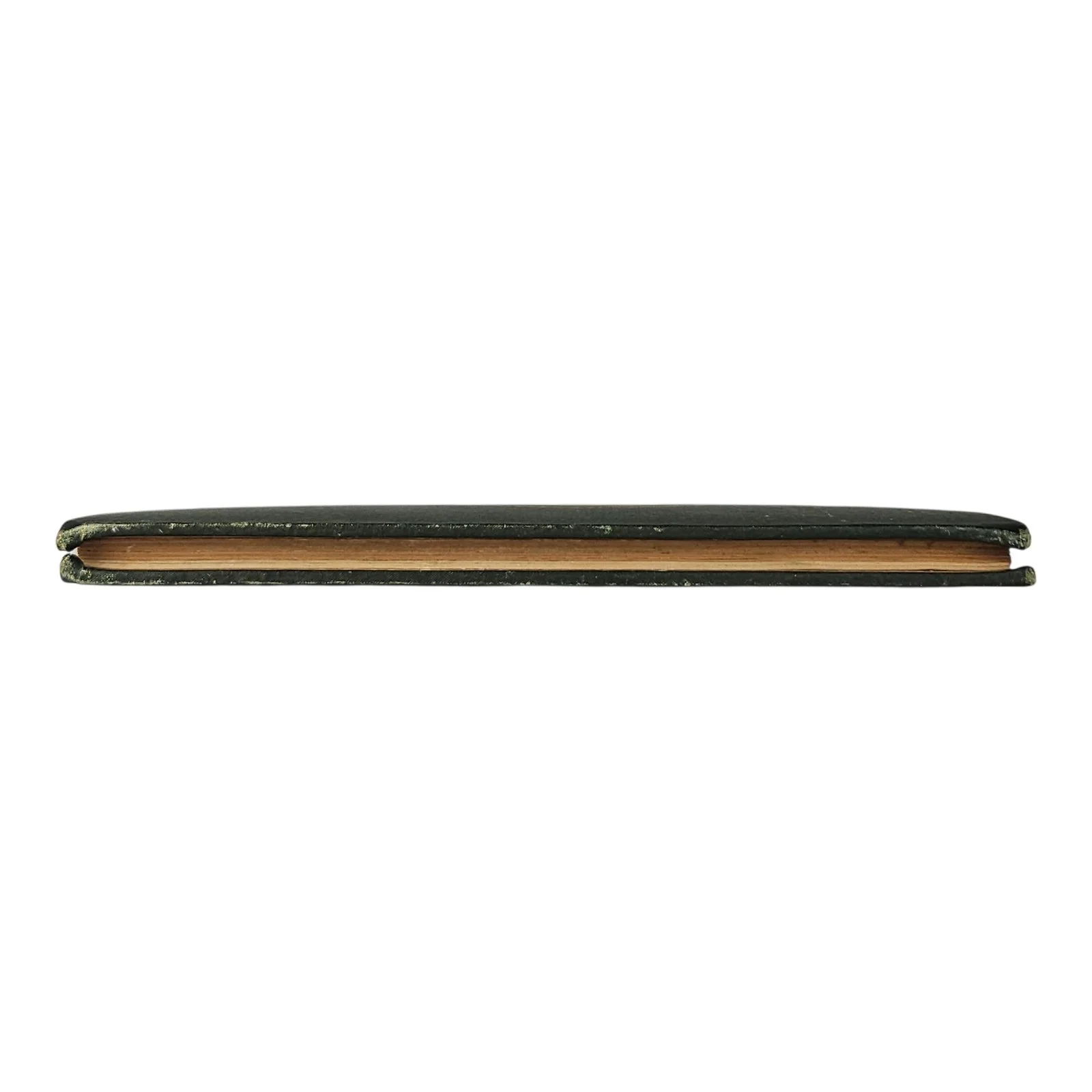 Image 7 of 23
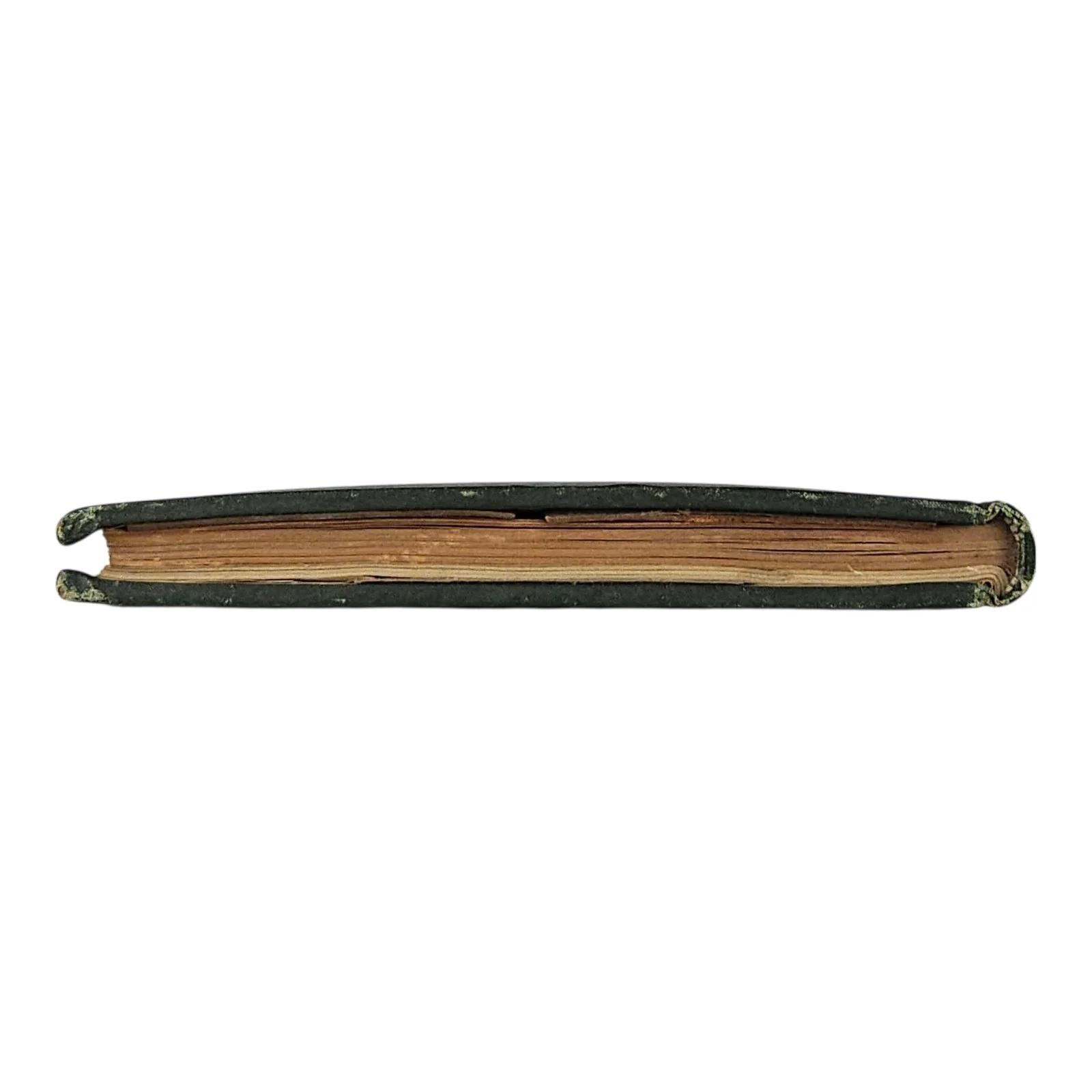 Image 8 of 23
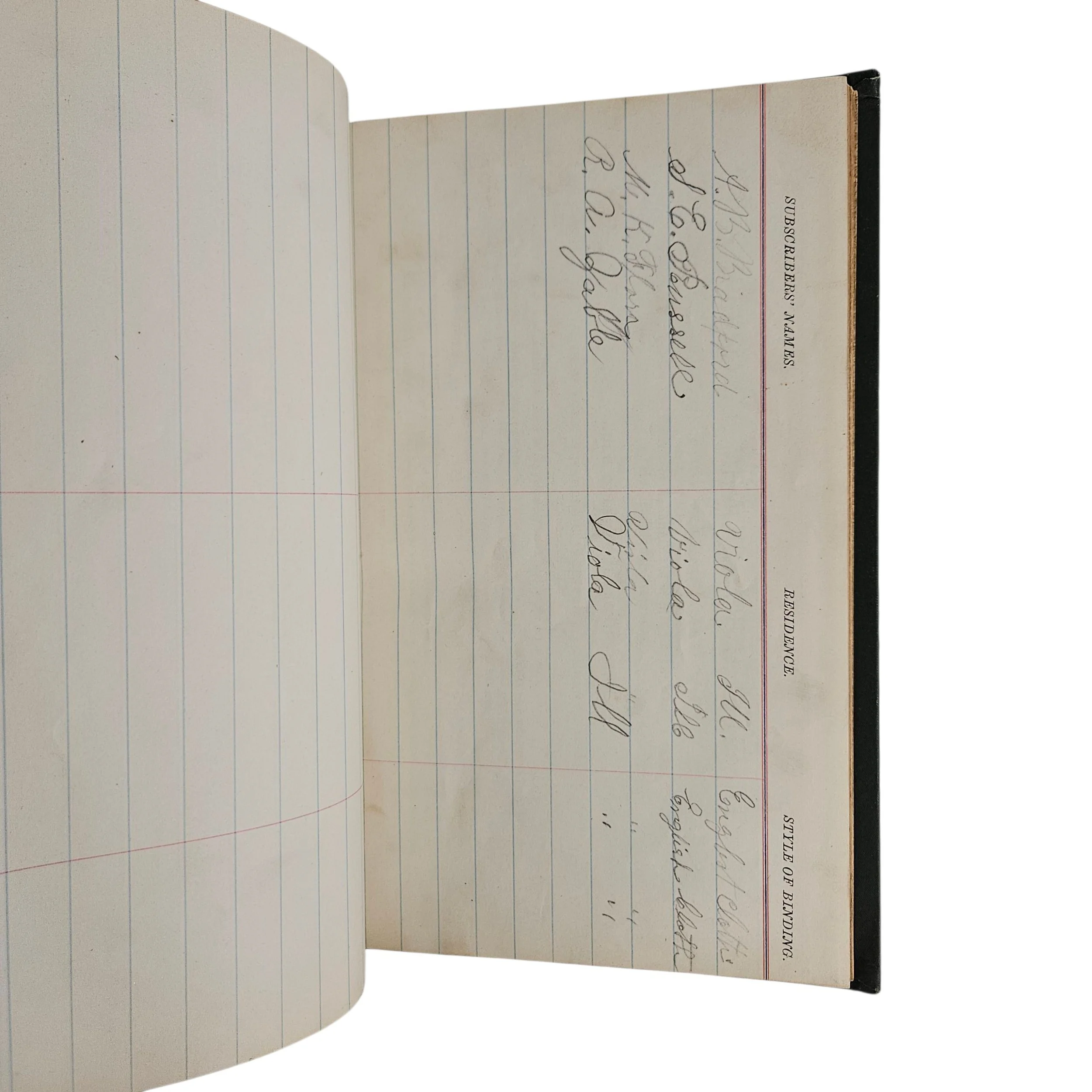 Image 9 of 23
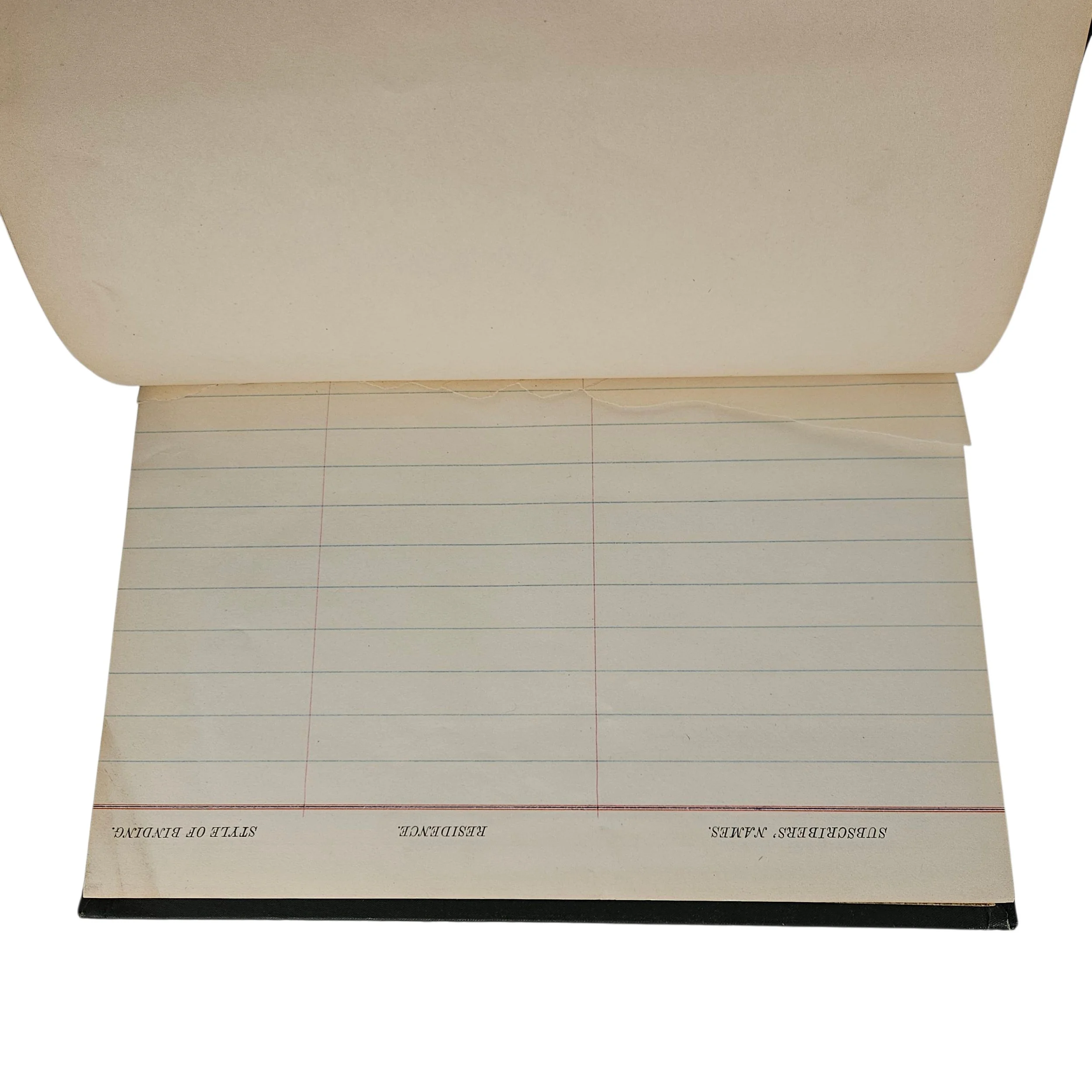 Image 10 of 23
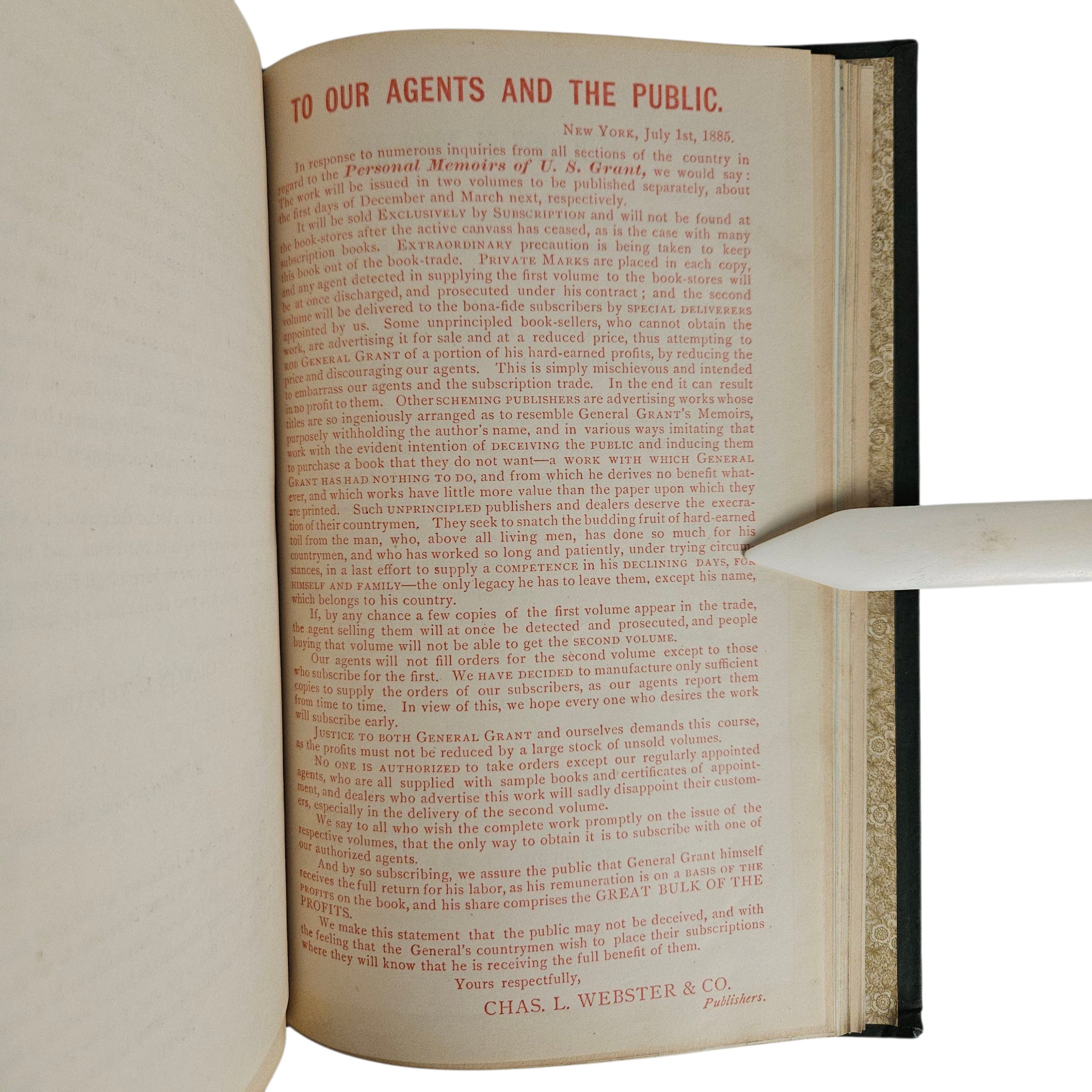 Image 11 of 23
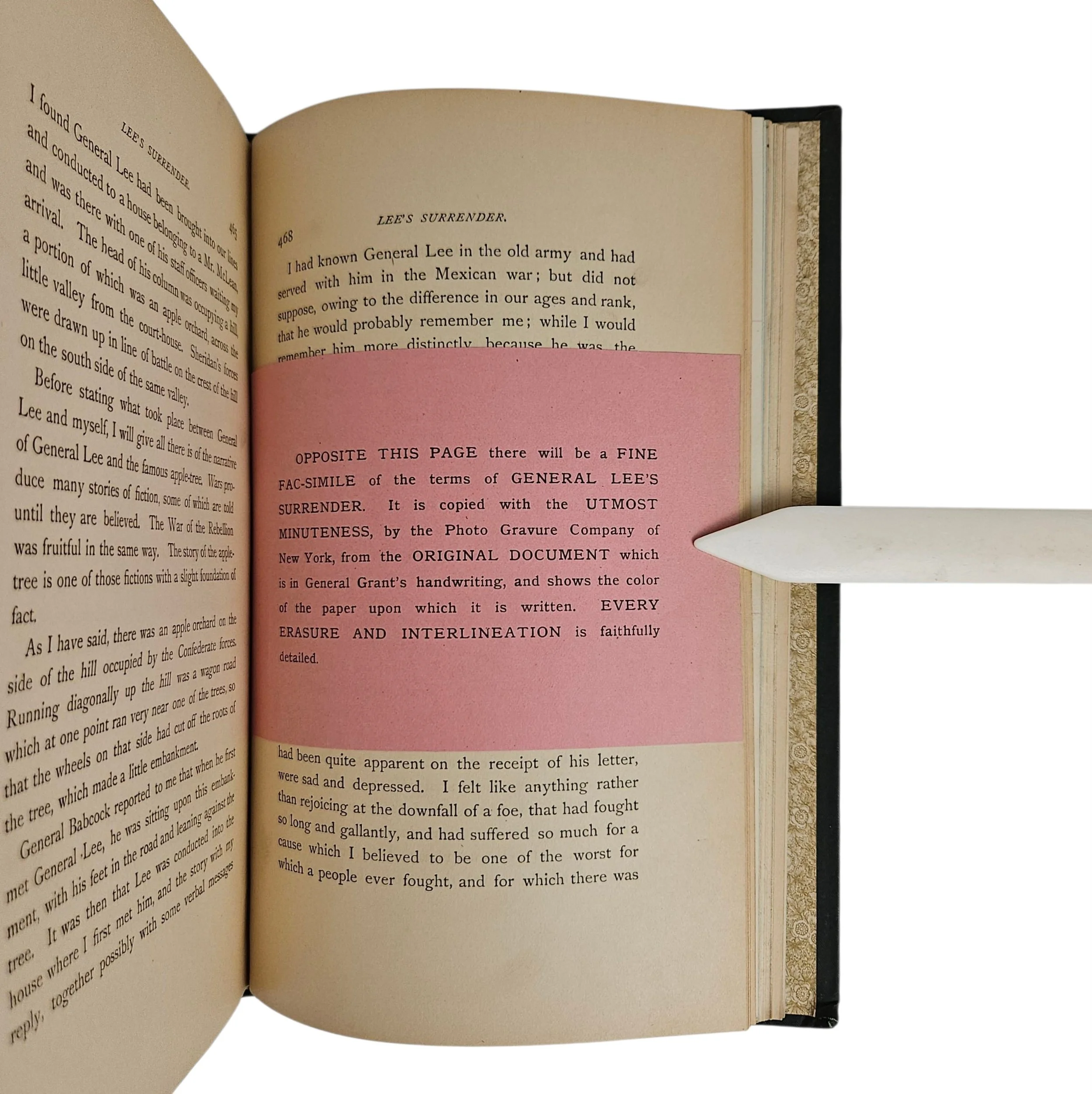 Image 12 of 23
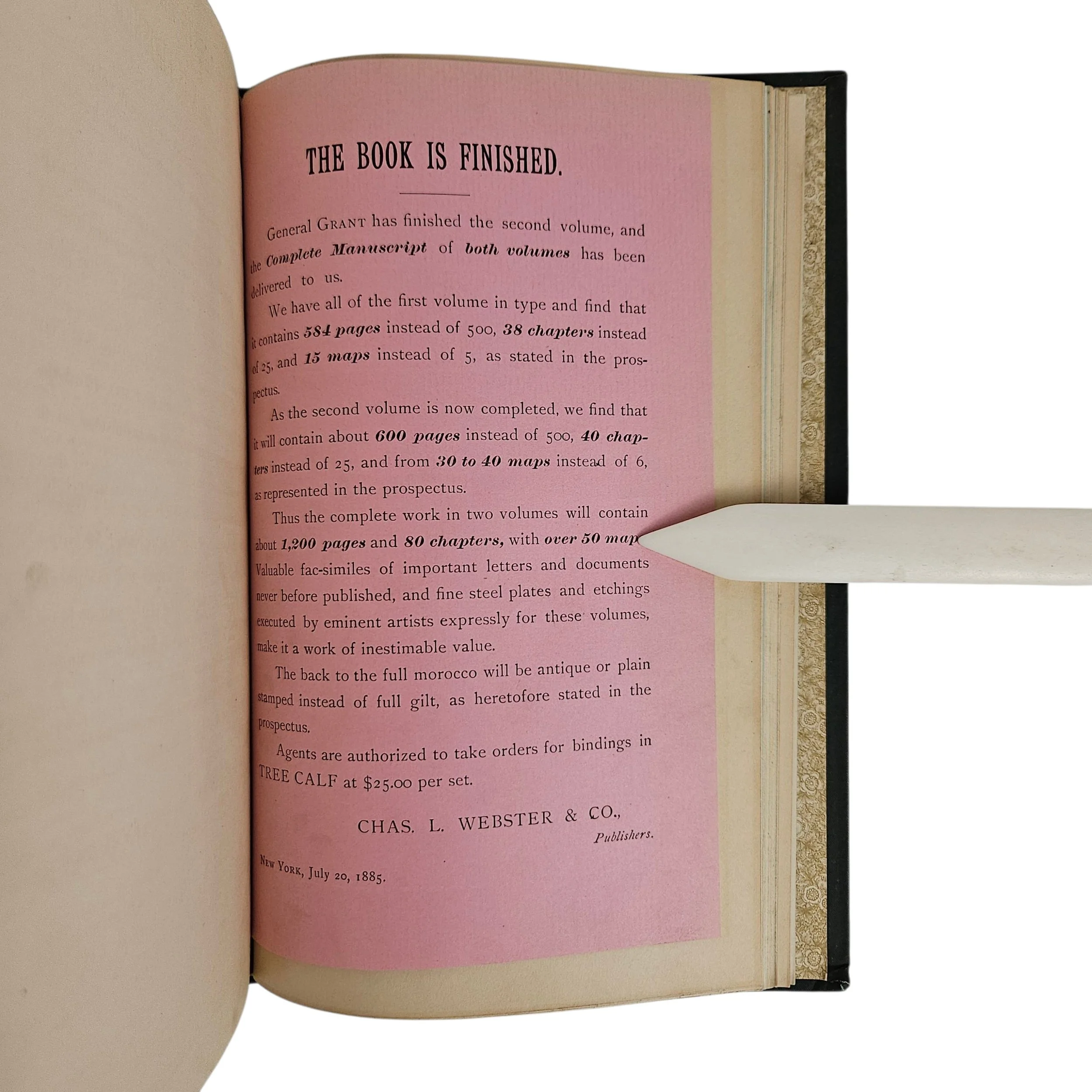 Image 13 of 23
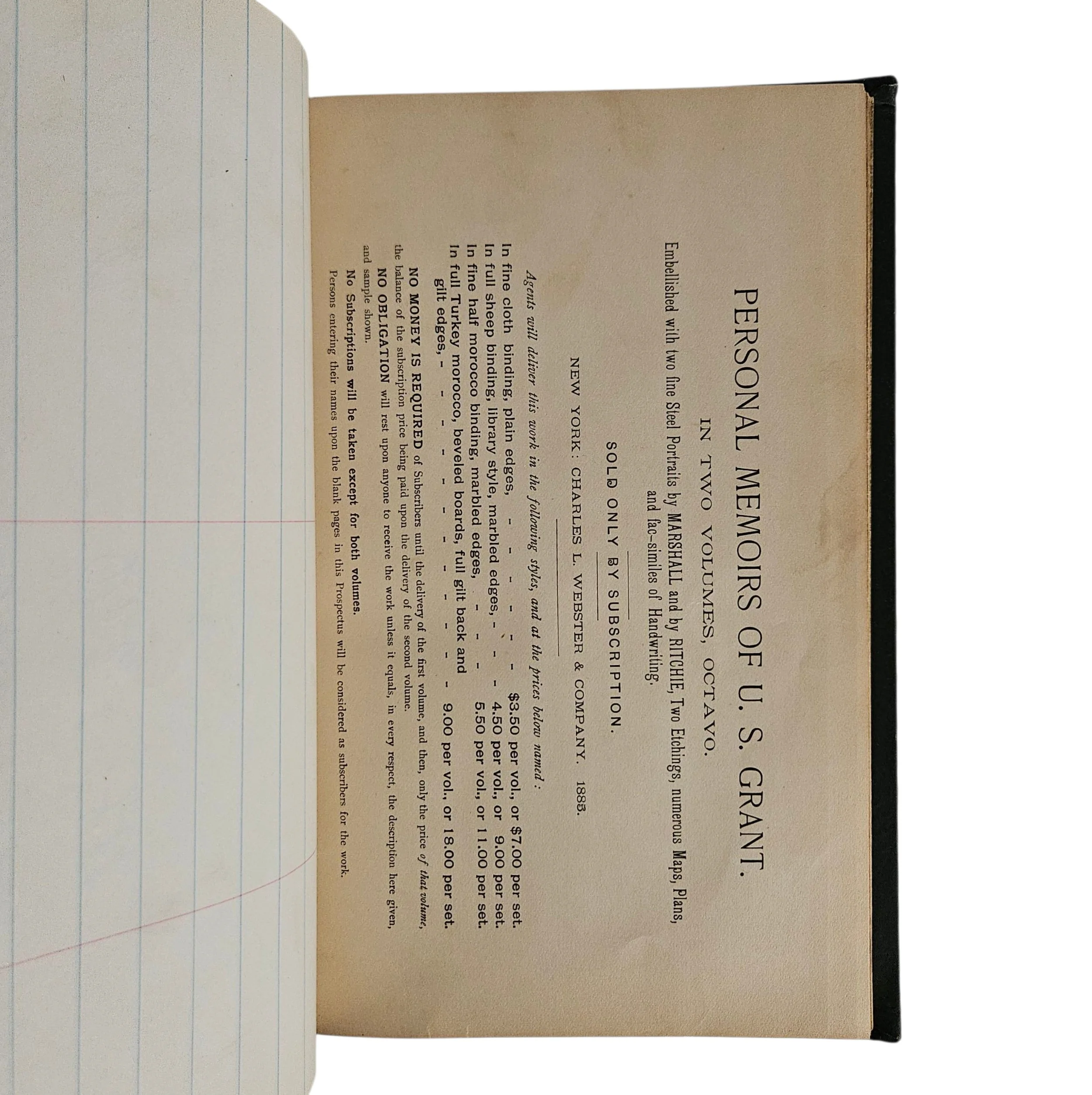 Image 14 of 23
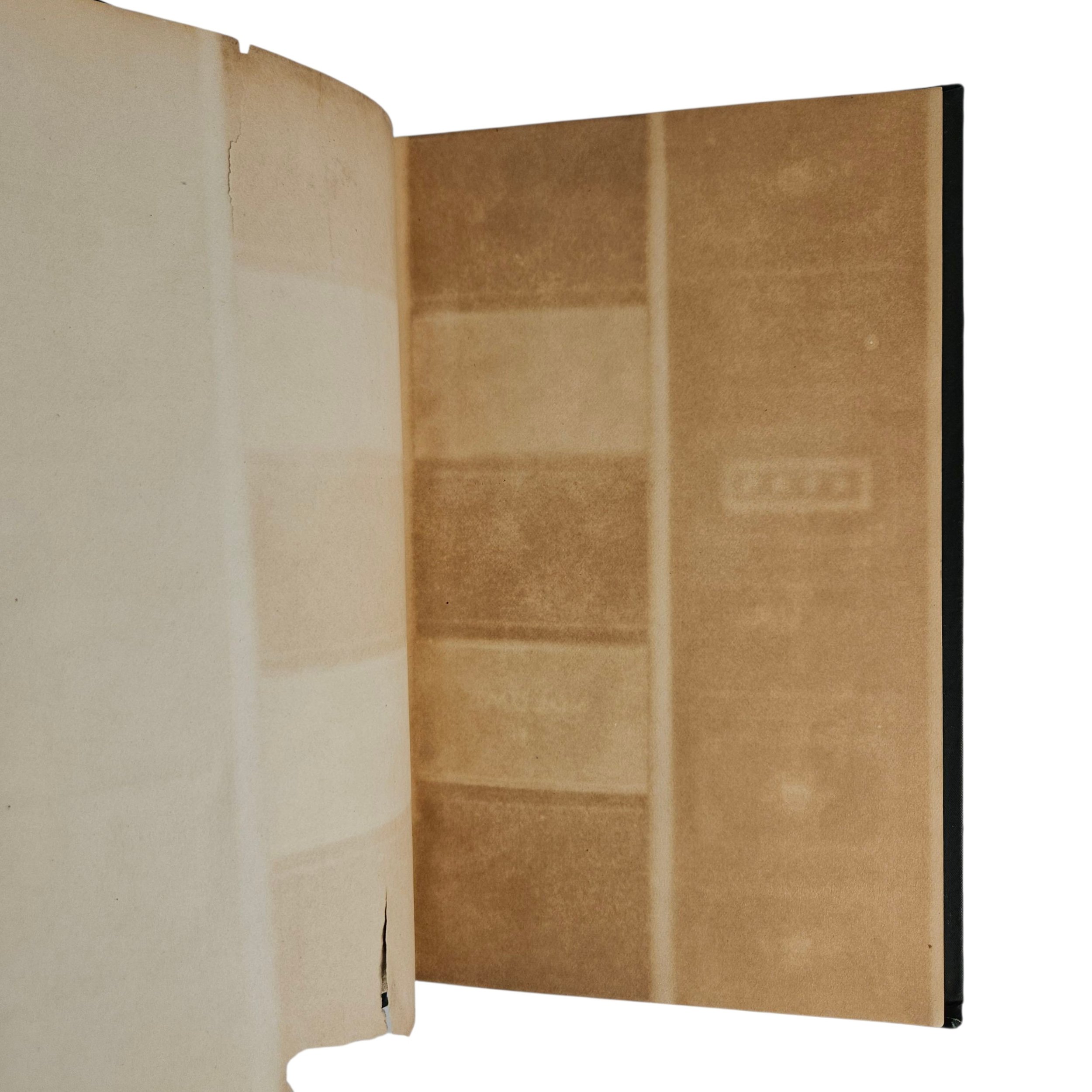 Image 15 of 23
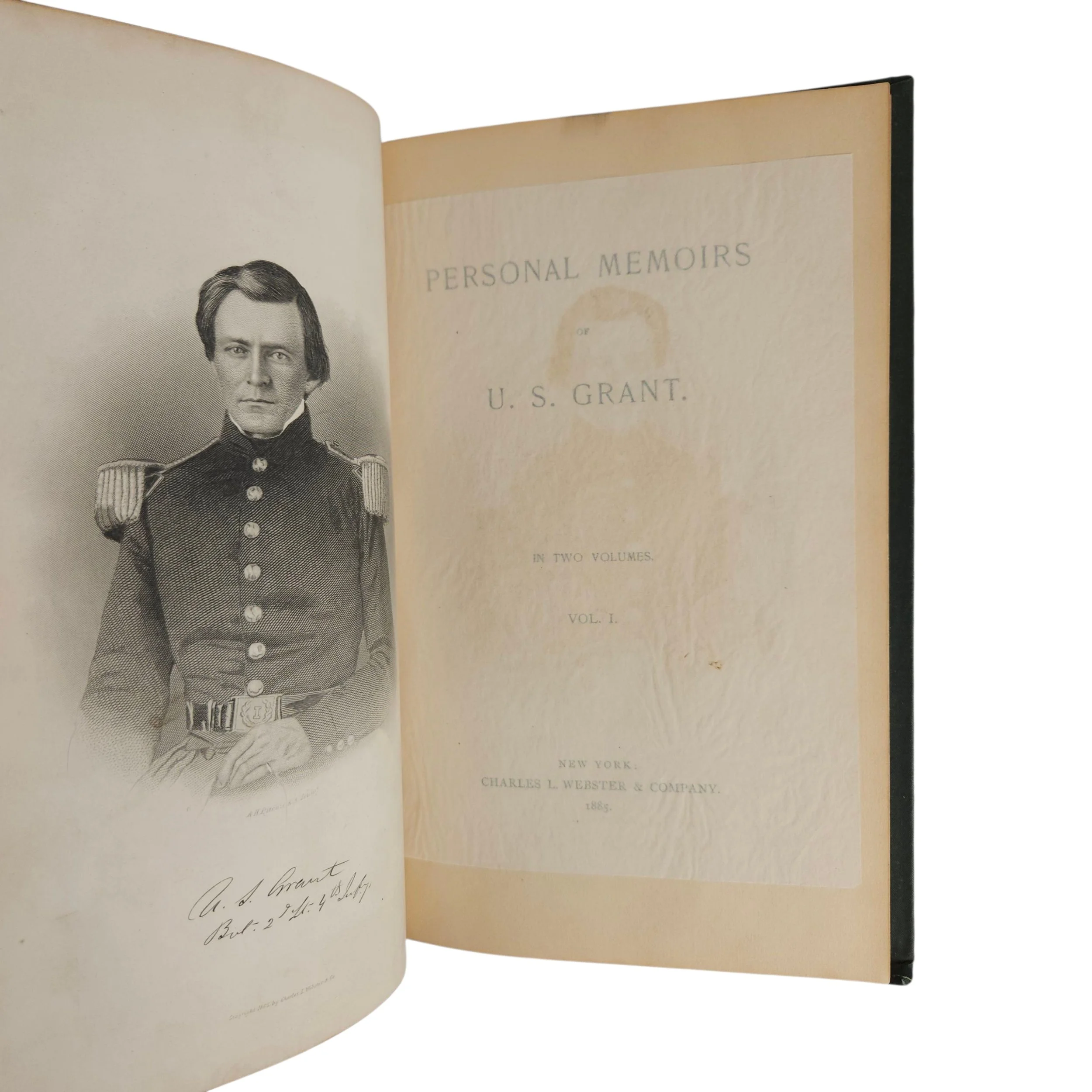 Image 16 of 23
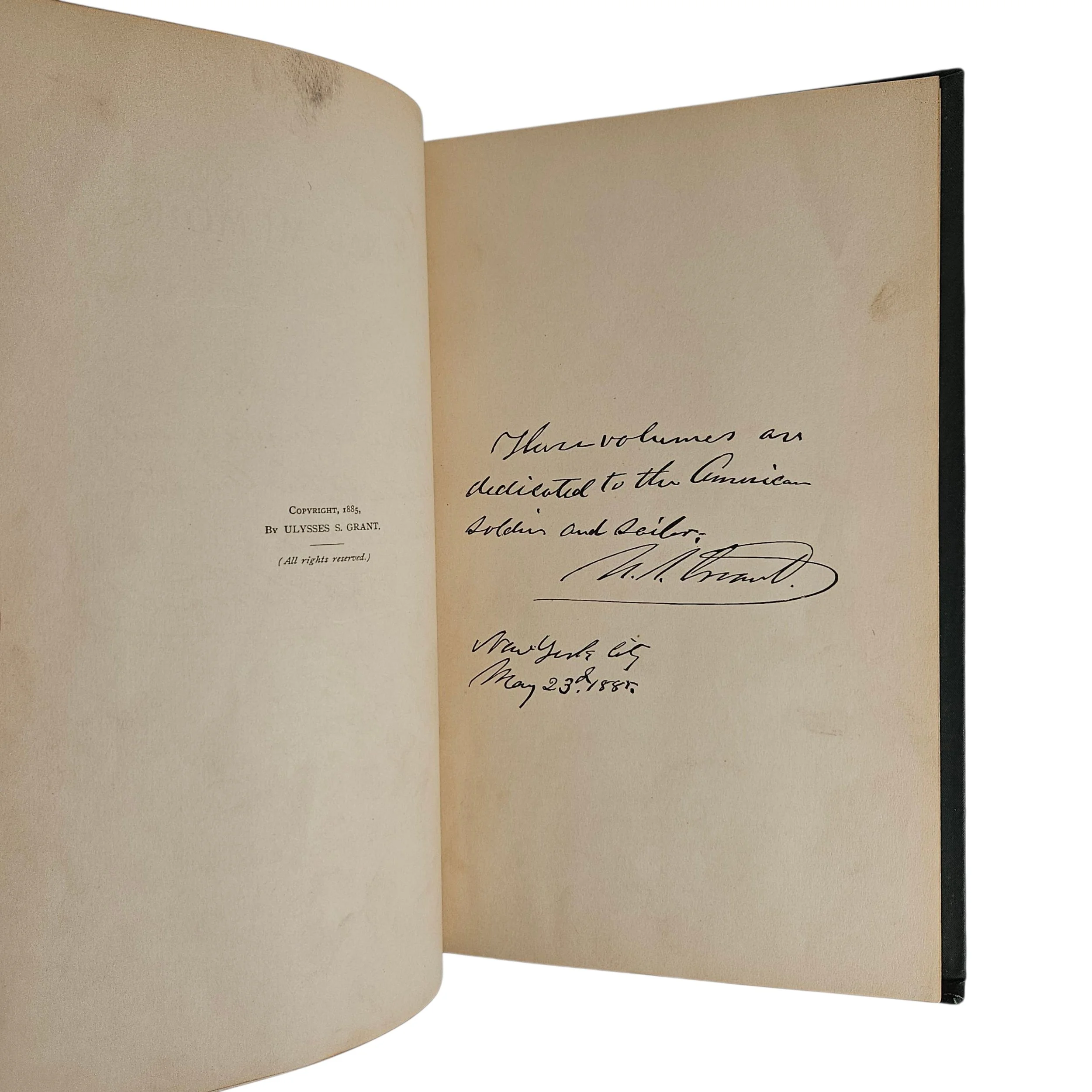 Image 17 of 23
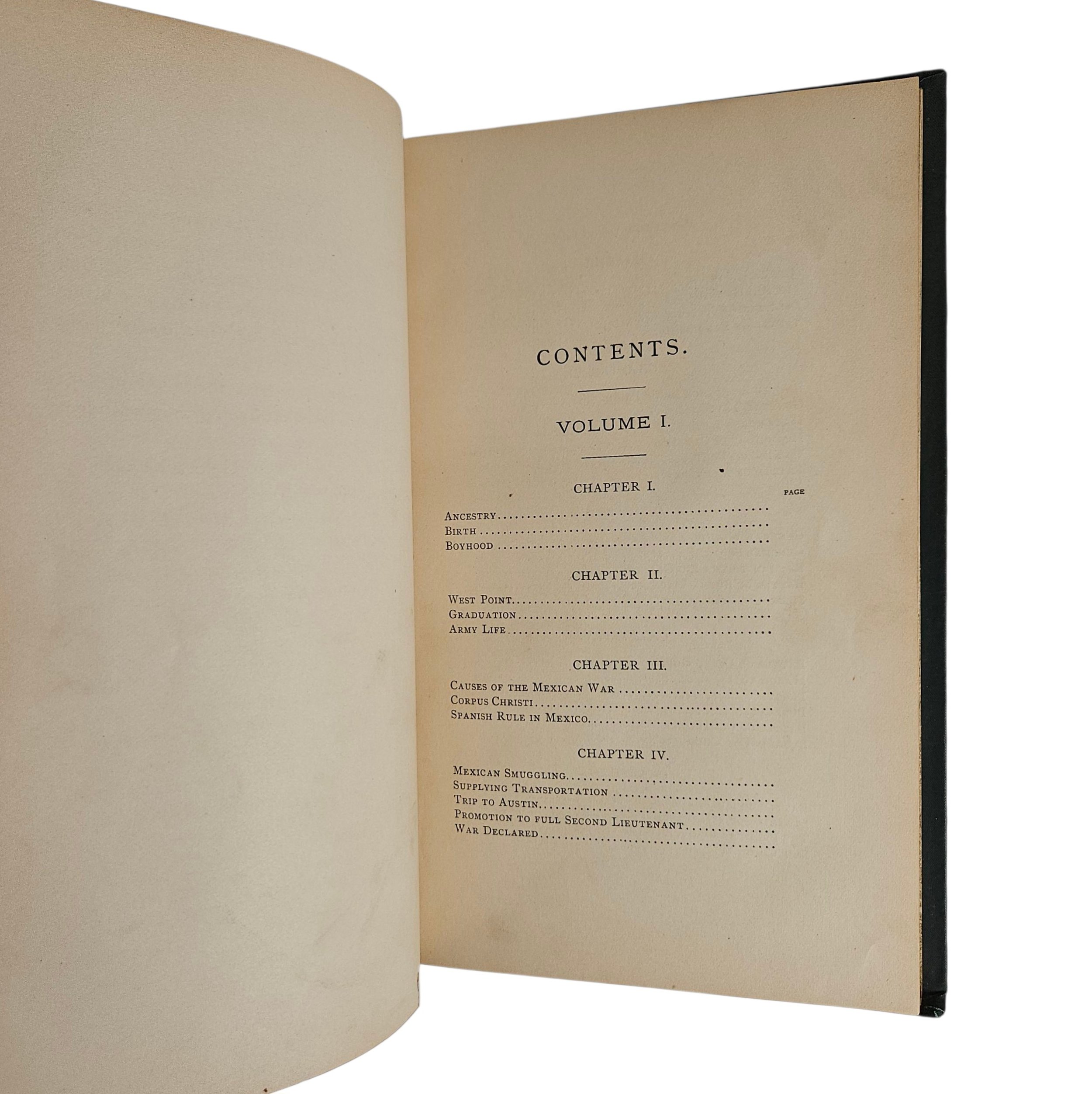 Image 18 of 23
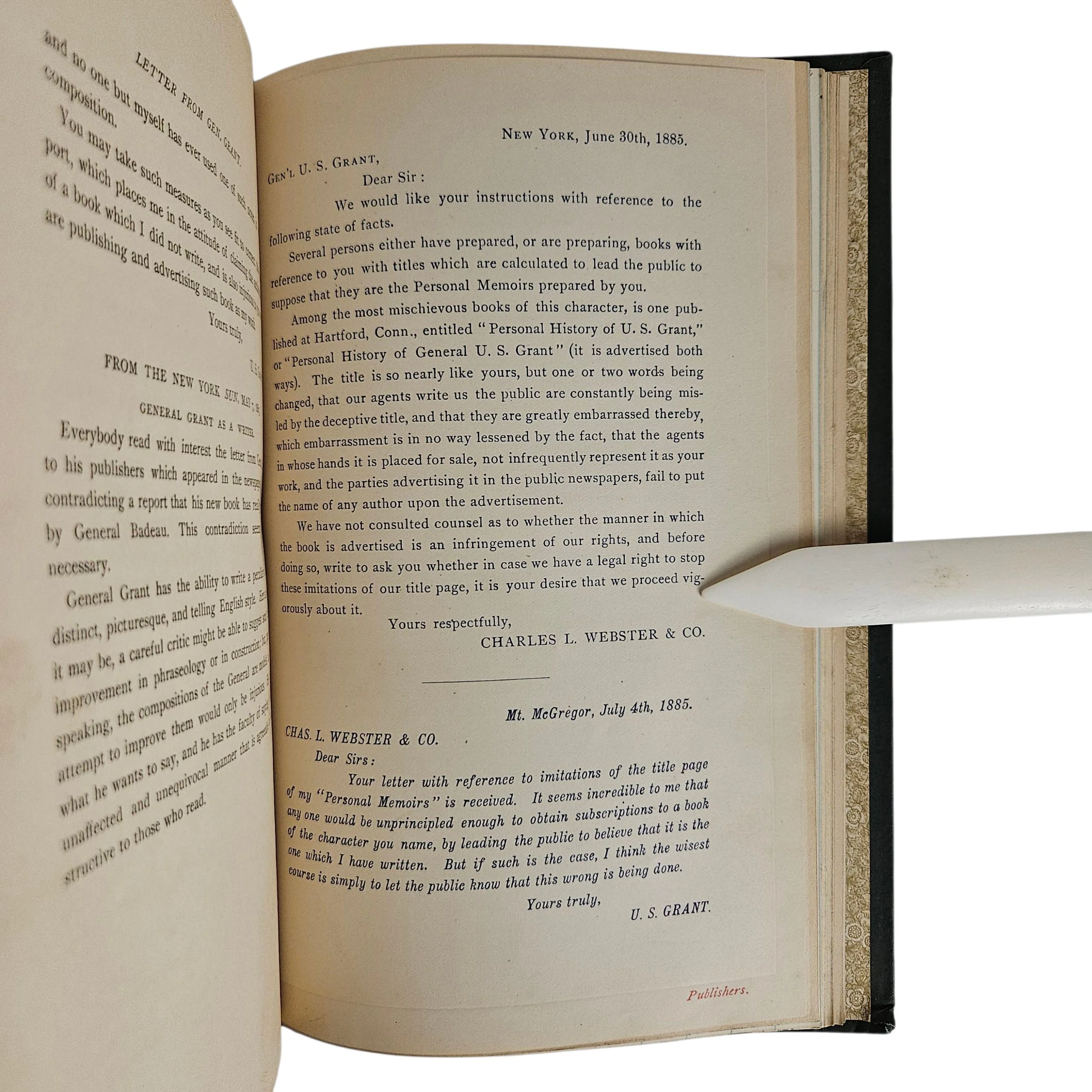 Image 19 of 23
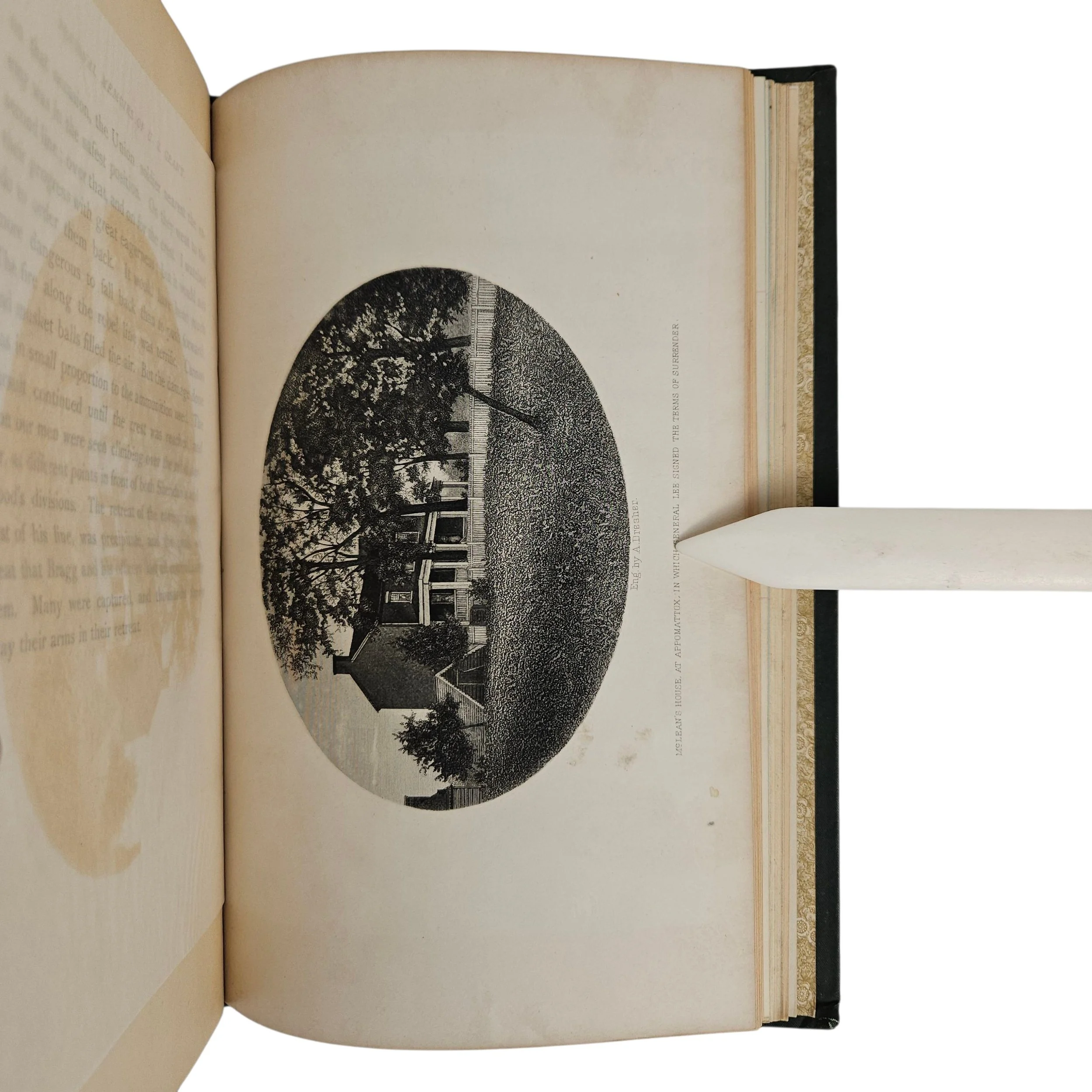 Image 20 of 23
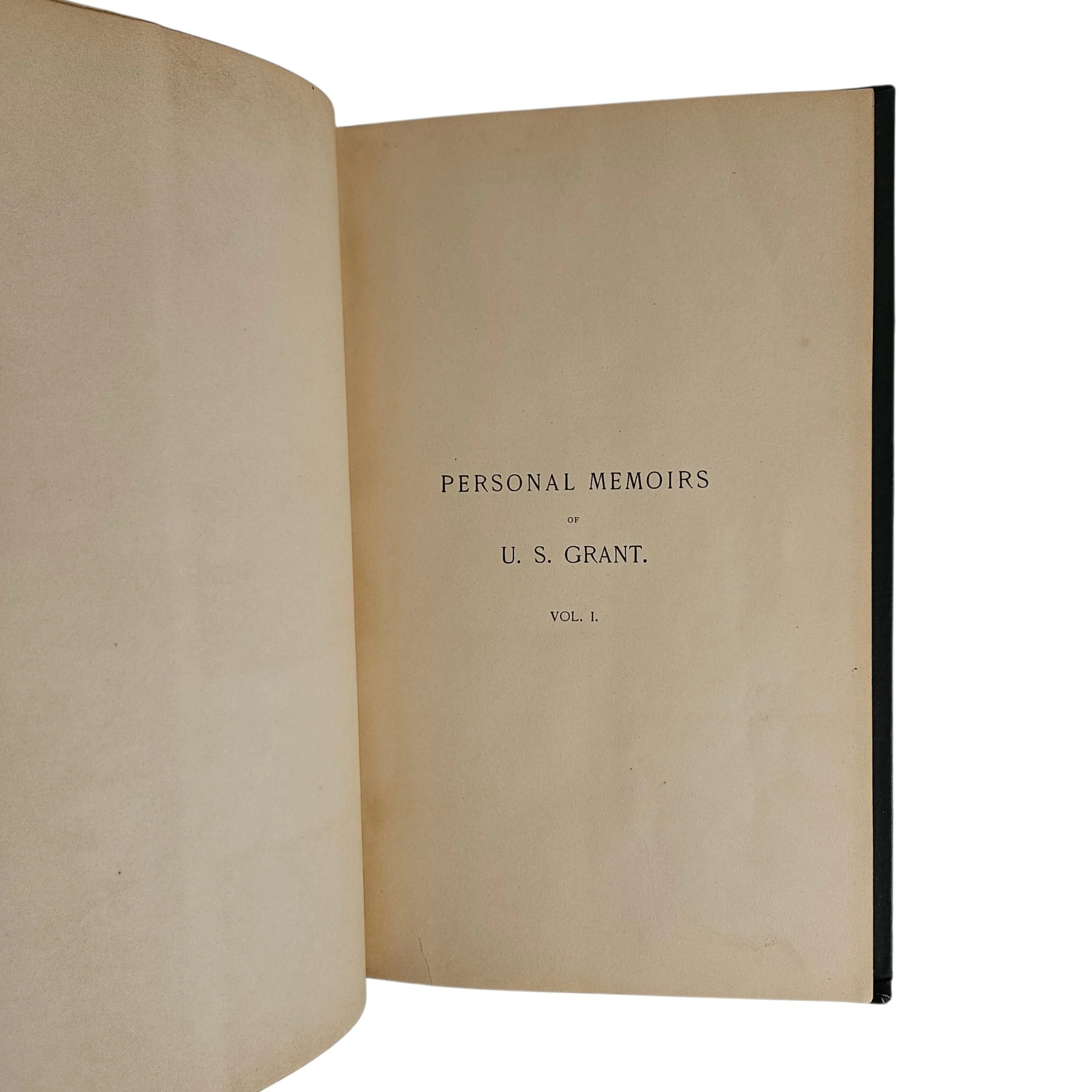 Image 21 of 23
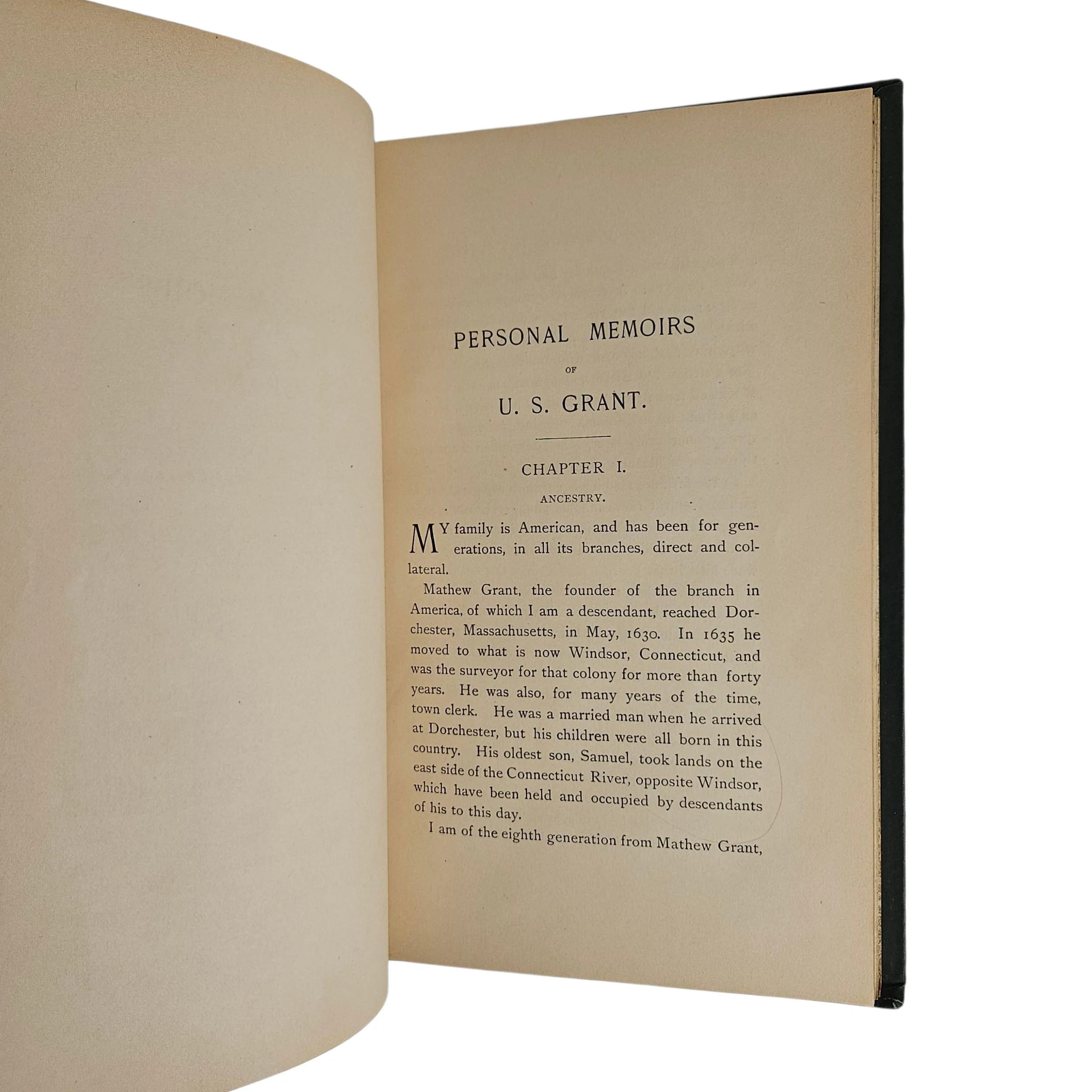 Image 22 of 23
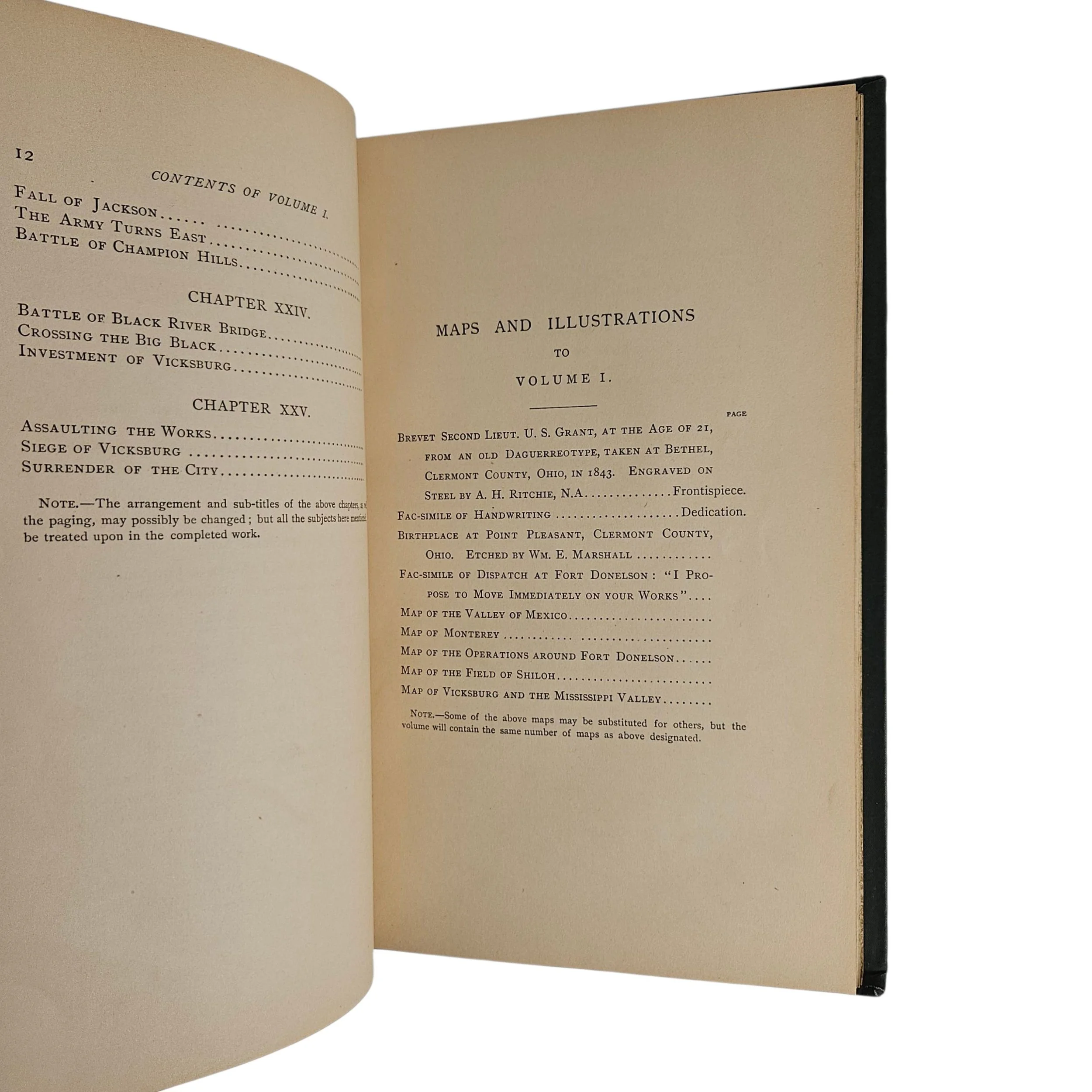 Image 23 of 23