Publisher and Year: London: John Murray, 1872
Edition: Sixth edition, with additions and corrections. Second issue, with "twelfth thousand" on the title page (the first issue reads "eleventh"), referring to the cumulative number of copies printed across all editions beginning with the first edition of 1859. The sixth edition of The Origin of Species was the last to be revised and published in Darwin’s lifetime. It was also the earliest edition of that book to use the term “evolution,” though Darwin had introduced the term in his writings a year earlier in The Descent of Man (1871). (Freeman, 1977)
Condition and Description: Octavo, green cloth stamped in gilt and blind, plain edges, brown endpapers, folding diagram at p. 90, 458 pp. (+ glossary and index). Rubbing, spotting, and some soiling to the boards. Tips exposed. Spine ends a little frayed. Spine strip and top edge darkened. Gilt legible. Hinges just starting, with some splitting to the endpapers (closeups provided). Internal binding generally secure and a little shaken, with a crack to the gutter of p. 91, another less significant instance at p. 145, and occasional over-opening throughout. All pages remain firmly attached. Bookseller pencil markings to the verso of the front free endpaper. Small and likely contemporary pencil mark to p. 1 and two such marks to the final page of text. Previous owner’s bookplate to the front pastedown (“Wilmot Holt”) and a stamp of the same name to the first blank leaf. Ink name of a later owner to the front free endpaper. Mild foxing to the preliminary and terminal leaves, with the interior pages generally clear and only very occasionally affected.
"One general law, leading to the advancement of all organic beings, namely, multiply, vary, let the strongest live and the weakest die."
Inventory ID: 857 - 164 - 844
Publisher and Year: London: John Murray, 1872
Edition: Sixth edition, with additions and corrections. Second issue, with "twelfth thousand" on the title page (the first issue reads "eleventh"), referring to the cumulative number of copies printed across all editions beginning with the first edition of 1859. The sixth edition of The Origin of Species was the last to be revised and published in Darwin’s lifetime. It was also the earliest edition of that book to use the term “evolution,” though Darwin had introduced the term in his writings a year earlier in The Descent of Man (1871). (Freeman, 1977)
Condition and Description: Octavo, green cloth stamped in gilt and blind, plain edges, brown endpapers, folding diagram at p. 90, 458 pp. (+ glossary and index). Rubbing, spotting, and some soiling to the boards. Tips exposed. Spine ends a little frayed. Spine strip and top edge darkened. Gilt legible. Hinges just starting, with some splitting to the endpapers (closeups provided). Internal binding generally secure and a little shaken, with a crack to the gutter of p. 91, another less significant instance at p. 145, and occasional over-opening throughout. All pages remain firmly attached. Bookseller pencil markings to the verso of the front free endpaper. Small and likely contemporary pencil mark to p. 1 and two such marks to the final page of text. Previous owner’s bookplate to the front pastedown (“Wilmot Holt”) and a stamp of the same name to the first blank leaf. Ink name of a later owner to the front free endpaper. Mild foxing to the preliminary and terminal leaves, with the interior pages generally clear and only very occasionally affected.
"One general law, leading to the advancement of all organic beings, namely, multiply, vary, let the strongest live and the weakest die."
Inventory ID: 857 - 164 - 844

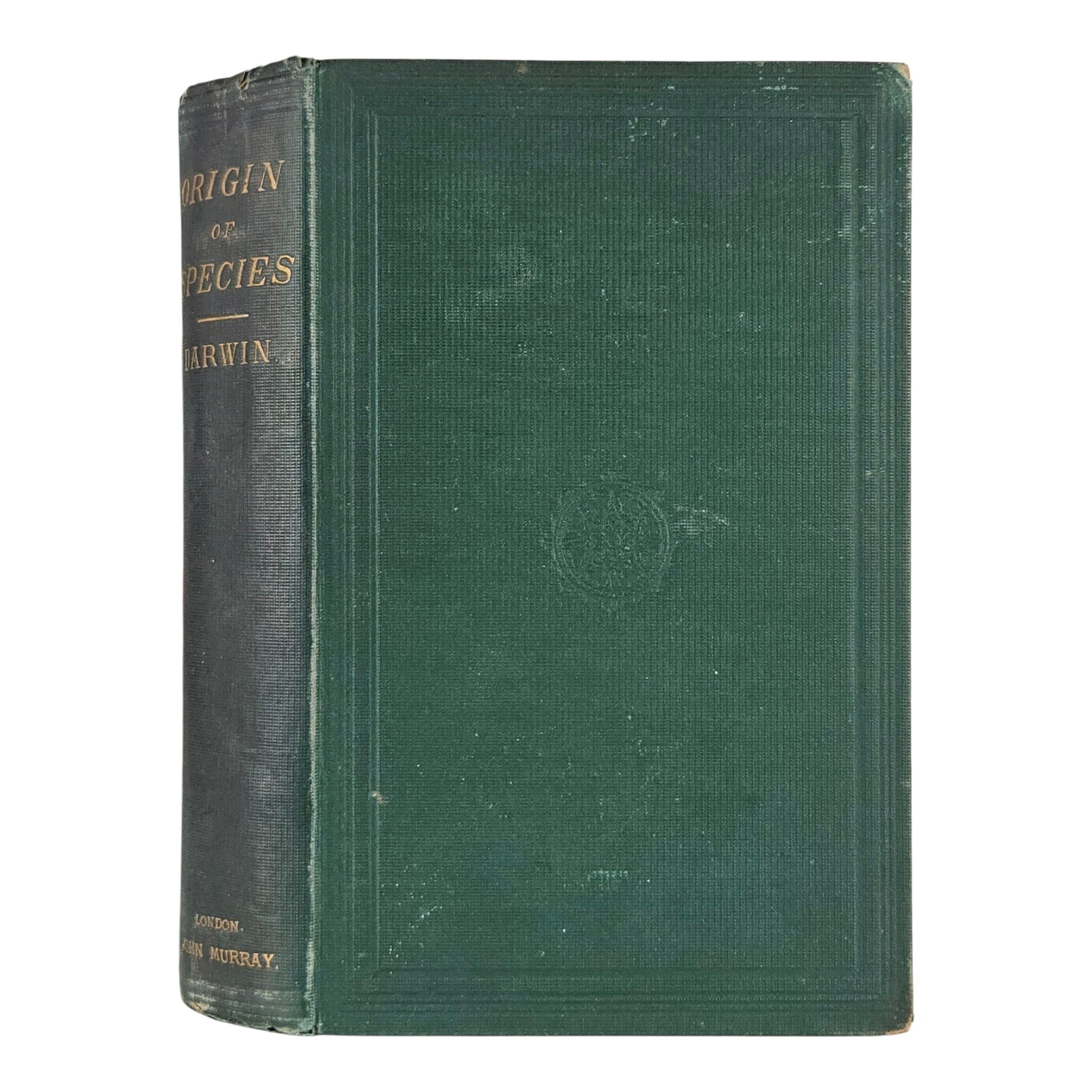 Image 1 of 23
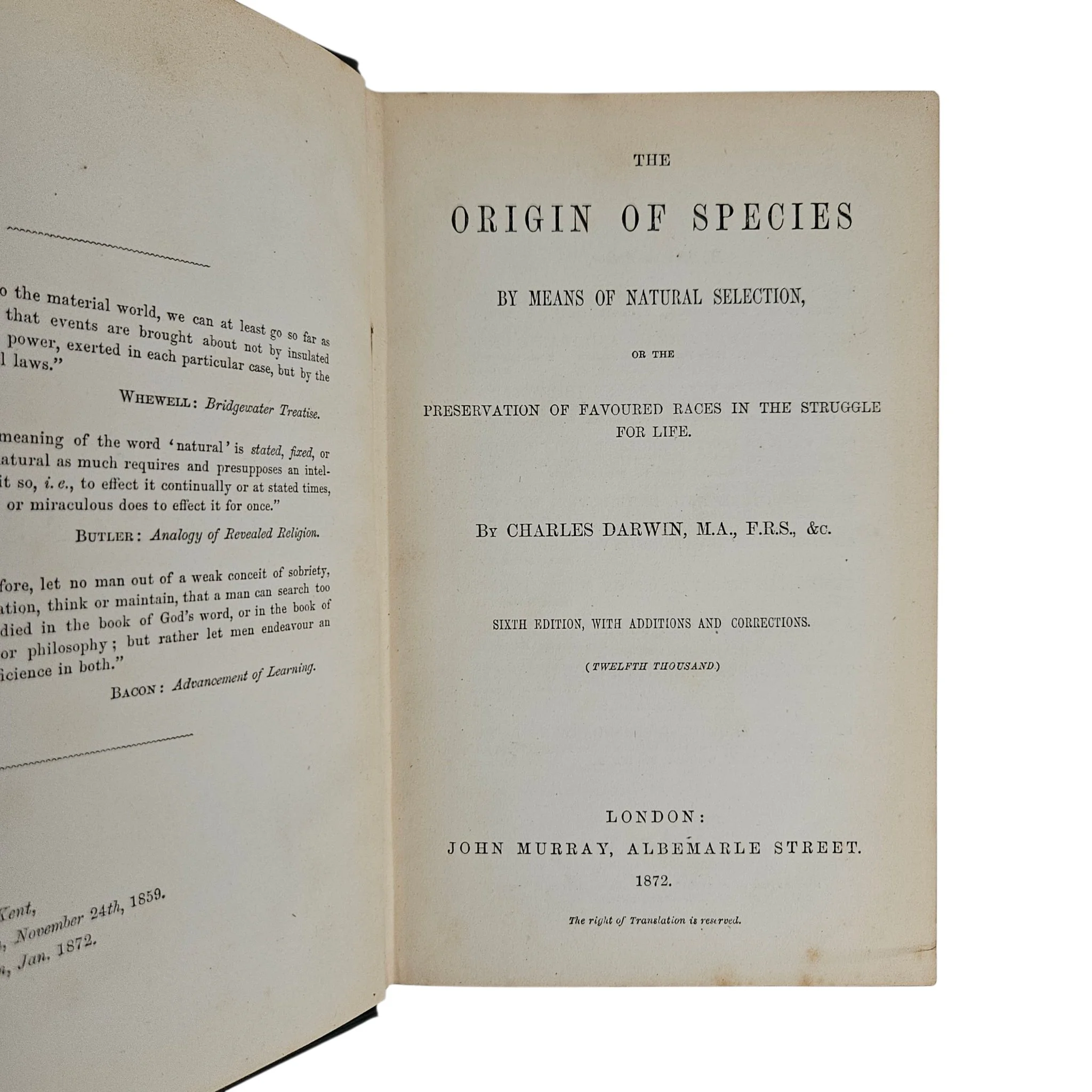 Image 2 of 23
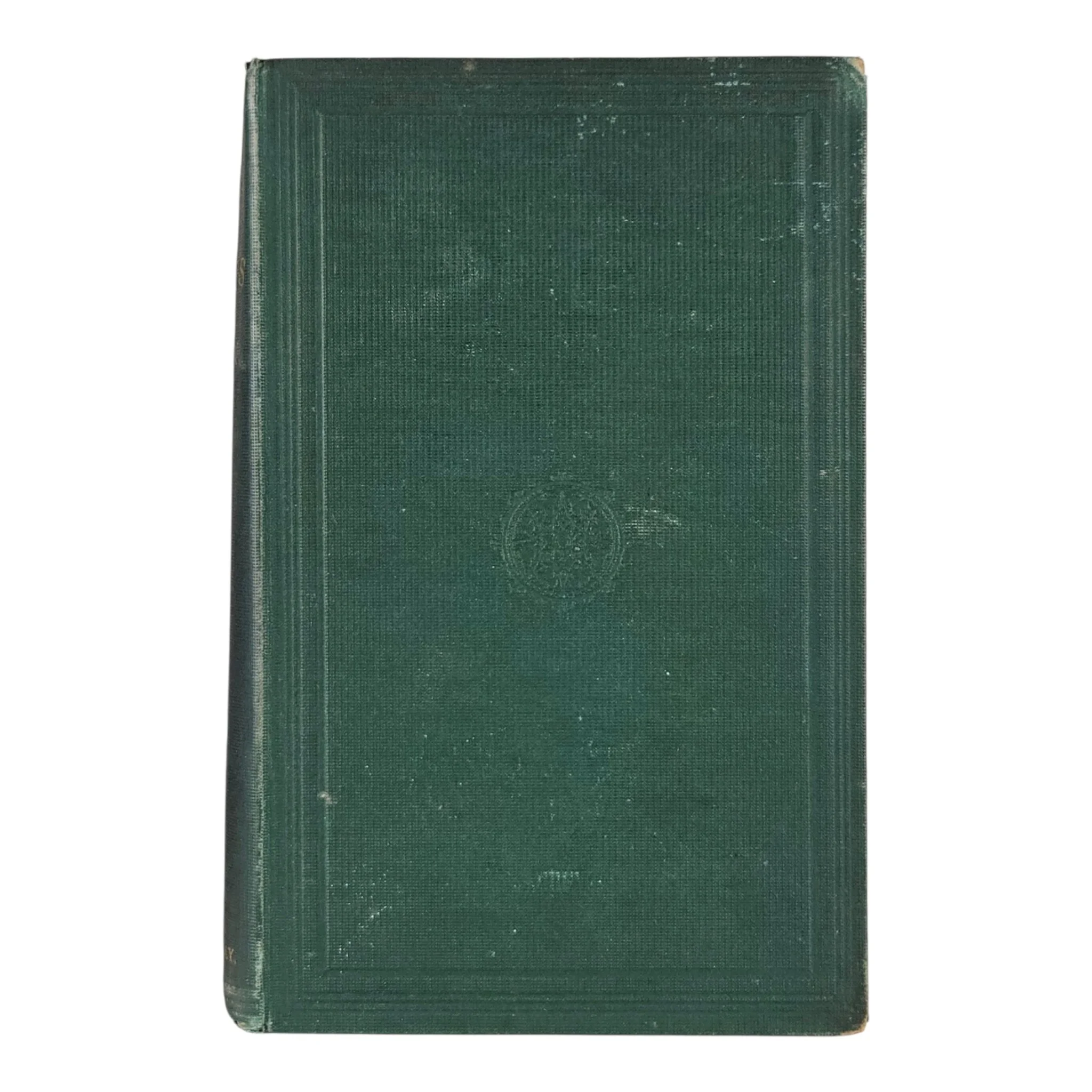 Image 3 of 23
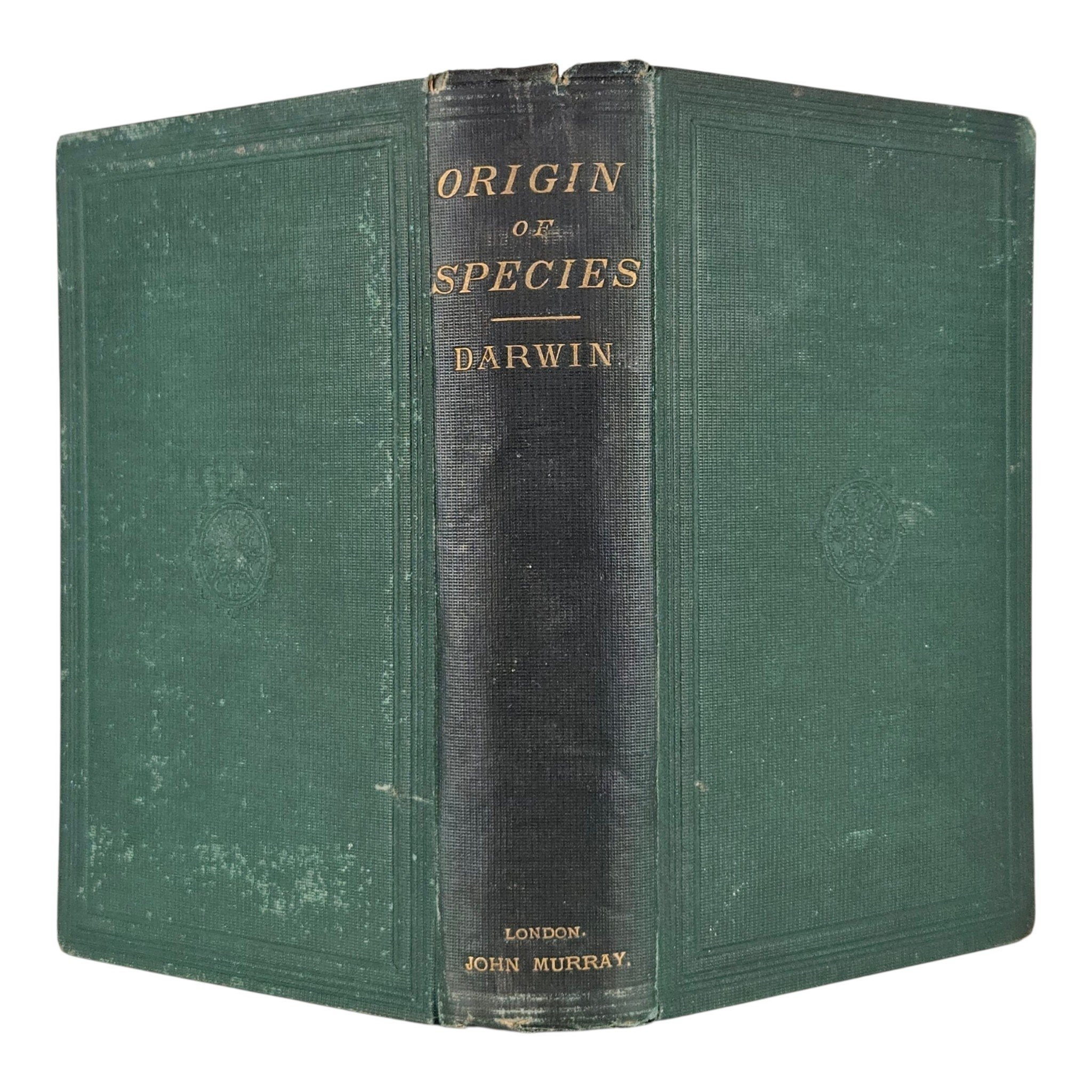 Image 4 of 23
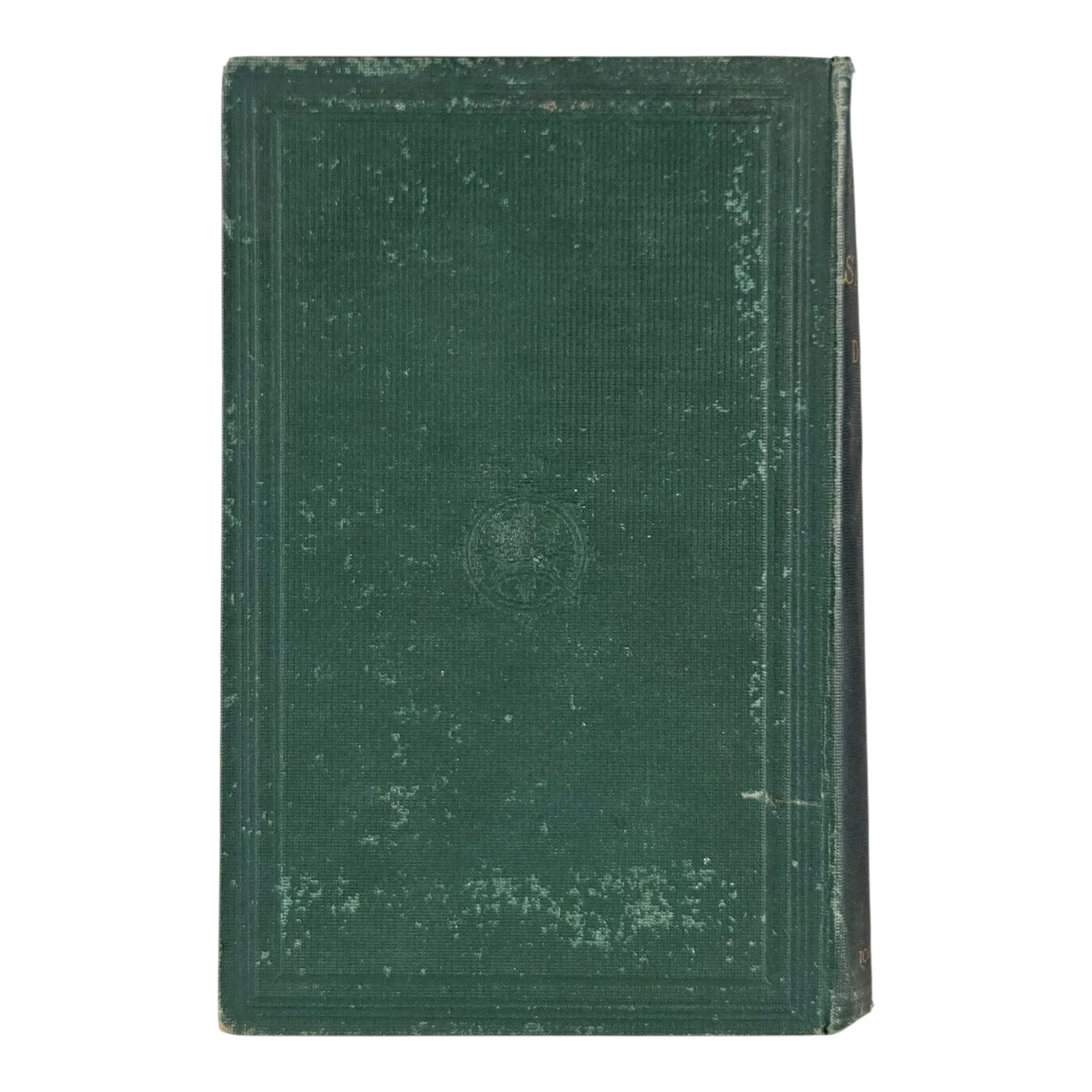 Image 5 of 23
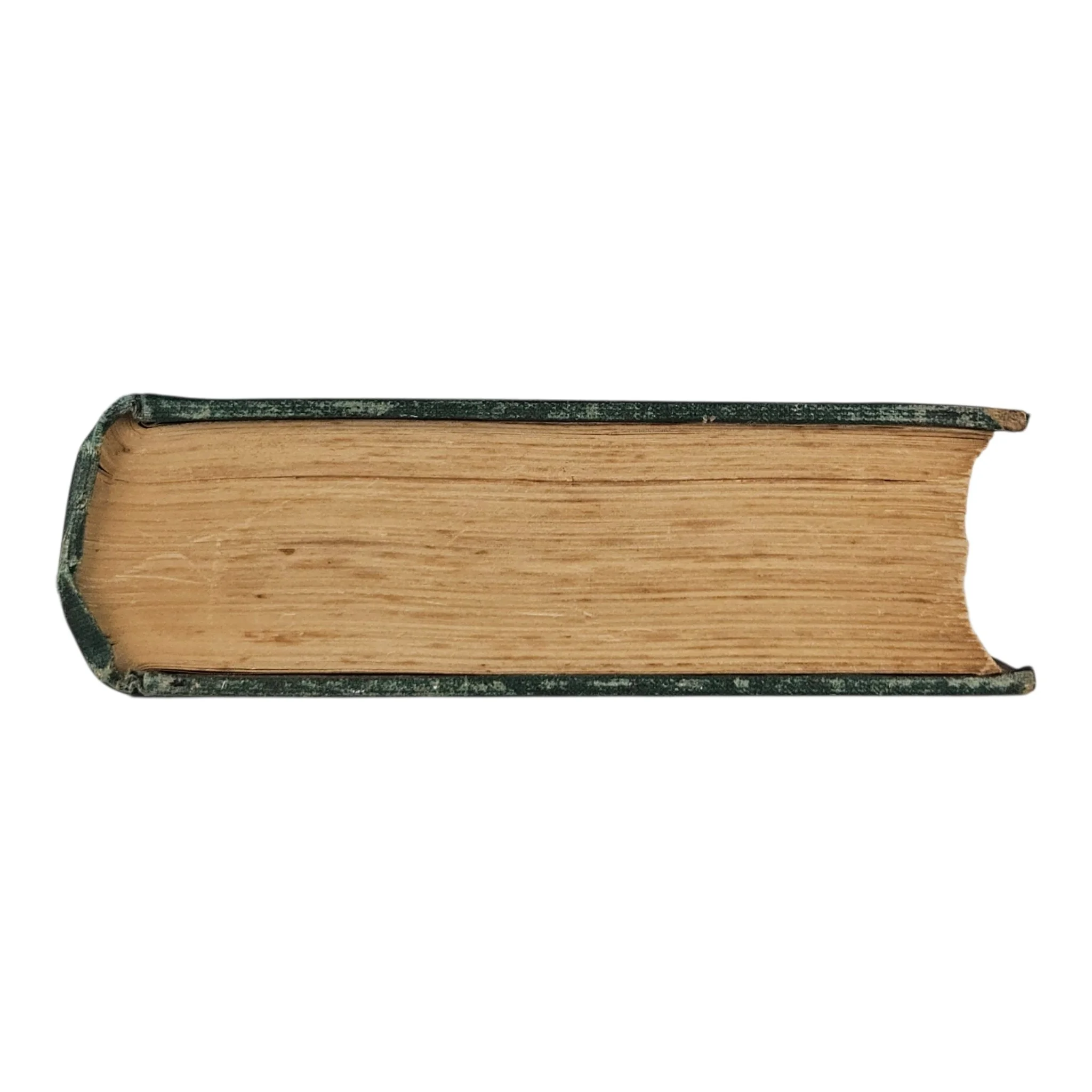 Image 6 of 23
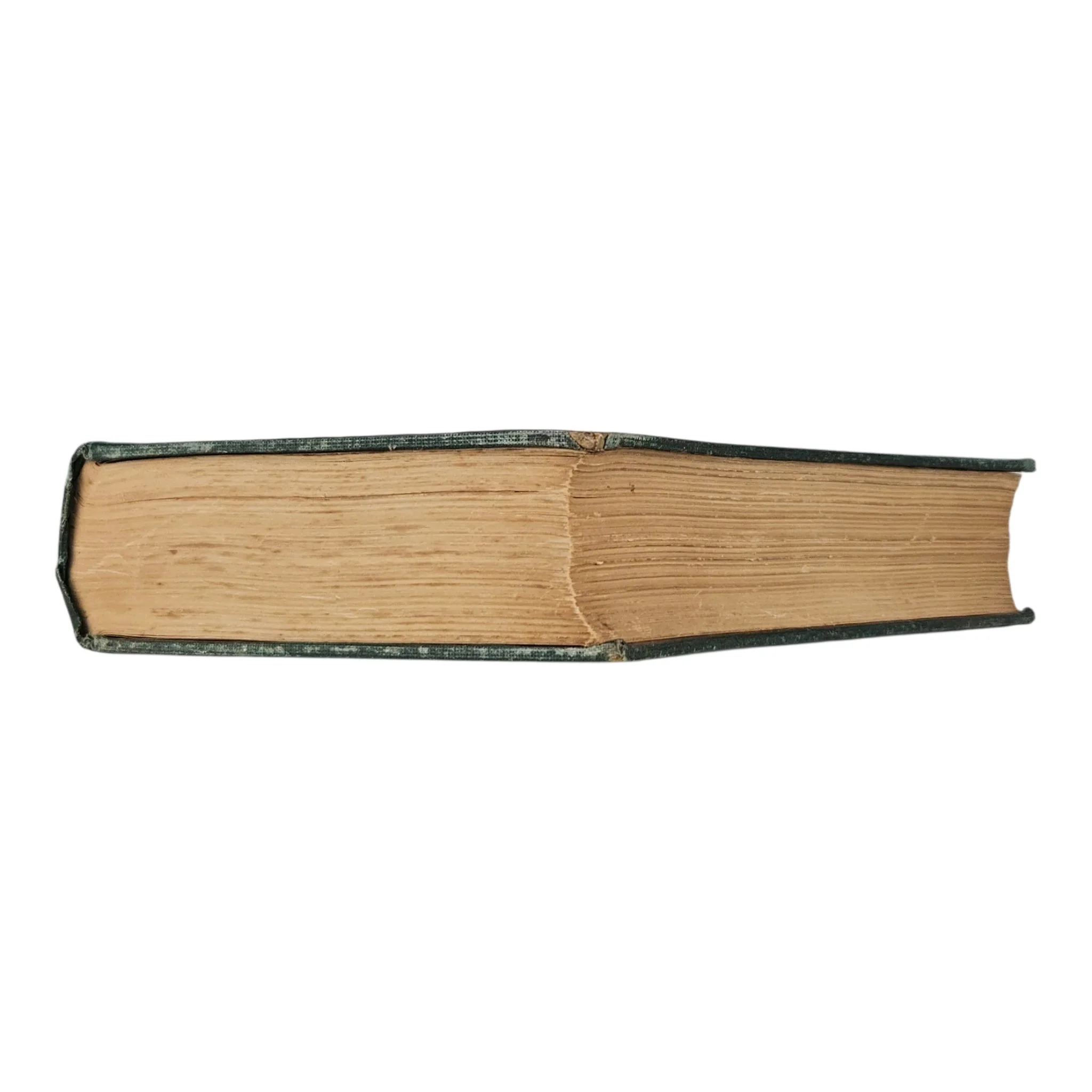 Image 7 of 23
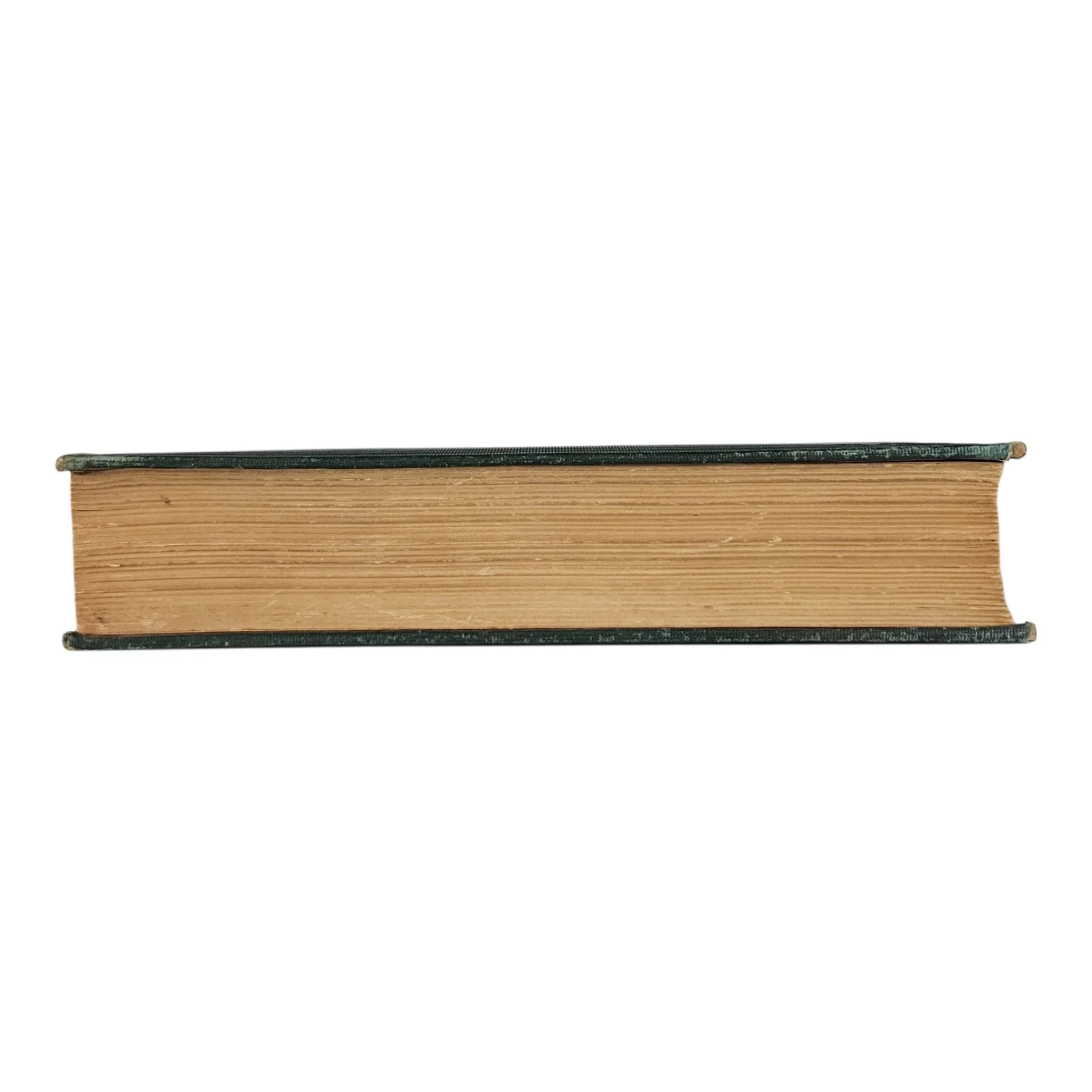 Image 8 of 23
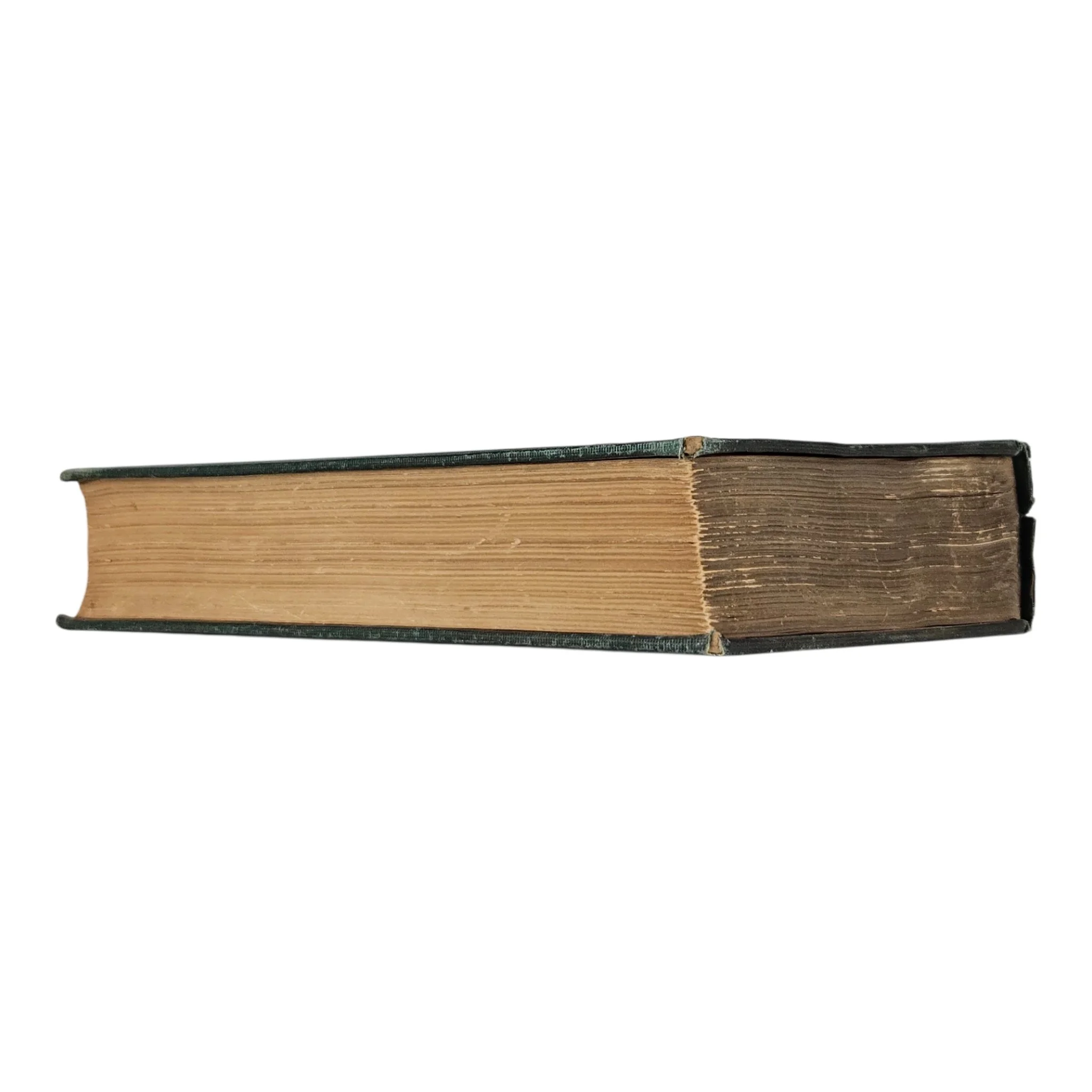 Image 9 of 23
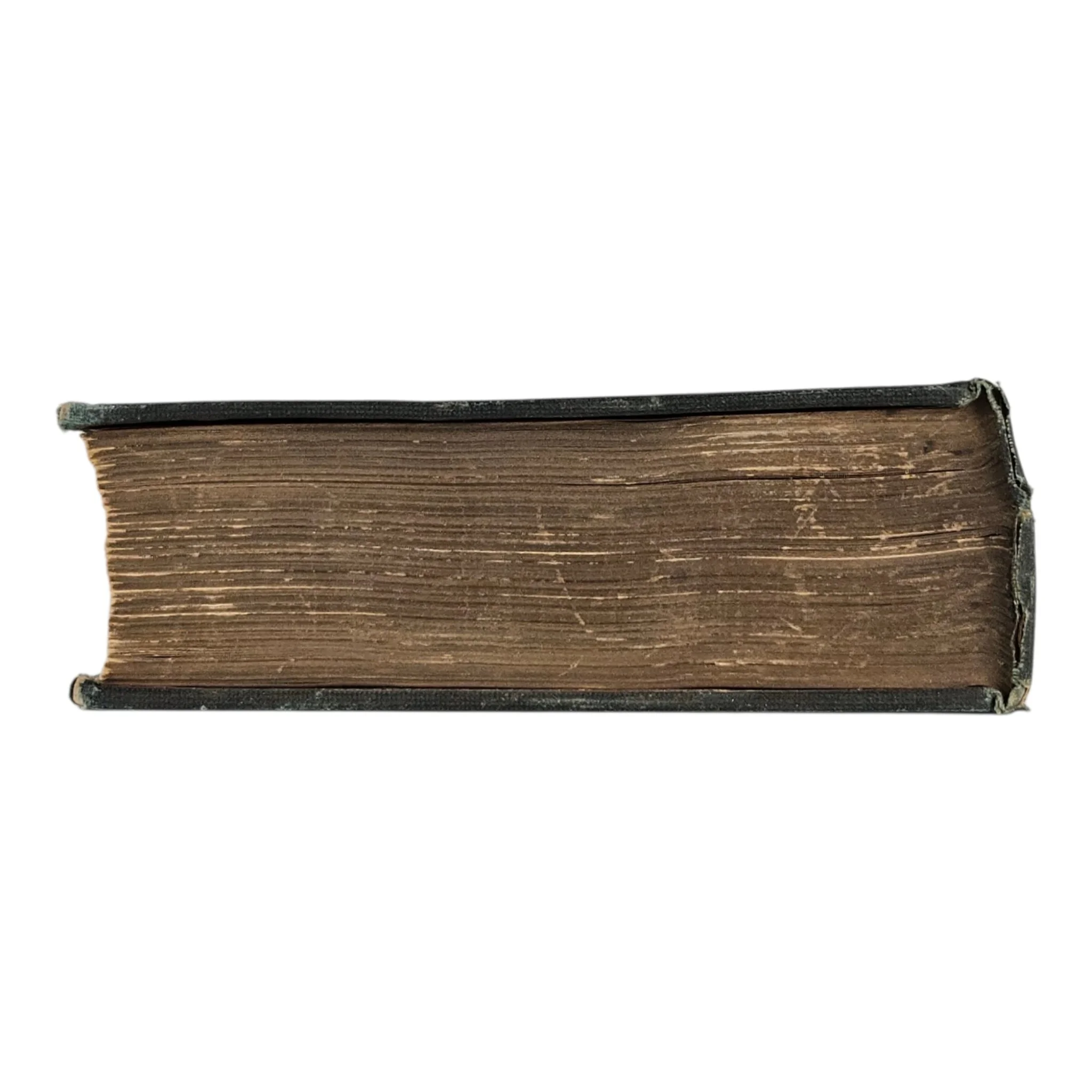 Image 10 of 23
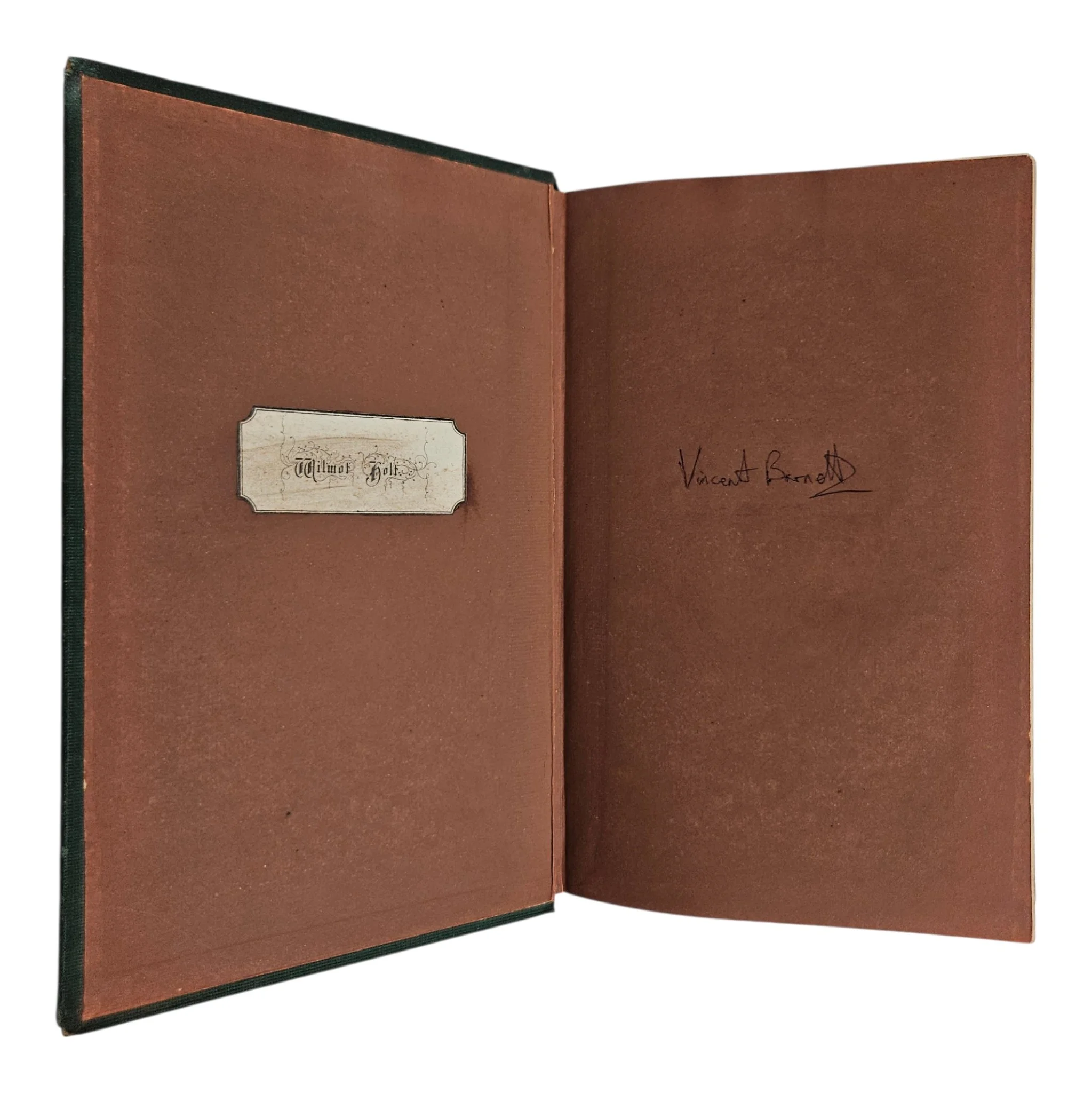 Image 11 of 23
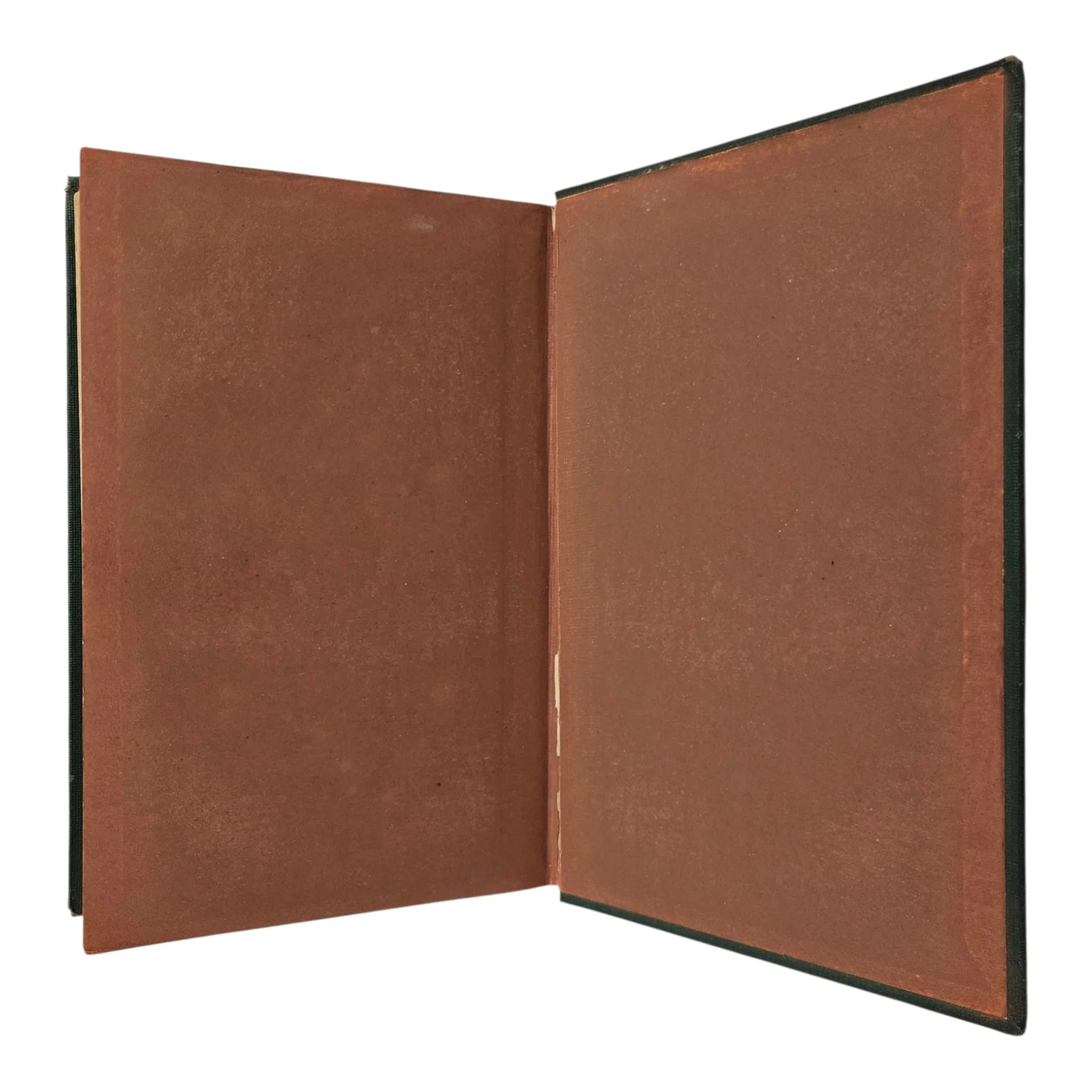 Image 12 of 23
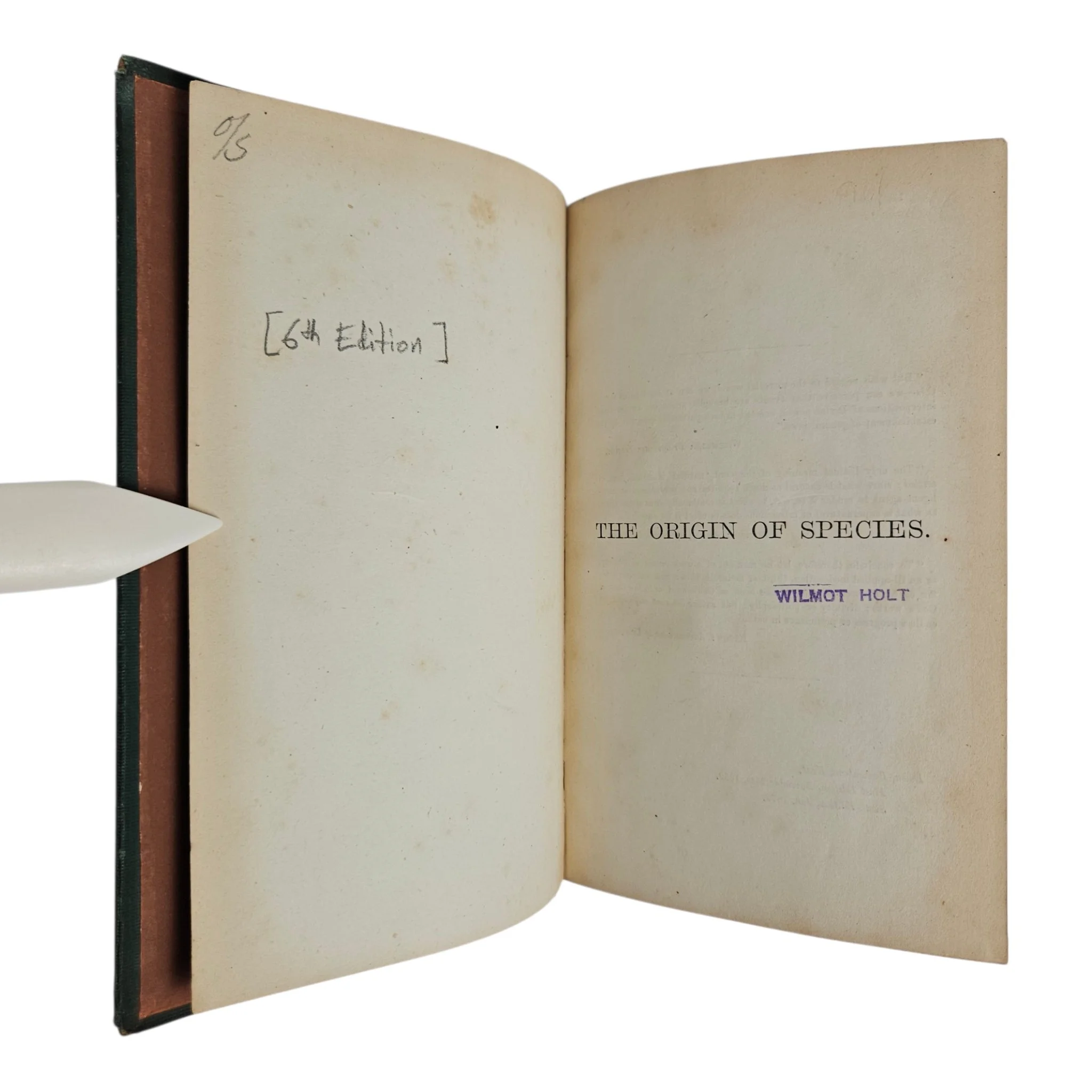 Image 13 of 23
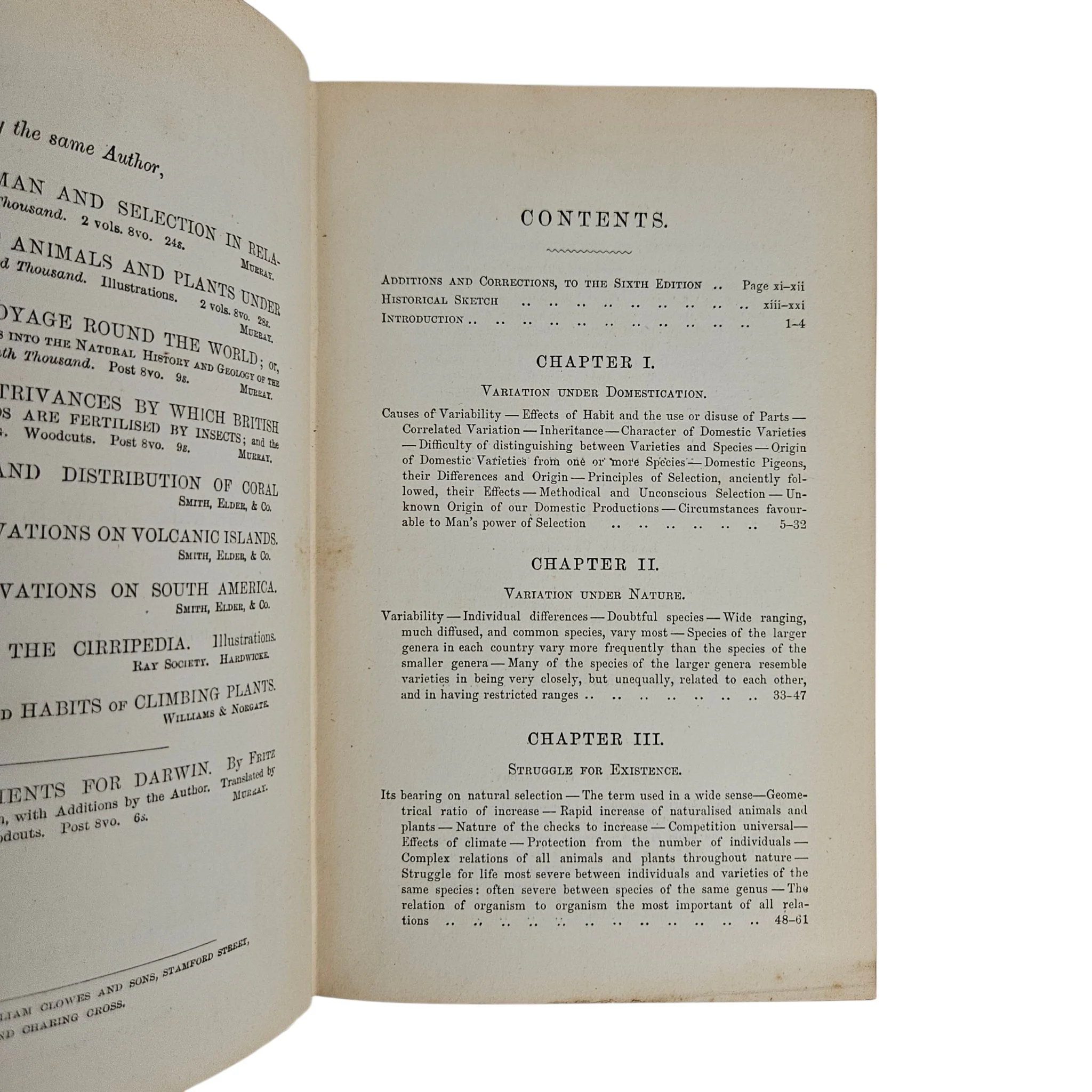 Image 14 of 23
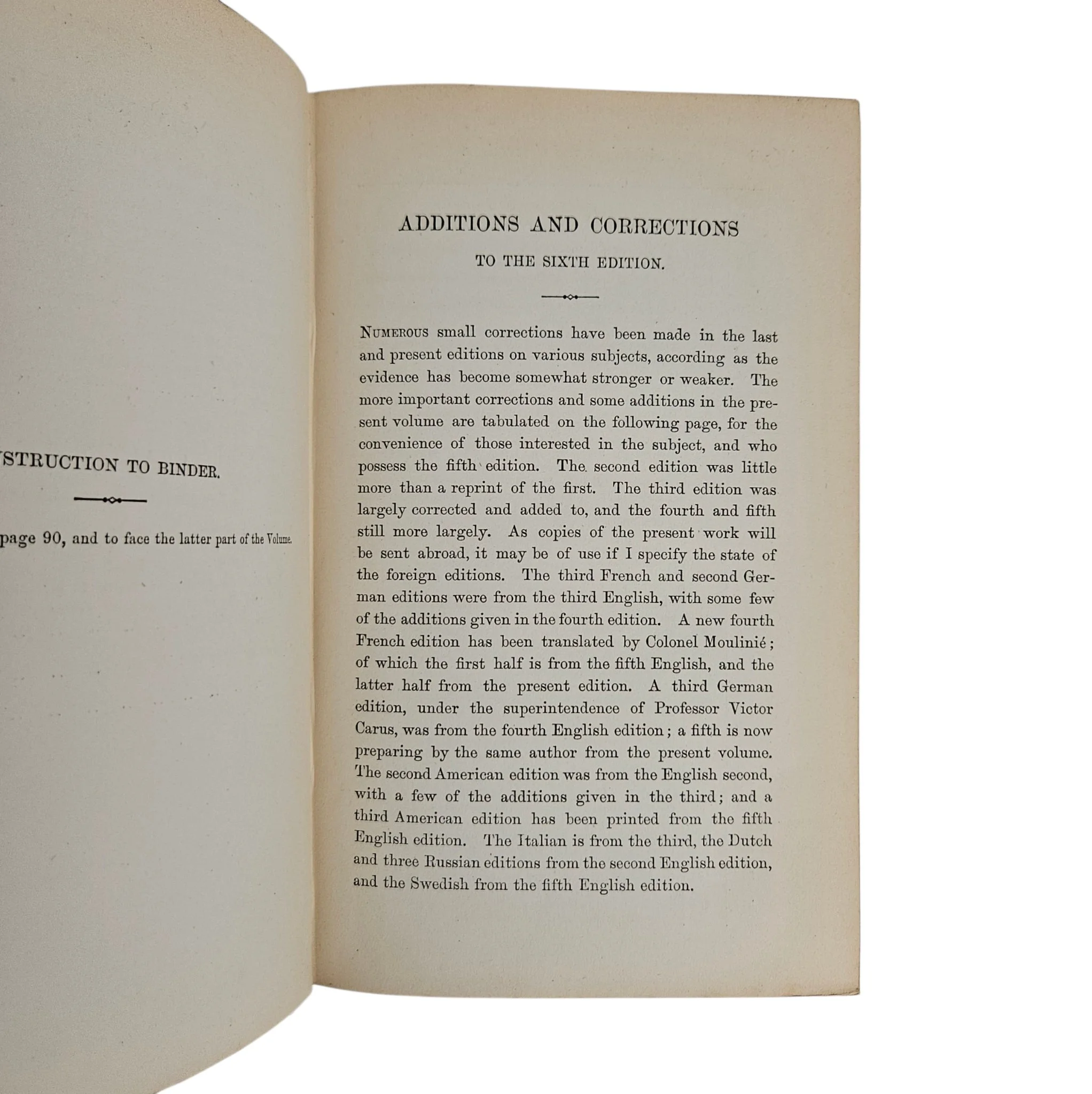 Image 15 of 23
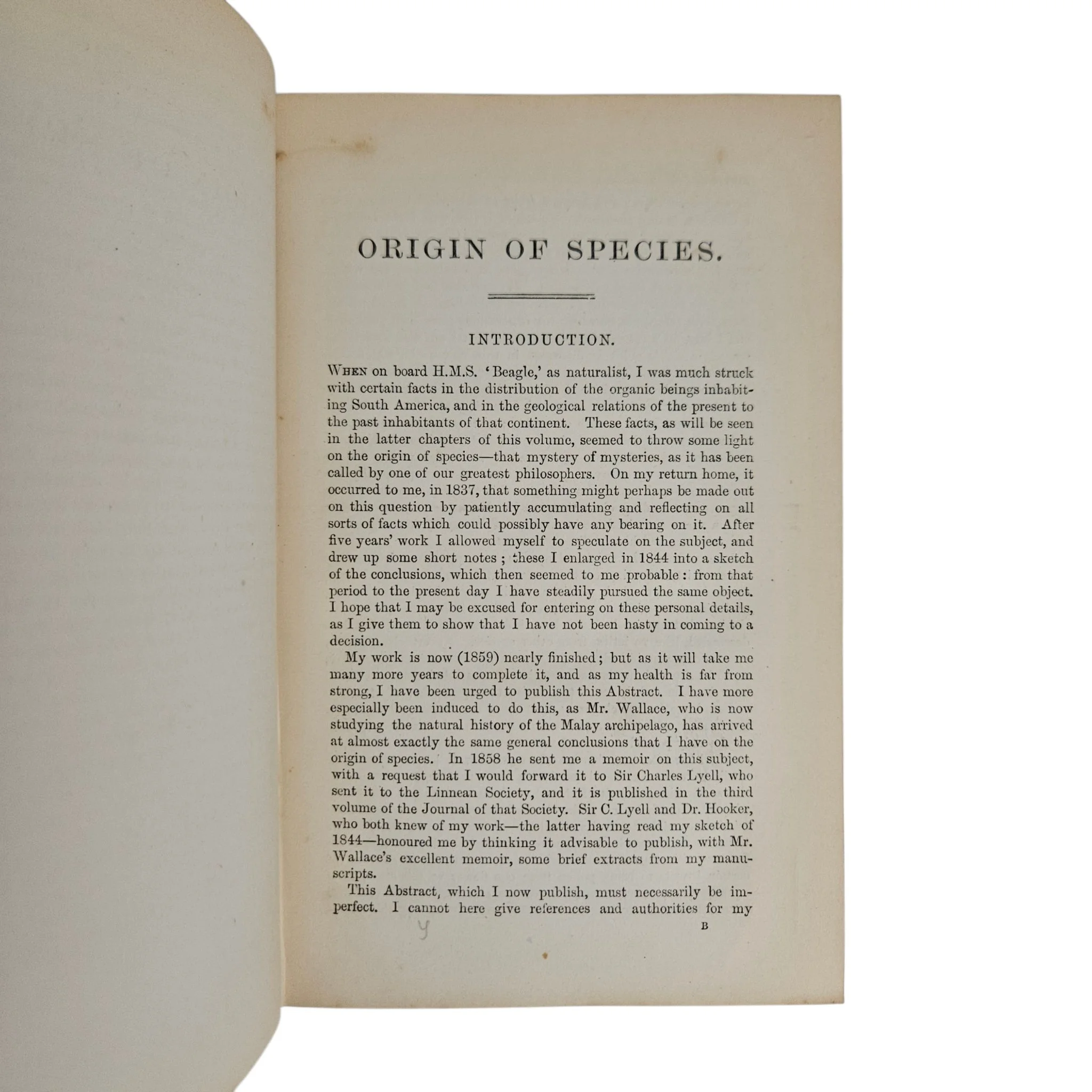 Image 16 of 23
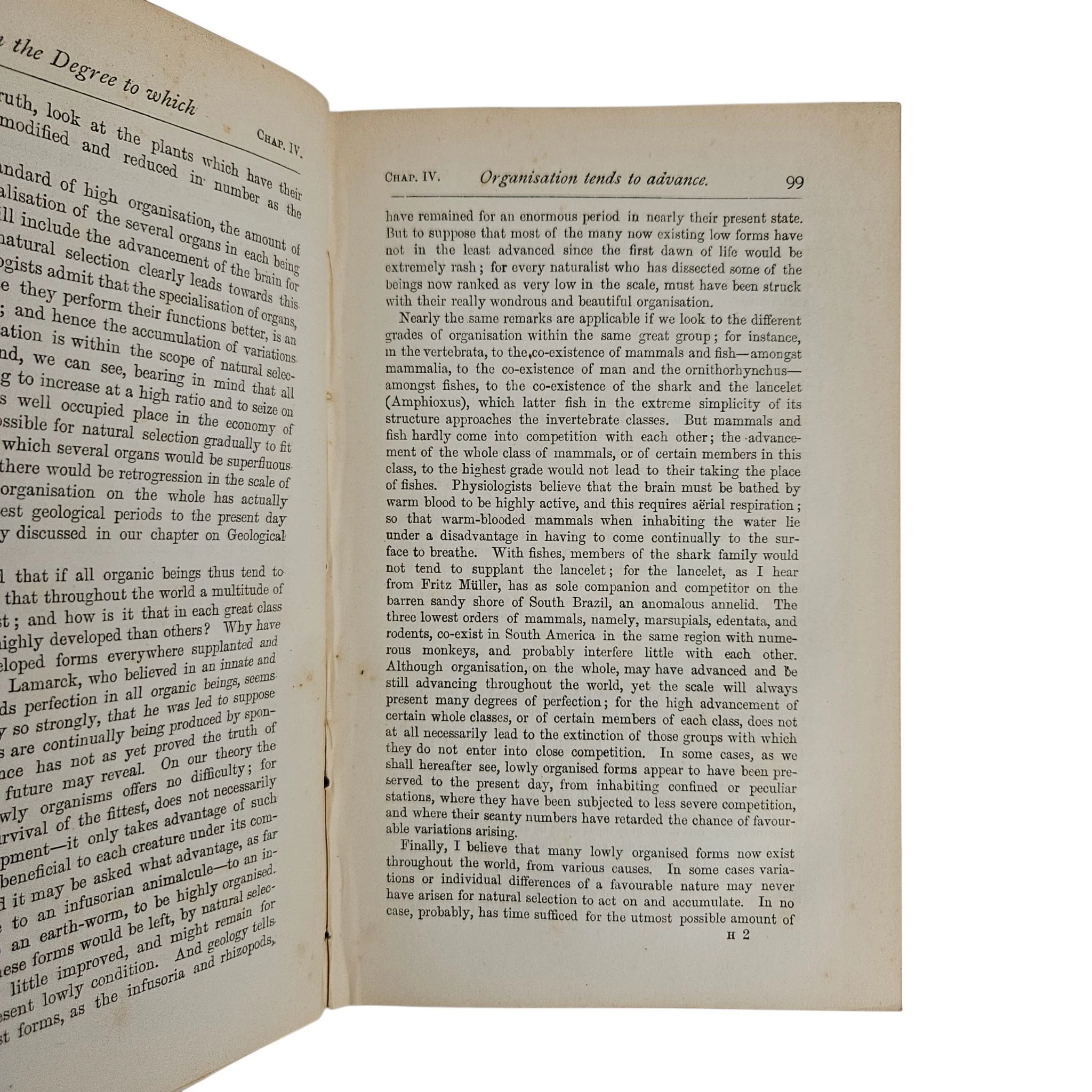 Image 17 of 23
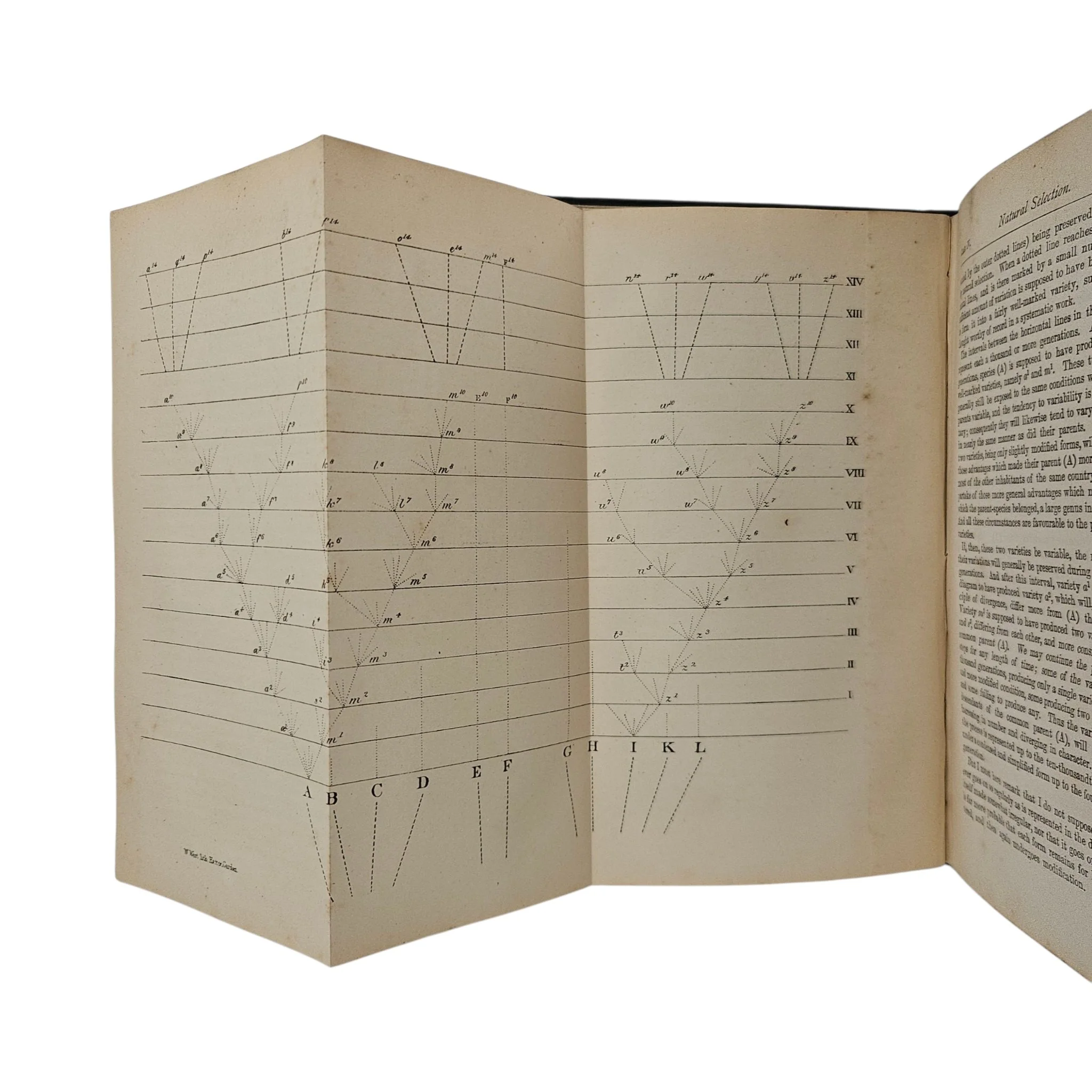 Image 18 of 23
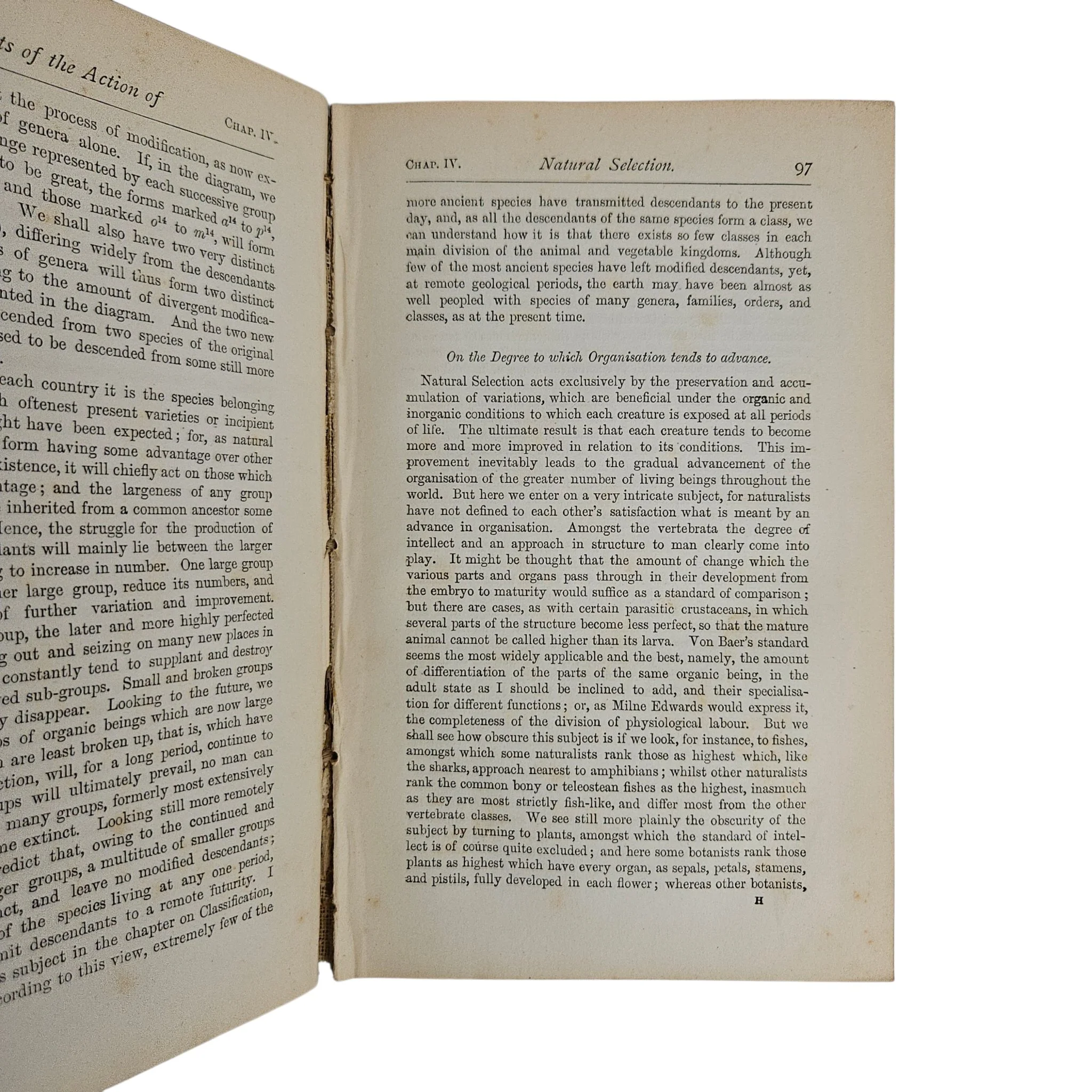 Image 19 of 23
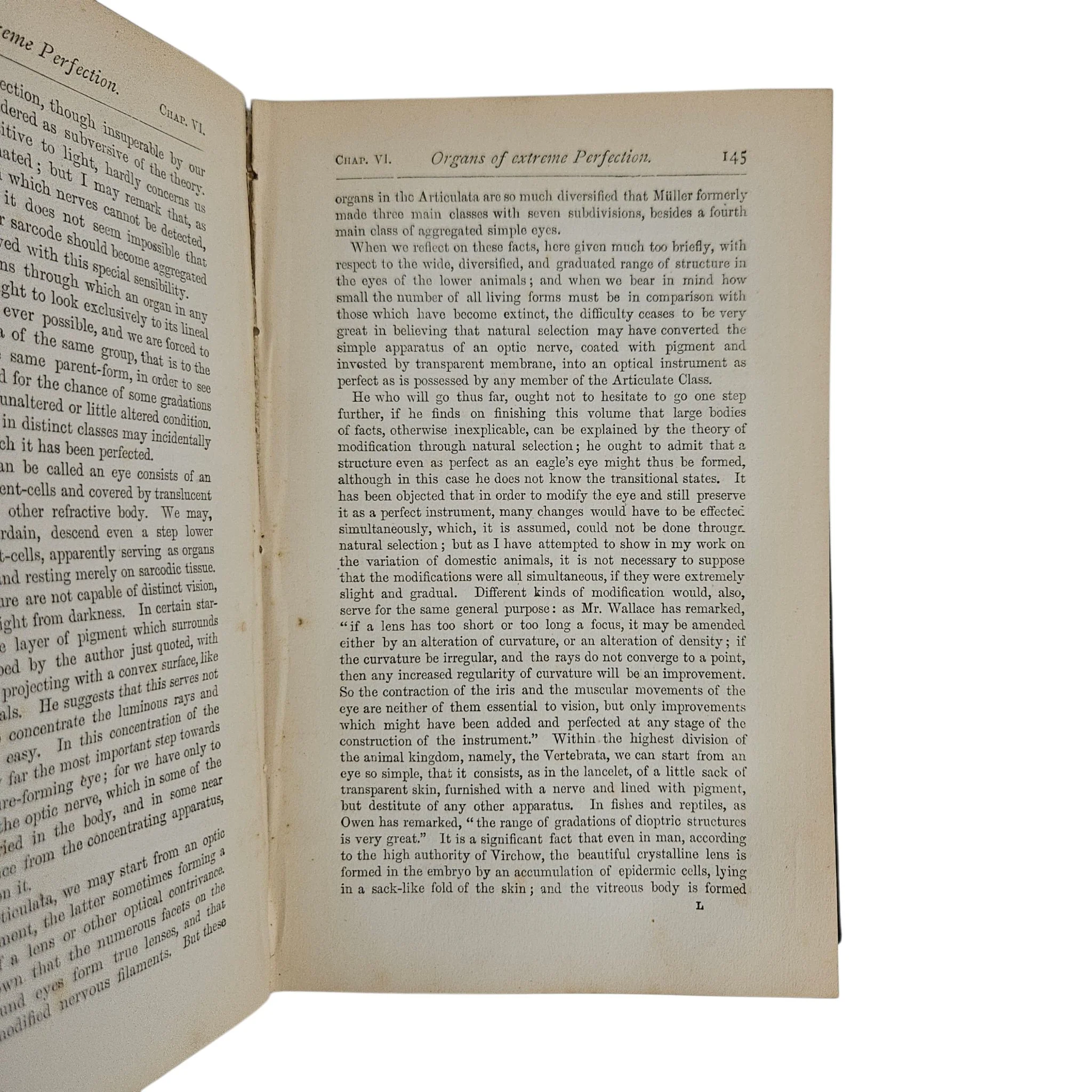 Image 20 of 23
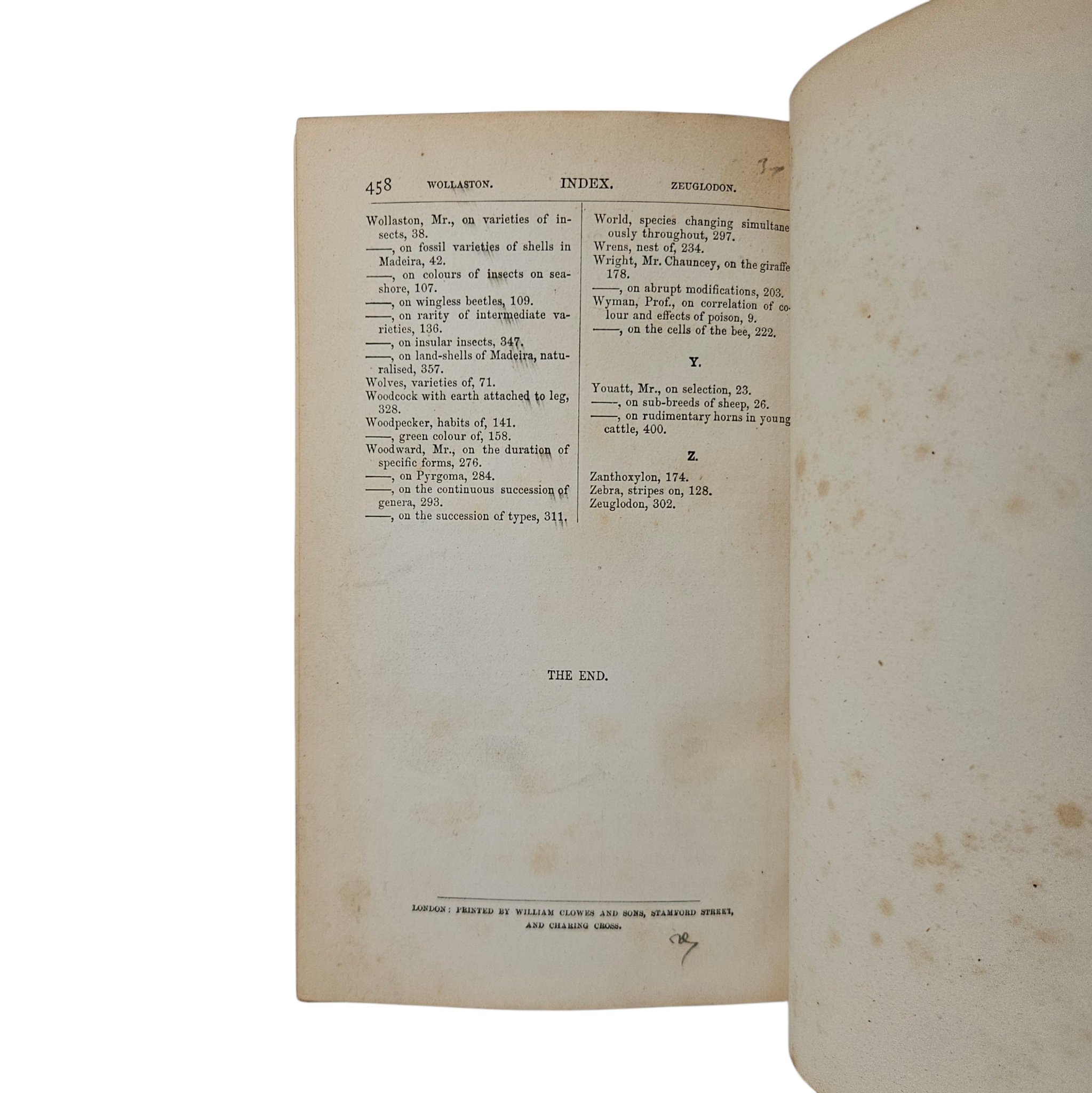 Image 21 of 23
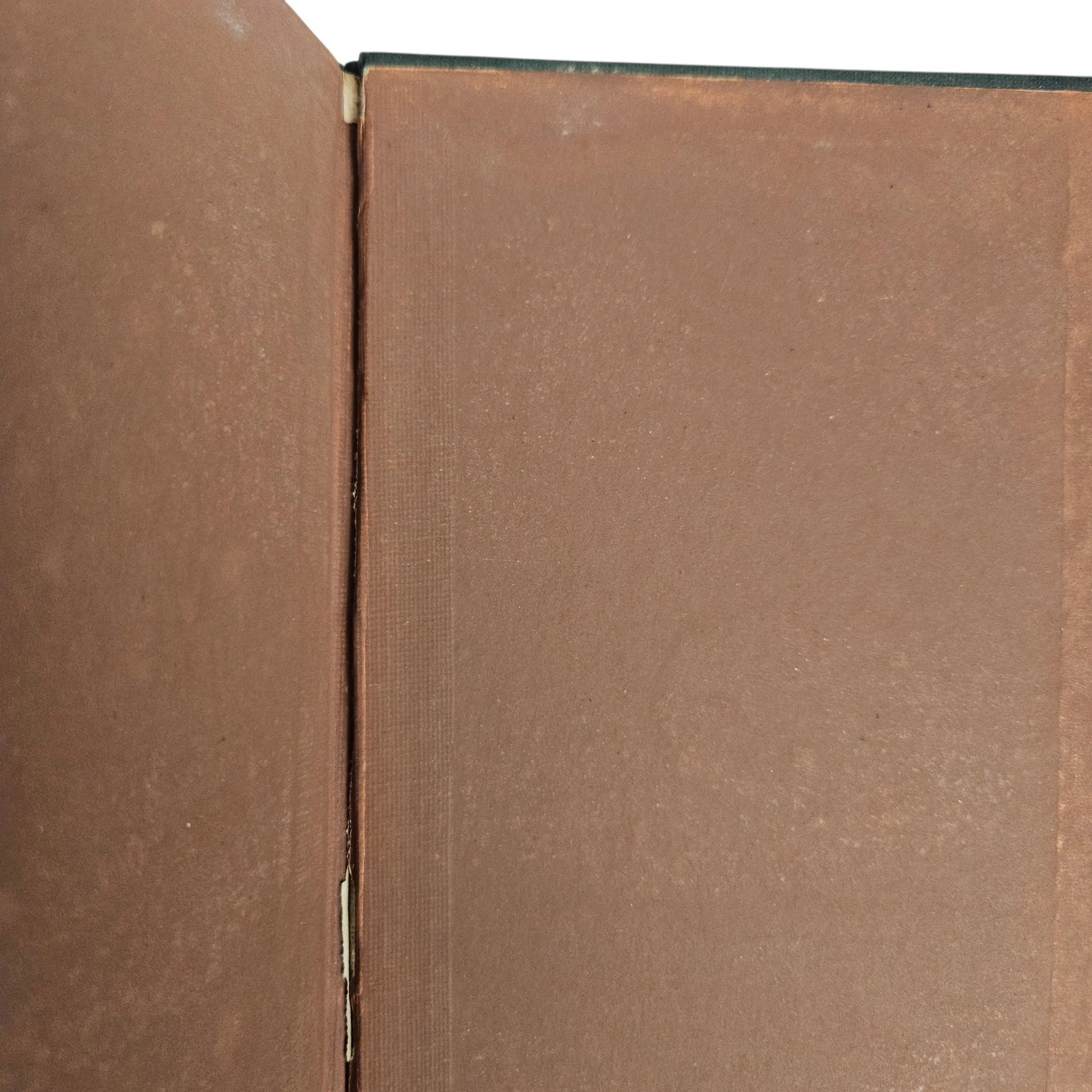 Image 22 of 23
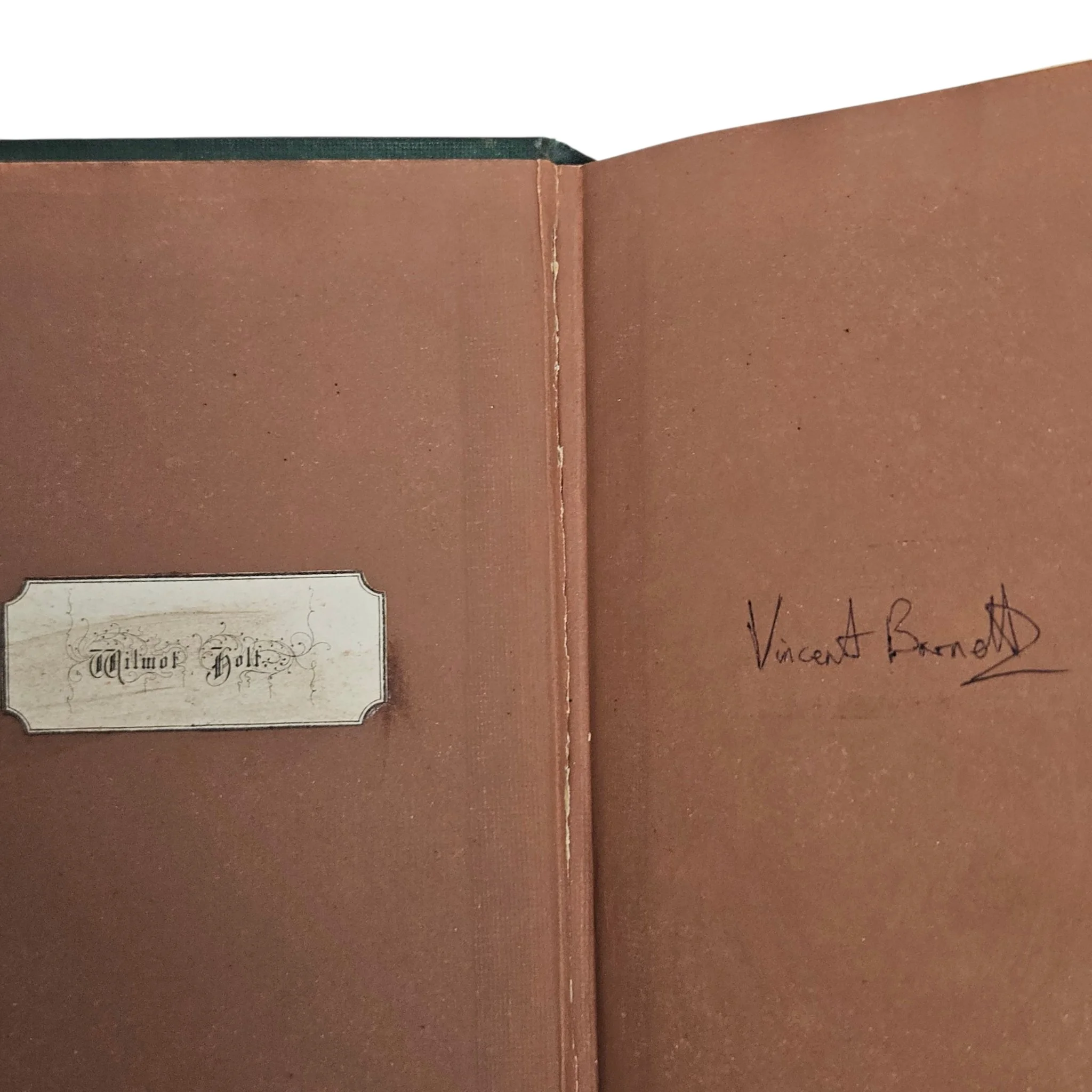 Image 23 of 23