Publisher and Year: London: W. Strahan and T. Cadell, 1776 (Vol. 1), 1781 (Vols. 2-3), 1788 (Vols. 4-6)
Edition: First editions of all volumes except for the first volume, which is a second edition (June 1776) released within months of the first (February 1776). The first volume went through three editions before the second volume was released. (Norton, 1940)
Condition and Description: Large quarto, bound in late-19th or early 20th-century calf, gilt and blind rolls to the boards, six spine compartments stamped with gilt floral ornaments, dark red morocco spine labels, edges dyed yellow, marbled endpapers. All volumes retain the half-title leaves, Vol. 1 contains the frontispiece engraving, and all three maps are present (two in Vol. 2 and one in Vol. 3, as called for). Secure hinges and binding. Rubbing, scuffs, handling marks, and some areas of discoloration to the boards and labels. Upper-left corner of the rear board of Vol. 1 has a patch of loss to the upper layer of the leather. Some tips bumped and exposed. Frontispiece portrait of Vol. 1 with moderate foxing to the verso; that portrait has also offset onto the title leaf (as usual). Contents largely clean across volumes, with occasional instances of minor or moderate foxing. Unobtrusive bookseller ticket of Henry Sotheran to the verso of each front free endpaper near the gutter. Old bookseller note in pencil to the verso of the rear free endpaper of Vol. 1, recording the edition status of the volumes and the price at the time of £65 (given the price, this would have been written many decades ago). A similar note in pencil appears at the end of Vol. 2. The bookbinder also records a few small notes in pencil, a common practice to ensure correct binding sequences. Though easily erasable, we believe the pencil notes are worth keeping as part of the set's history. Overall, a handsome set with excellent shelf presence.
The History of the Decline and Fall of the Roman Empire is widely regarded as a landmark in the development of modern historical writing because it combined a large-scale narrative with systematic evaluation of historical evidence. The work draws extensively on ancient primary sources and documents them in detailed footnotes, comparing accounts and judging their reliability rather than simply repeating earlier historians. Gibbon explained the transformation and collapse of the Roman world through multiple interacting causes, including political instability, military pressures, institutional change, and the growing role of Christianity, an argument that provoked intense debate and controversy. The narrative traces the Roman Empire from the height of its power through the history of Byzantium to the fall of Constantinople in 1453, helping to frame the Roman and medieval worlds as part of a continuous historical process. Because of its critical use of primary sources, analytical explanations, and sweeping chronological scope, the book became one of the most influential historical works of the eighteenth century and a model for later historians.
Inventory ID: 550 - 749 - 745
Publisher and Year: London: W. Strahan and T. Cadell, 1776 (Vol. 1), 1781 (Vols. 2-3), 1788 (Vols. 4-6)
Edition: First editions of all volumes except for the first volume, which is a second edition (June 1776) released within months of the first (February 1776). The first volume went through three editions before the second volume was released. (Norton, 1940)
Condition and Description: Large quarto, bound in late-19th or early 20th-century calf, gilt and blind rolls to the boards, six spine compartments stamped with gilt floral ornaments, dark red morocco spine labels, edges dyed yellow, marbled endpapers. All volumes retain the half-title leaves, Vol. 1 contains the frontispiece engraving, and all three maps are present (two in Vol. 2 and one in Vol. 3, as called for). Secure hinges and binding. Rubbing, scuffs, handling marks, and some areas of discoloration to the boards and labels. Upper-left corner of the rear board of Vol. 1 has a patch of loss to the upper layer of the leather. Some tips bumped and exposed. Frontispiece portrait of Vol. 1 with moderate foxing to the verso; that portrait has also offset onto the title leaf (as usual). Contents largely clean across volumes, with occasional instances of minor or moderate foxing. Unobtrusive bookseller ticket of Henry Sotheran to the verso of each front free endpaper near the gutter. Old bookseller note in pencil to the verso of the rear free endpaper of Vol. 1, recording the edition status of the volumes and the price at the time of £65 (given the price, this would have been written many decades ago). A similar note in pencil appears at the end of Vol. 2. The bookbinder also records a few small notes in pencil, a common practice to ensure correct binding sequences. Though easily erasable, we believe the pencil notes are worth keeping as part of the set's history. Overall, a handsome set with excellent shelf presence.
The History of the Decline and Fall of the Roman Empire is widely regarded as a landmark in the development of modern historical writing because it combined a large-scale narrative with systematic evaluation of historical evidence. The work draws extensively on ancient primary sources and documents them in detailed footnotes, comparing accounts and judging their reliability rather than simply repeating earlier historians. Gibbon explained the transformation and collapse of the Roman world through multiple interacting causes, including political instability, military pressures, institutional change, and the growing role of Christianity, an argument that provoked intense debate and controversy. The narrative traces the Roman Empire from the height of its power through the history of Byzantium to the fall of Constantinople in 1453, helping to frame the Roman and medieval worlds as part of a continuous historical process. Because of its critical use of primary sources, analytical explanations, and sweeping chronological scope, the book became one of the most influential historical works of the eighteenth century and a model for later historians.
Inventory ID: 550 - 749 - 745

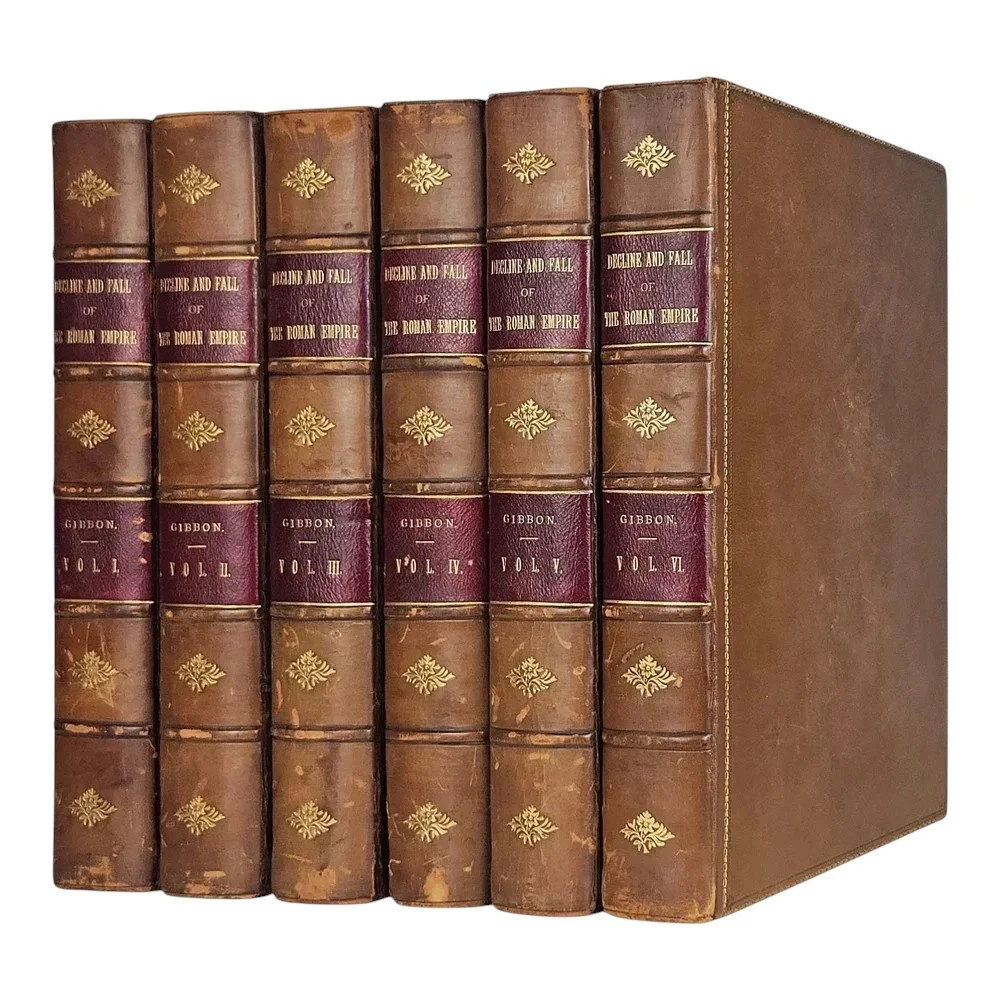 Image 1 of 21
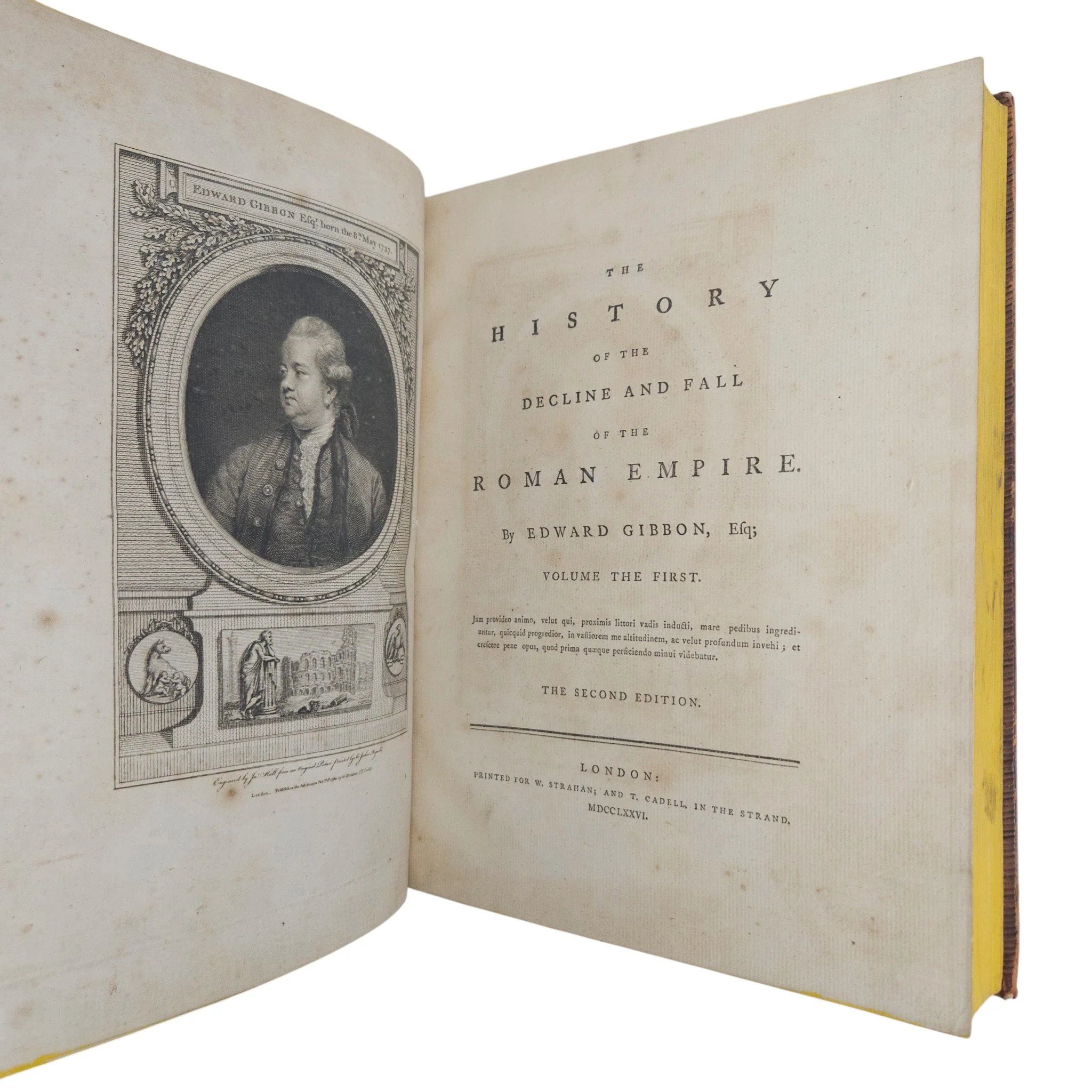 Image 2 of 21
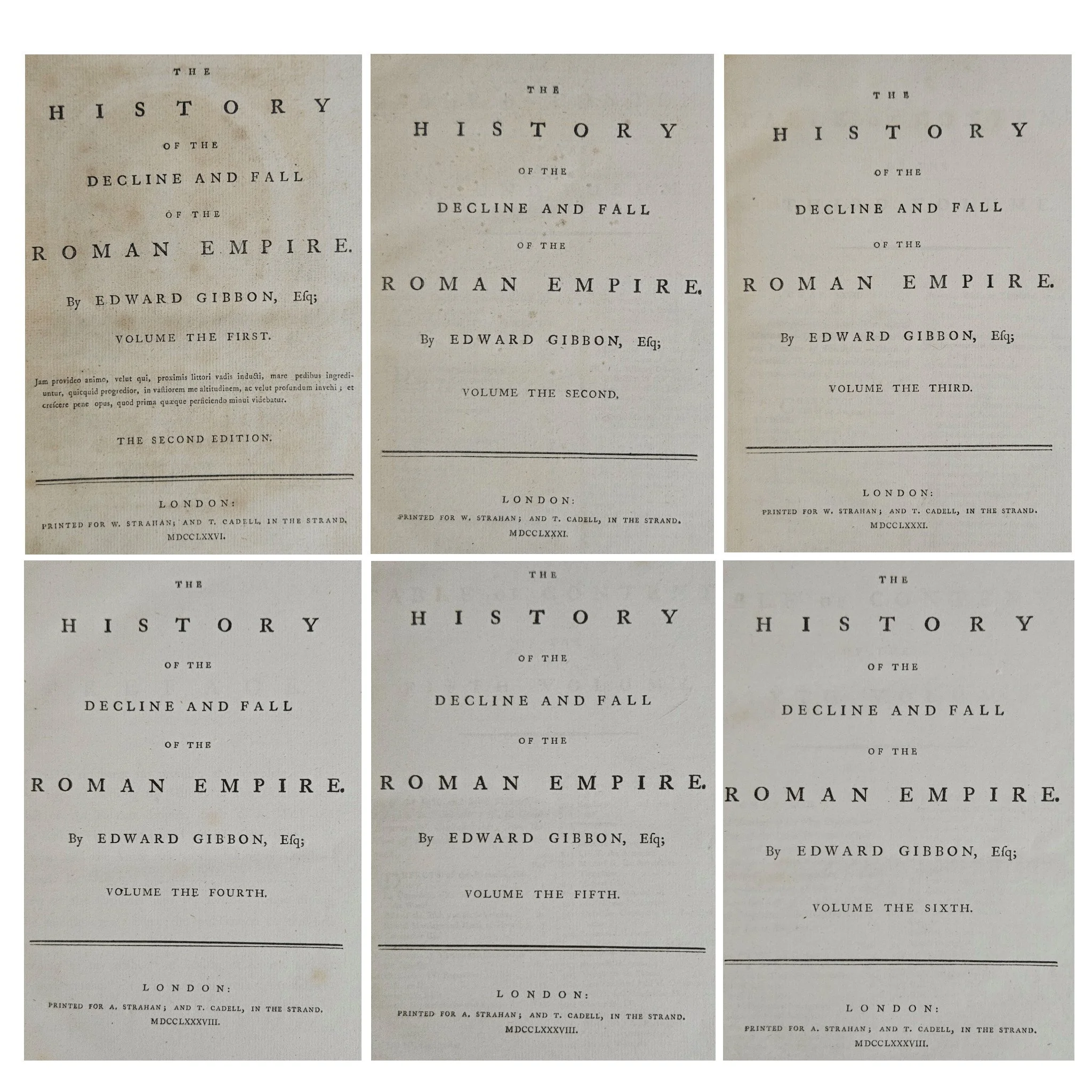 Image 3 of 21
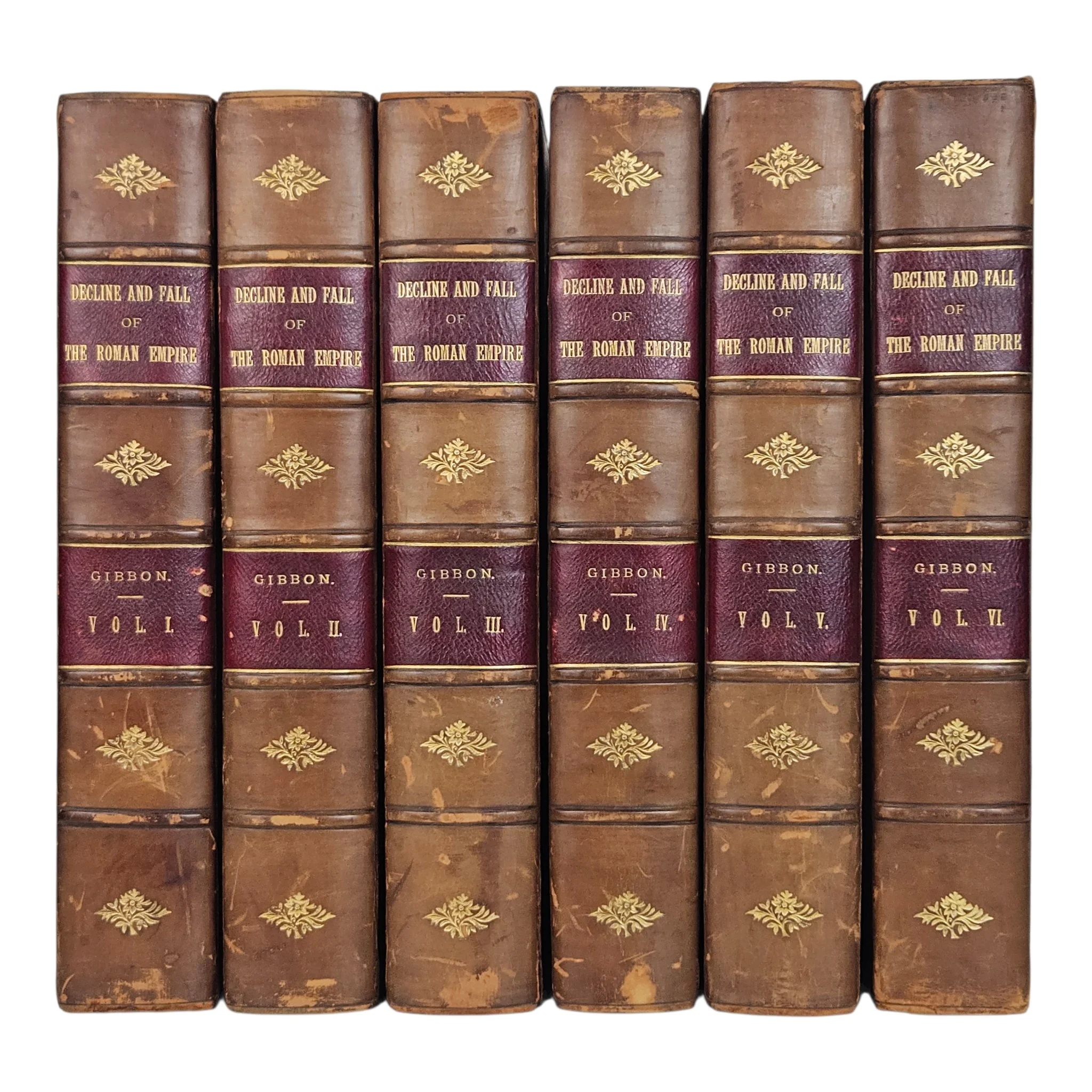 Image 4 of 21
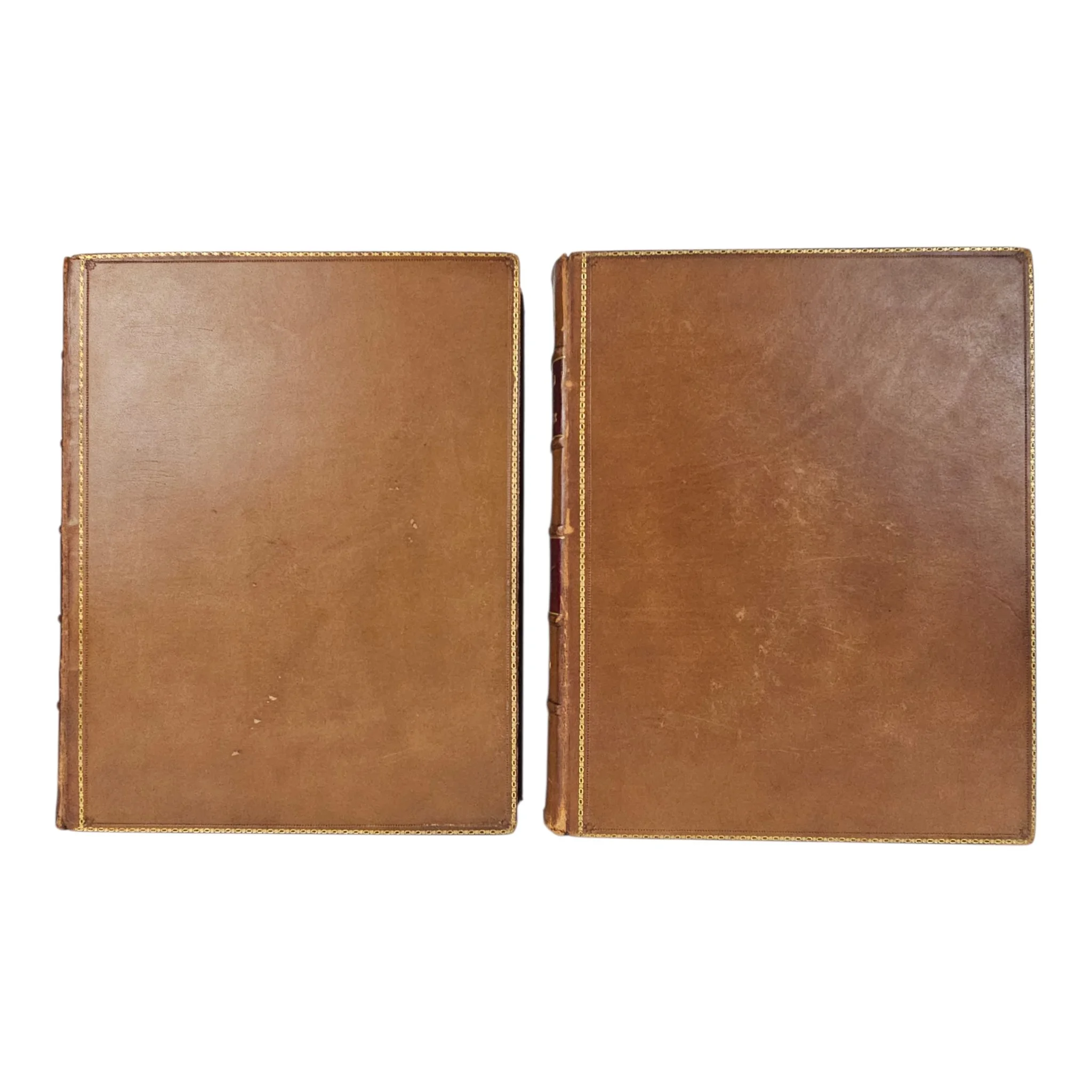 Image 5 of 21
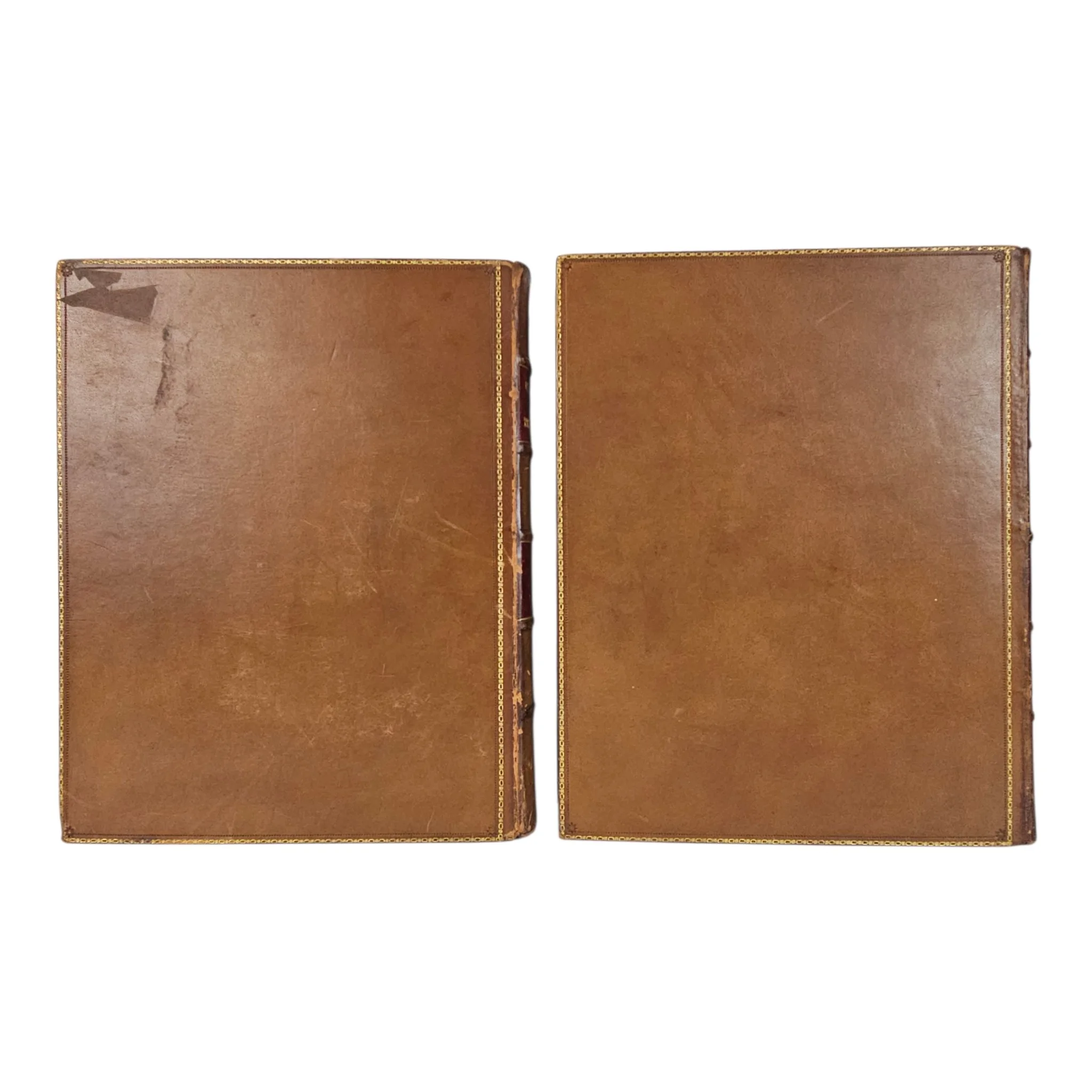 Image 6 of 21
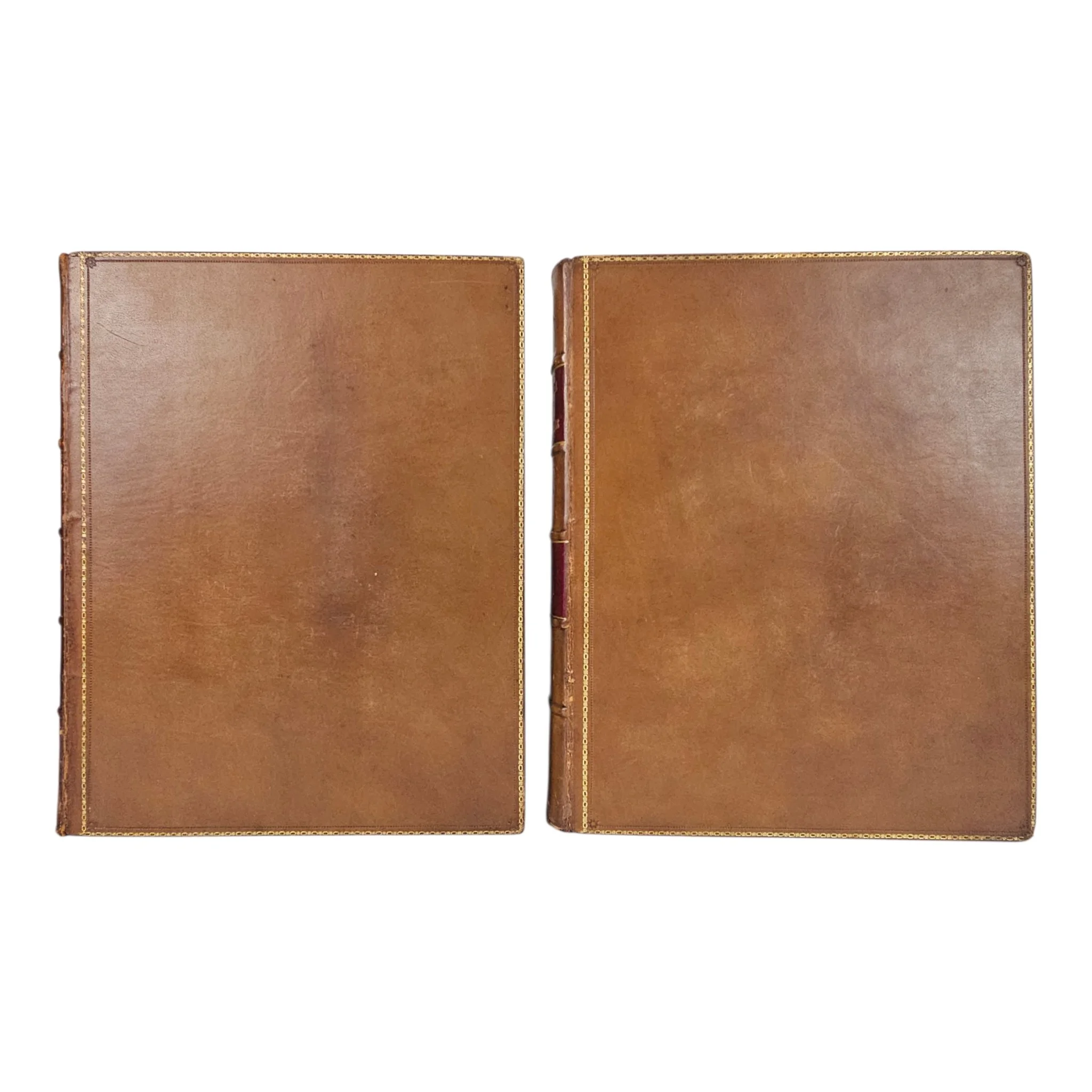 Image 7 of 21
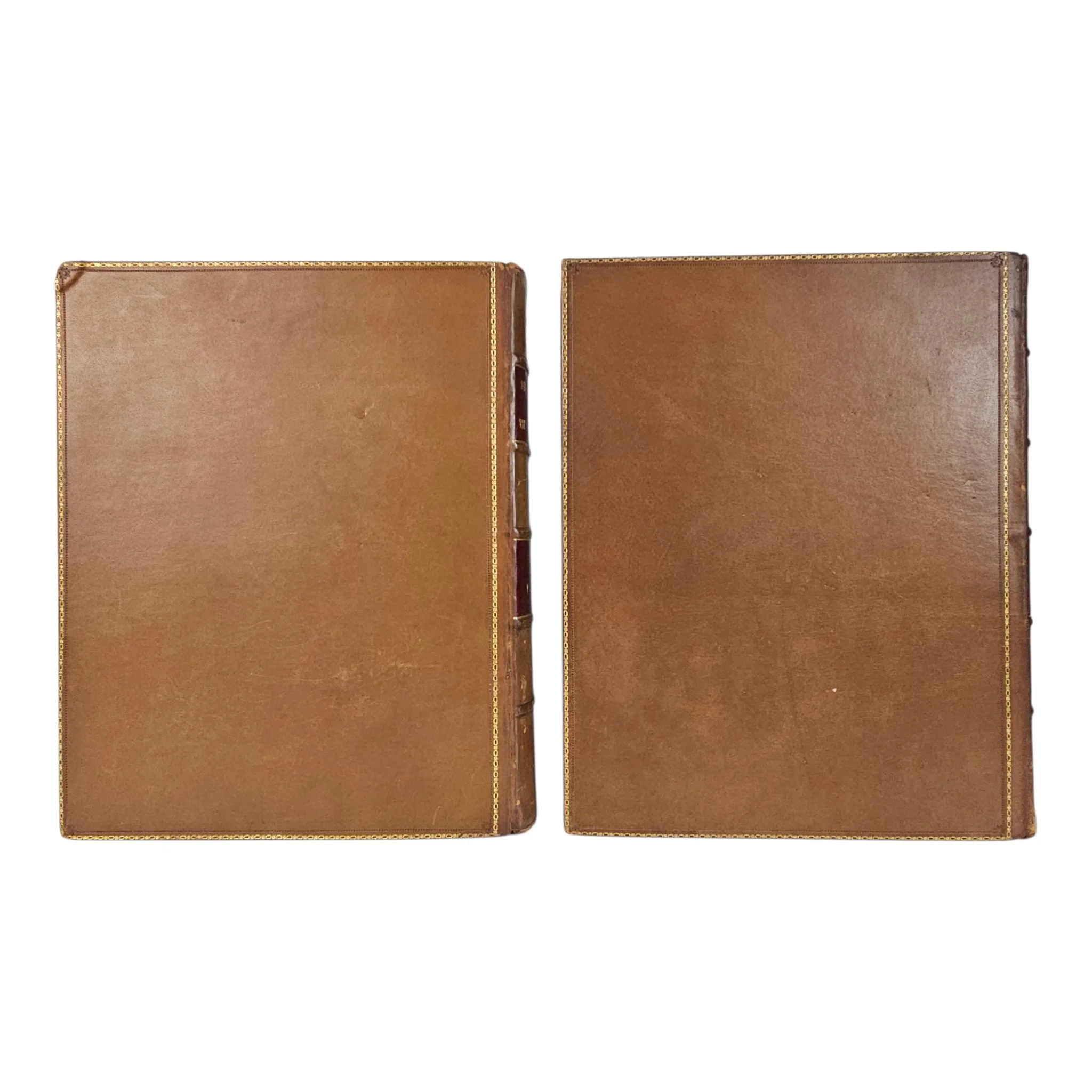 Image 8 of 21
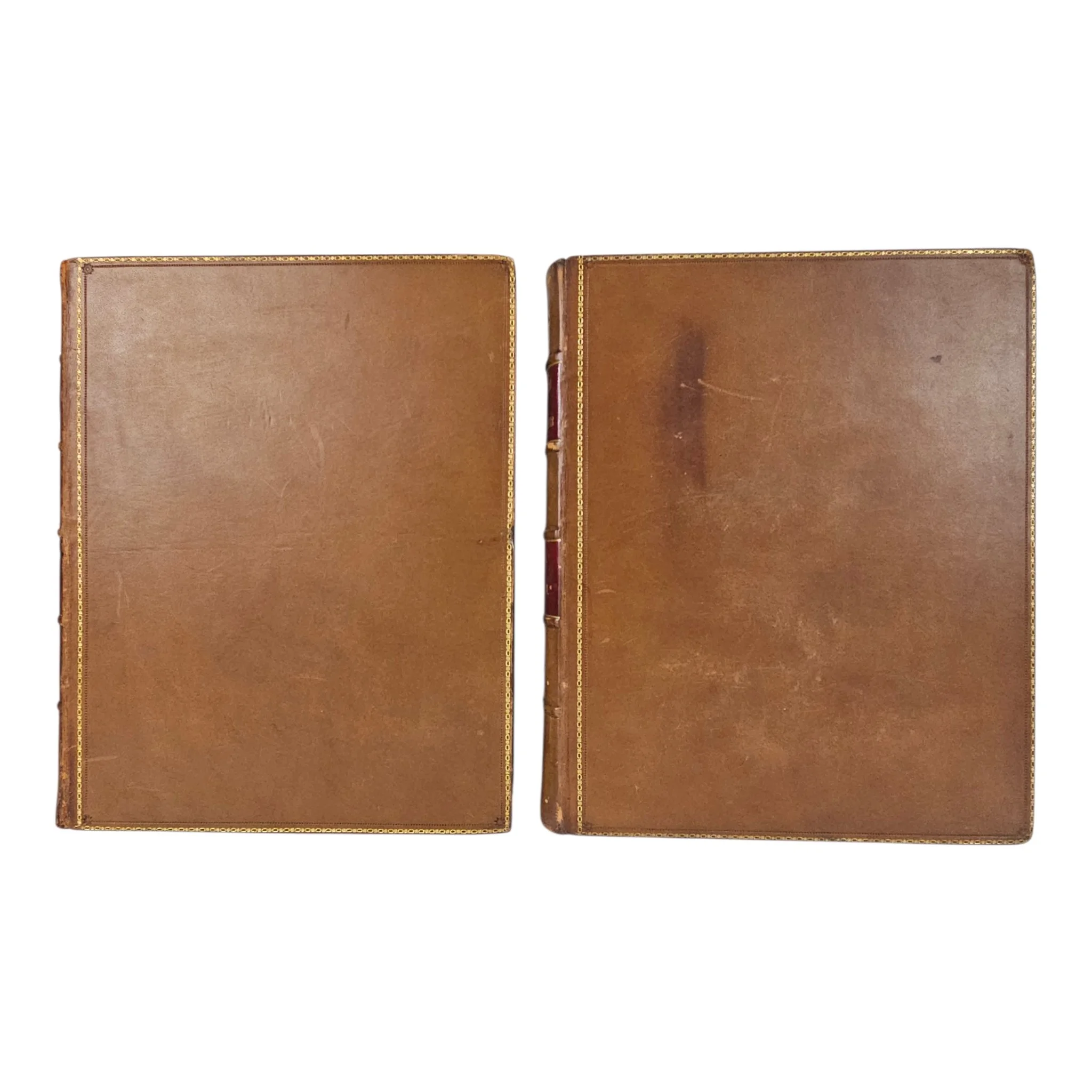 Image 9 of 21
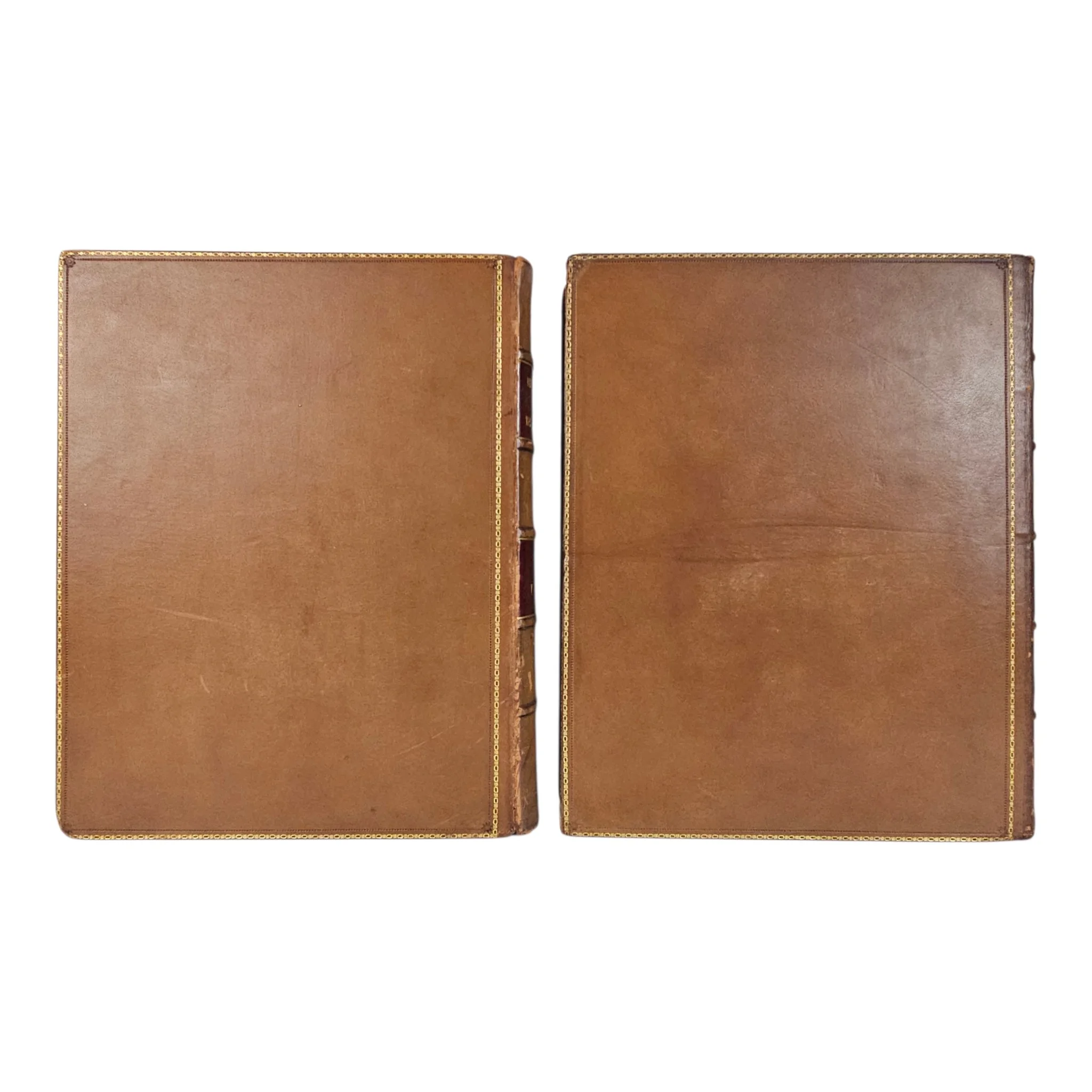 Image 10 of 21
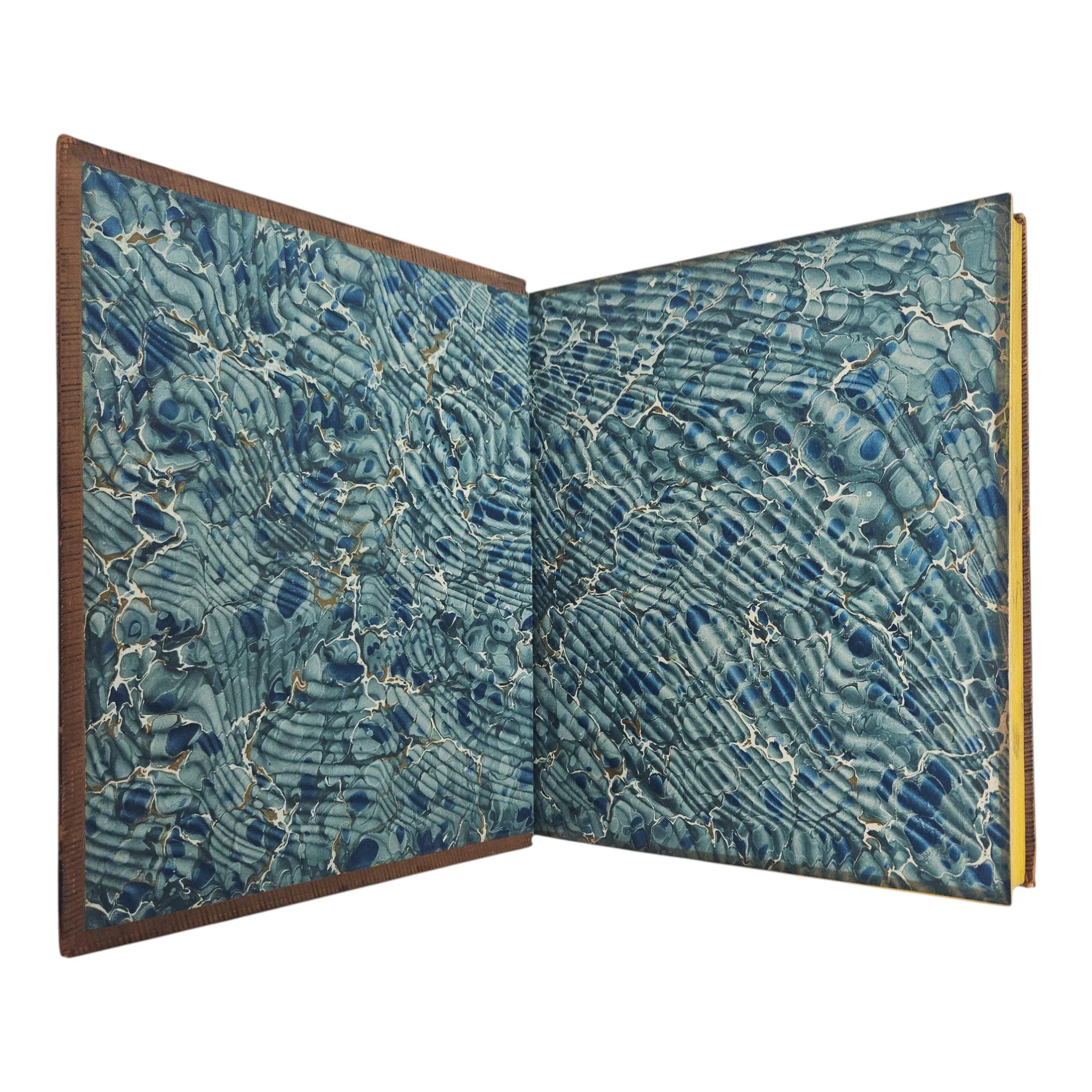 Image 11 of 21
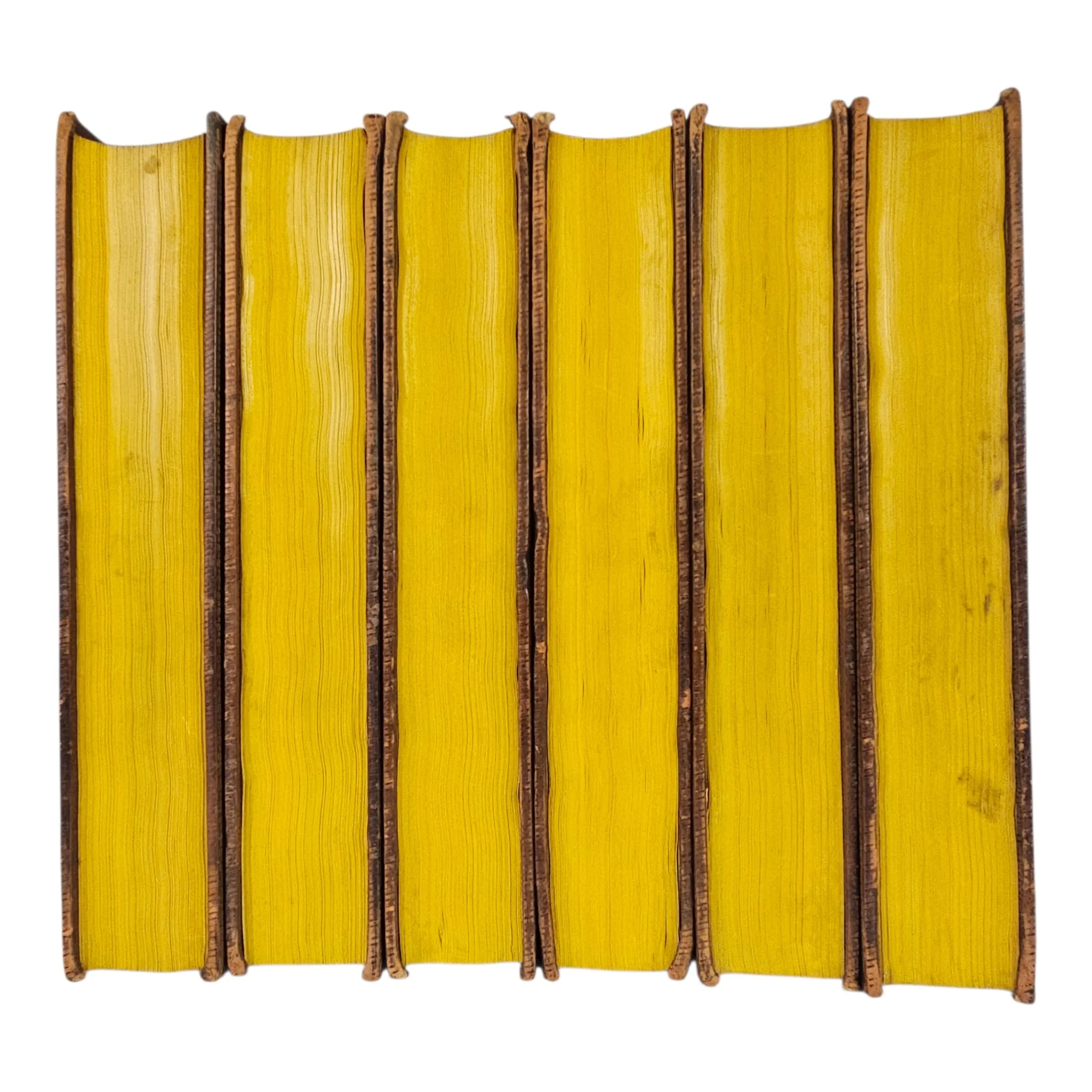 Image 12 of 21
 Image 13 of 21
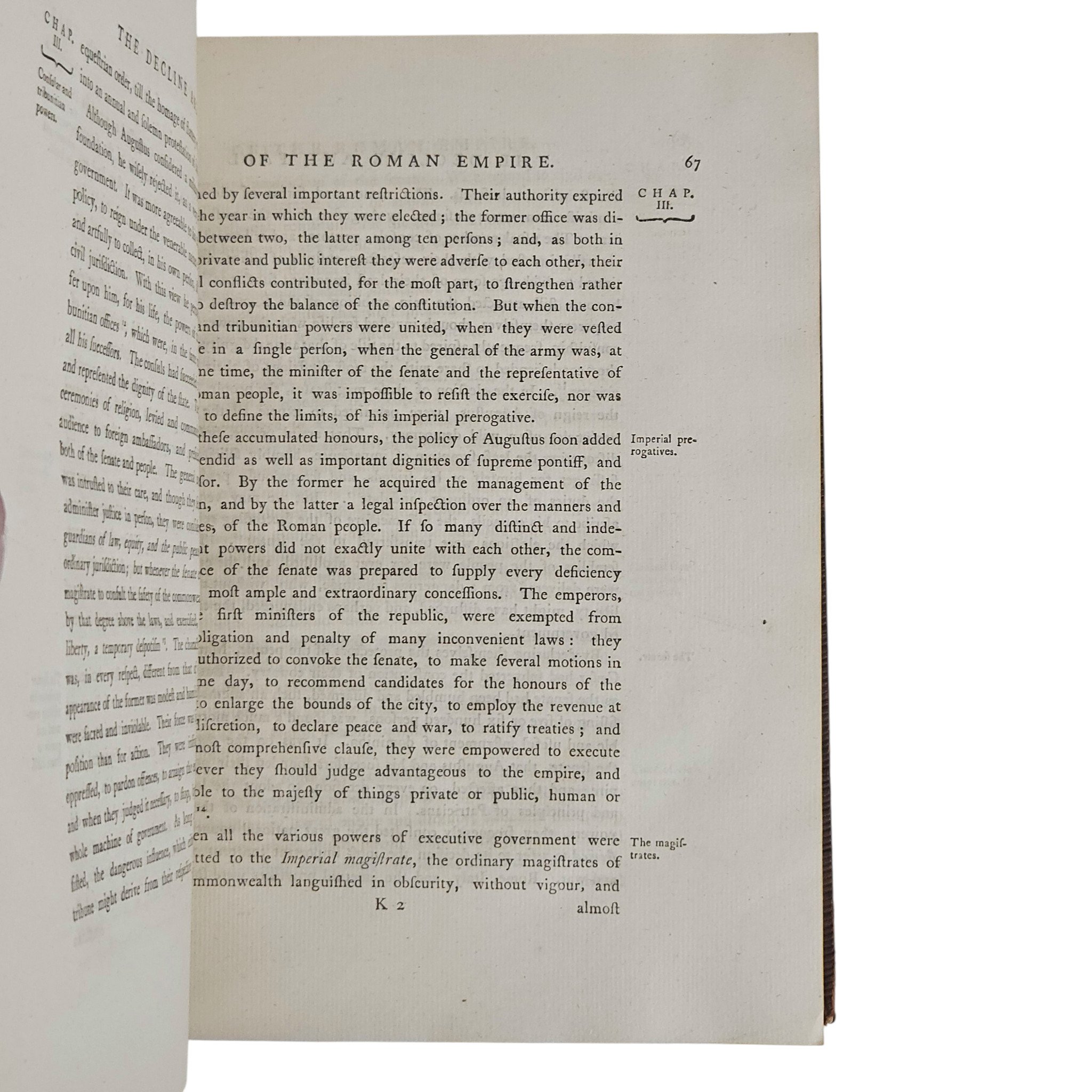 Image 14 of 21
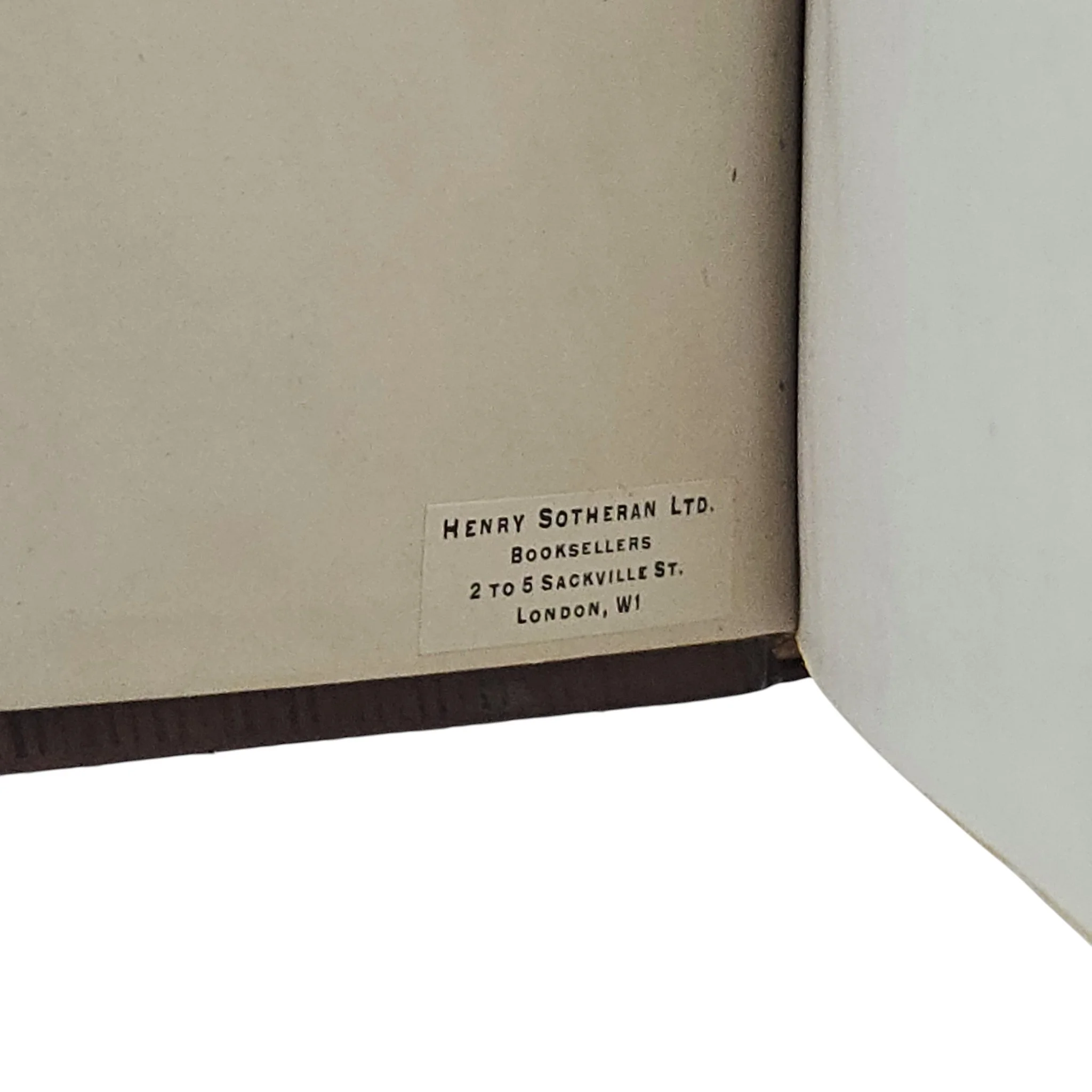 Image 15 of 21
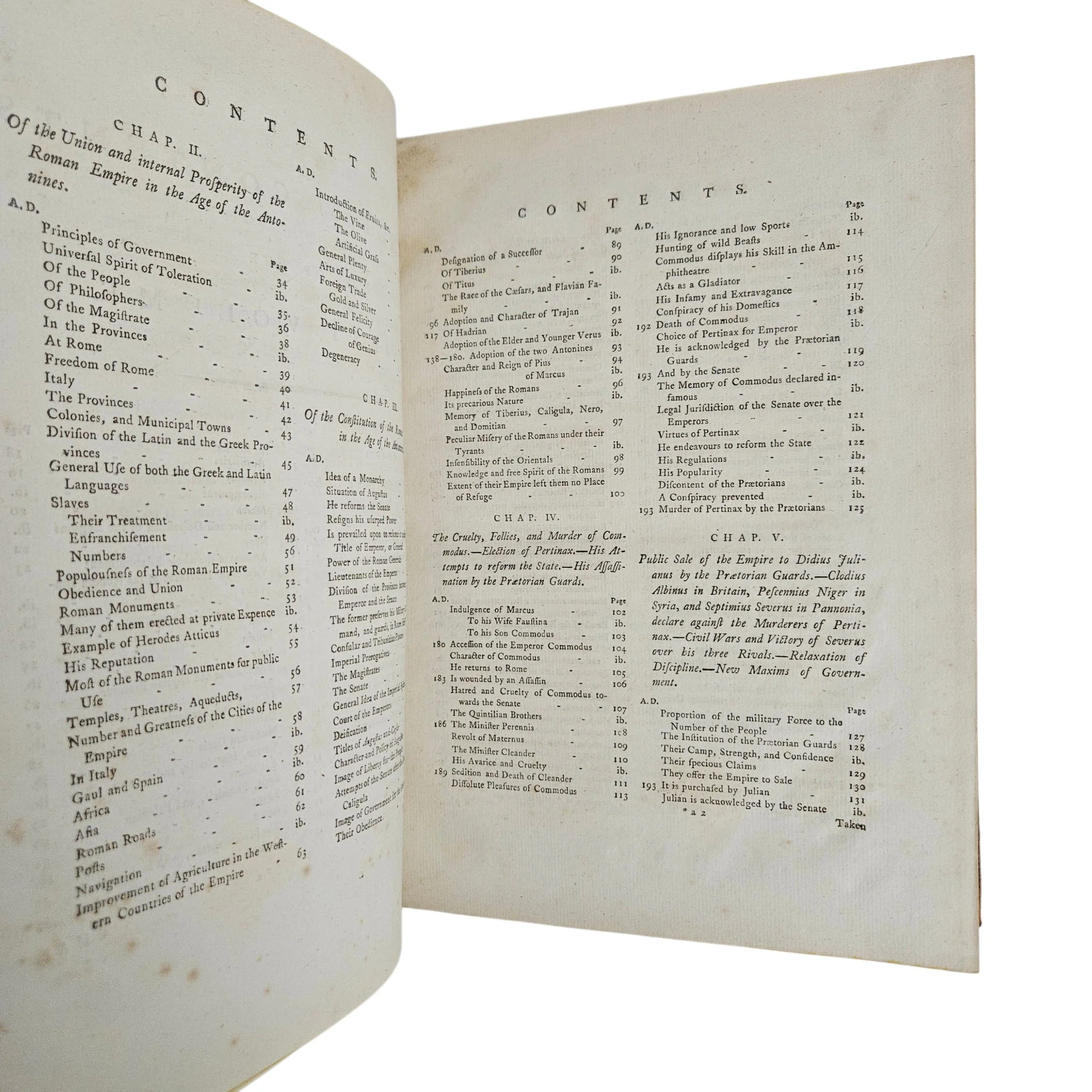 Image 16 of 21
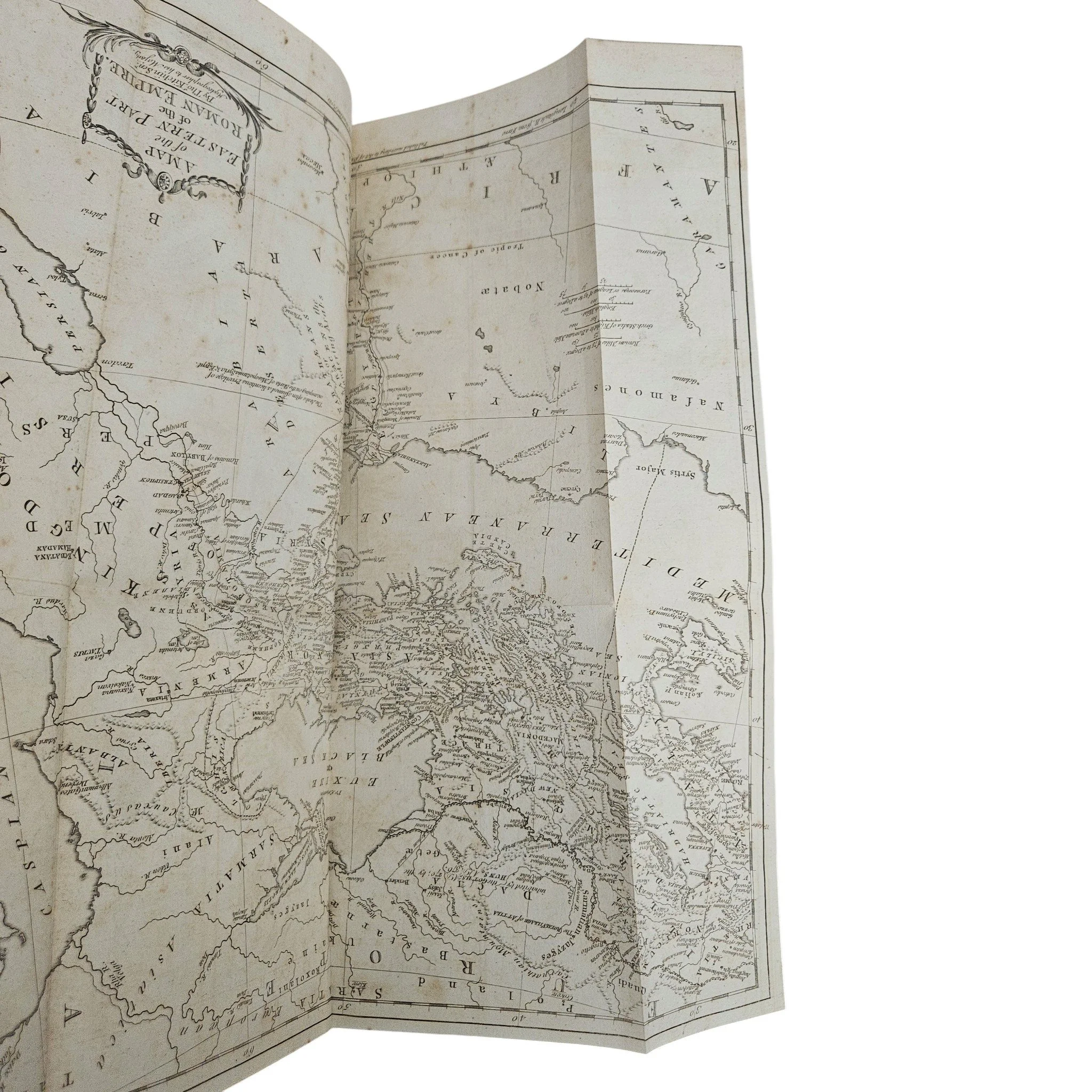 Image 17 of 21
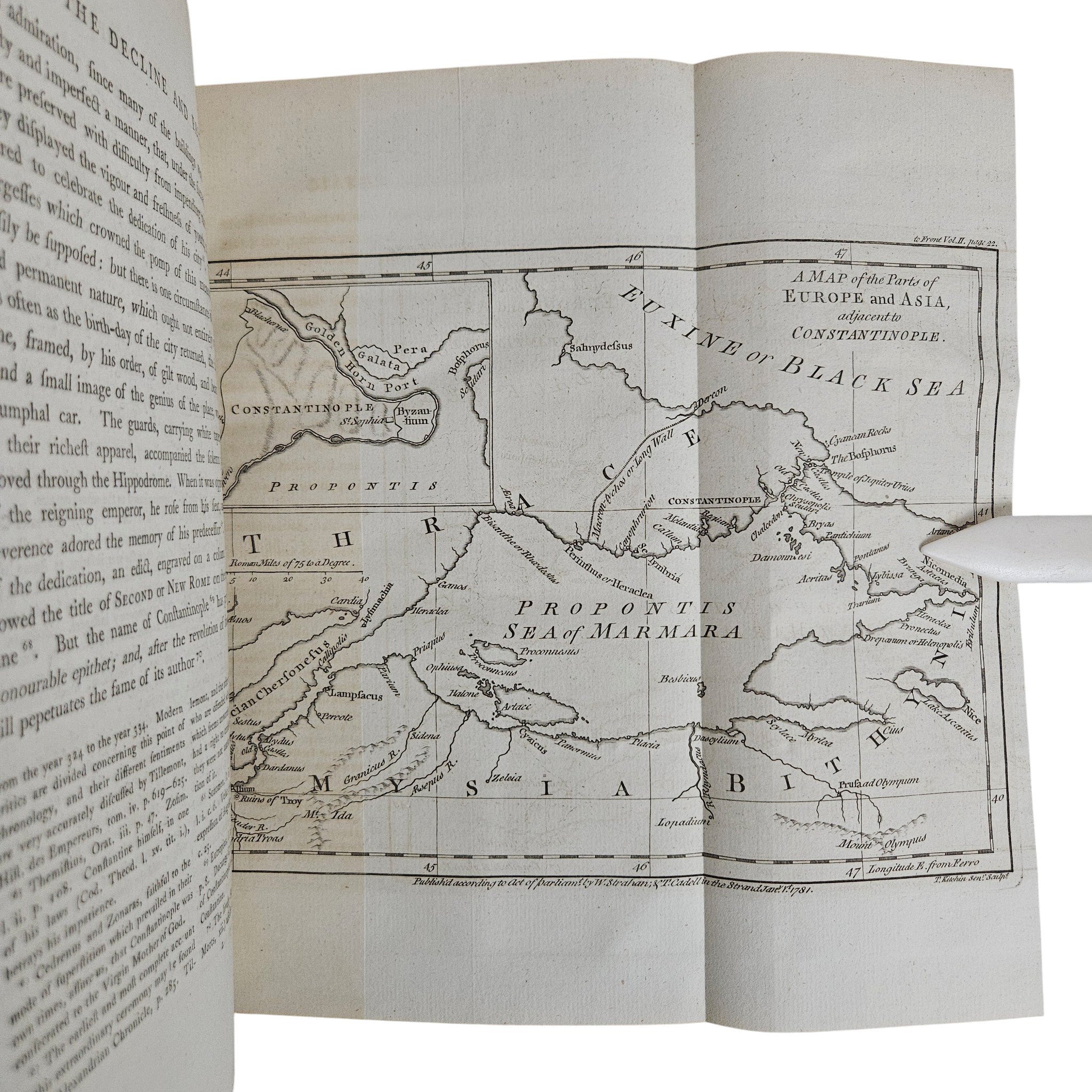 Image 18 of 21
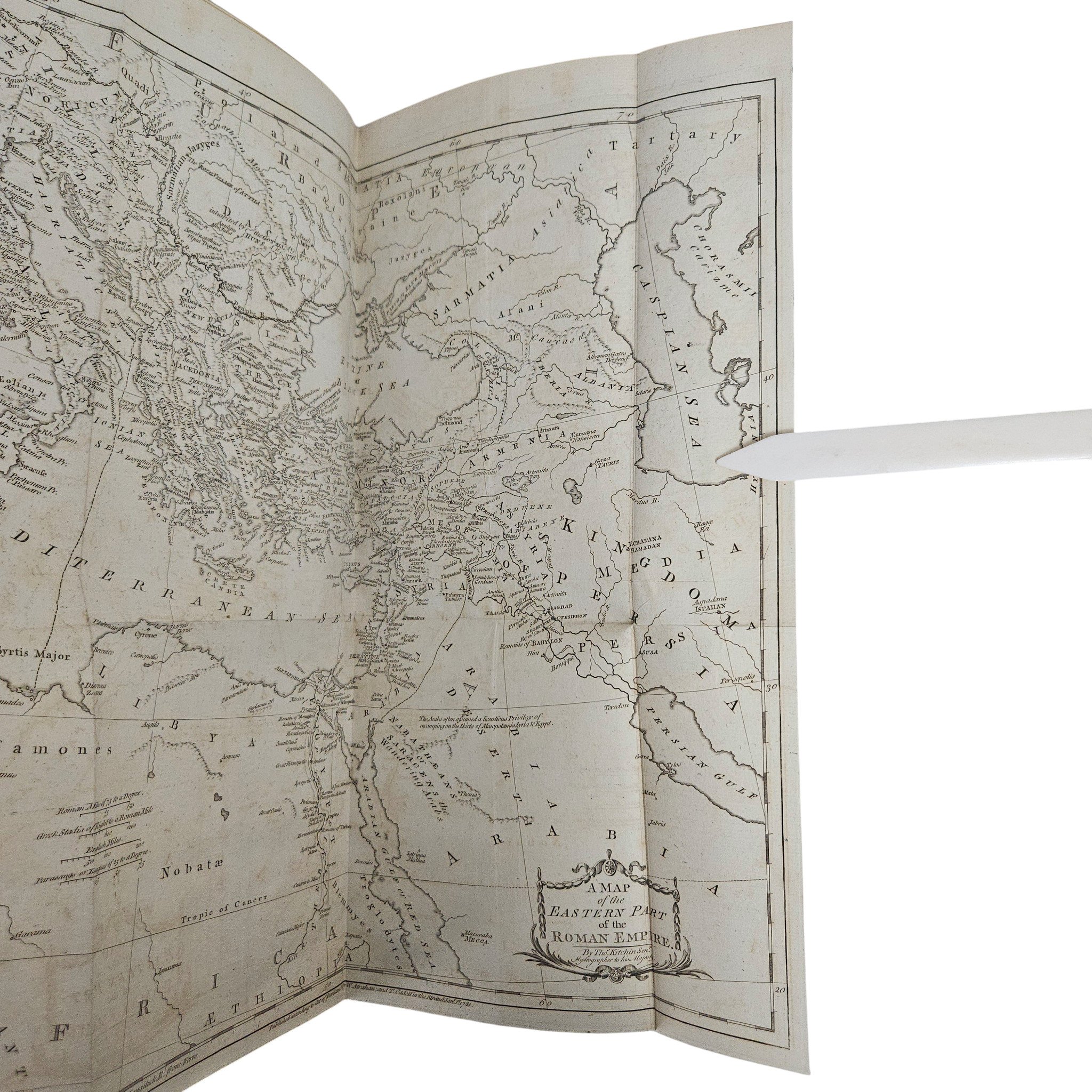 Image 19 of 21
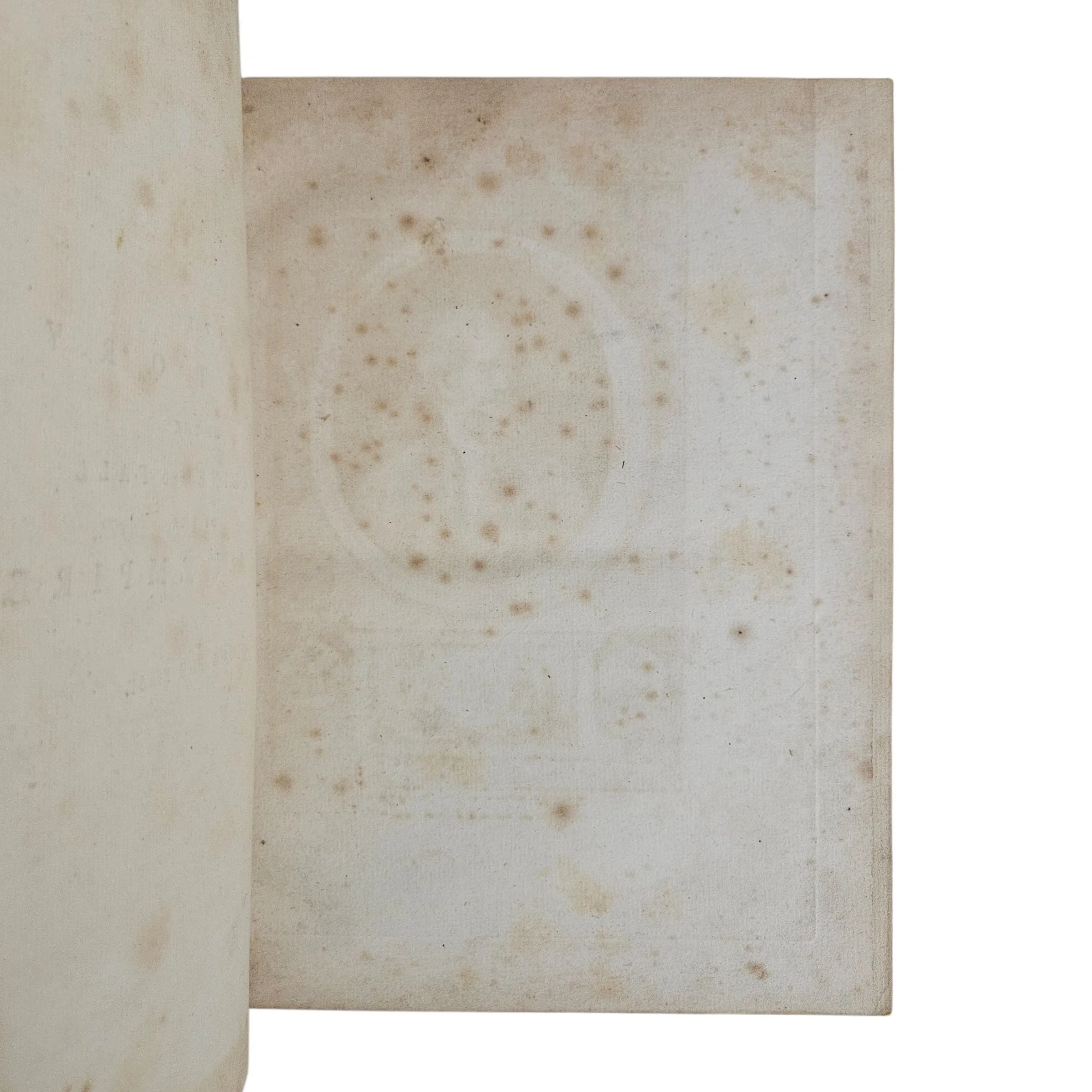 Image 20 of 21
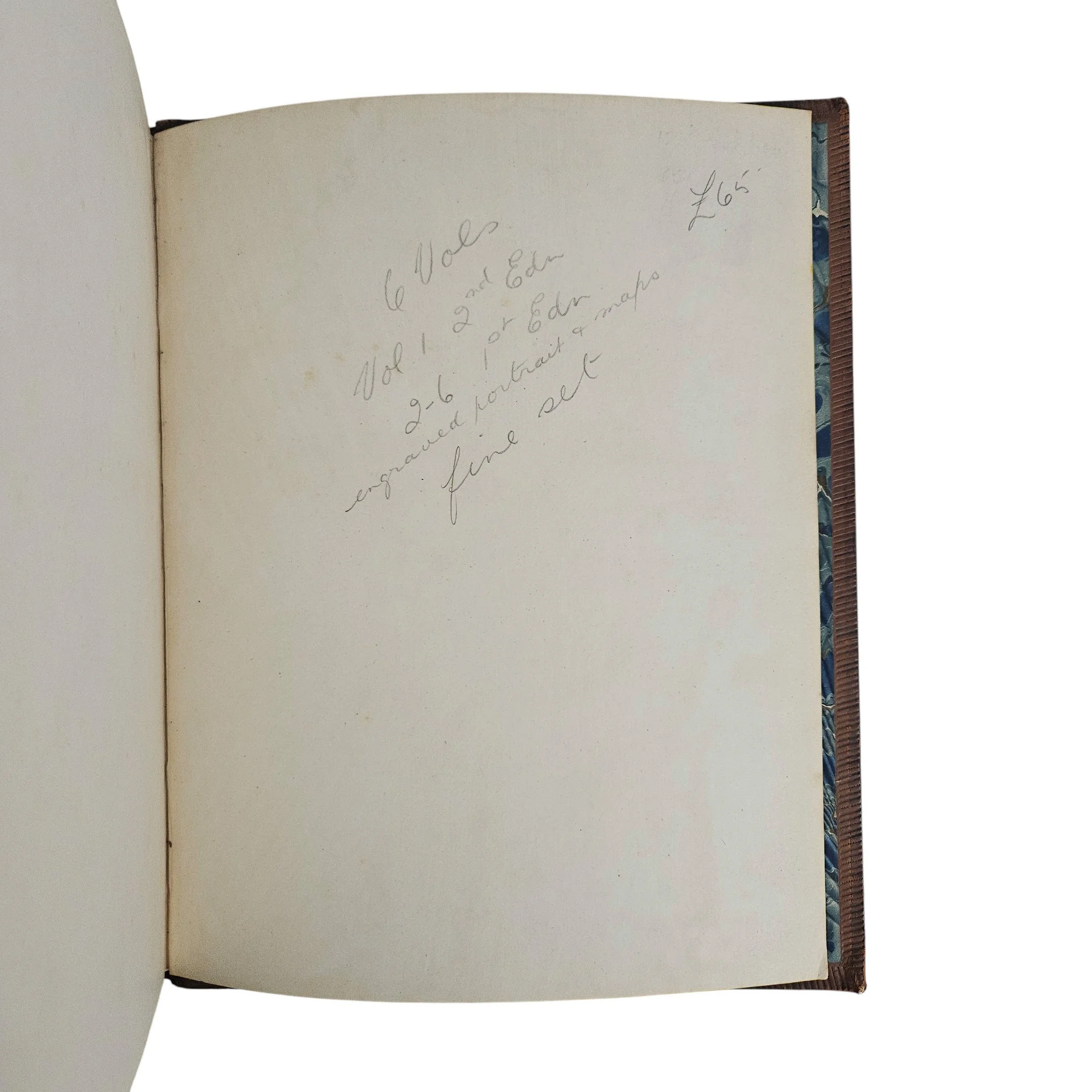 Image 21 of 21