First impression of Joyce's final novel, in the original dust jacket
Publisher and Year: London: Faber and Faber Limited, 1939
Edition: First edition, first impression, trade issue. The publisher produced 3,400 sets of sheets, but bound only 2,450 of them and destroyed the remaining 950. Original first-issue dust jacket, retaining the price of 25s net on the bottom of the front flap. Released simultaneously with the signed limited edition (Faber and Faber) and the first American edition (New York: The Viking Press). (Slocum & Cahoon A47)
Condition and Description: Quarto, burgundy cloth stamped in blind and gilt, yellow topstain, edges uncut, 628 pp. Clean cloth, with trace handling marks only. Secure hinges and binding. Remains of pencil note to the front free endpaper. Tanning to the first and final blank leaves, as usual, owing to the acidity of the endpapers. Mild vertical crease to the preliminary leaves up until p. 7, and then a shorter crease to about p. 17. The notoriously fragile dust jacket has some nicks, short tears, and small chips to the extremities and spine ends; and two larger areas of loss to the rear panel. Preserved in an archival mylar cover.
“riverrun, past Eve and Adam’s”
Finnegans Wake is James Joyce’s final novel, the culmination of seventeen years of experimentation that carried modernism to its outer limit. Conceived as a single night’s dream encompassing all of human history, it transforms the lives of a Dublin publican, his wife, and their children into an endlessly recursive myth of fall and renewal. Written in a polyglot language that fuses English with fragments from dozens of tongues, the book compresses folklore, theology, and gossip into a dense musical weave that dissolves the boundaries between story, song, and history. Emerging after Ulysses as both its sequel and inversion, Finnegans Wake rejected the realist novel entirely, recasting fiction as a linguistic symphony meant to be heard as much as read. Its publication in 1939 divided critics and bewildered readers, yet it soon became one of the central monuments of twentieth-century literature, studied for its innovations in language, structure, and sound. Once dismissed as unreadable, it has since shaped the methods of Beckett, Burgess, and Pynchon, and remains unmatched in its ambition to encompass the whole of human speech within a single book.
Inventory ID: 075 - 479 - 805
First impression of Joyce's final novel, in the original dust jacket
Publisher and Year: London: Faber and Faber Limited, 1939
Edition: First edition, first impression, trade issue. The publisher produced 3,400 sets of sheets, but bound only 2,450 of them and destroyed the remaining 950. Original first-issue dust jacket, retaining the price of 25s net on the bottom of the front flap. Released simultaneously with the signed limited edition (Faber and Faber) and the first American edition (New York: The Viking Press). (Slocum & Cahoon A47)
Condition and Description: Quarto, burgundy cloth stamped in blind and gilt, yellow topstain, edges uncut, 628 pp. Clean cloth, with trace handling marks only. Secure hinges and binding. Remains of pencil note to the front free endpaper. Tanning to the first and final blank leaves, as usual, owing to the acidity of the endpapers. Mild vertical crease to the preliminary leaves up until p. 7, and then a shorter crease to about p. 17. The notoriously fragile dust jacket has some nicks, short tears, and small chips to the extremities and spine ends; and two larger areas of loss to the rear panel. Preserved in an archival mylar cover.
“riverrun, past Eve and Adam’s”
Finnegans Wake is James Joyce’s final novel, the culmination of seventeen years of experimentation that carried modernism to its outer limit. Conceived as a single night’s dream encompassing all of human history, it transforms the lives of a Dublin publican, his wife, and their children into an endlessly recursive myth of fall and renewal. Written in a polyglot language that fuses English with fragments from dozens of tongues, the book compresses folklore, theology, and gossip into a dense musical weave that dissolves the boundaries between story, song, and history. Emerging after Ulysses as both its sequel and inversion, Finnegans Wake rejected the realist novel entirely, recasting fiction as a linguistic symphony meant to be heard as much as read. Its publication in 1939 divided critics and bewildered readers, yet it soon became one of the central monuments of twentieth-century literature, studied for its innovations in language, structure, and sound. Once dismissed as unreadable, it has since shaped the methods of Beckett, Burgess, and Pynchon, and remains unmatched in its ambition to encompass the whole of human speech within a single book.
Inventory ID: 075 - 479 - 805

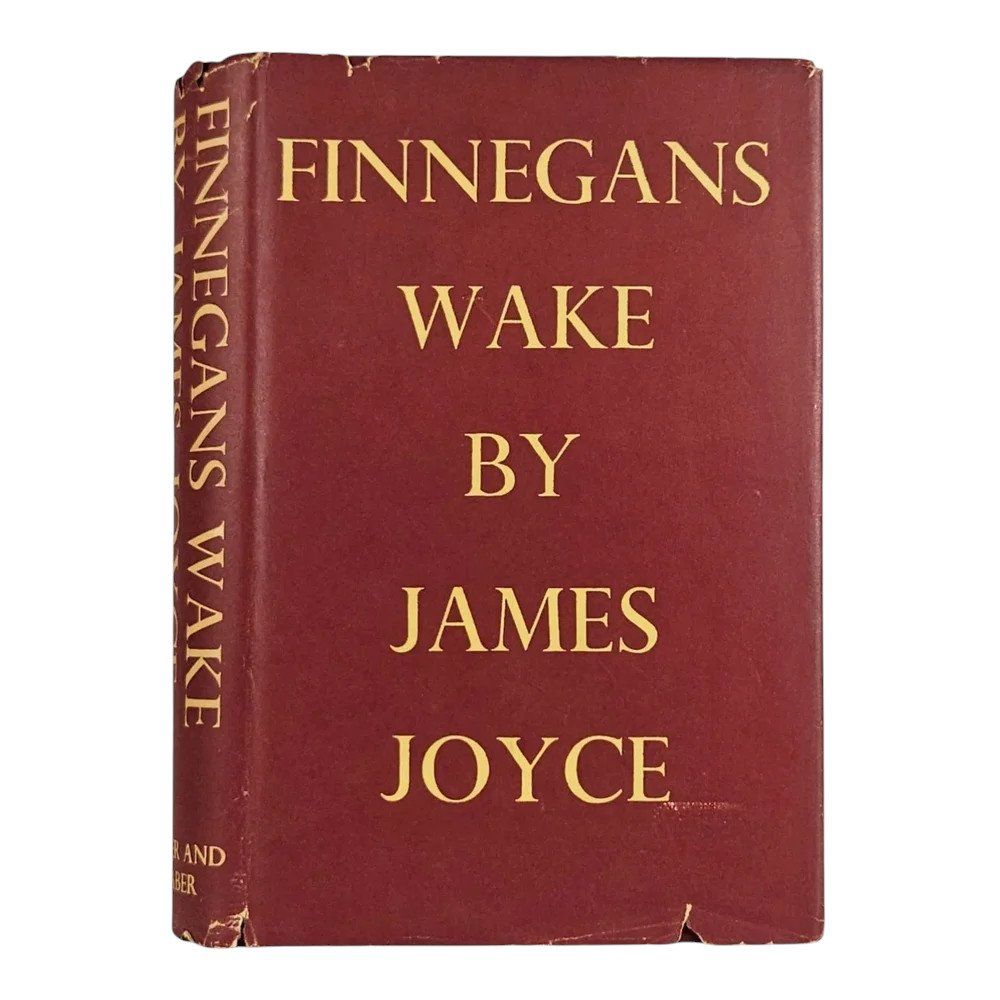 Image 1 of 24
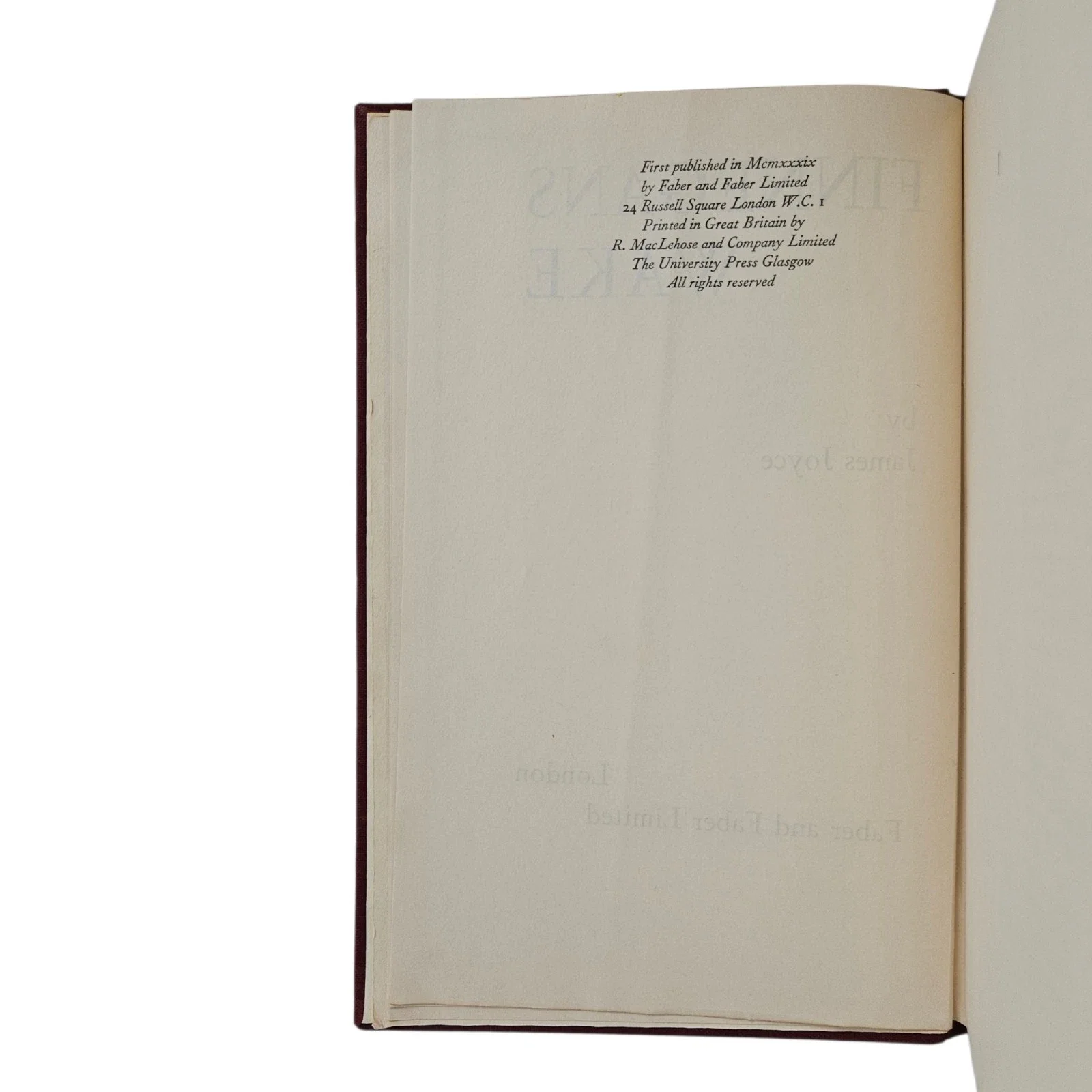 Image 2 of 24
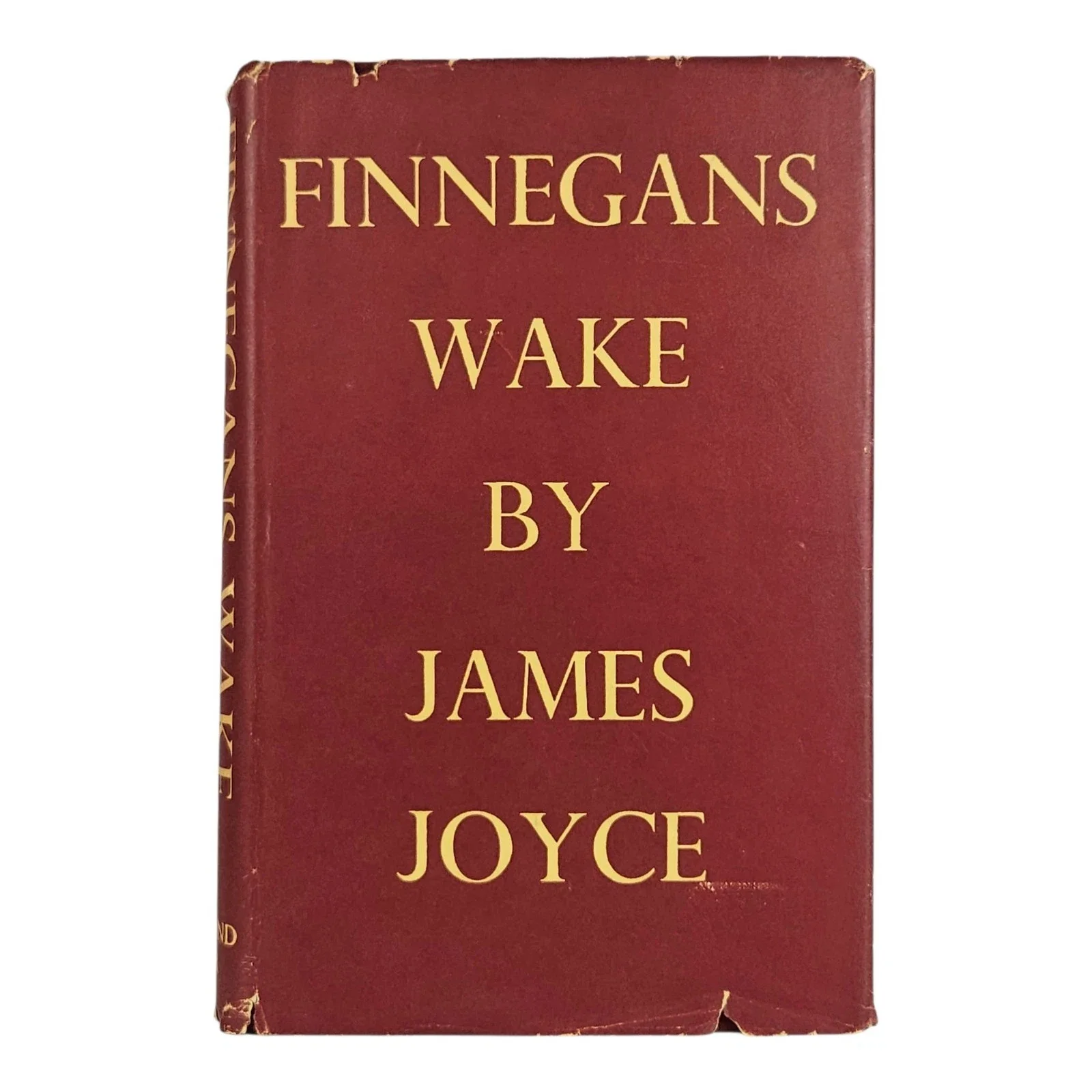 Image 3 of 24
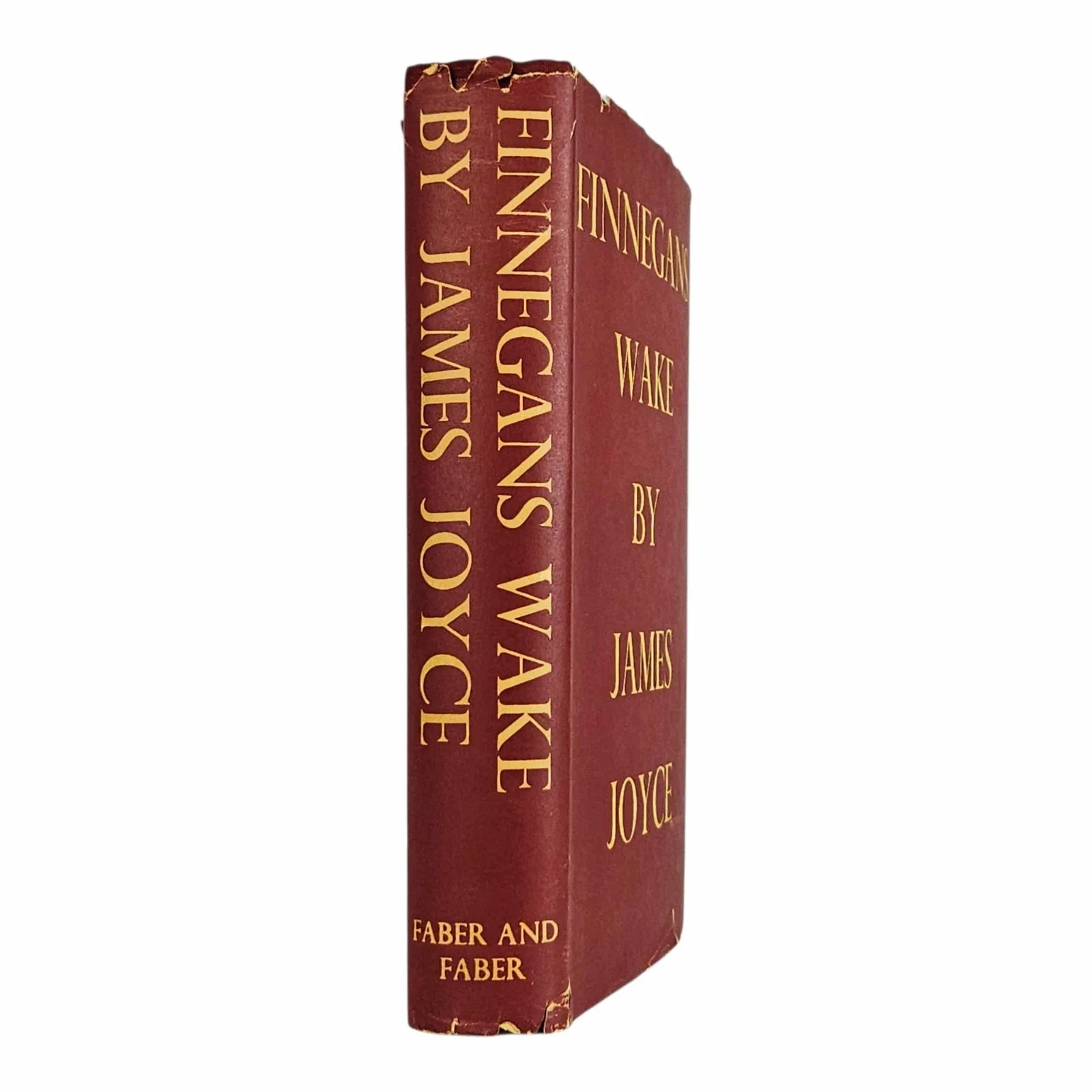 Image 4 of 24
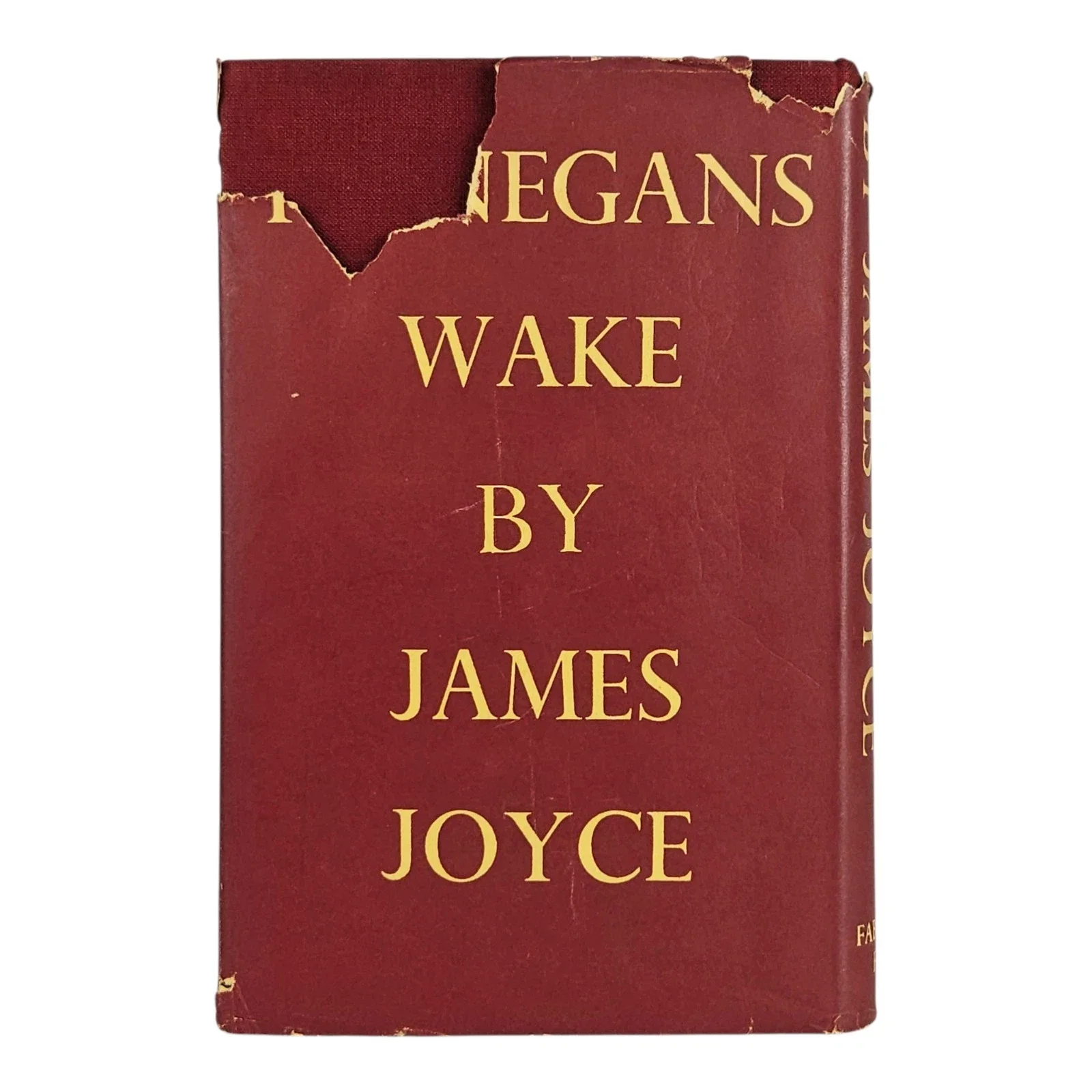 Image 5 of 24
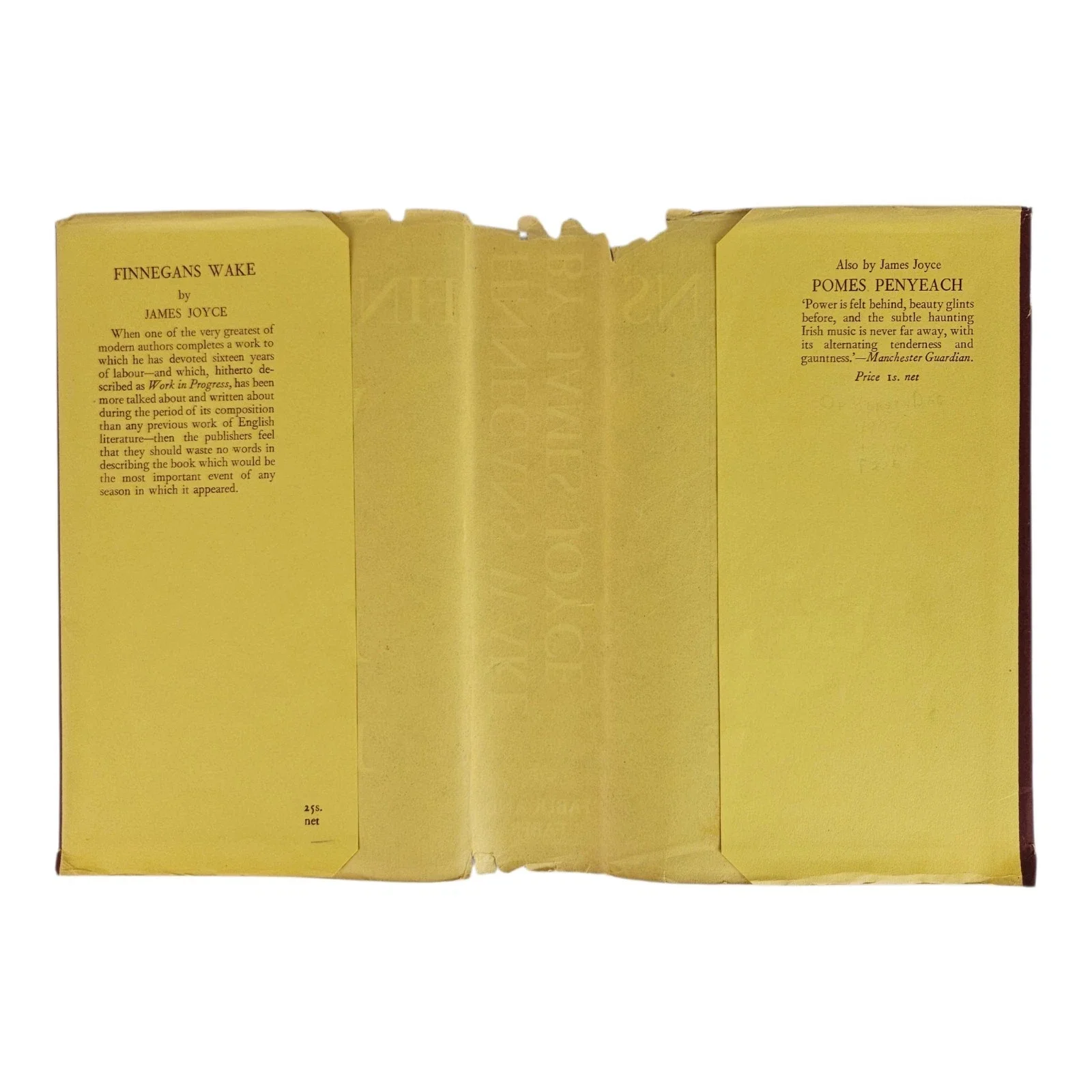 Image 6 of 24
 Image 7 of 24
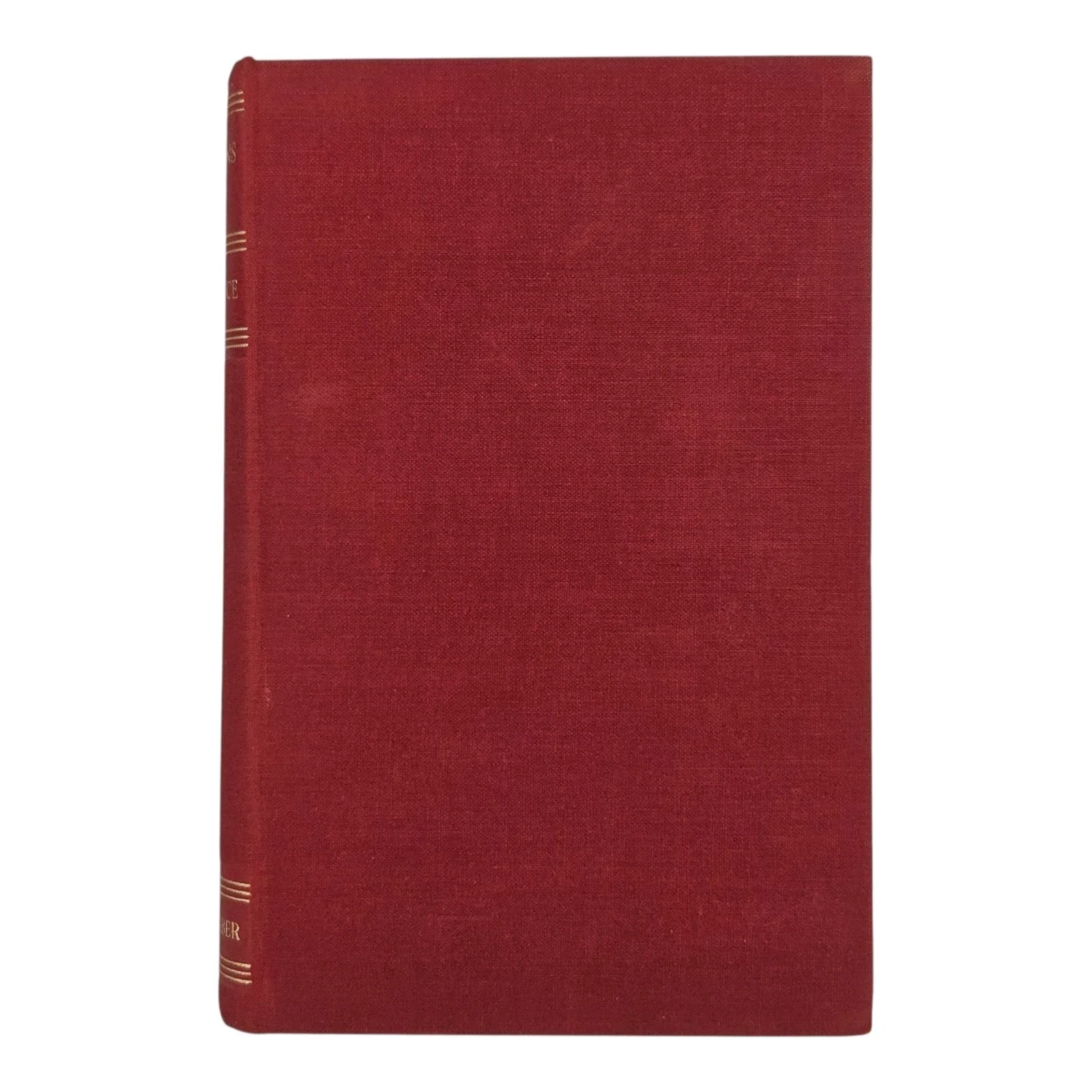 Image 8 of 24
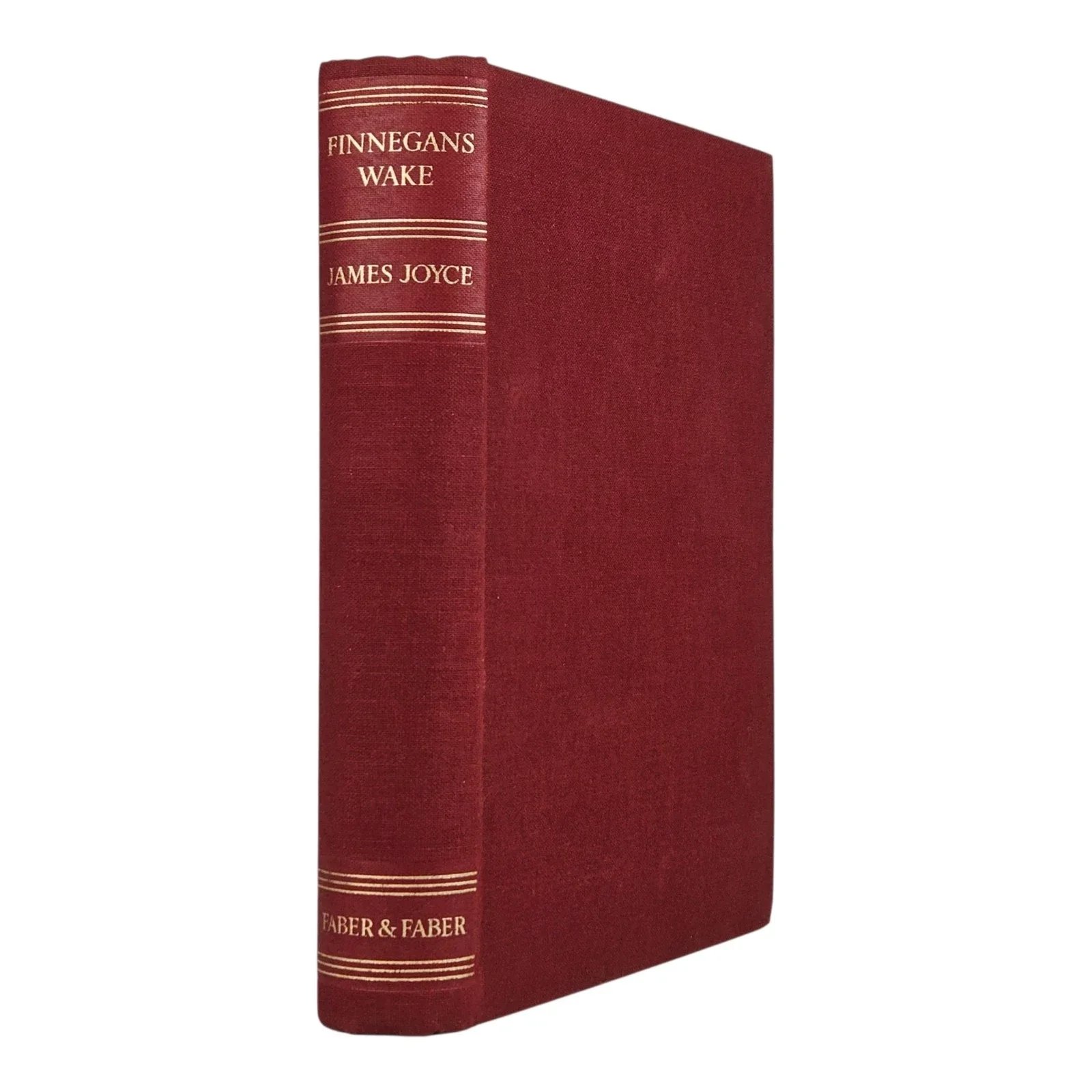 Image 9 of 24
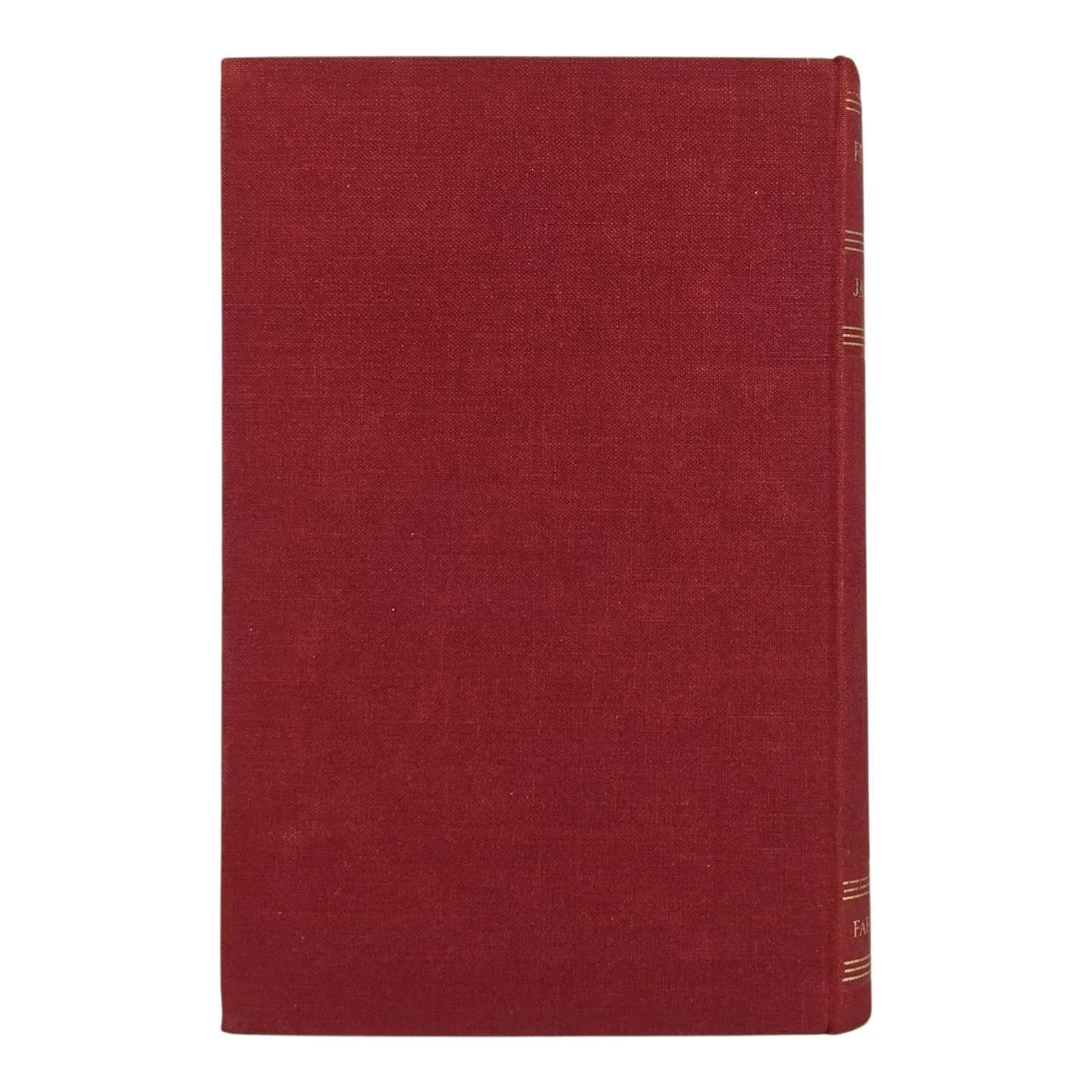 Image 10 of 24
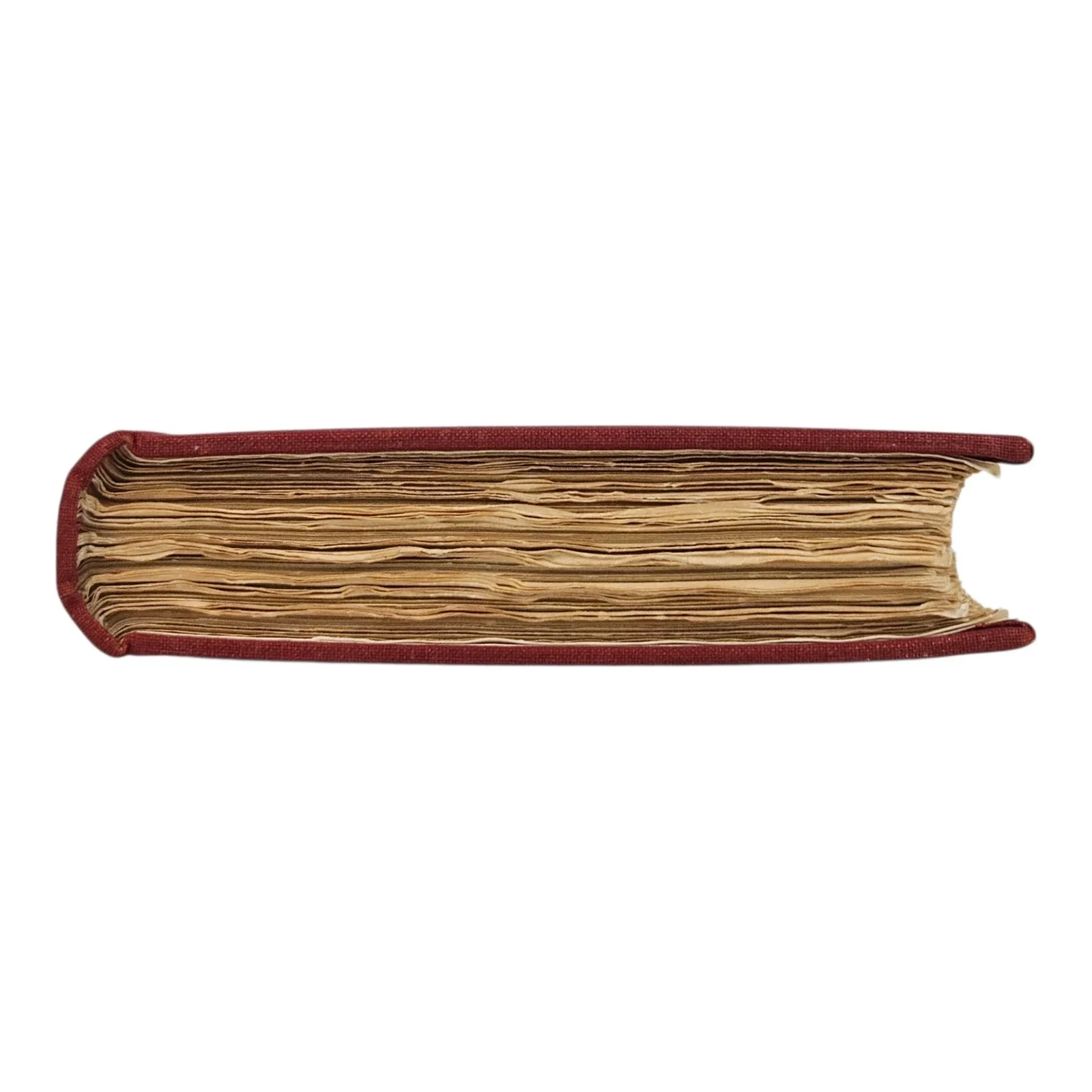 Image 11 of 24
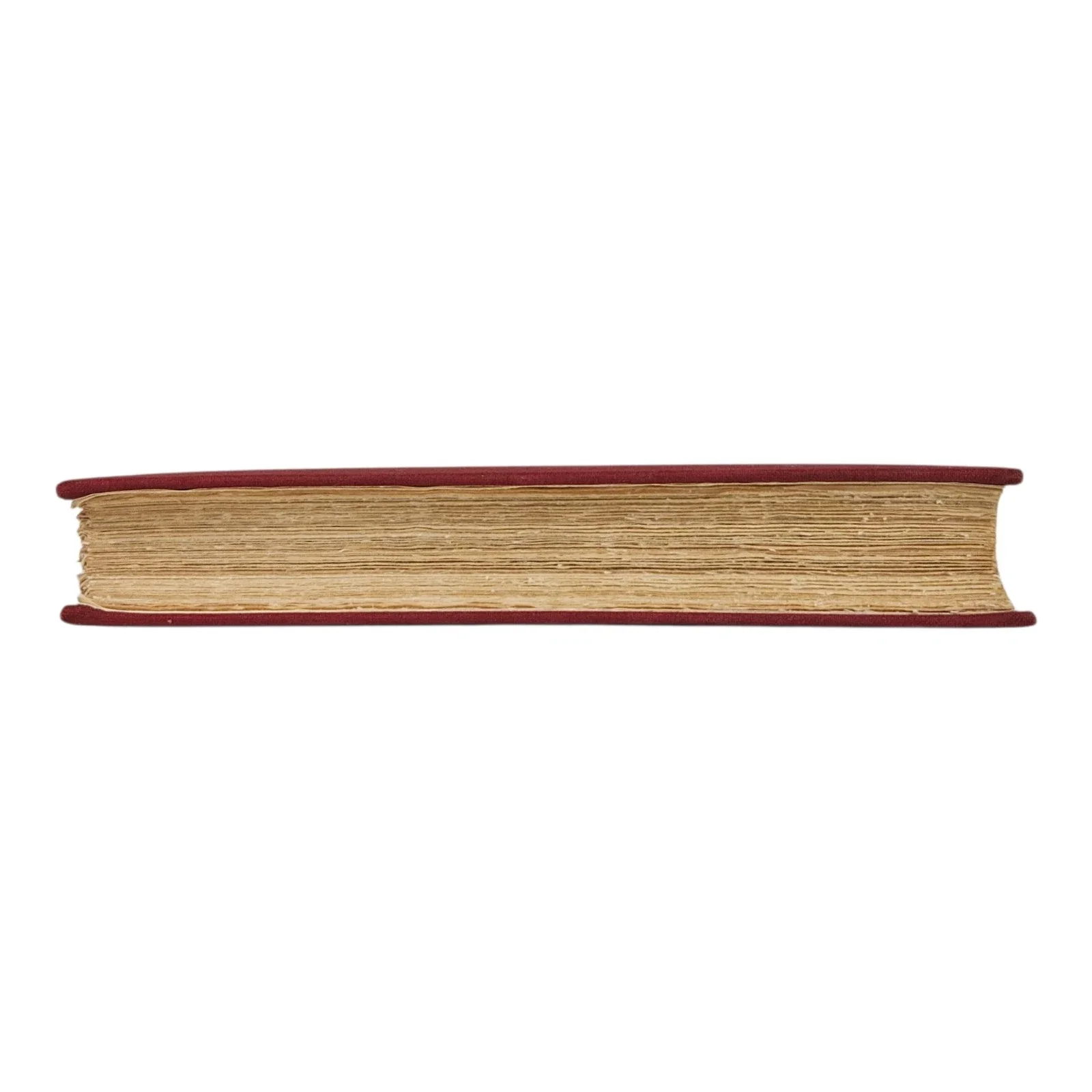 Image 12 of 24
 Image 13 of 24
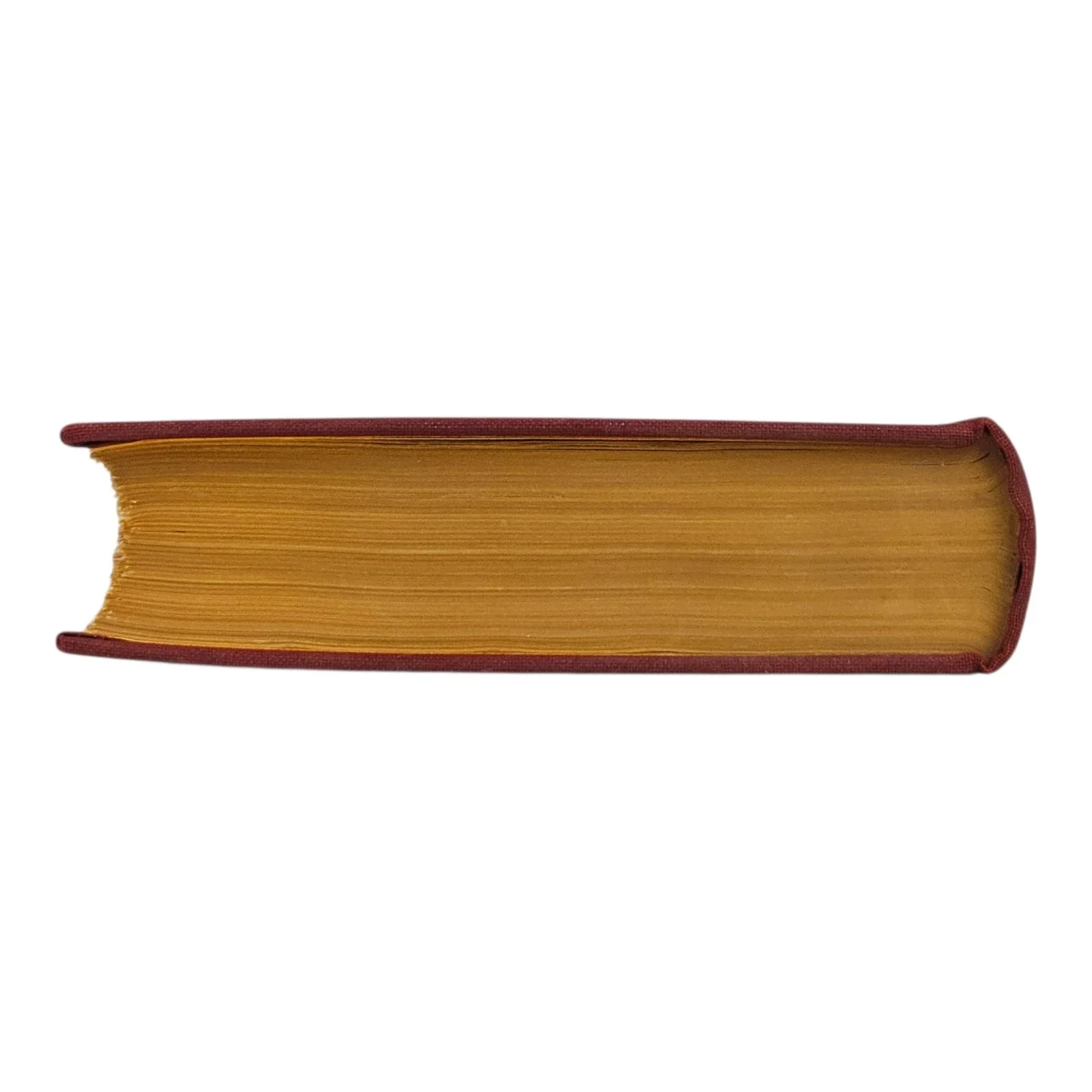 Image 14 of 24
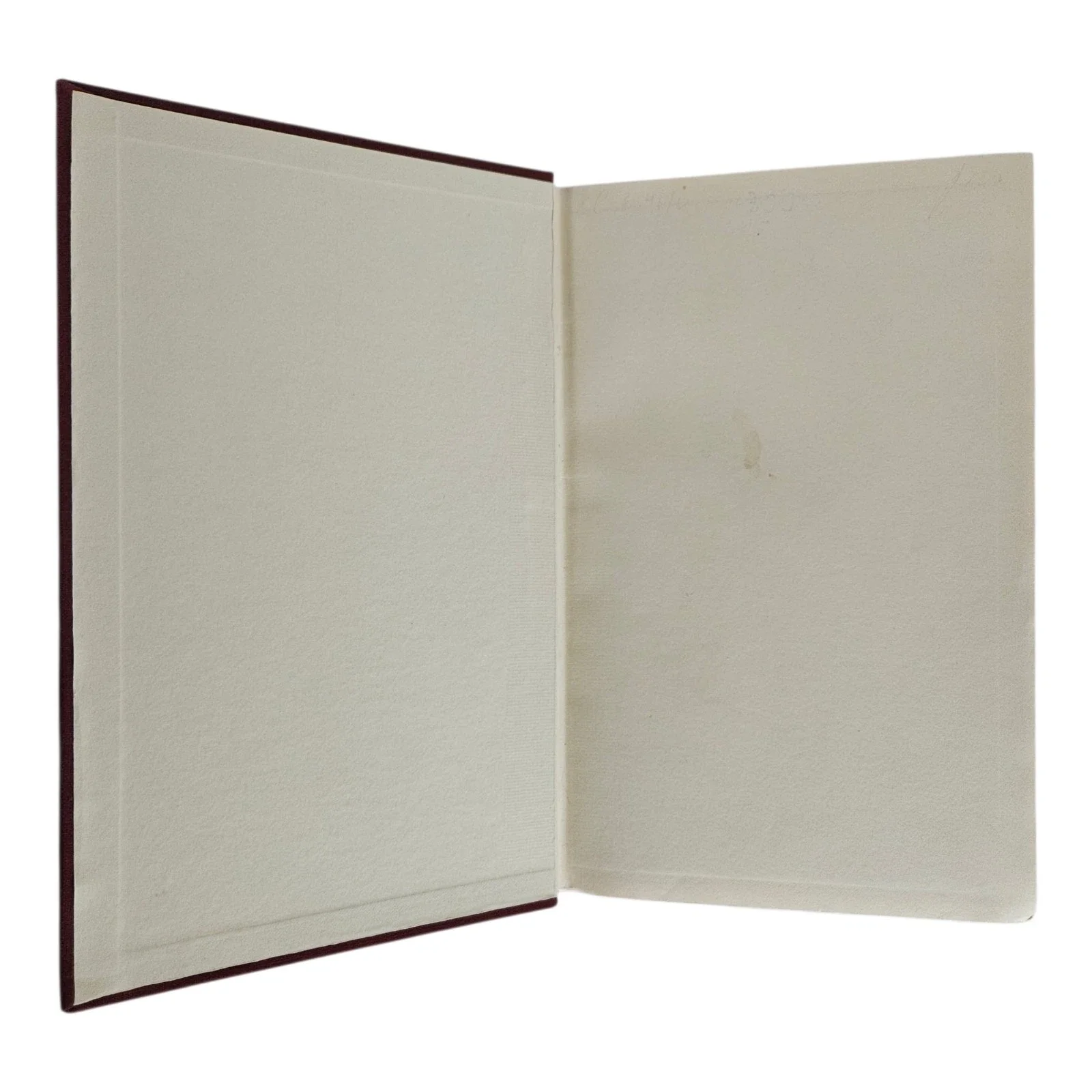 Image 15 of 24
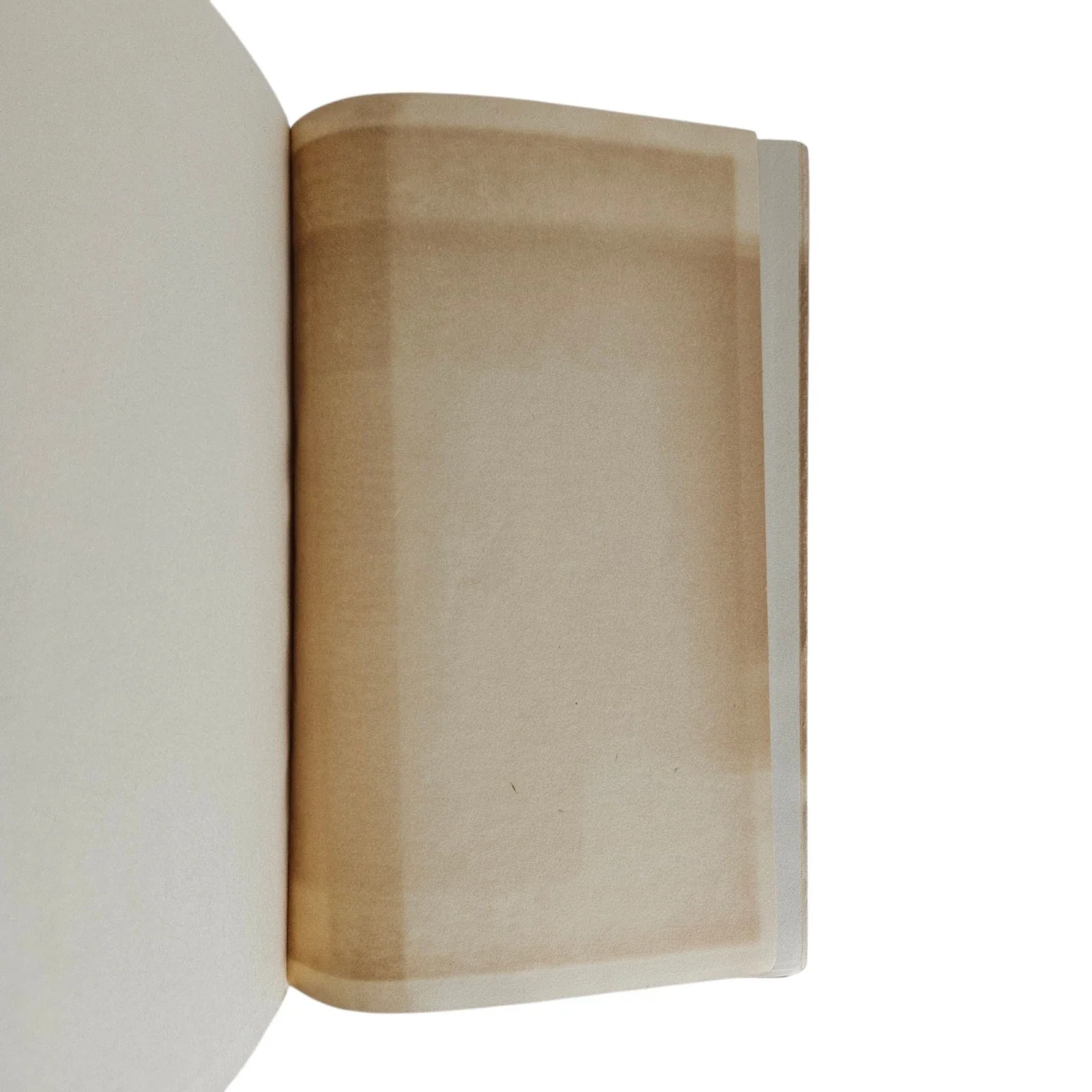 Image 16 of 24
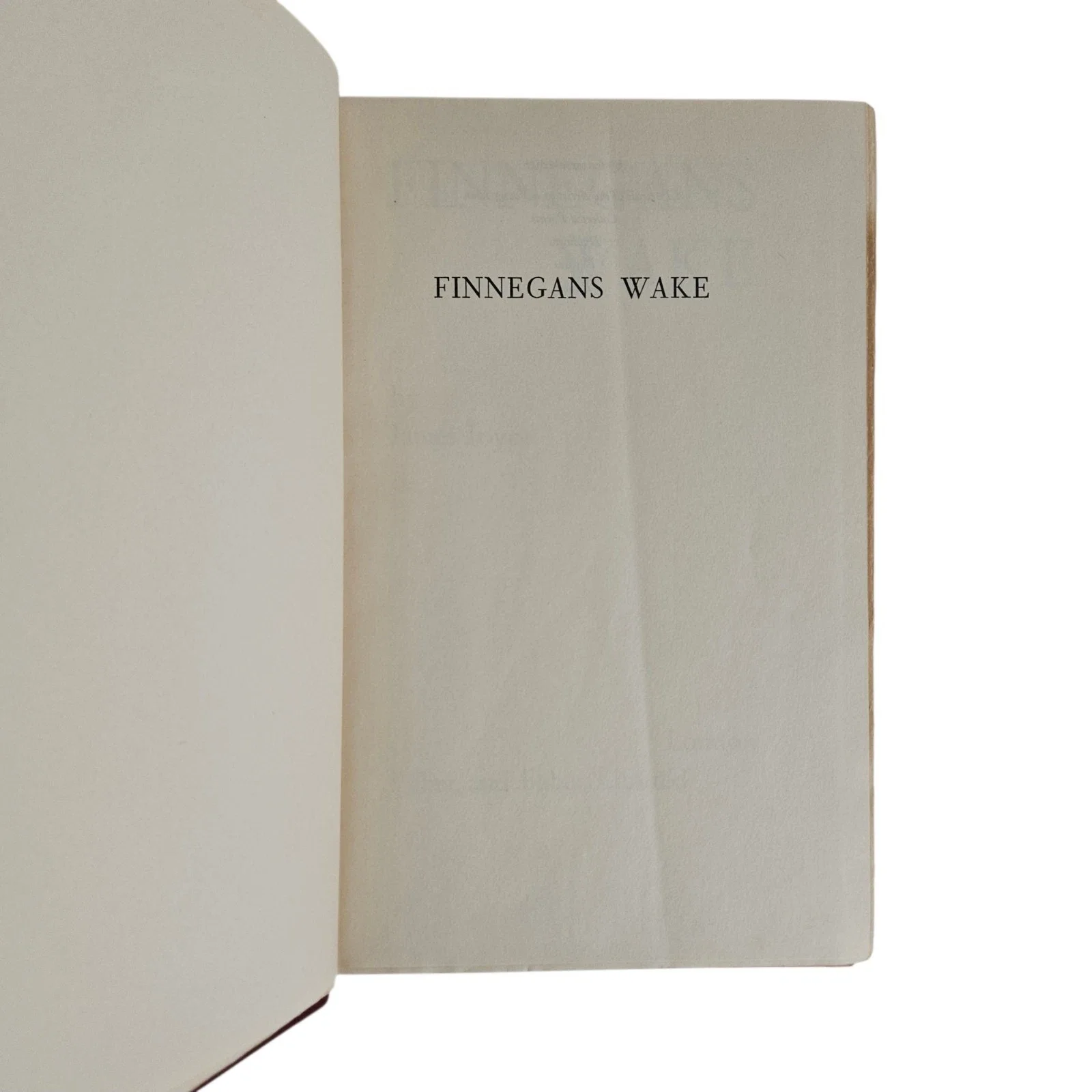 Image 17 of 24
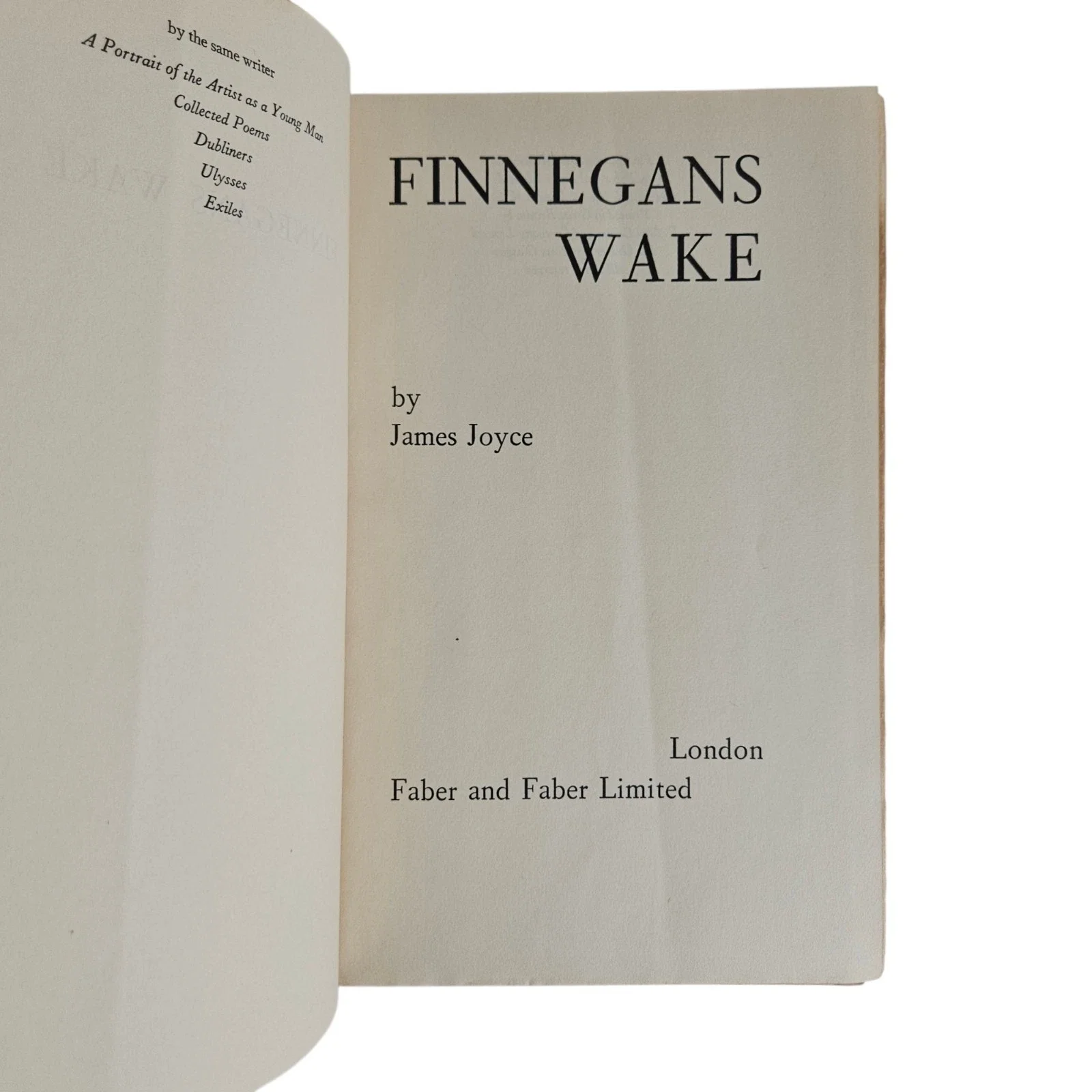 Image 18 of 24
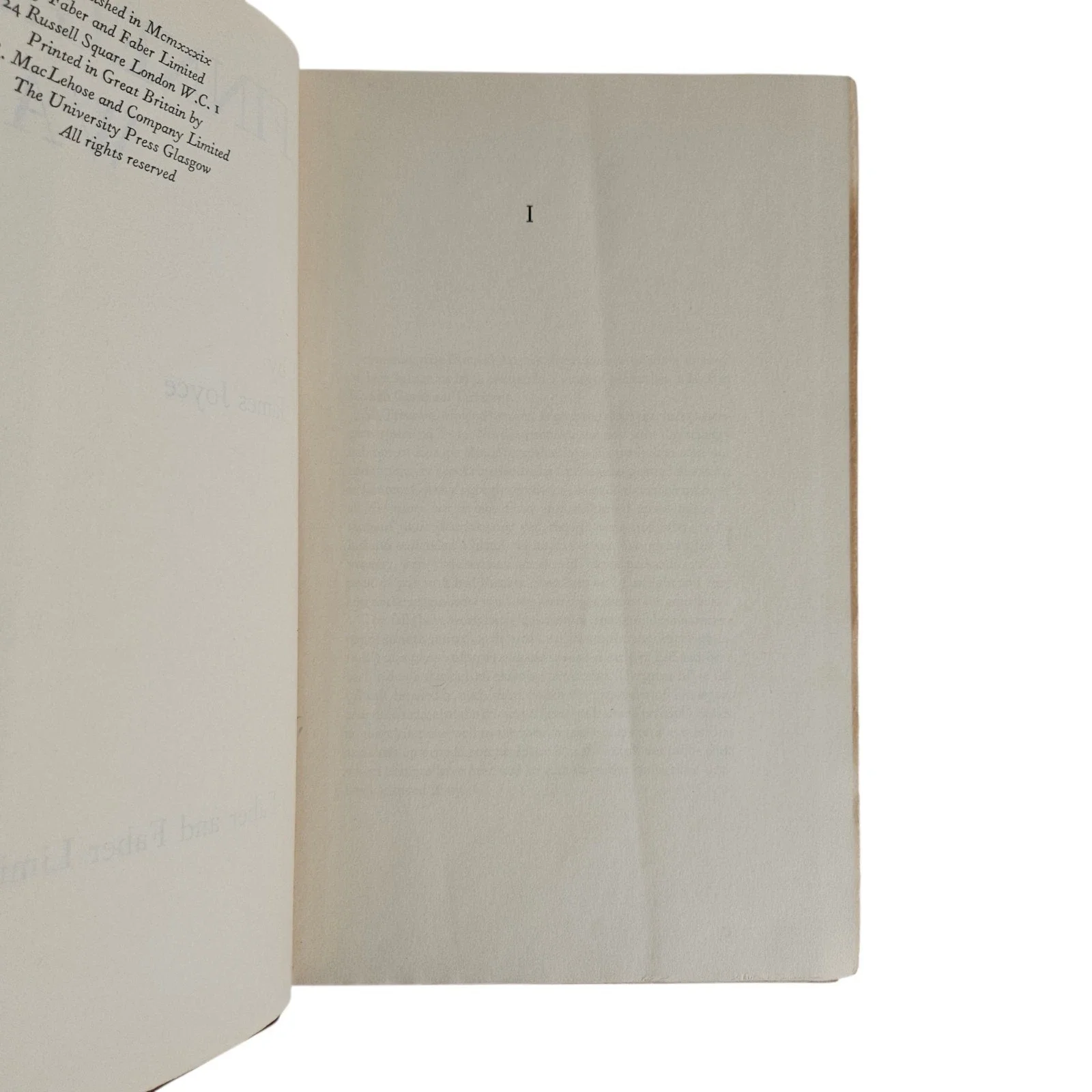 Image 19 of 24
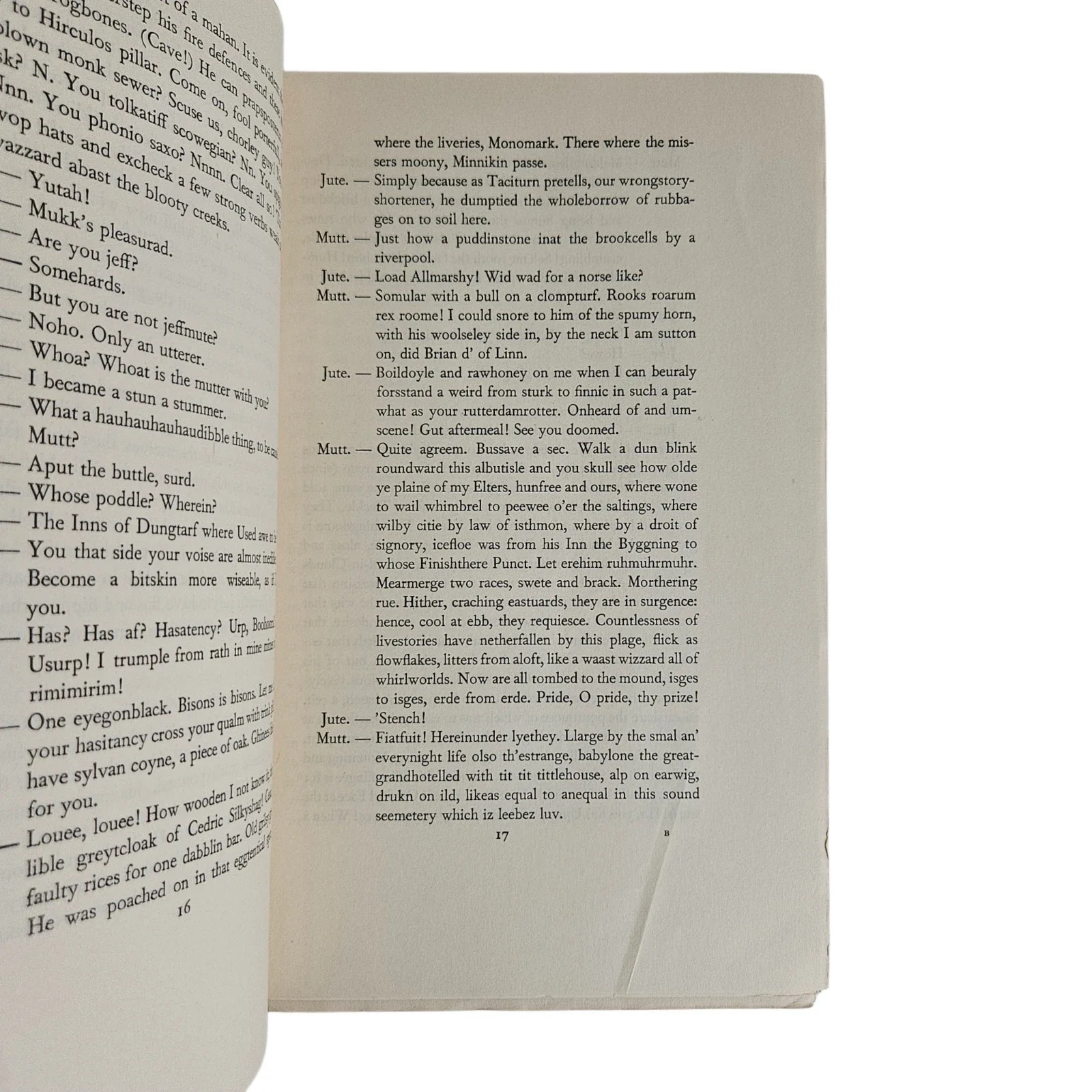 Image 20 of 24
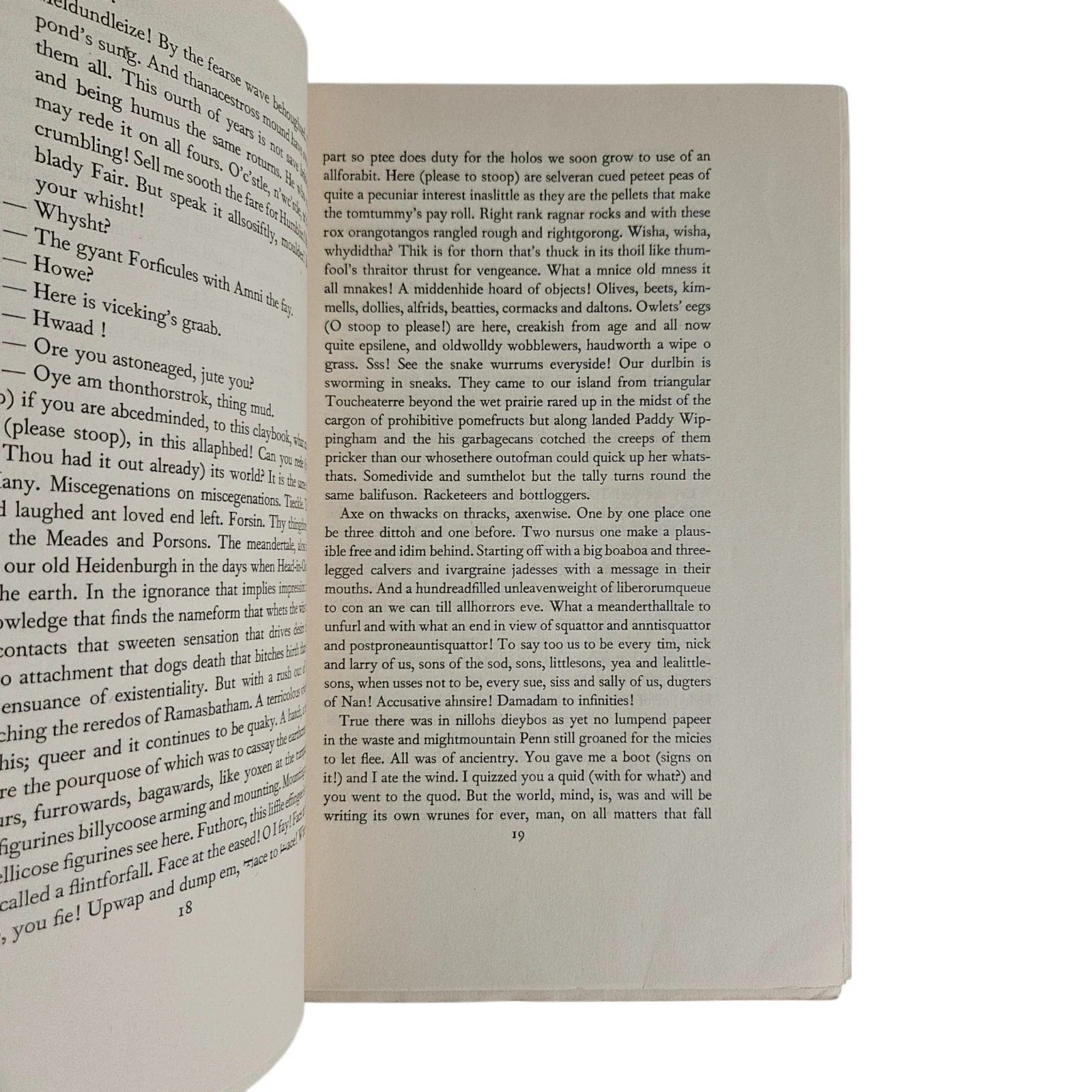 Image 21 of 24
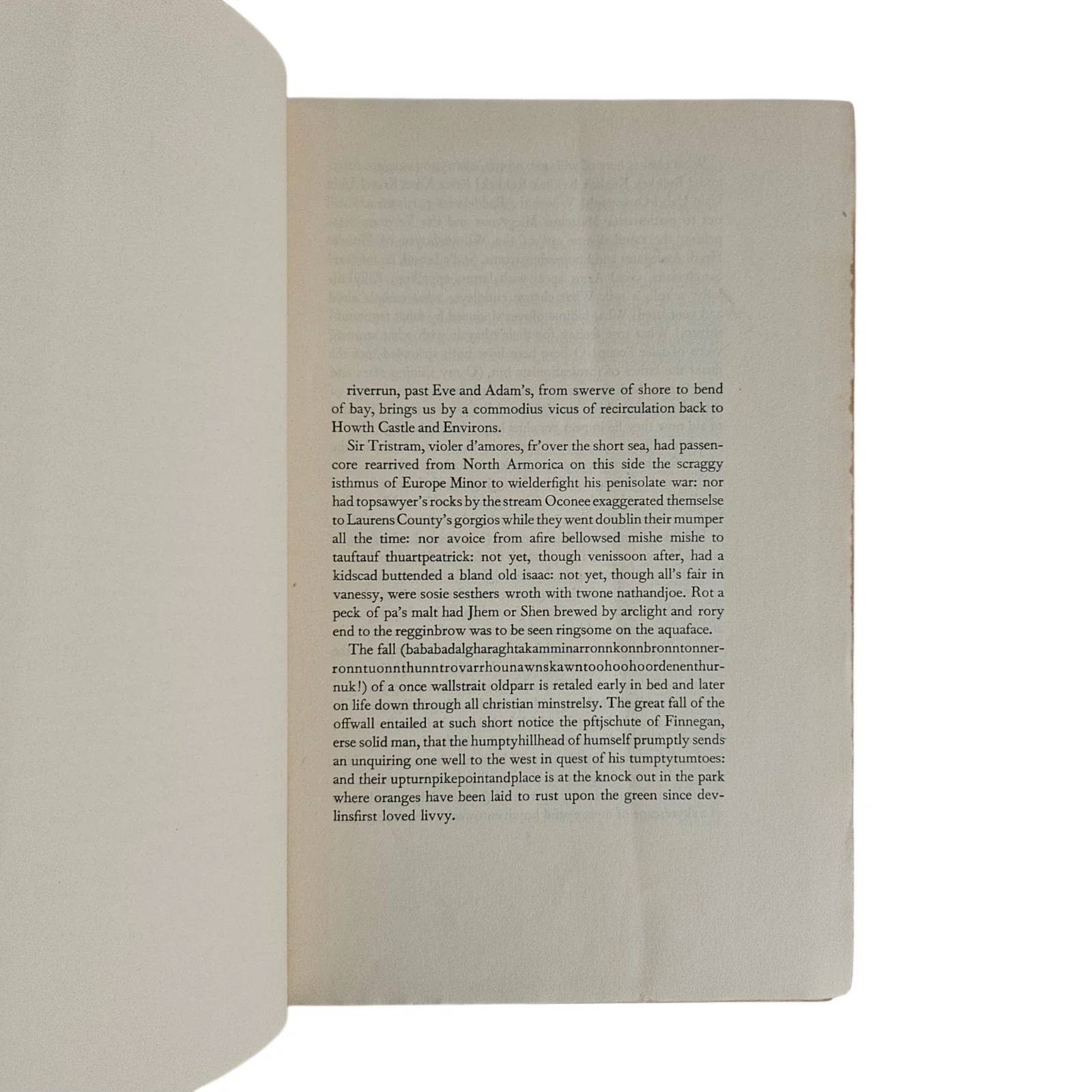 Image 22 of 24
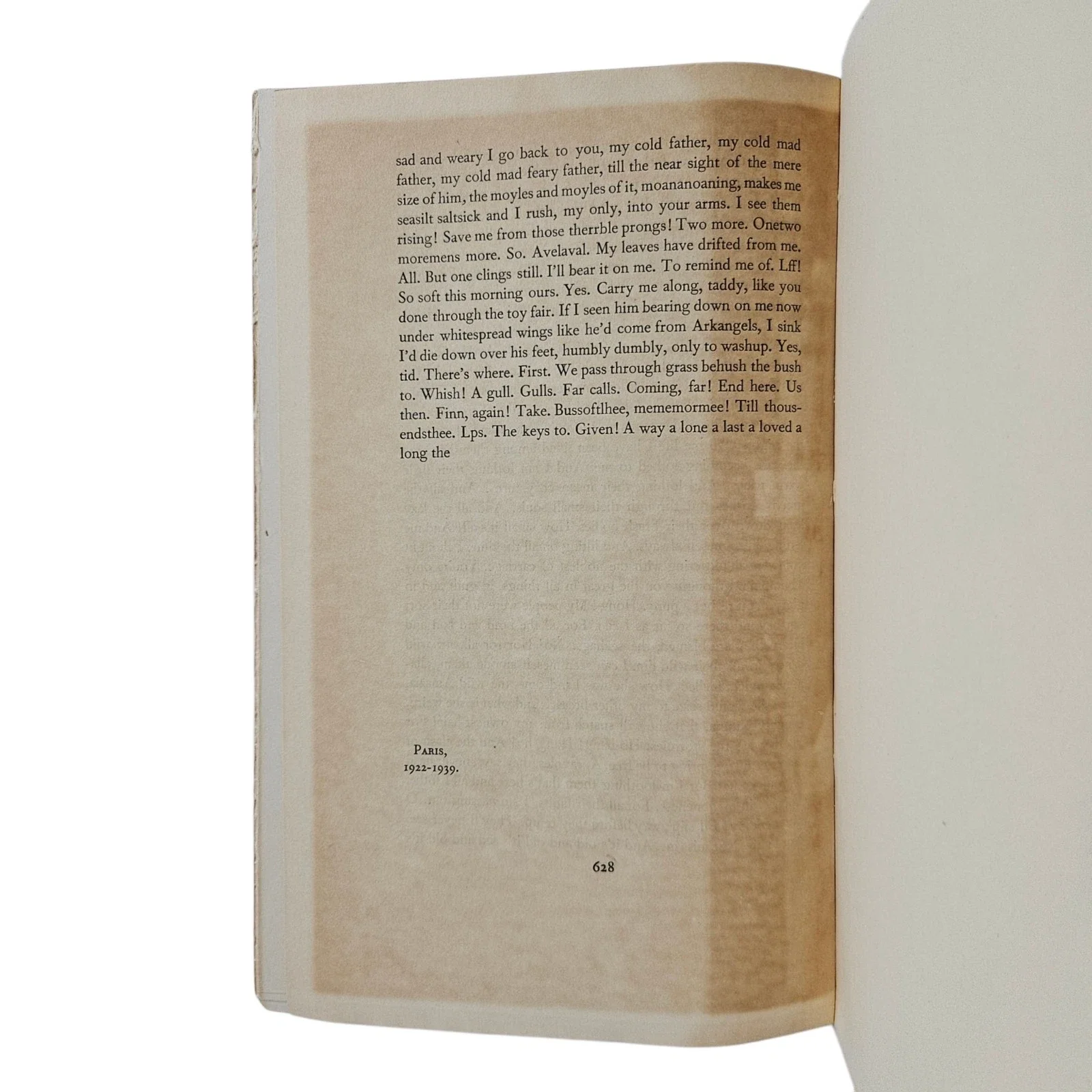 Image 23 of 24
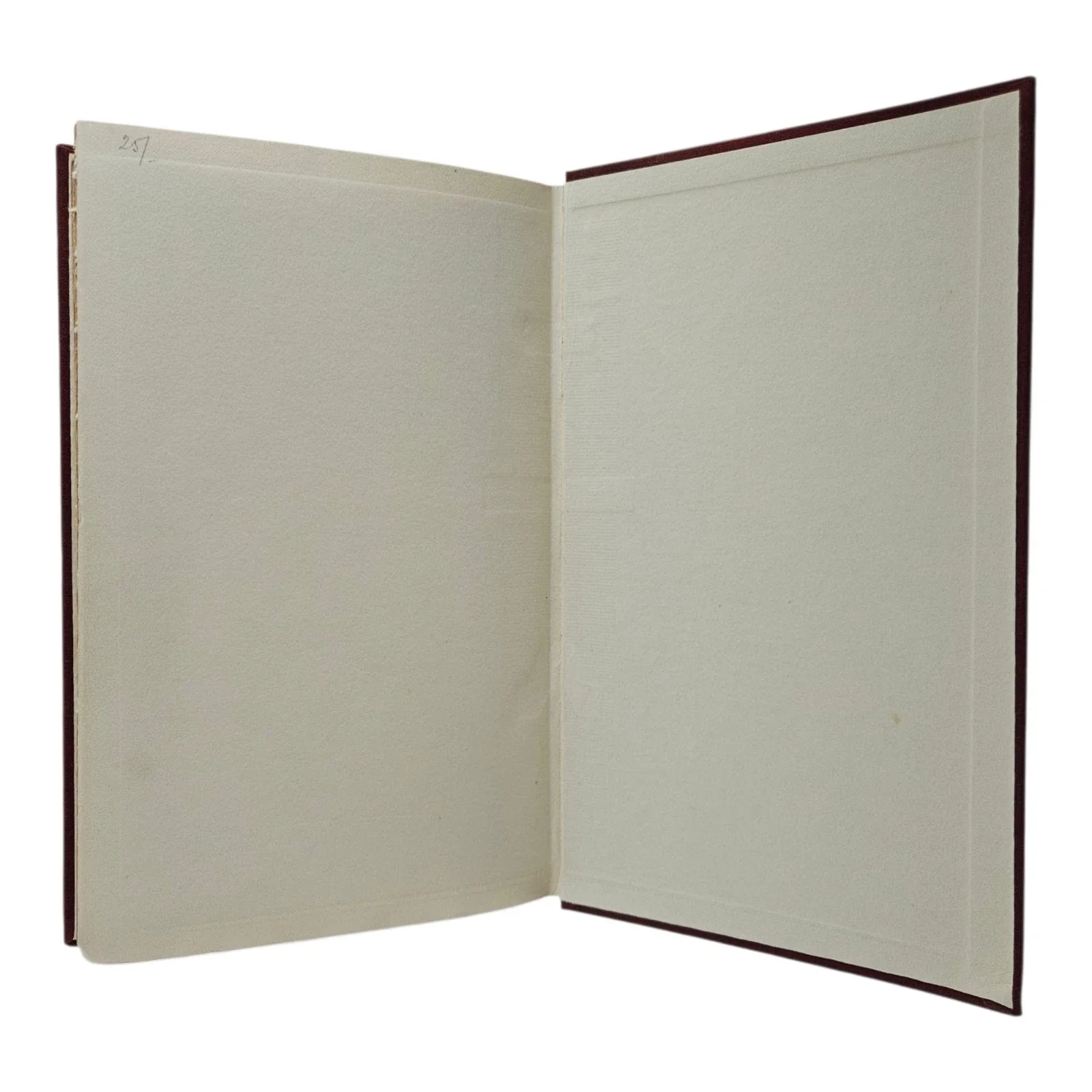 Image 24 of 24