First American edition, preceding the later Humboldt text in America by twenty months
Publisher and Year: New York: Appleton & Co., 1889
Edition: First American edition, one of just 500 copies published in January 1889.(1-4) Translated from the third German edition by Samuel Moore and Edward Aveling. The present work consists of the first and only volume to be fully written by Marx, with the next two installments completed by Engels and published in English in 1907 and 1909.
Other than the title page, the text of the 1889 Appleton edition is identical to the first British edition (London: Swan Sonnenschein & Co., 1887) and was bound from sheets printed in the U.K., but was issued in one volume rather than two. For this edition, the British firm printed and sold 500 sets of sheets to Appleton & Co., marking the first time that an American firm was listed as a publisher on the printed sheets. Note that in 1887, about half of the 500 copies of the first British edition were exported and bound in the United States, but the sheets were not printed with credit to the two American distributors (though both firms did make later alterations to advertise their involvement).(1)
The next appearance of the book in America came a full twenty months after the Appleton edition (New York: The Humboldt Publishing Company, 1890). Though the Humboldt edition was the earliest to be physically printed in the United States, the text was an unauthorized piracy of the Moore-Aveling translation.1 The Humboldt edition was issued in serialized wrappers from September to October in 1890, and then in cloth by November of that year at the latest (~5,000 copies were ultimately printed).(1,5-8)
Condition and Description: Thick octavo, publisher's ochre cloth stamped in gilt and blind, pale-yellow endpapers, 816 pp. Boards soiled, with some rubbing and handling wear. Tips bumped and exposed. Gilt still legible. Some stains to the edges of the text block, not intruding upon the text except for in one small instance on the upper part of the final blank. Hinges loose but holding, with splits to the endpapers at the gutters but the webbing remains intact (a common fault given the considerable weight and thickness of the text block). The text itself remains firmly bound, with all pages attached. Tanning to the first two blanks from something that had been laid in. Previous owner's name in ink to the third blank page (Louis Walldorf, a member of the Socialist Labor Party in the 1890s). No other writing or underlining. A few scattered instances of light foxing and finger smudging. Without any restoration or repair.
An 1899 card from The Labor Lyceum, a socialist organization based in Rochester, N.Y., is laid in. The card advertises an event ("The 'People's Parliament'") consisting of a series of lectures and open debates concerning questions "vital...to the working people." The card, in addition to ownership by a member of the Socialist Labor Party, reflects the use of this copy in the American socialist movement in the late nineteenth century.
Provenance:Louis Walldorf (b. 1832), a German immigrant, watchmaker, and socialist political activist. In March of 1892, Walldorf was nominated by his ward to be an executive board member of The Socialist Labor (SLP) party in Rochester, N.Y., where he resided. Later that year, the SLP nominated their first candidates for president and vice president of the United States, even though the official party platform was to abolish both offices. Walldorf remained a resident of Rochester throughout the 1890s, and The Labor Lyceum card was plausibly his given where the advertised event was held.
References:
“Karl Marx, Capital, First American Editions.” Article issued by the Karl Marx Library in Luxembourg.
The Publisher’s Weekly, 1888 (Dec 29). Vol 34, Issue 26. (Appleton's edition listed under “Will publish next week.”)
The Publisher’s Weekly, 1889 (Jan 12). Vol 35, Issue 2. (Appleton's edition listed under “Just published”)
The Daily Inter Ocean, 1889 (Jan 12). (Appleton's edition listed under “Books Received”)
The Humboldt Library of Science issues of Marx’s The Capital (135-138). Parts were dated Sep 1, Sep 15, Oct 1, and Oct 15 of 1890 on the front wrappers. Refer to the example sold by Swann Galleries on May 5th, 2022.
Copies in wrappers were reprinted monthly from January 1891 to April 1891, with such copies bearing those dates on the front wrappers. Refer to the set listed by Antiquariat Inlibris.
The Nation, 1890 (November 6), Vol 51, Issue 1323. (Humboldt edition advertised at $1.20 [four parts in wrappers] and $1.75 [cloth])
The Nation, 1890 (November 12), Vol 51, Issue 1324. (Humboldt edition advertised at $1.20 [four parts in wrappers] and $1.75 [cloth])
Inventory ID: 694 - 650 - 736
First American edition, preceding the later Humboldt text in America by twenty months
Publisher and Year: New York: Appleton & Co., 1889
Edition: First American edition, one of just 500 copies published in January 1889.(1-4) Translated from the third German edition by Samuel Moore and Edward Aveling. The present work consists of the first and only volume to be fully written by Marx, with the next two installments completed by Engels and published in English in 1907 and 1909.
Other than the title page, the text of the 1889 Appleton edition is identical to the first British edition (London: Swan Sonnenschein & Co., 1887) and was bound from sheets printed in the U.K., but was issued in one volume rather than two. For this edition, the British firm printed and sold 500 sets of sheets to Appleton & Co., marking the first time that an American firm was listed as a publisher on the printed sheets. Note that in 1887, about half of the 500 copies of the first British edition were exported and bound in the United States, but the sheets were not printed with credit to the two American distributors (though both firms did make later alterations to advertise their involvement).(1)
The next appearance of the book in America came a full twenty months after the Appleton edition (New York: The Humboldt Publishing Company, 1890). Though the Humboldt edition was the earliest to be physically printed in the United States, the text was an unauthorized piracy of the Moore-Aveling translation.1 The Humboldt edition was issued in serialized wrappers from September to October in 1890, and then in cloth by November of that year at the latest (~5,000 copies were ultimately printed).(1,5-8)
Condition and Description: Thick octavo, publisher's ochre cloth stamped in gilt and blind, pale-yellow endpapers, 816 pp. Boards soiled, with some rubbing and handling wear. Tips bumped and exposed. Gilt still legible. Some stains to the edges of the text block, not intruding upon the text except for in one small instance on the upper part of the final blank. Hinges loose but holding, with splits to the endpapers at the gutters but the webbing remains intact (a common fault given the considerable weight and thickness of the text block). The text itself remains firmly bound, with all pages attached. Tanning to the first two blanks from something that had been laid in. Previous owner's name in ink to the third blank page (Louis Walldorf, a member of the Socialist Labor Party in the 1890s). No other writing or underlining. A few scattered instances of light foxing and finger smudging. Without any restoration or repair.
An 1899 card from The Labor Lyceum, a socialist organization based in Rochester, N.Y., is laid in. The card advertises an event ("The 'People's Parliament'") consisting of a series of lectures and open debates concerning questions "vital...to the working people." The card, in addition to ownership by a member of the Socialist Labor Party, reflects the use of this copy in the American socialist movement in the late nineteenth century.
Provenance:Louis Walldorf (b. 1832), a German immigrant, watchmaker, and socialist political activist. In March of 1892, Walldorf was nominated by his ward to be an executive board member of The Socialist Labor (SLP) party in Rochester, N.Y., where he resided. Later that year, the SLP nominated their first candidates for president and vice president of the United States, even though the official party platform was to abolish both offices. Walldorf remained a resident of Rochester throughout the 1890s, and The Labor Lyceum card was plausibly his given where the advertised event was held.
References:
“Karl Marx, Capital, First American Editions.” Article issued by the Karl Marx Library in Luxembourg.
The Publisher’s Weekly, 1888 (Dec 29). Vol 34, Issue 26. (Appleton's edition listed under “Will publish next week.”)
The Publisher’s Weekly, 1889 (Jan 12). Vol 35, Issue 2. (Appleton's edition listed under “Just published”)
The Daily Inter Ocean, 1889 (Jan 12). (Appleton's edition listed under “Books Received”)
The Humboldt Library of Science issues of Marx’s The Capital (135-138). Parts were dated Sep 1, Sep 15, Oct 1, and Oct 15 of 1890 on the front wrappers. Refer to the example sold by Swann Galleries on May 5th, 2022.
Copies in wrappers were reprinted monthly from January 1891 to April 1891, with such copies bearing those dates on the front wrappers. Refer to the set listed by Antiquariat Inlibris.
The Nation, 1890 (November 6), Vol 51, Issue 1323. (Humboldt edition advertised at $1.20 [four parts in wrappers] and $1.75 [cloth])
The Nation, 1890 (November 12), Vol 51, Issue 1324. (Humboldt edition advertised at $1.20 [four parts in wrappers] and $1.75 [cloth])
Inventory ID: 694 - 650 - 736

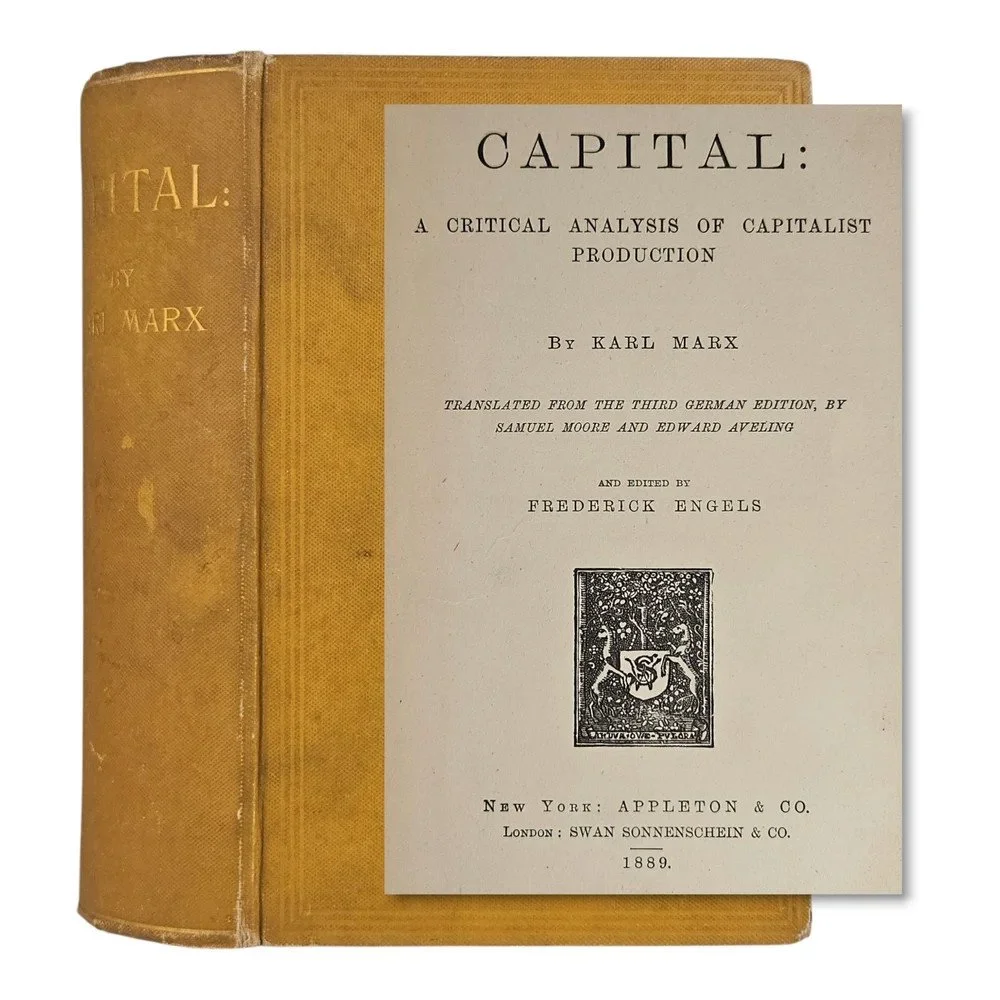 Image 1 of 19
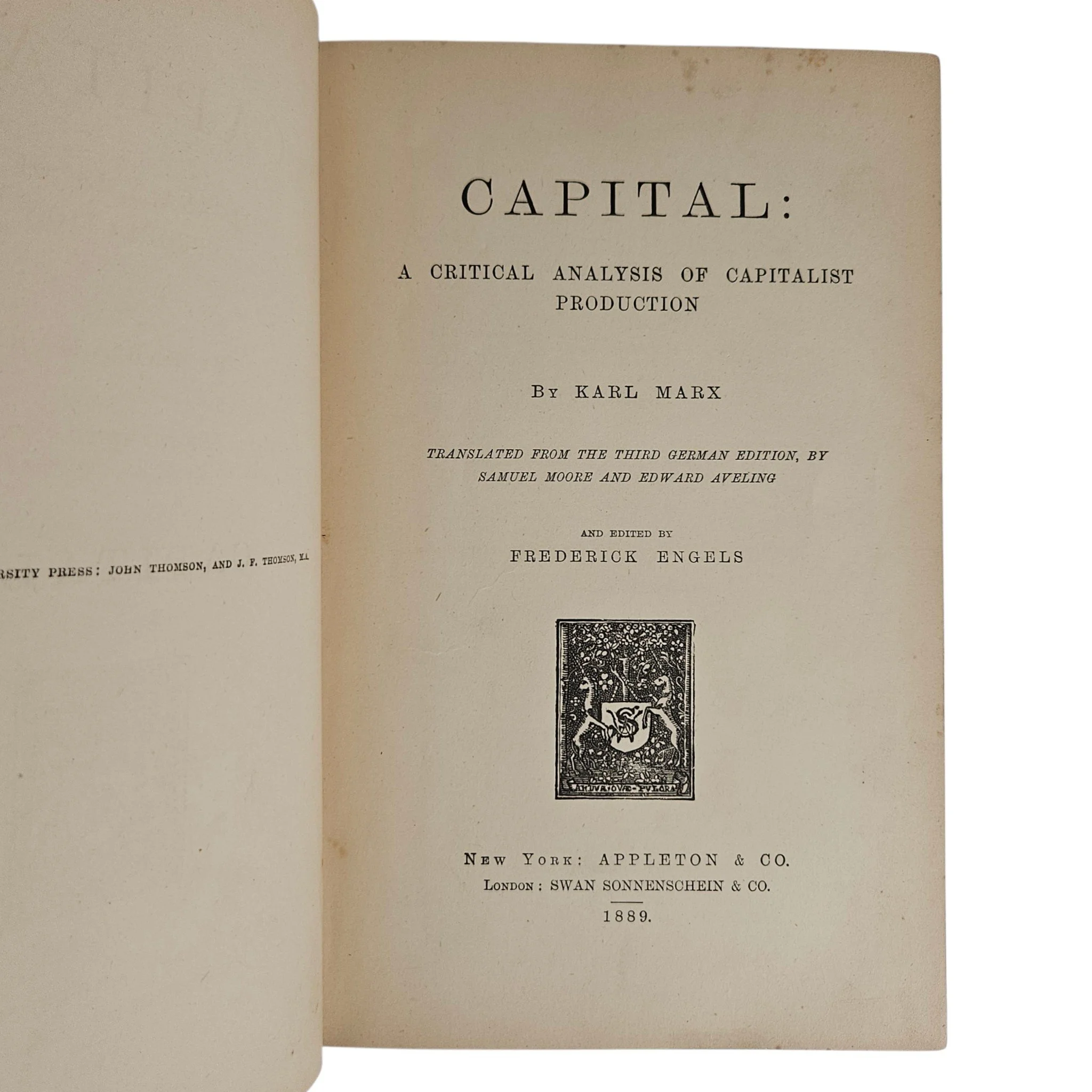 Image 2 of 19
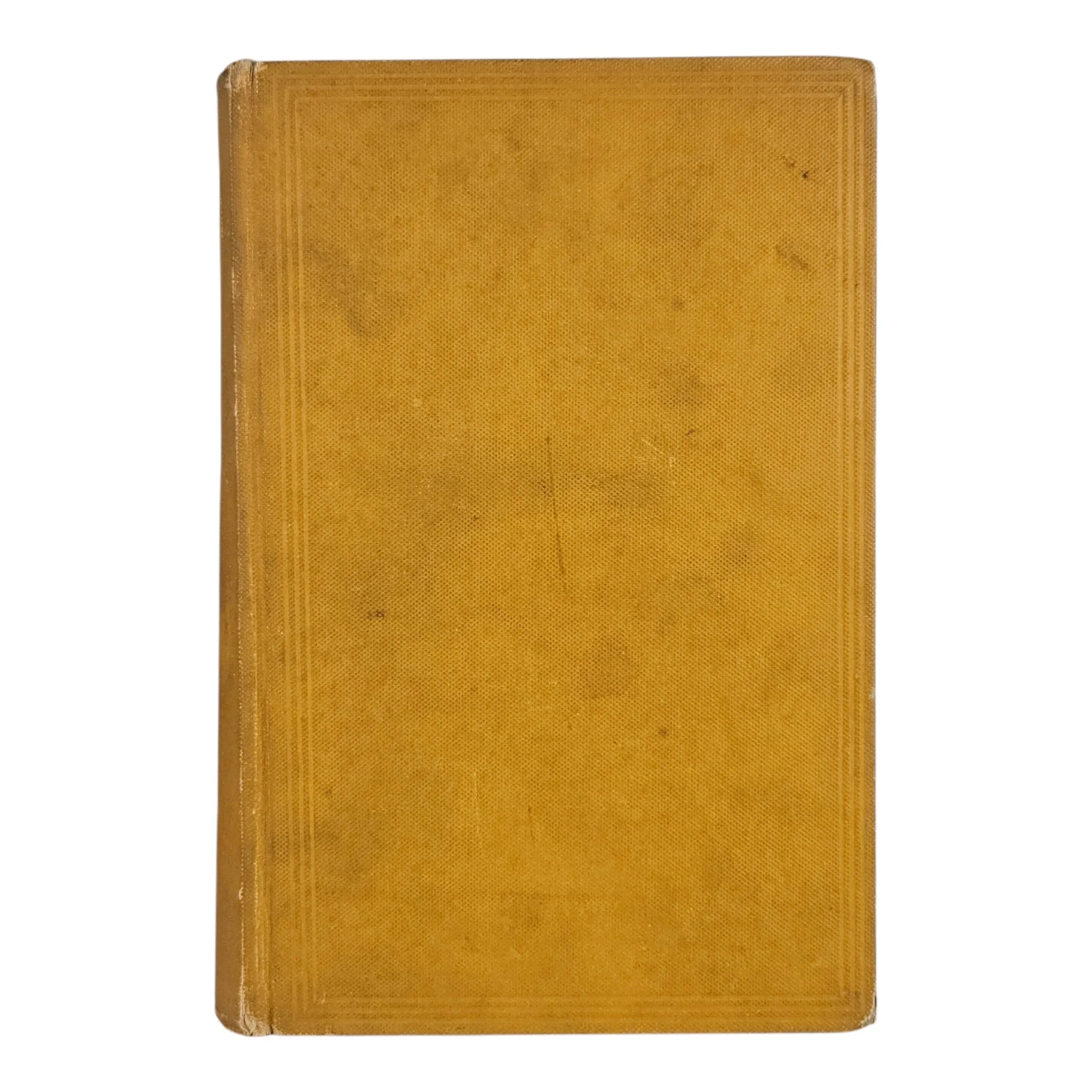 Image 3 of 19
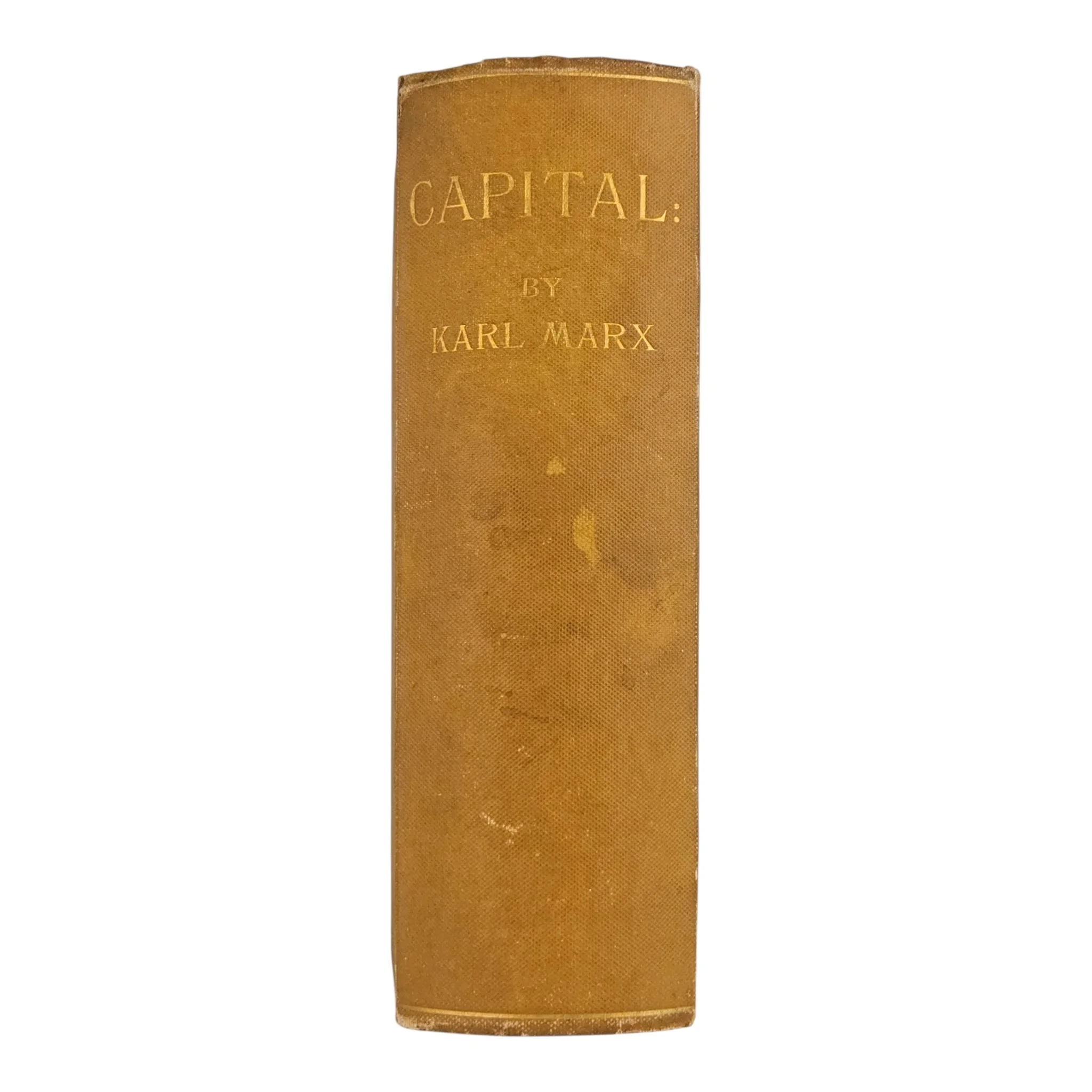 Image 4 of 19
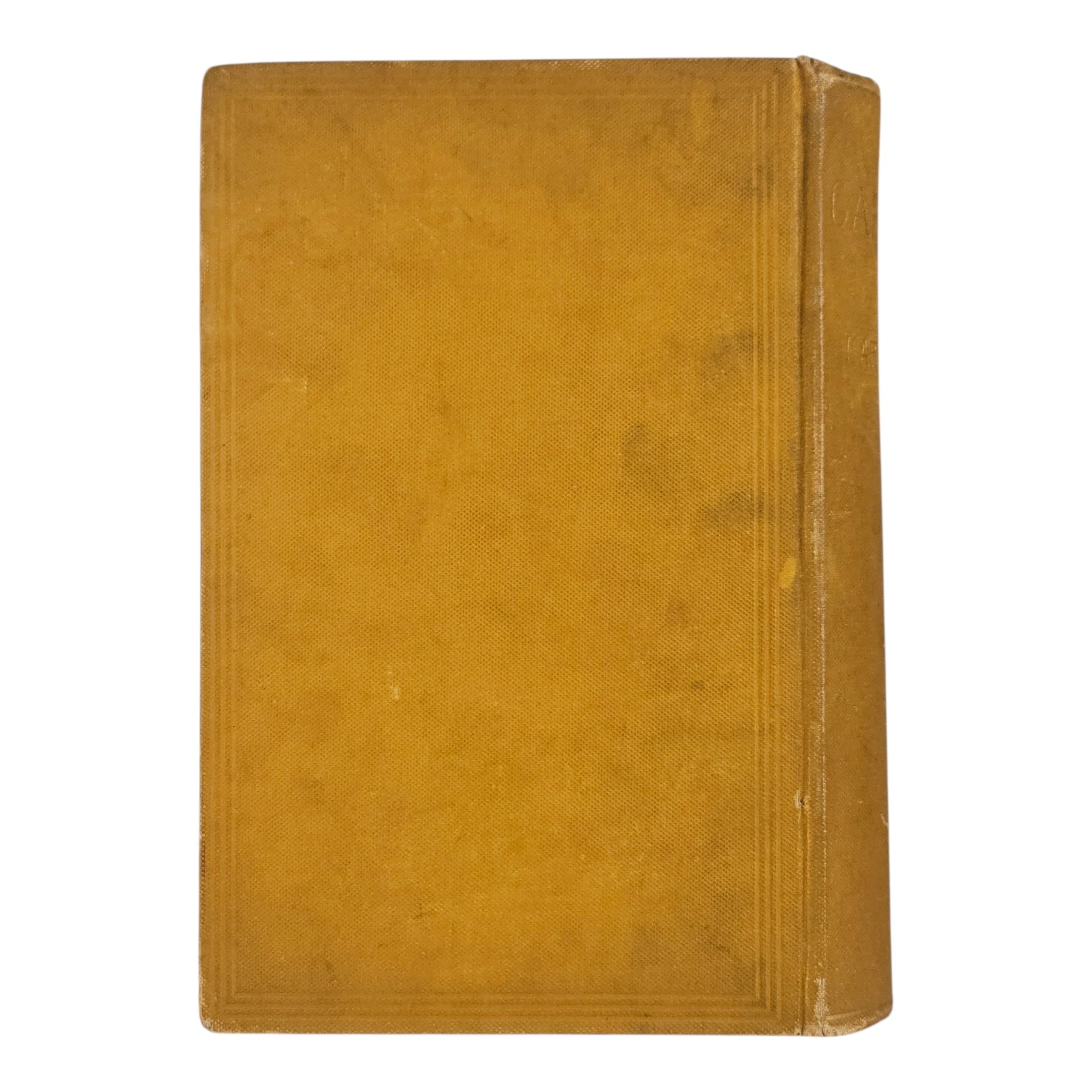 Image 5 of 19
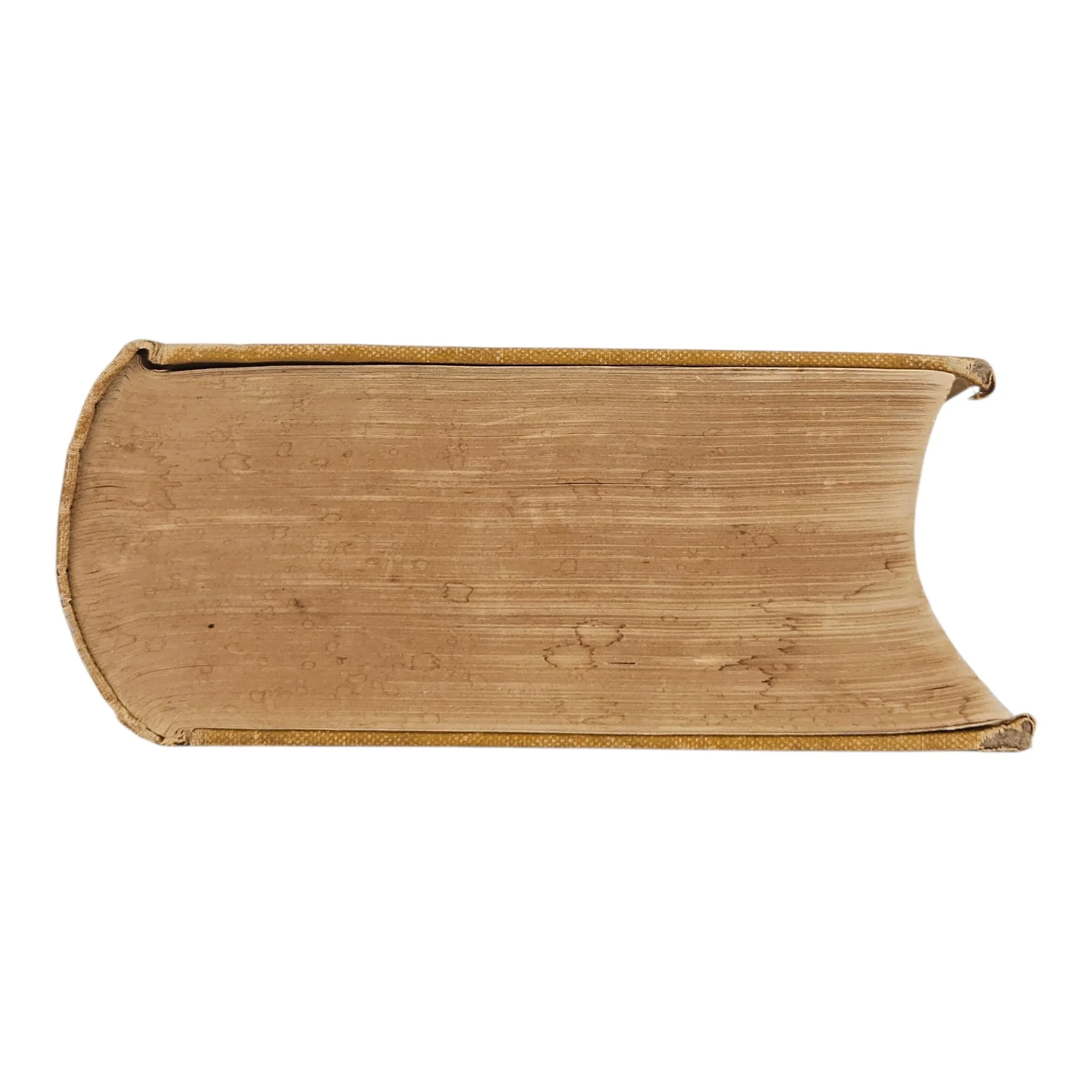 Image 6 of 19
 Image 7 of 19
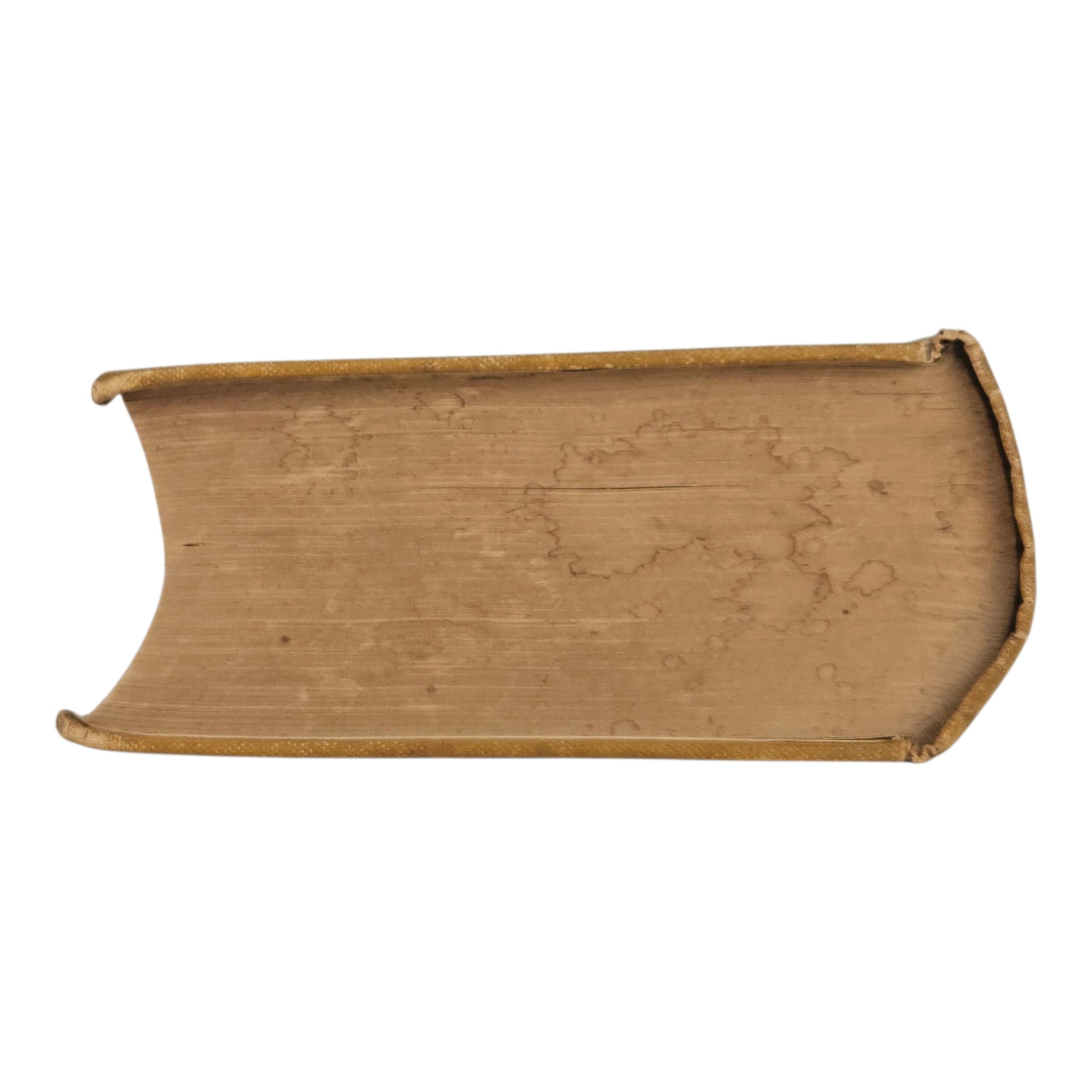 Image 8 of 19
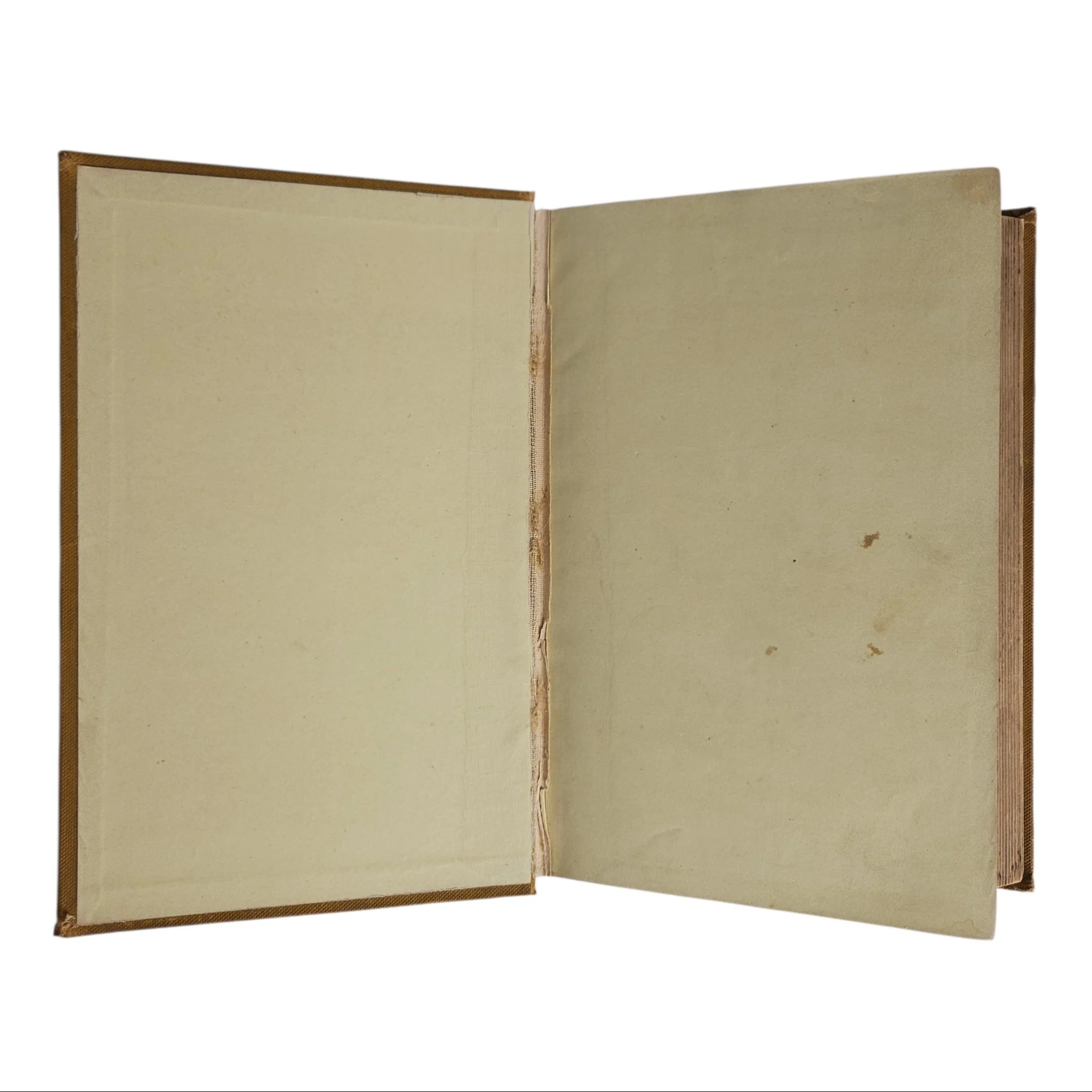 Image 9 of 19
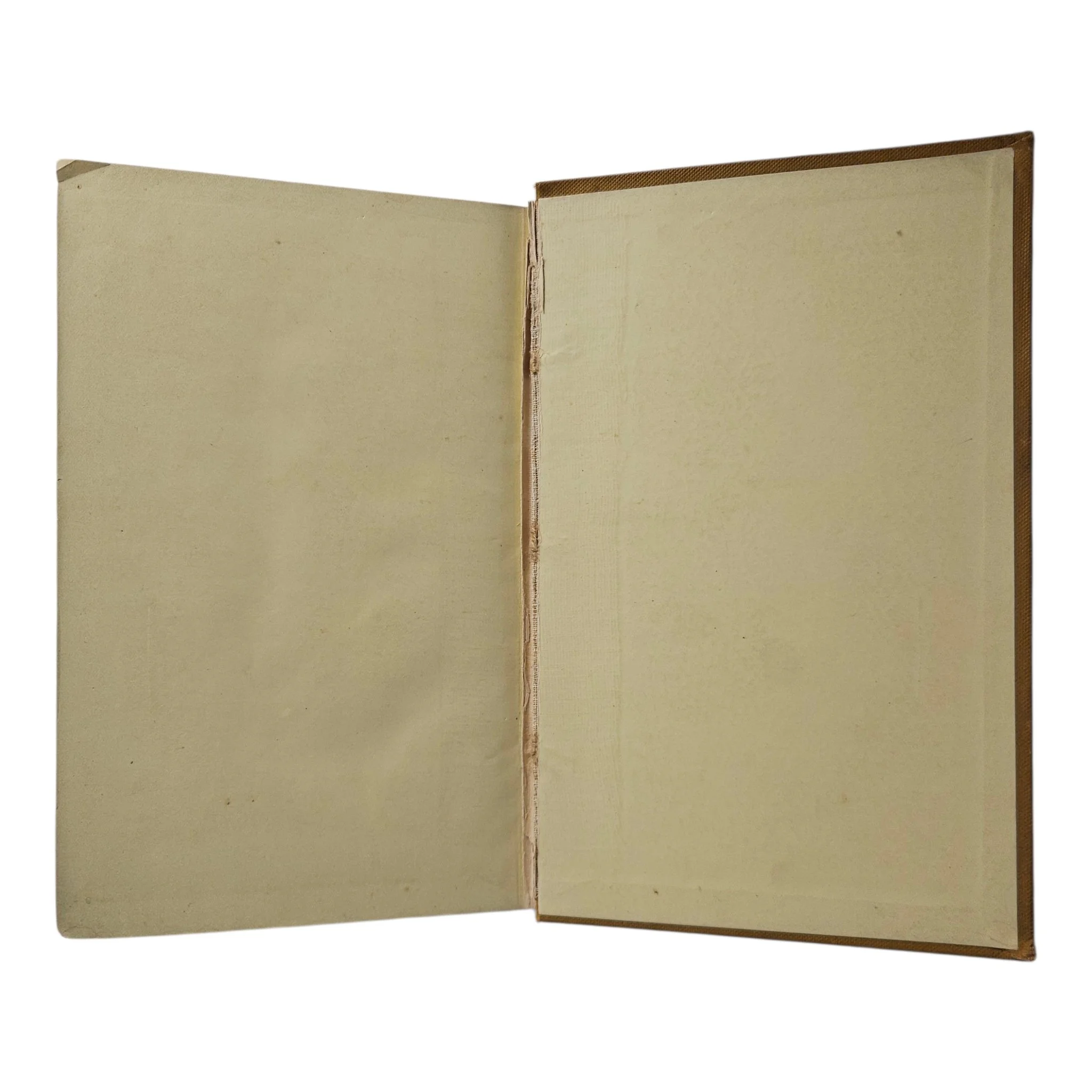 Image 10 of 19
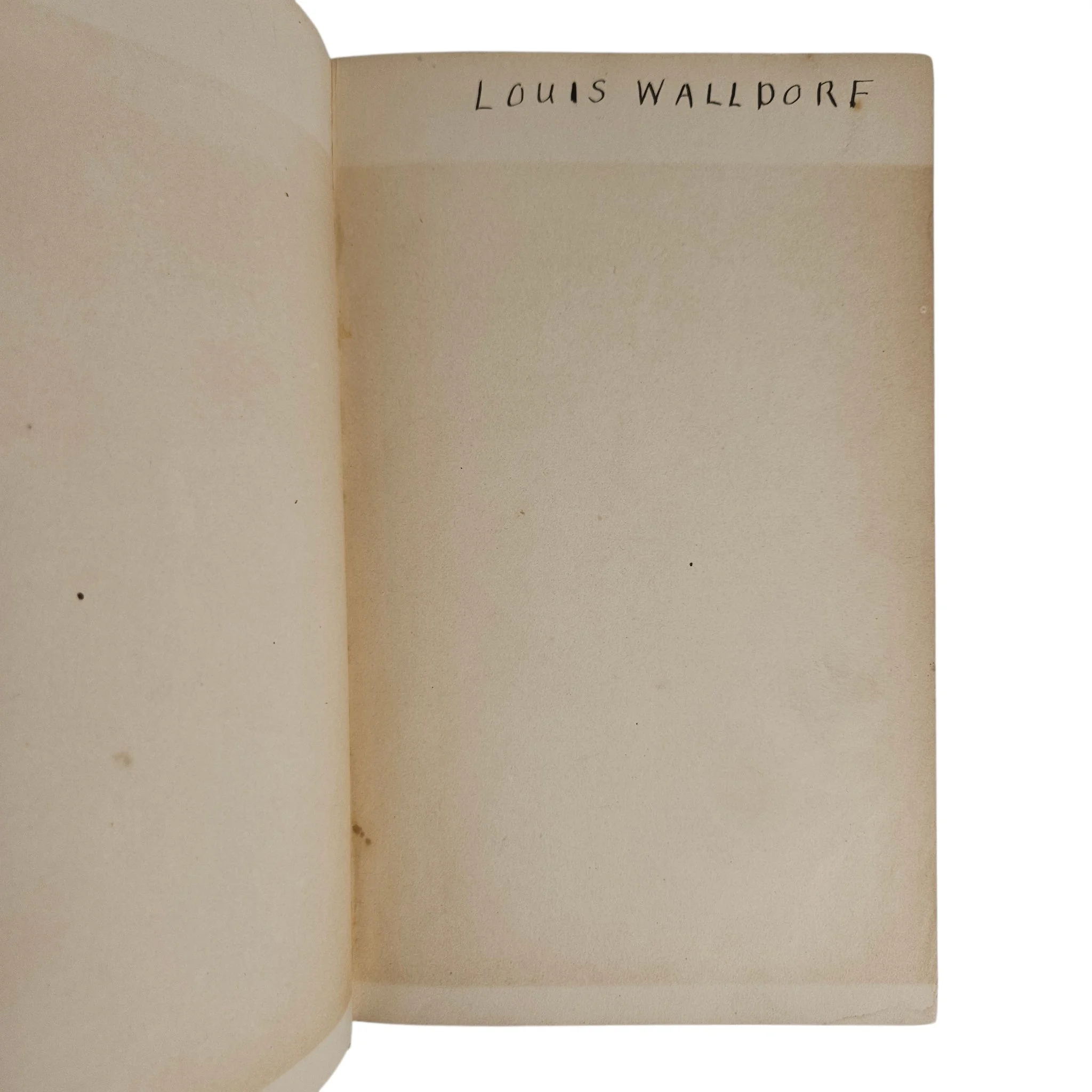 Image 11 of 19
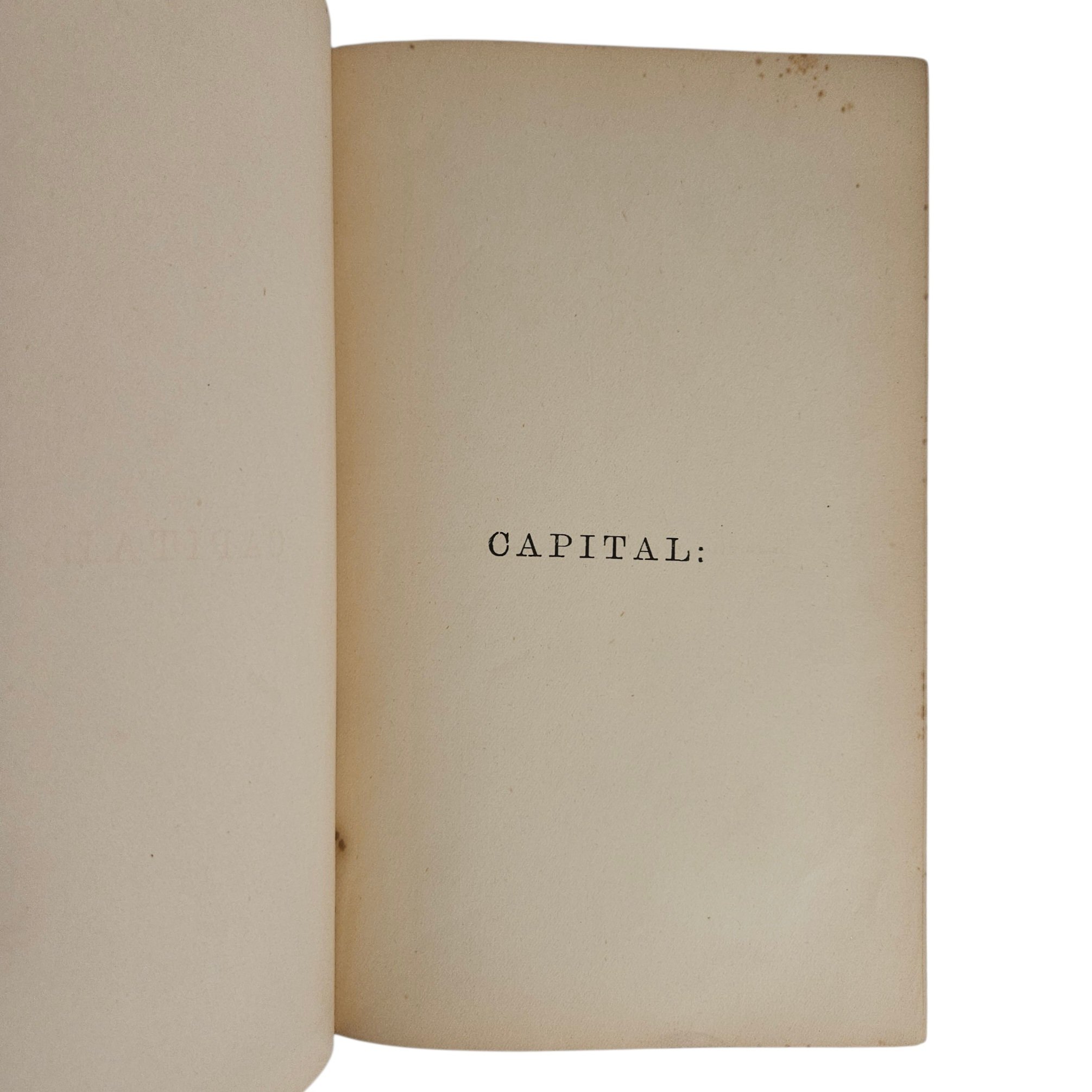 Image 12 of 19
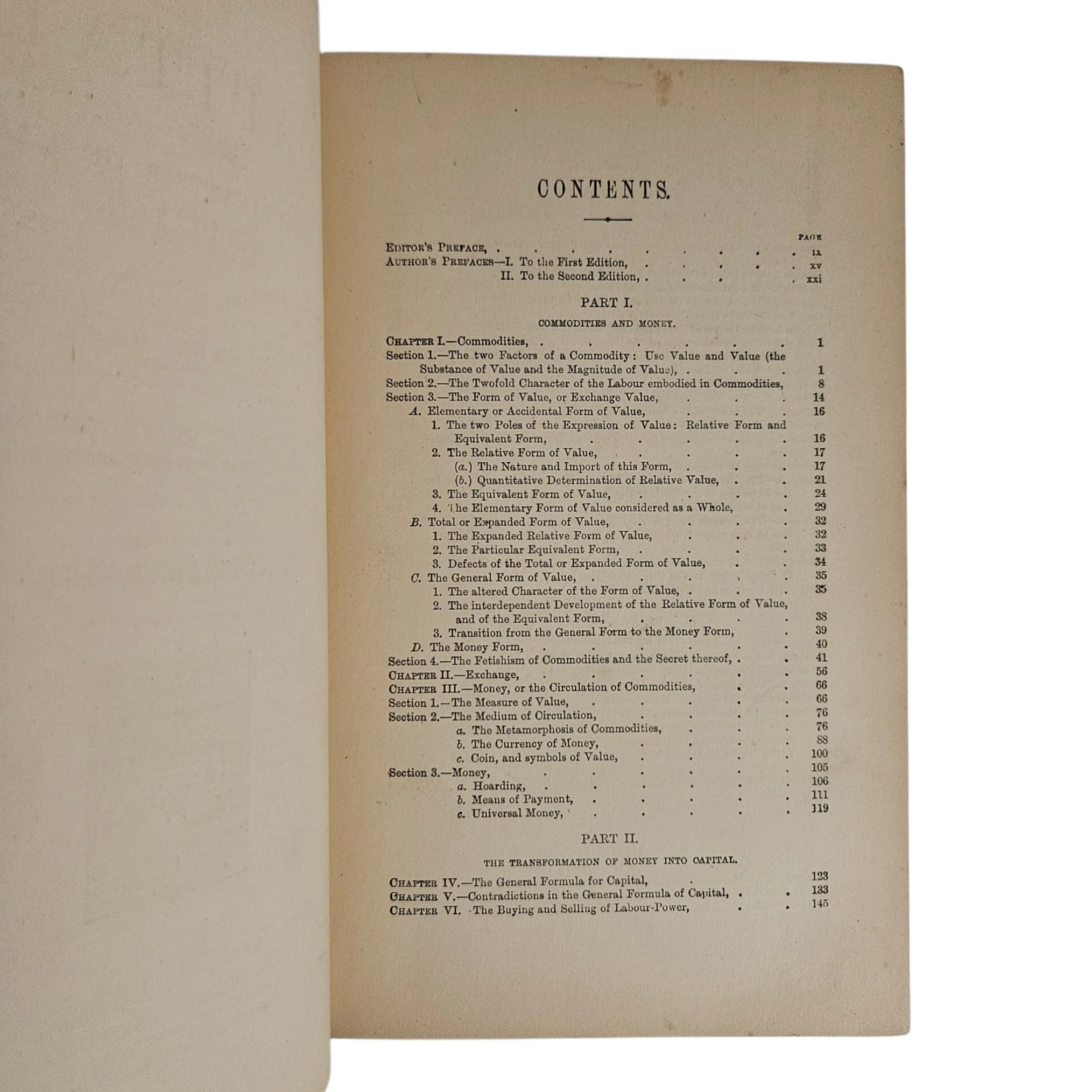 Image 13 of 19
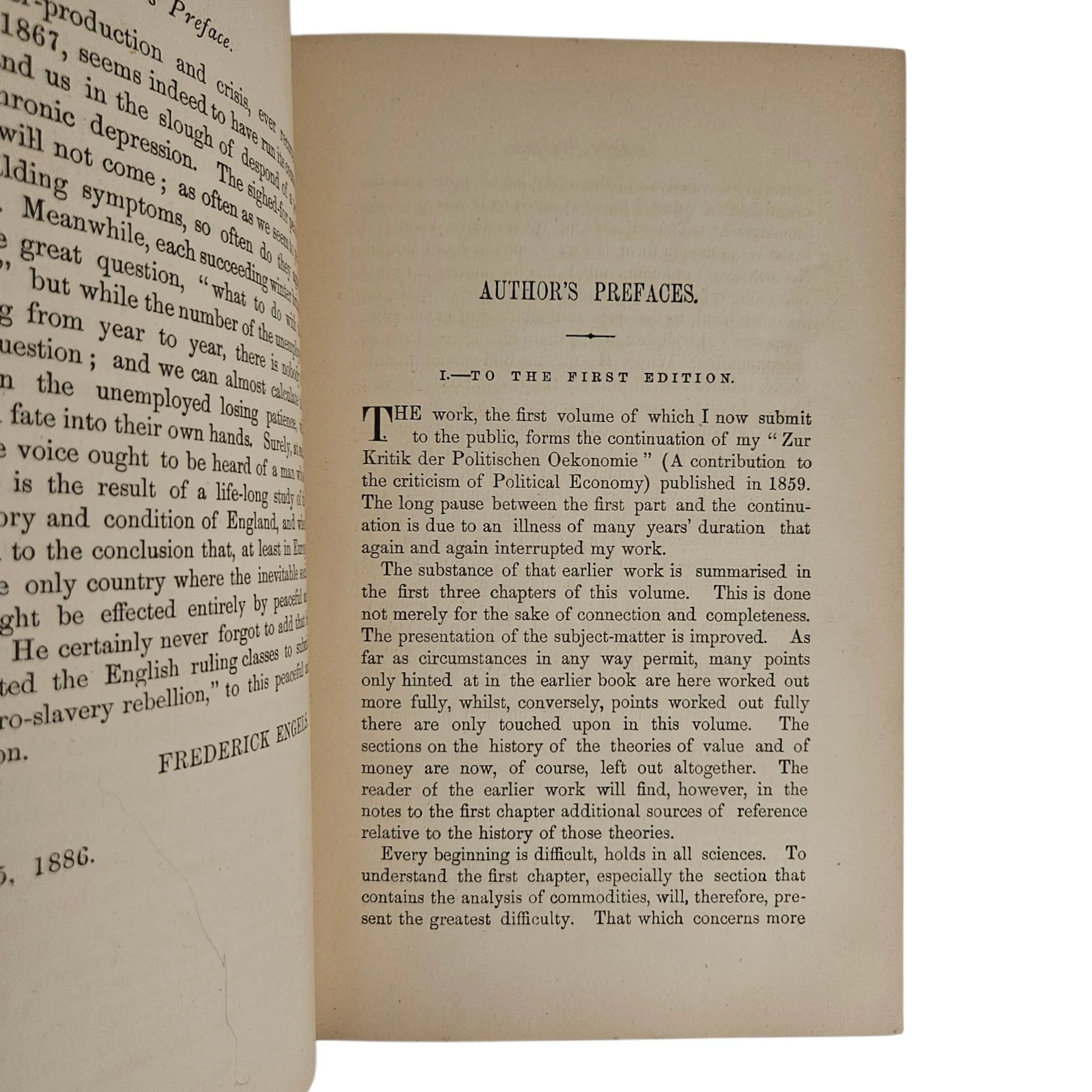 Image 14 of 19
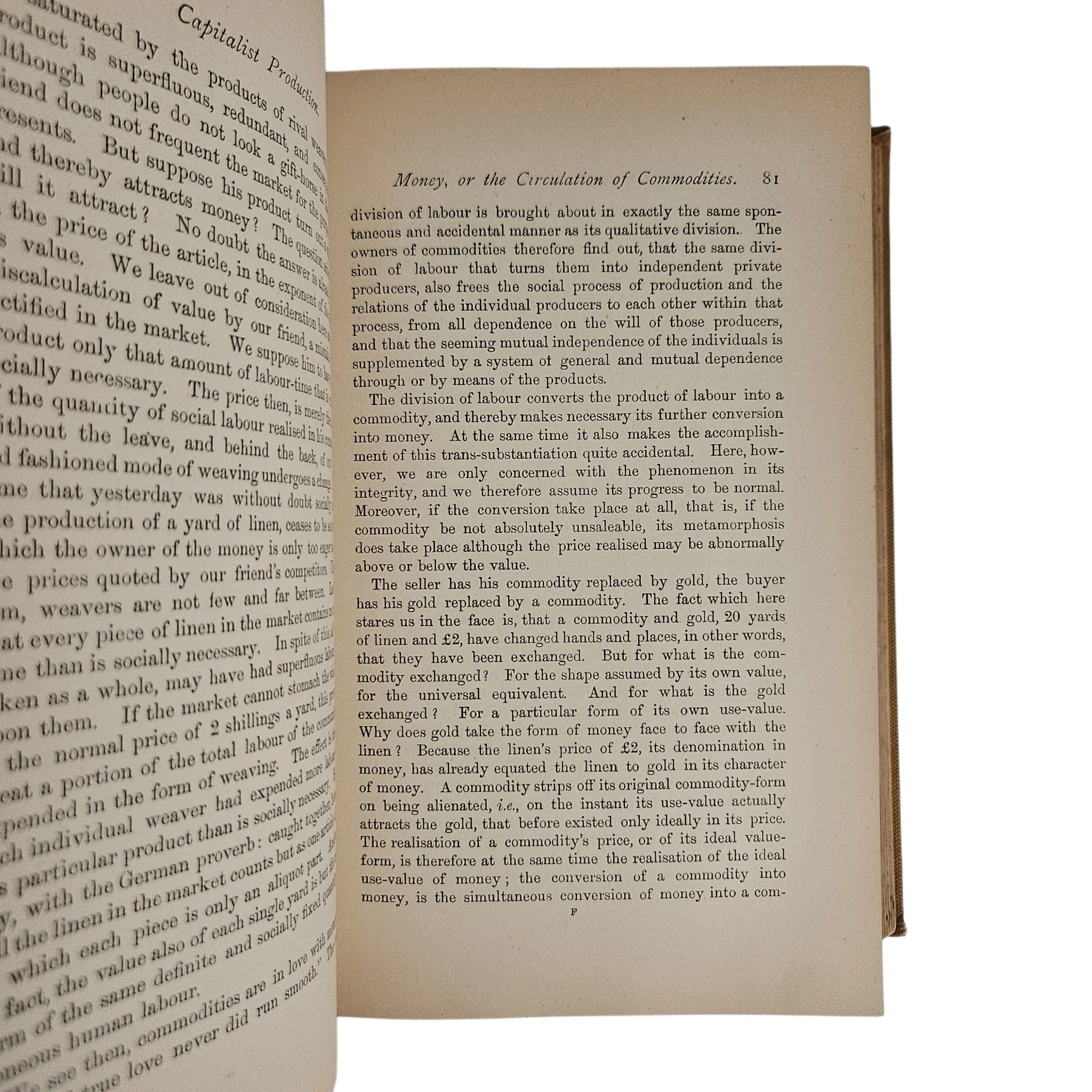 Image 15 of 19
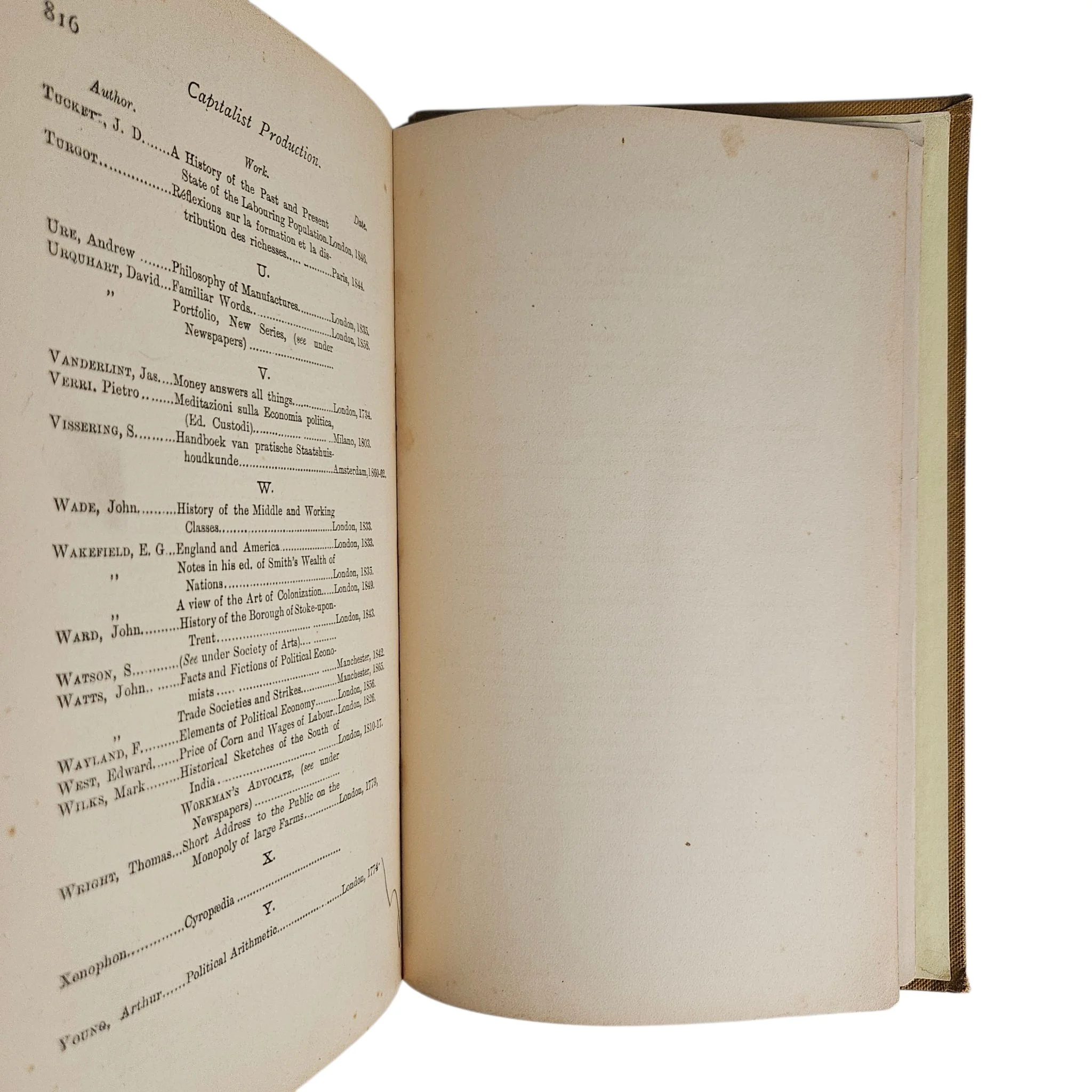 Image 16 of 19
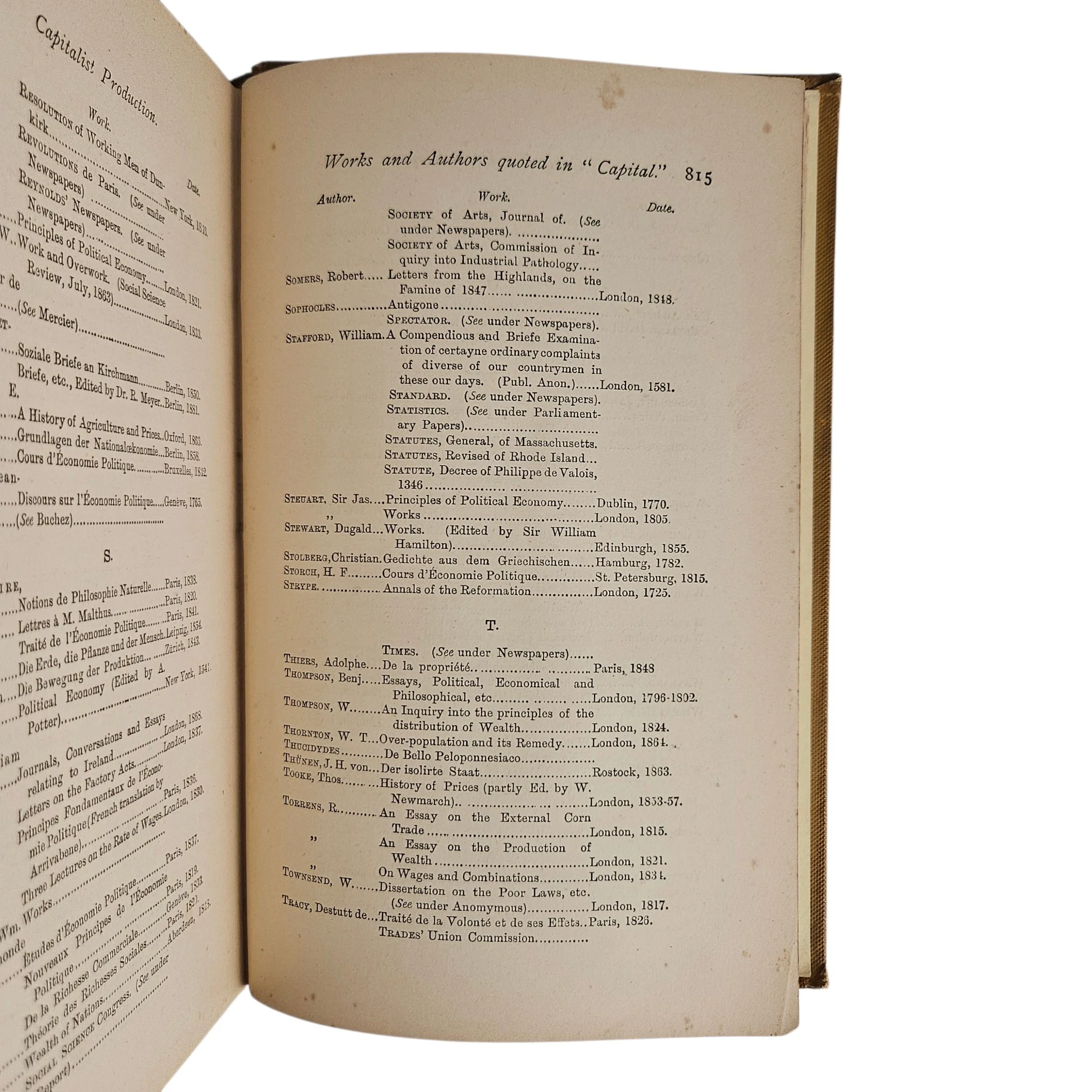 Image 17 of 19
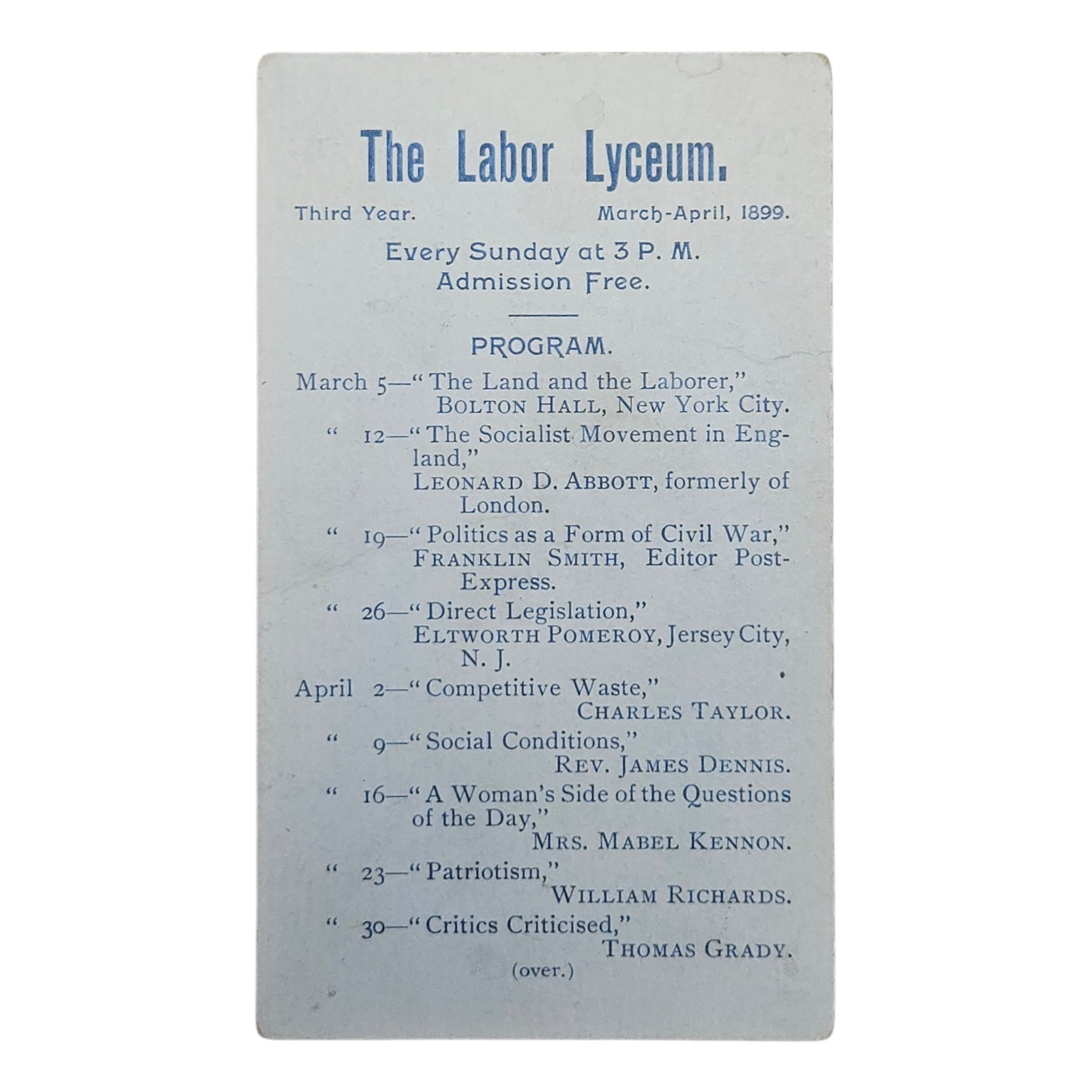 Image 18 of 19
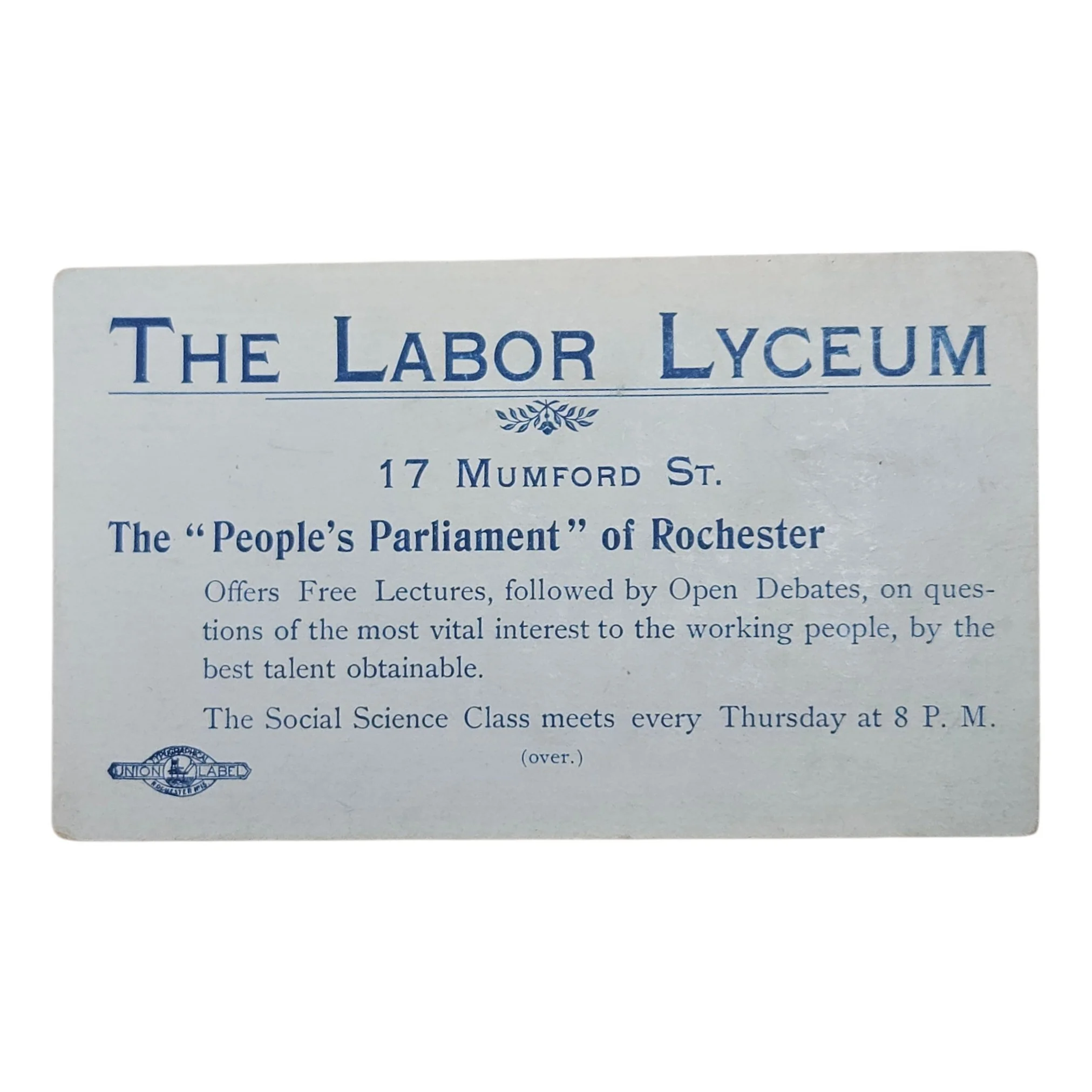 Image 19 of 19