First printing, in the original first issue dust jacket bearing one of the most iconic designs of twentieth century literature.
Publisher and Year: New York: Charles Scribner’s Sons, 1929
Edition: First edition, first printing with no disclaimer on page x and no statement of printing on the copyright page, as called for. In the original first issue dust jacket with a price of $2.50 and the “Katharine Barclay” error remaining uncorrected on the front flap. (Grissom A.8.1.a; Hanneman A8a)
Condition and Description: Octavo, publisher’s black cloth with gold labels lettered in black, 355 pp. Structurally sound, with tight hinges and binding. Text free of any prior owner markings. Faint small pencil erasure to rear pastedown. The boards and title labels exhibit only minimal wear, with trace signs of handling. The original jacket is toned, with the spine slightly dulled, and there is creasing, chipping, and closed tears to the extremities, particularly to the spine ends and tips. An uncommonly sharp book in the original jacket featuring the iconic design by Cleonike Damianakes.
“But after a while I went out and left the hospital and walked back to the hotel in the rain.”
Hemingway’s A Farewell to Arms is a novel of love, disillusionment, and the quiet brutality of war, drawn from his service in the Italian ambulance corps during World War I. Its spare, restrained style became a hallmark of his work. Nowhere is this more evident than in the ending, which he rewrote 47 times before settling on a version that simply reports what happened, without commentary or consolation. That decision marked a break from the narrative conventions of the 19th century and helped define the tone of modernist fiction. The novel remains one of the most influential works of the twentieth century, appearing on the Modern Library’s list of the 100 best English-language novels, Time Magazine’s All-Time 100 Novels and The Guardian’s “1000 Novels Everyone Must Read.”
Inventory ID: 391 - 143 - 768
First printing, in the original first issue dust jacket bearing one of the most iconic designs of twentieth century literature.
Publisher and Year: New York: Charles Scribner’s Sons, 1929
Edition: First edition, first printing with no disclaimer on page x and no statement of printing on the copyright page, as called for. In the original first issue dust jacket with a price of $2.50 and the “Katharine Barclay” error remaining uncorrected on the front flap. (Grissom A.8.1.a; Hanneman A8a)
Condition and Description: Octavo, publisher’s black cloth with gold labels lettered in black, 355 pp. Structurally sound, with tight hinges and binding. Text free of any prior owner markings. Faint small pencil erasure to rear pastedown. The boards and title labels exhibit only minimal wear, with trace signs of handling. The original jacket is toned, with the spine slightly dulled, and there is creasing, chipping, and closed tears to the extremities, particularly to the spine ends and tips. An uncommonly sharp book in the original jacket featuring the iconic design by Cleonike Damianakes.
“But after a while I went out and left the hospital and walked back to the hotel in the rain.”
Hemingway’s A Farewell to Arms is a novel of love, disillusionment, and the quiet brutality of war, drawn from his service in the Italian ambulance corps during World War I. Its spare, restrained style became a hallmark of his work. Nowhere is this more evident than in the ending, which he rewrote 47 times before settling on a version that simply reports what happened, without commentary or consolation. That decision marked a break from the narrative conventions of the 19th century and helped define the tone of modernist fiction. The novel remains one of the most influential works of the twentieth century, appearing on the Modern Library’s list of the 100 best English-language novels, Time Magazine’s All-Time 100 Novels and The Guardian’s “1000 Novels Everyone Must Read.”
Inventory ID: 391 - 143 - 768

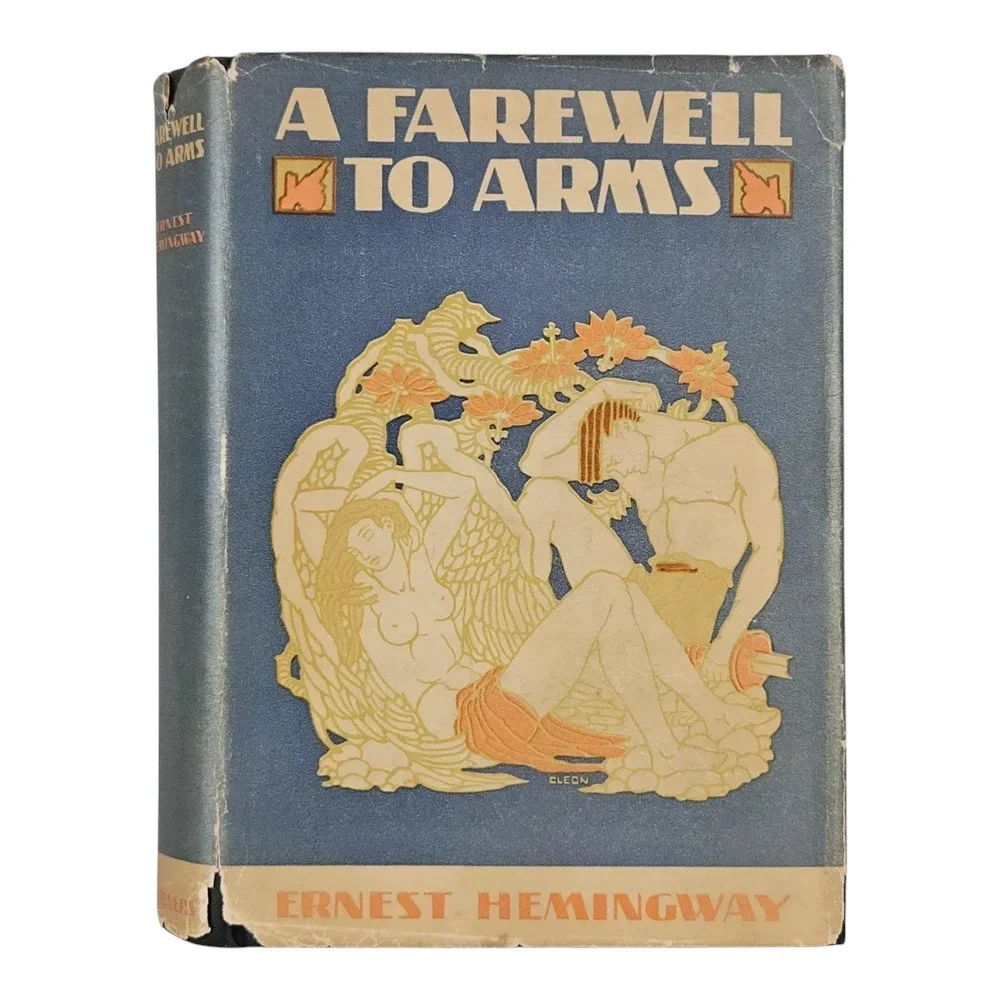 Image 1 of 22
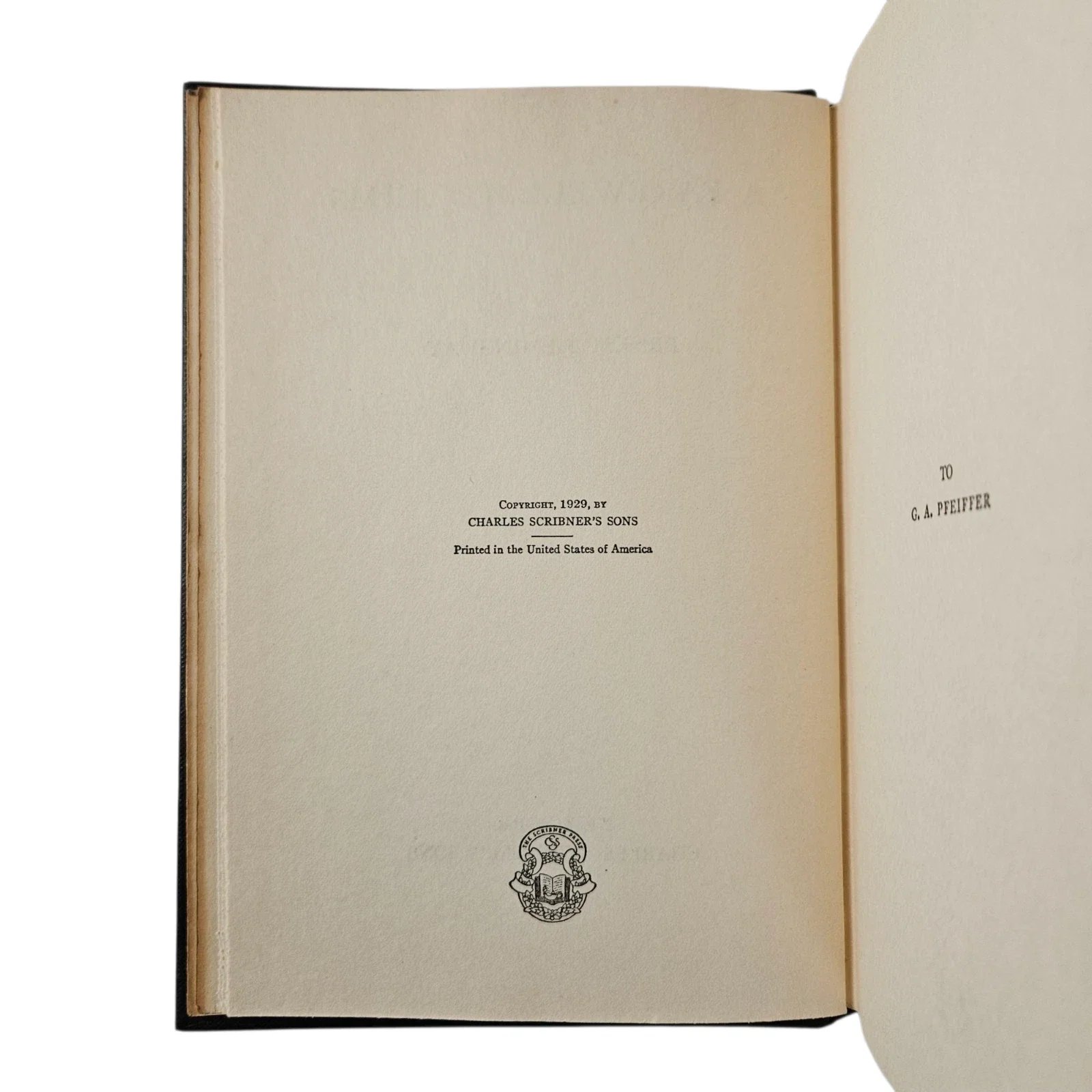 Image 2 of 22
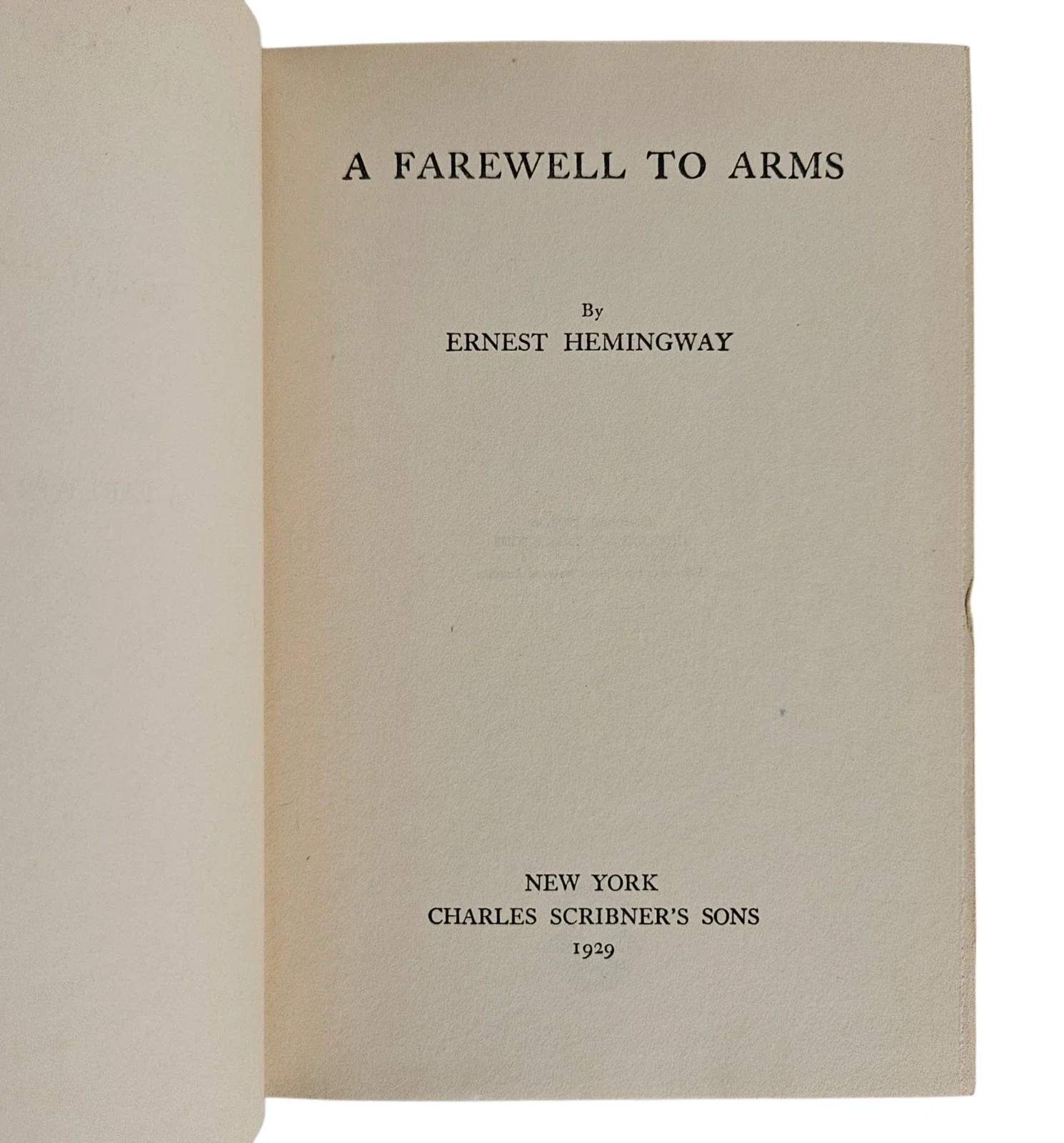 Image 3 of 22
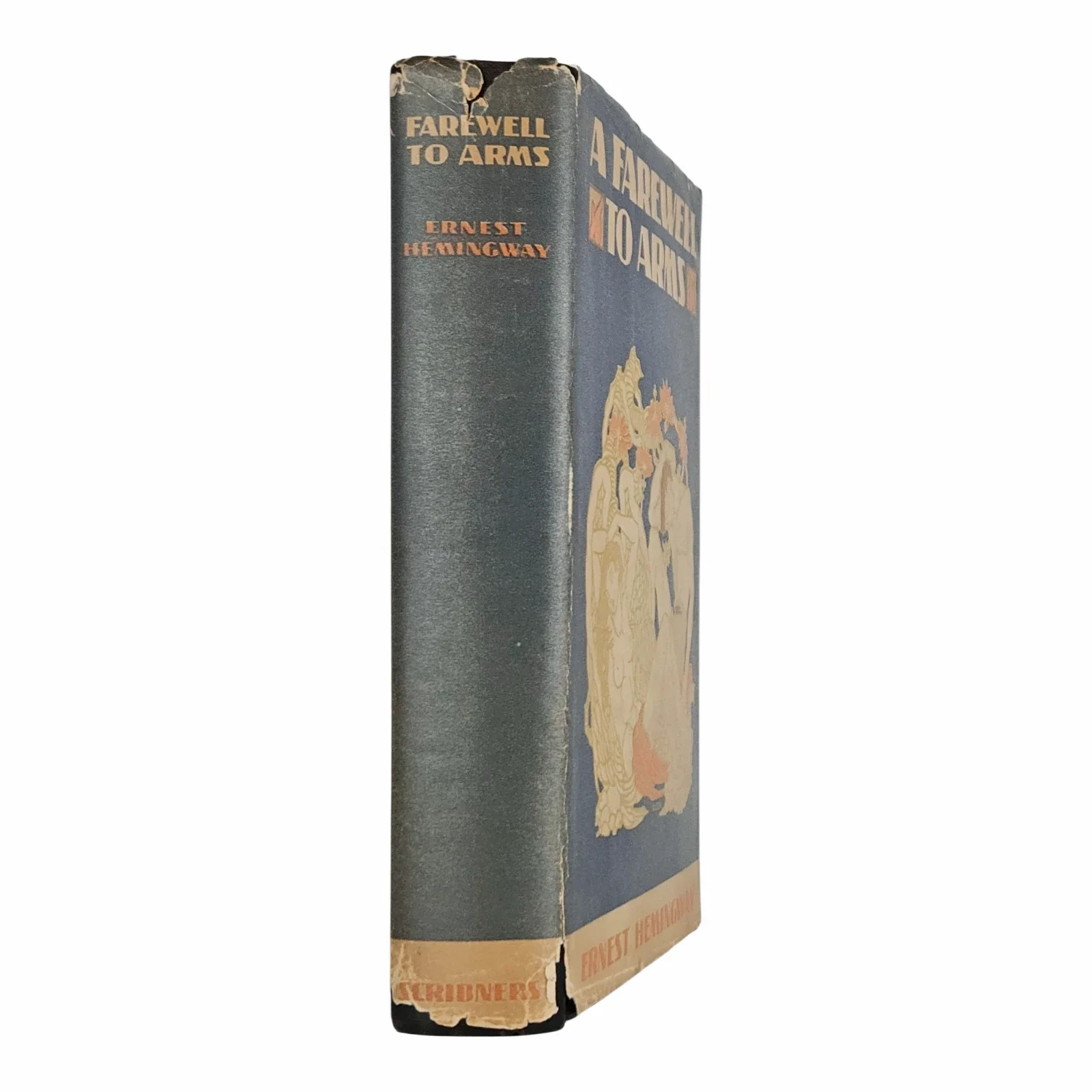 Image 4 of 22
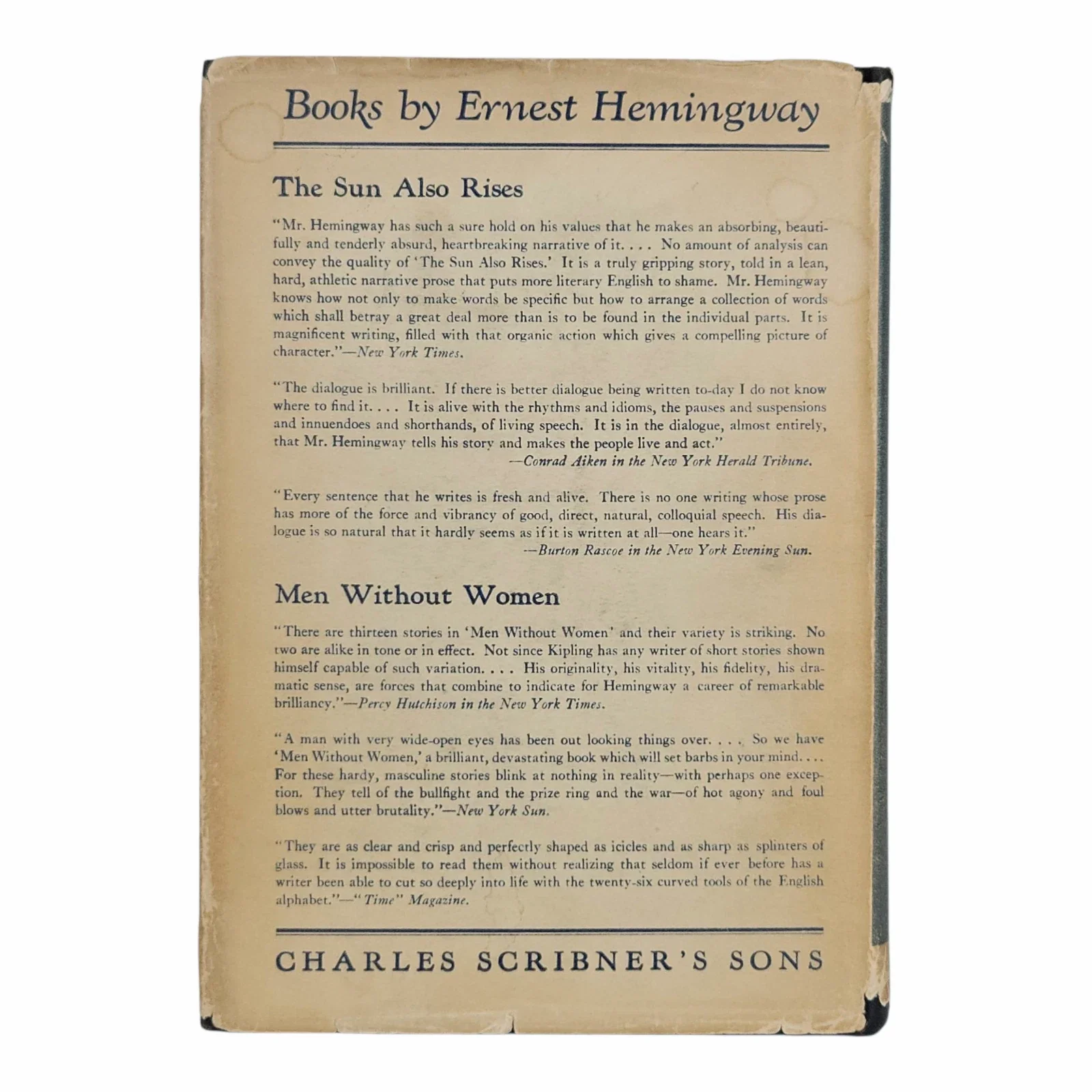 Image 5 of 22
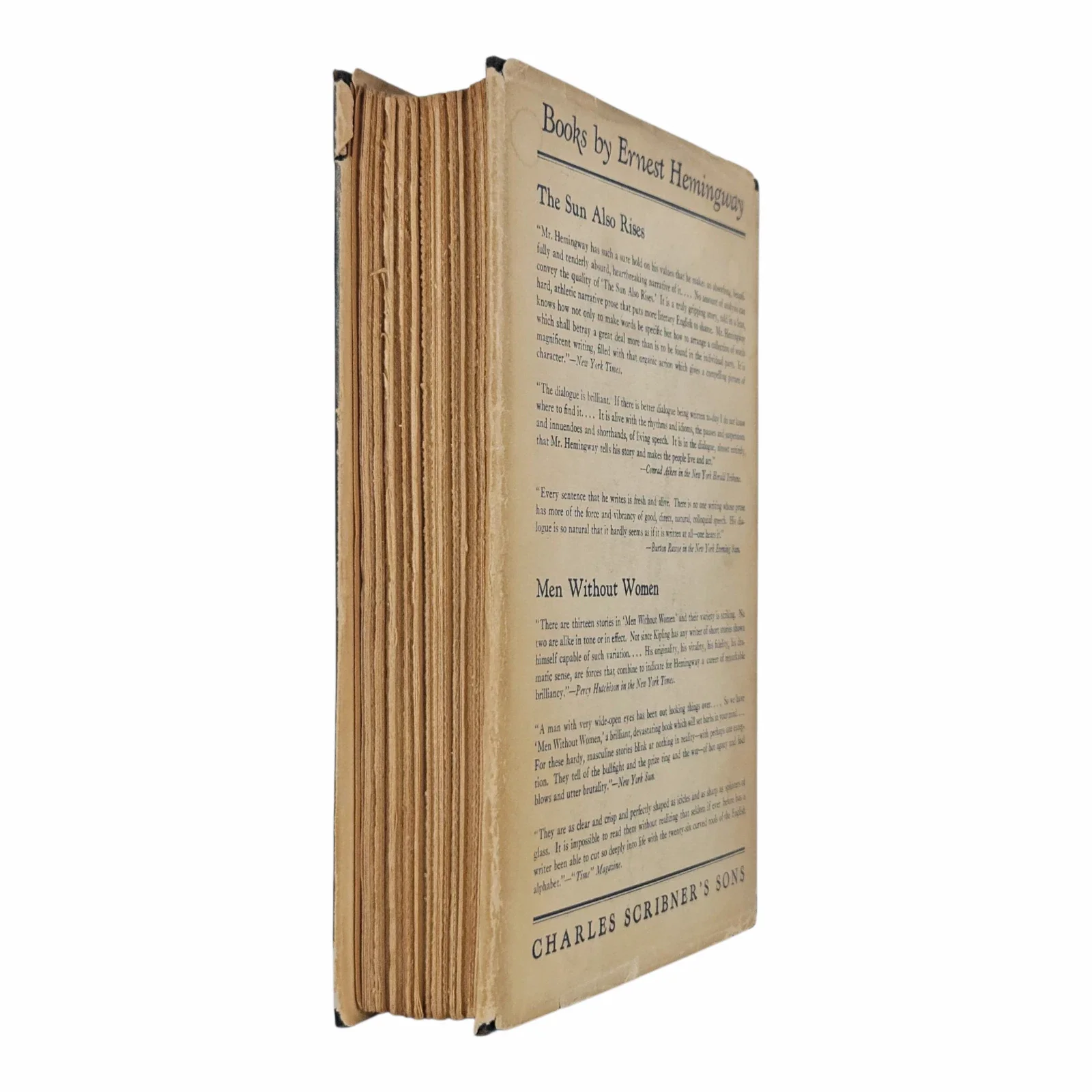 Image 6 of 22
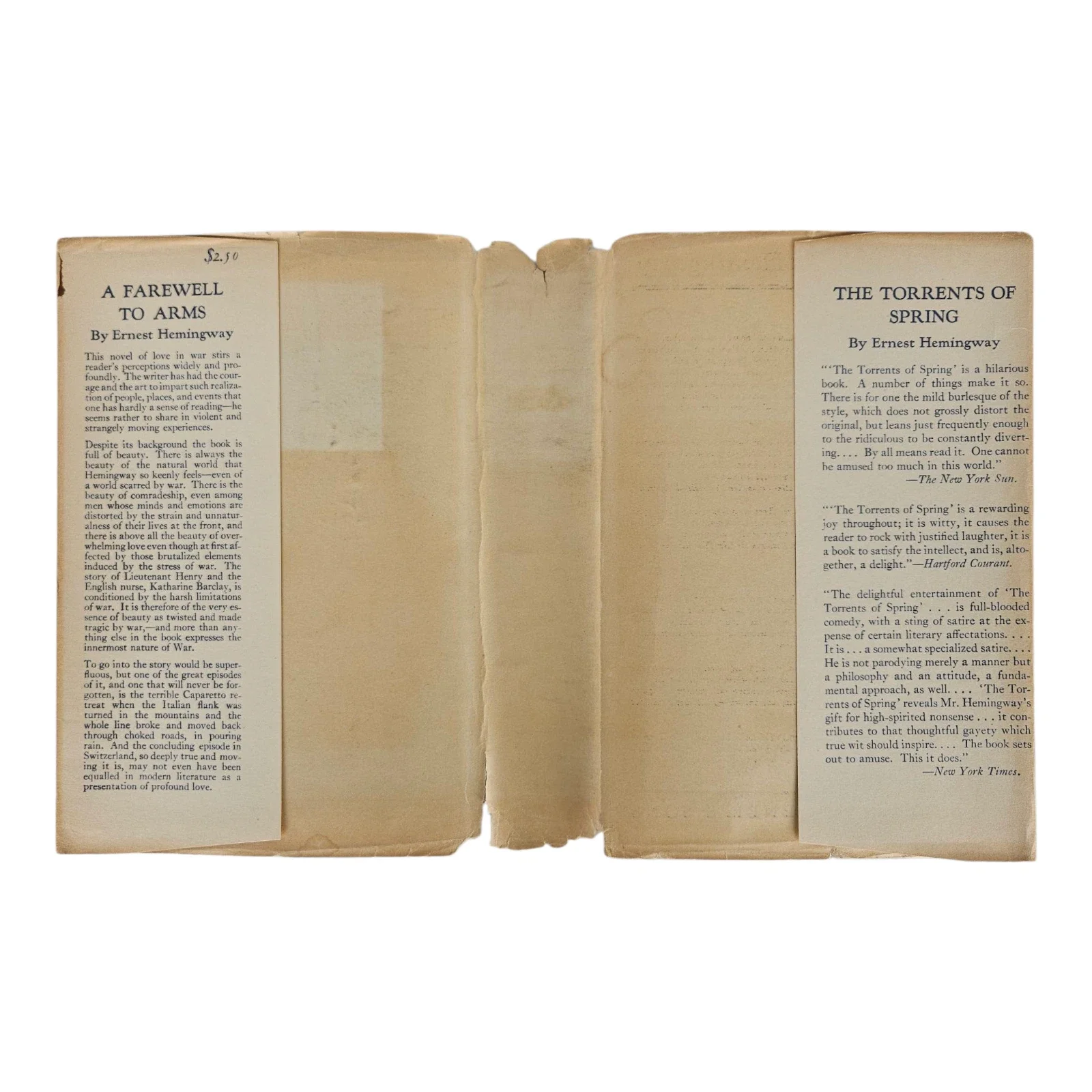 Image 7 of 22
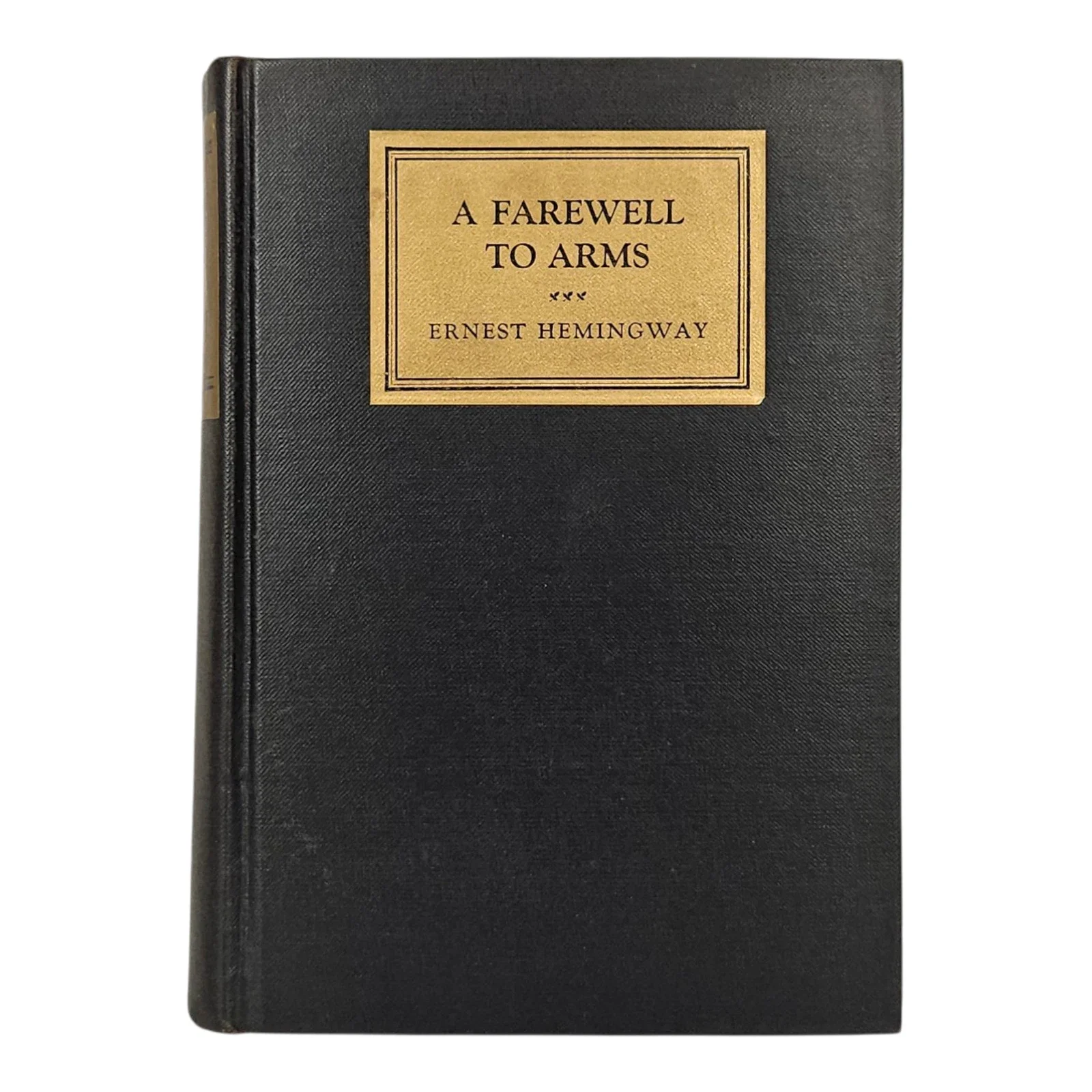 Image 8 of 22
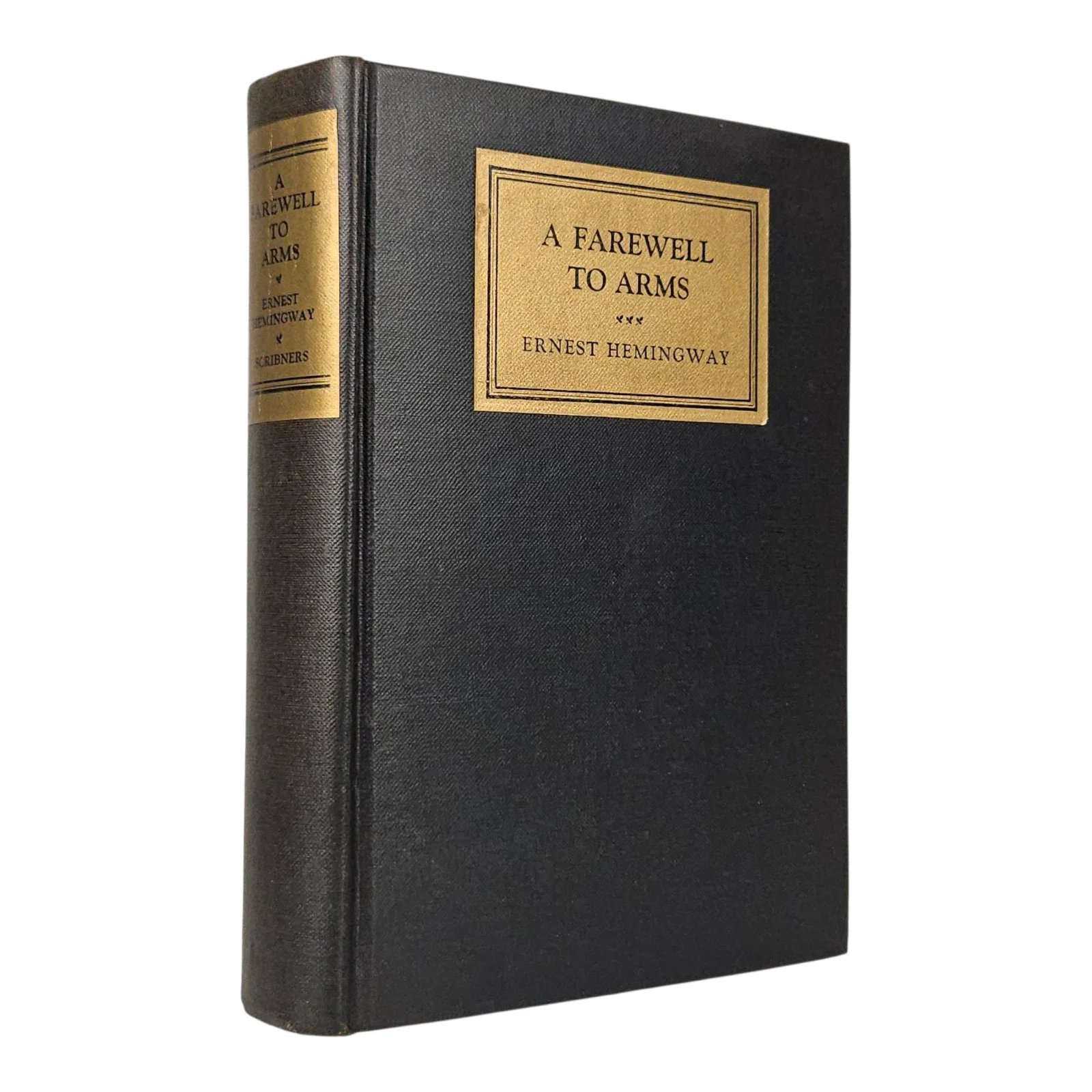 Image 9 of 22
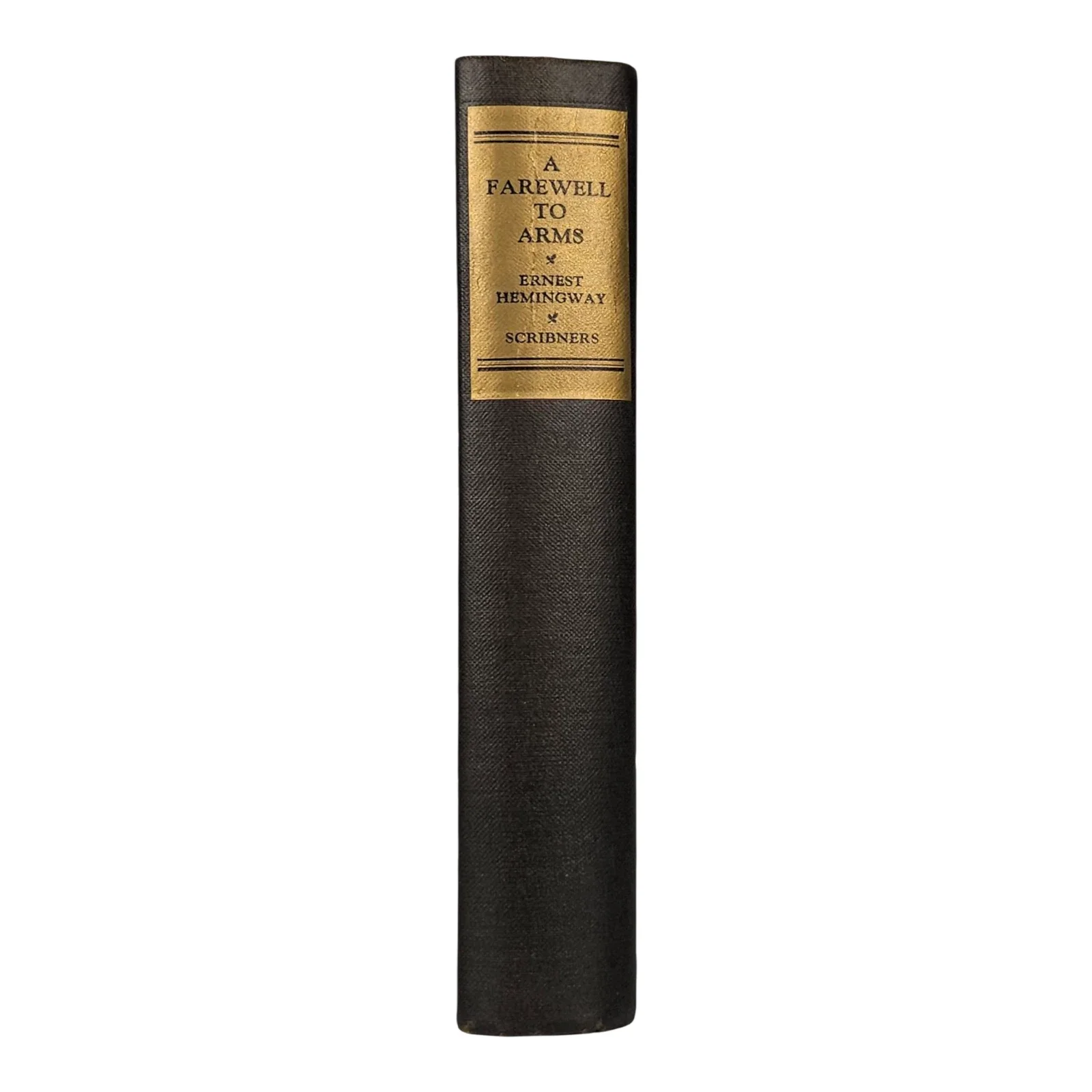 Image 10 of 22
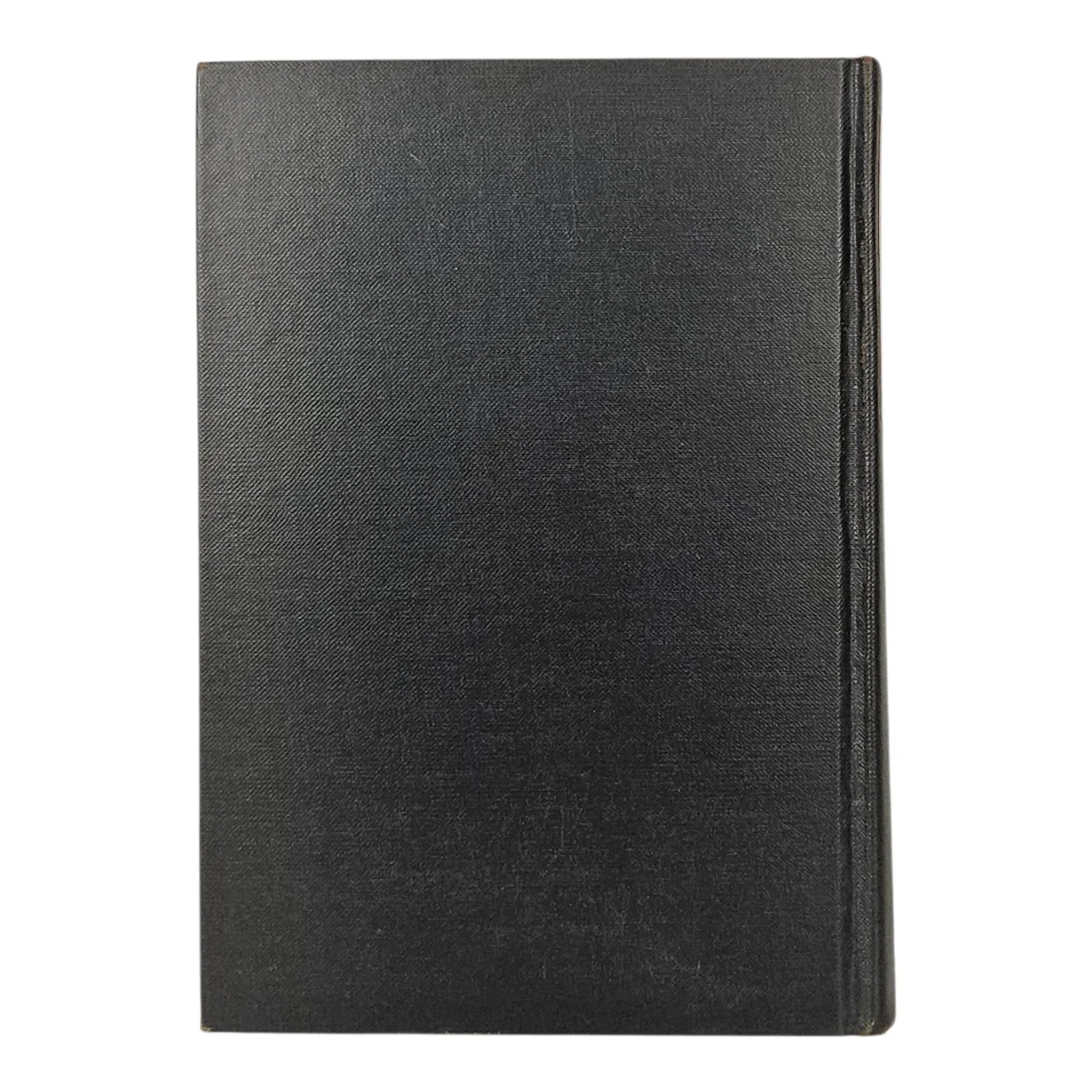 Image 11 of 22
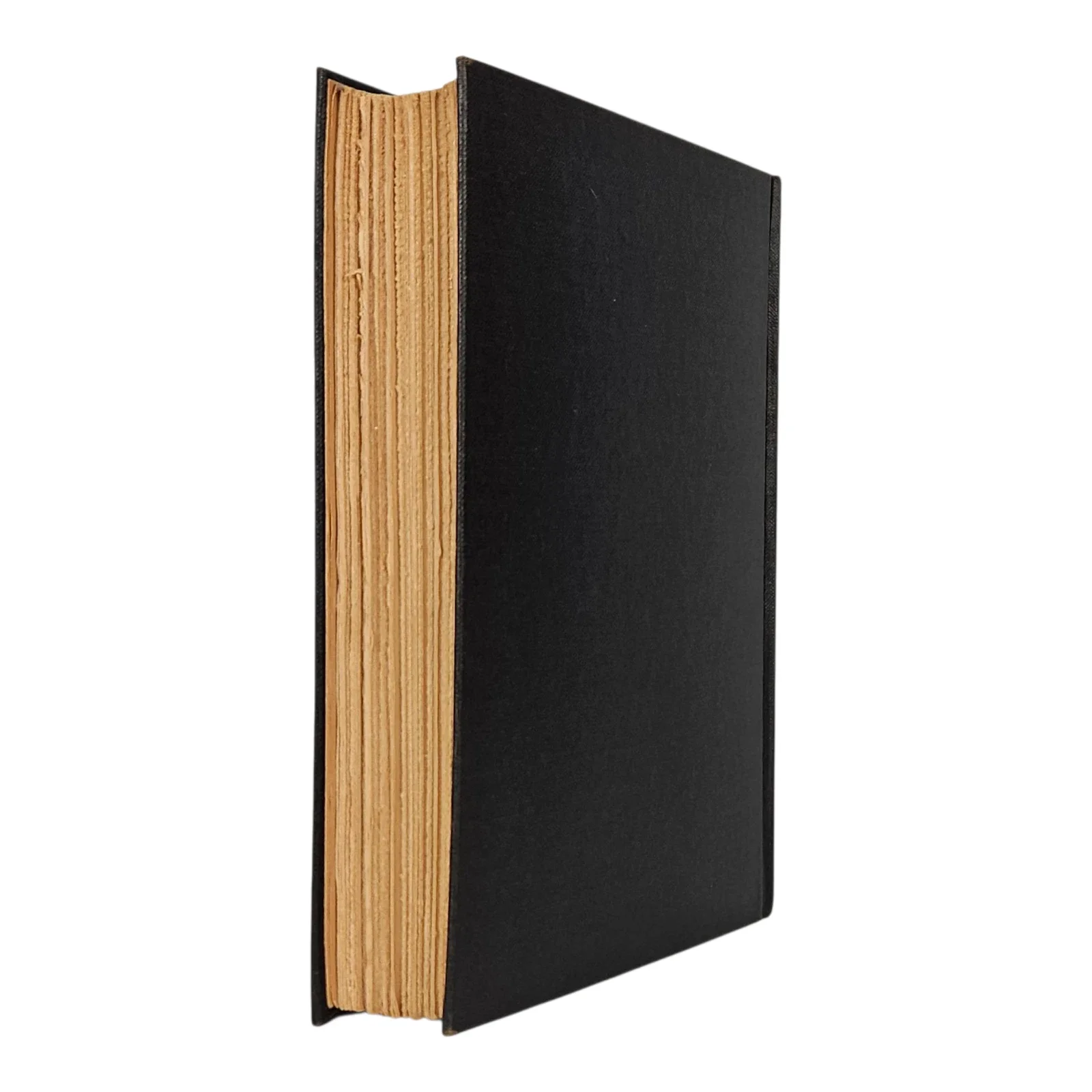 Image 12 of 22
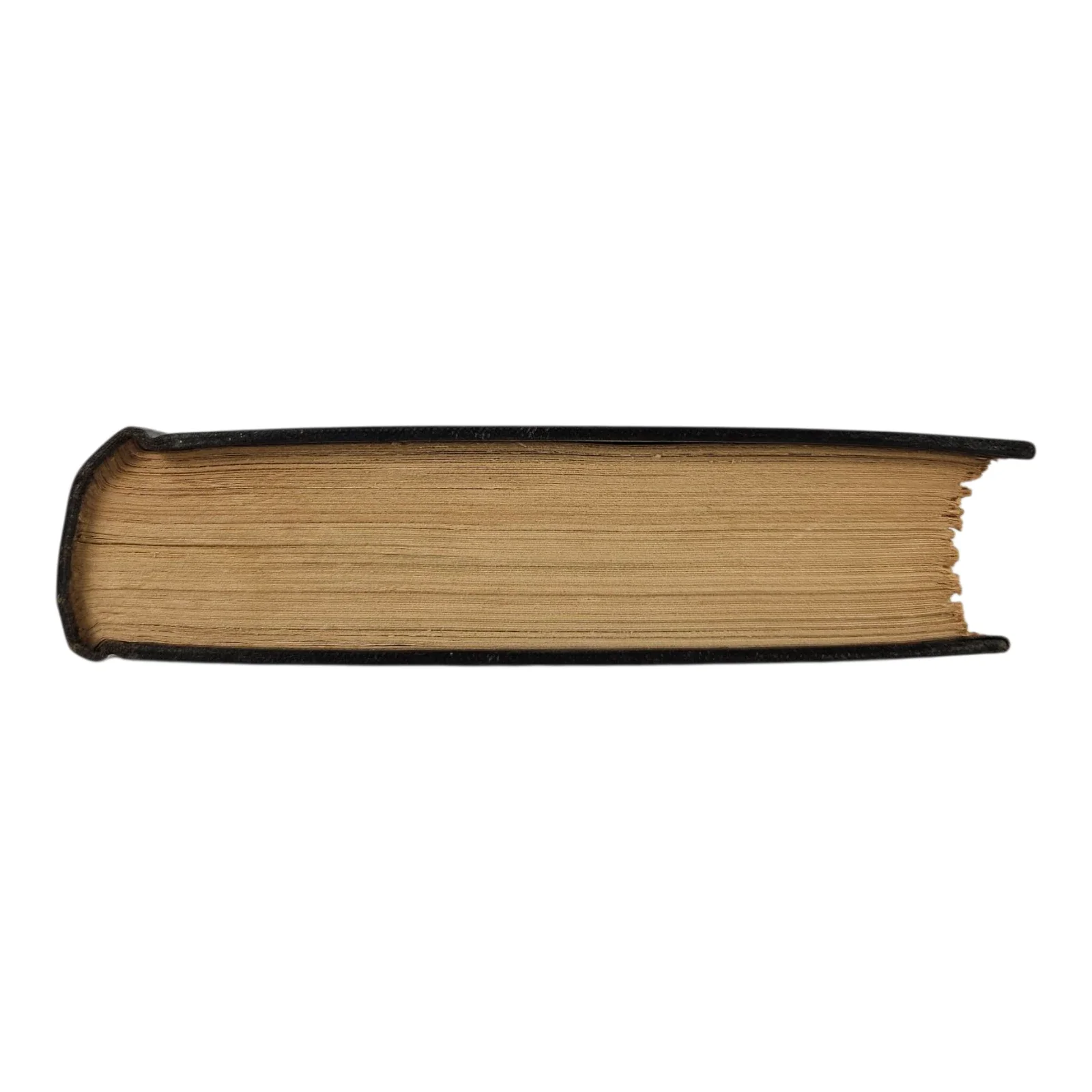 Image 13 of 22
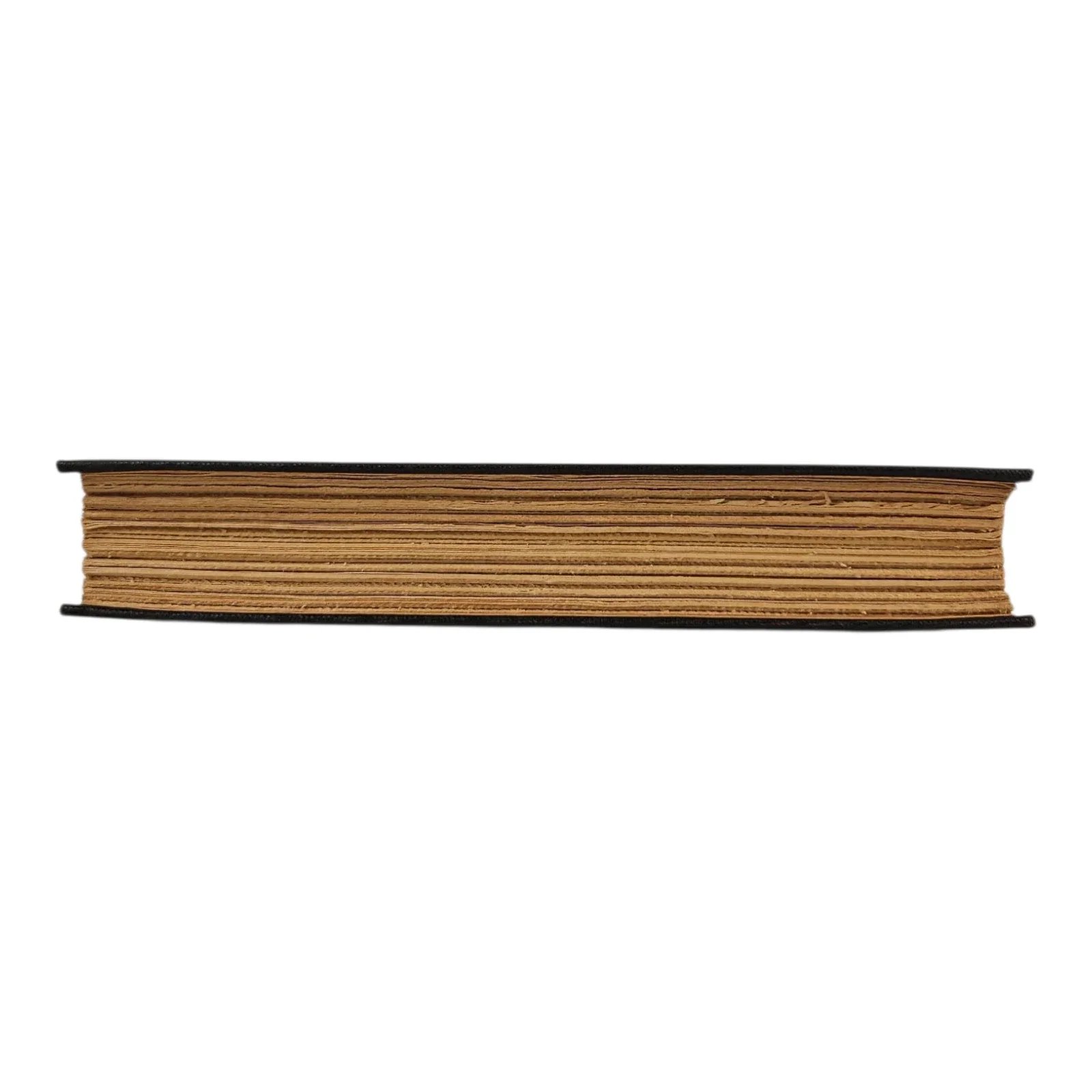 Image 14 of 22
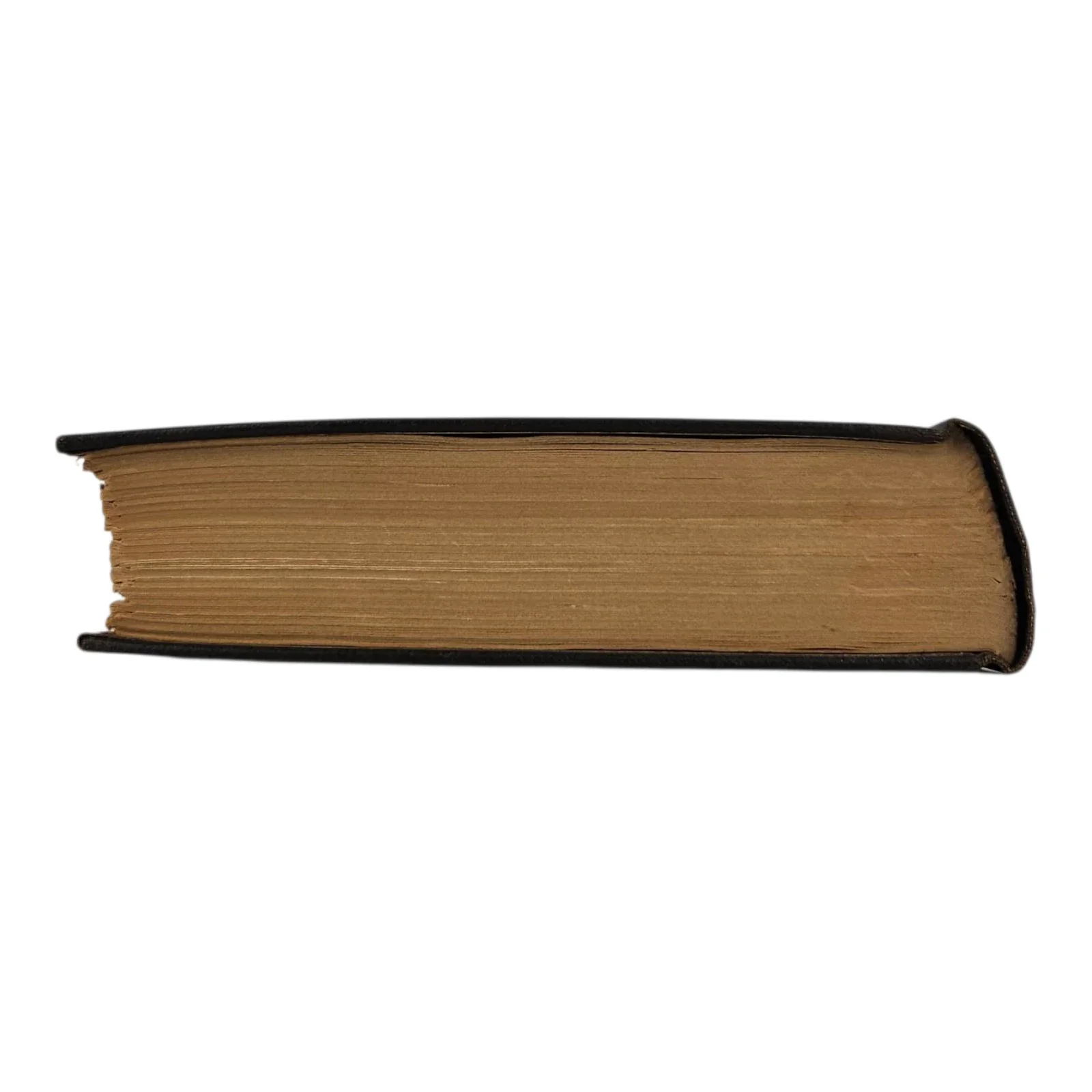 Image 15 of 22
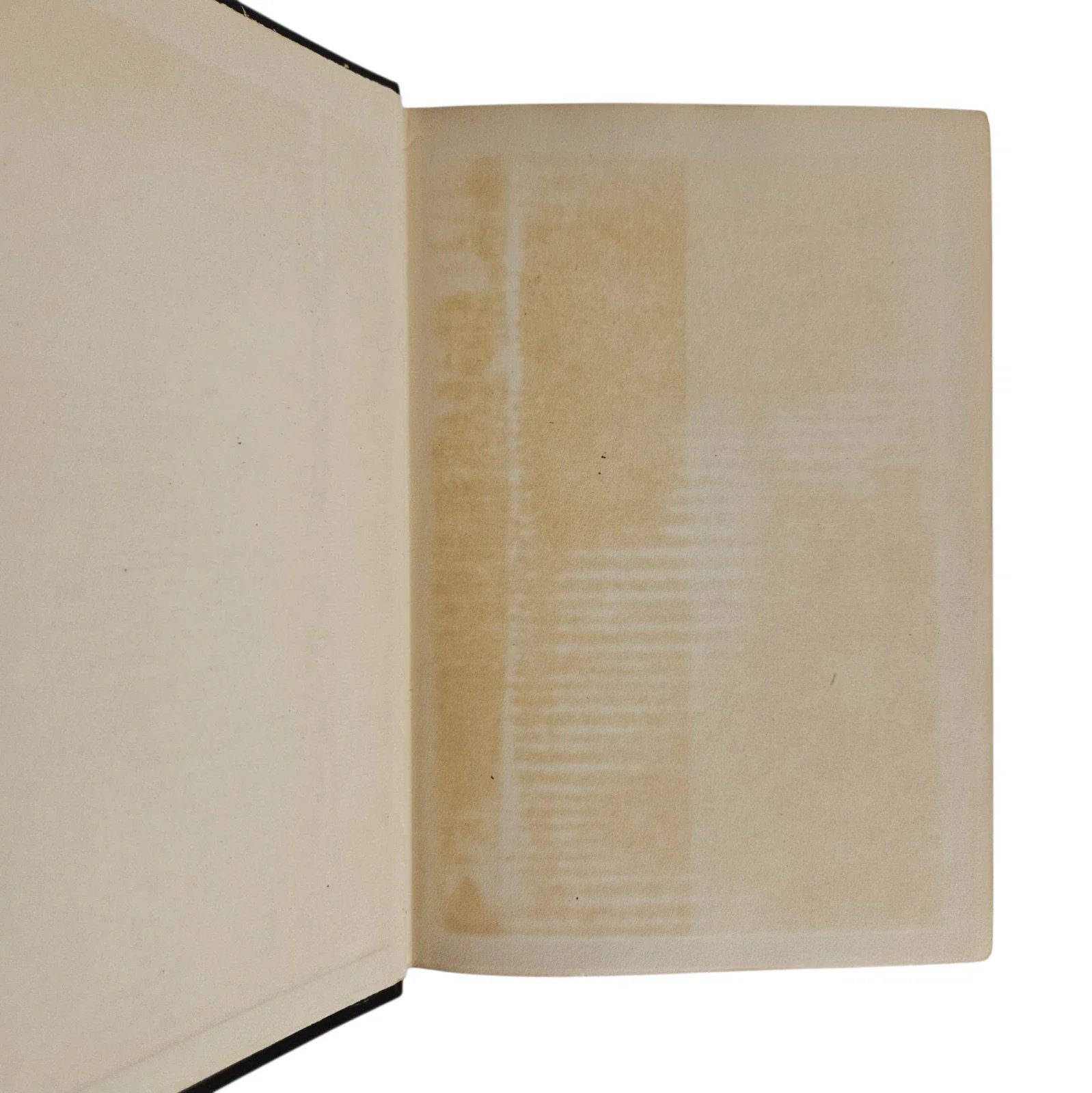 Image 16 of 22
 Image 17 of 22
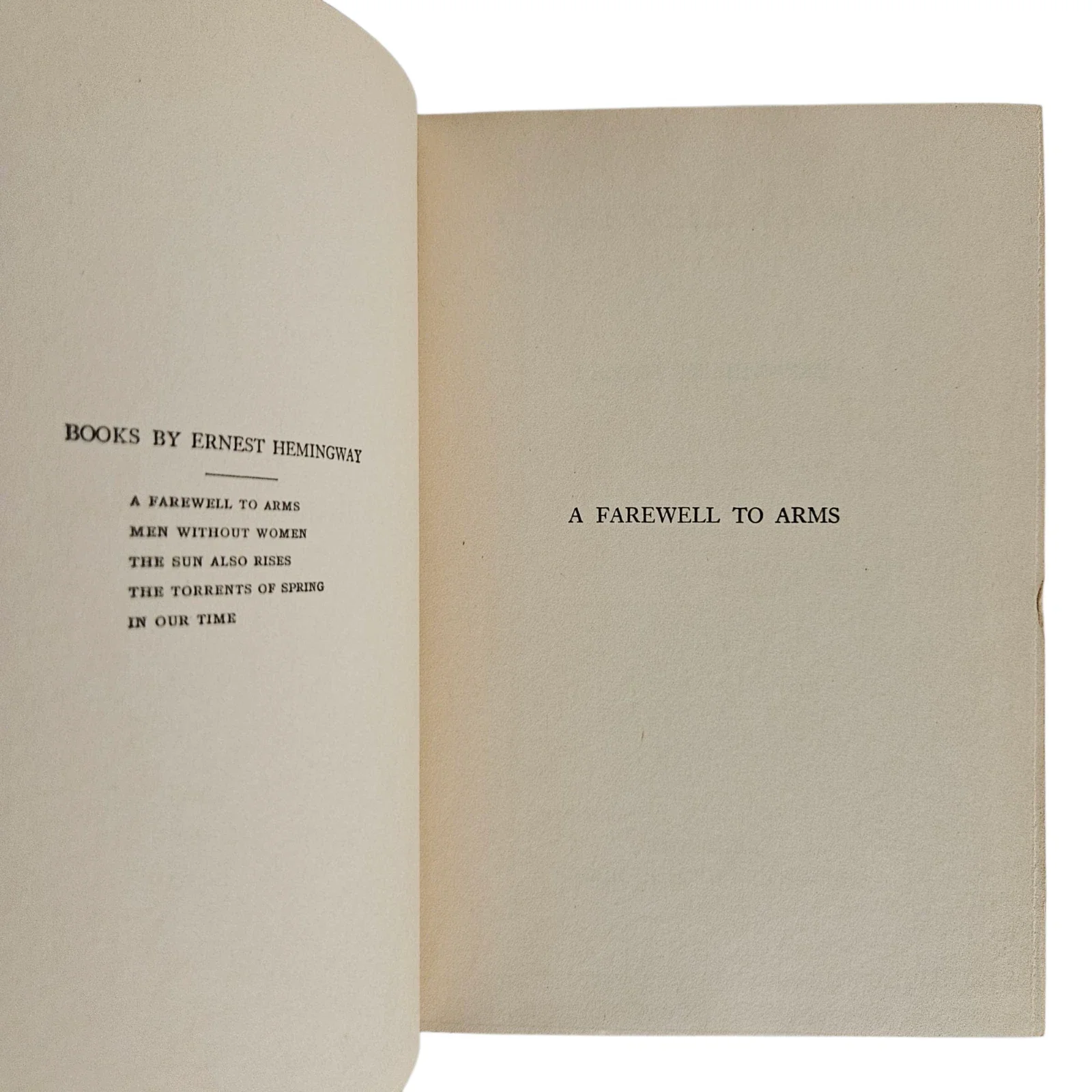 Image 18 of 22
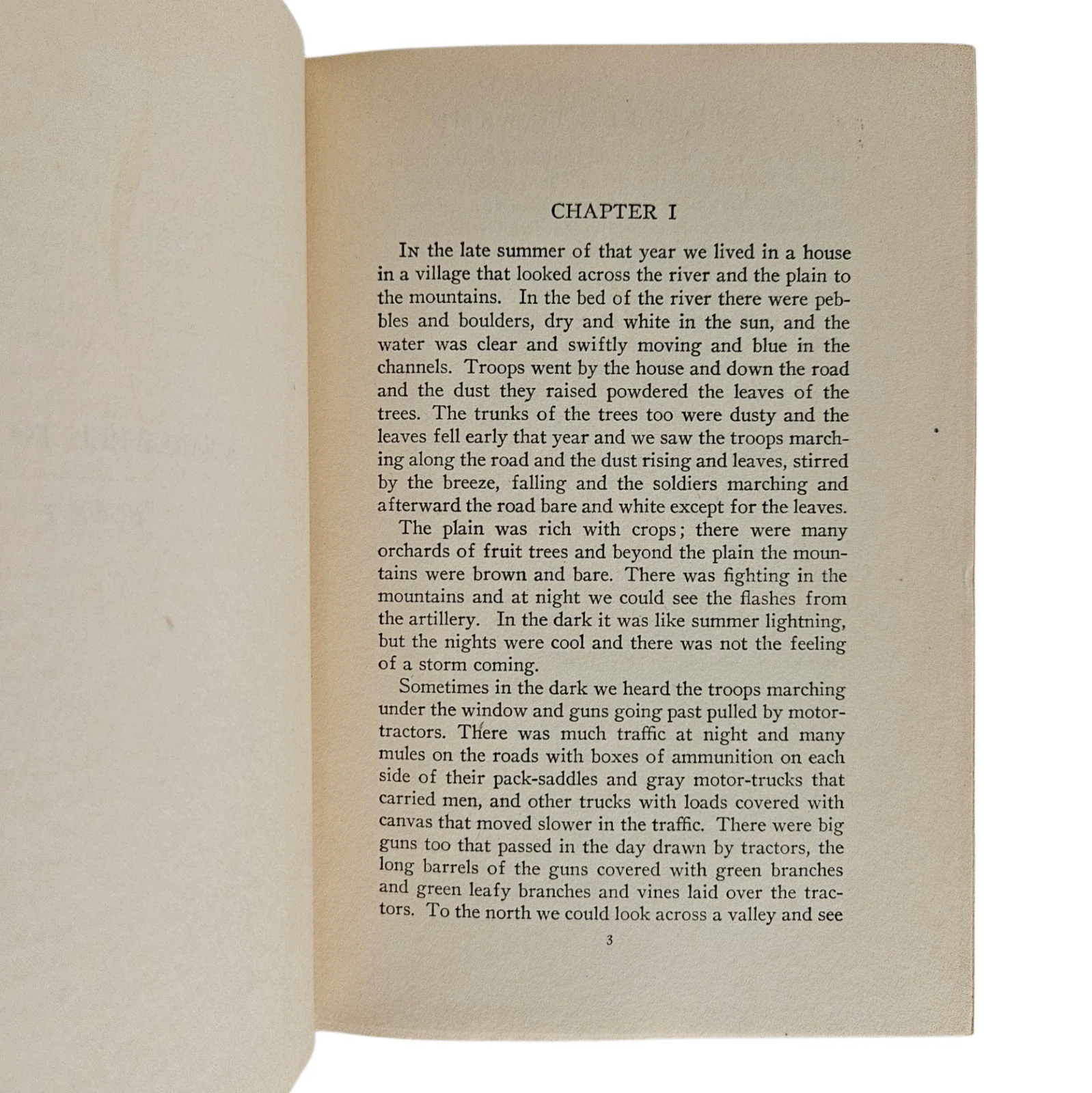 Image 19 of 22
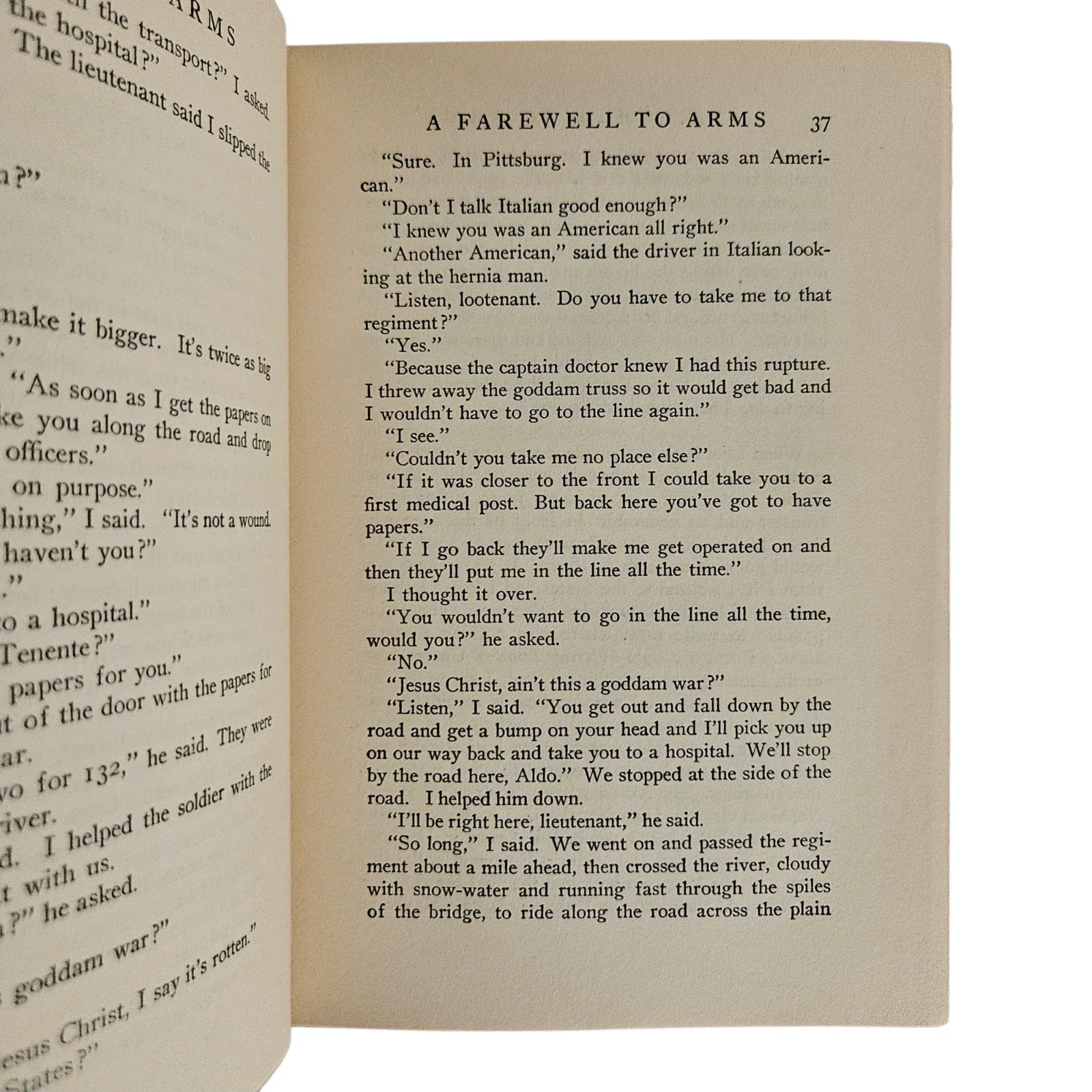 Image 20 of 22
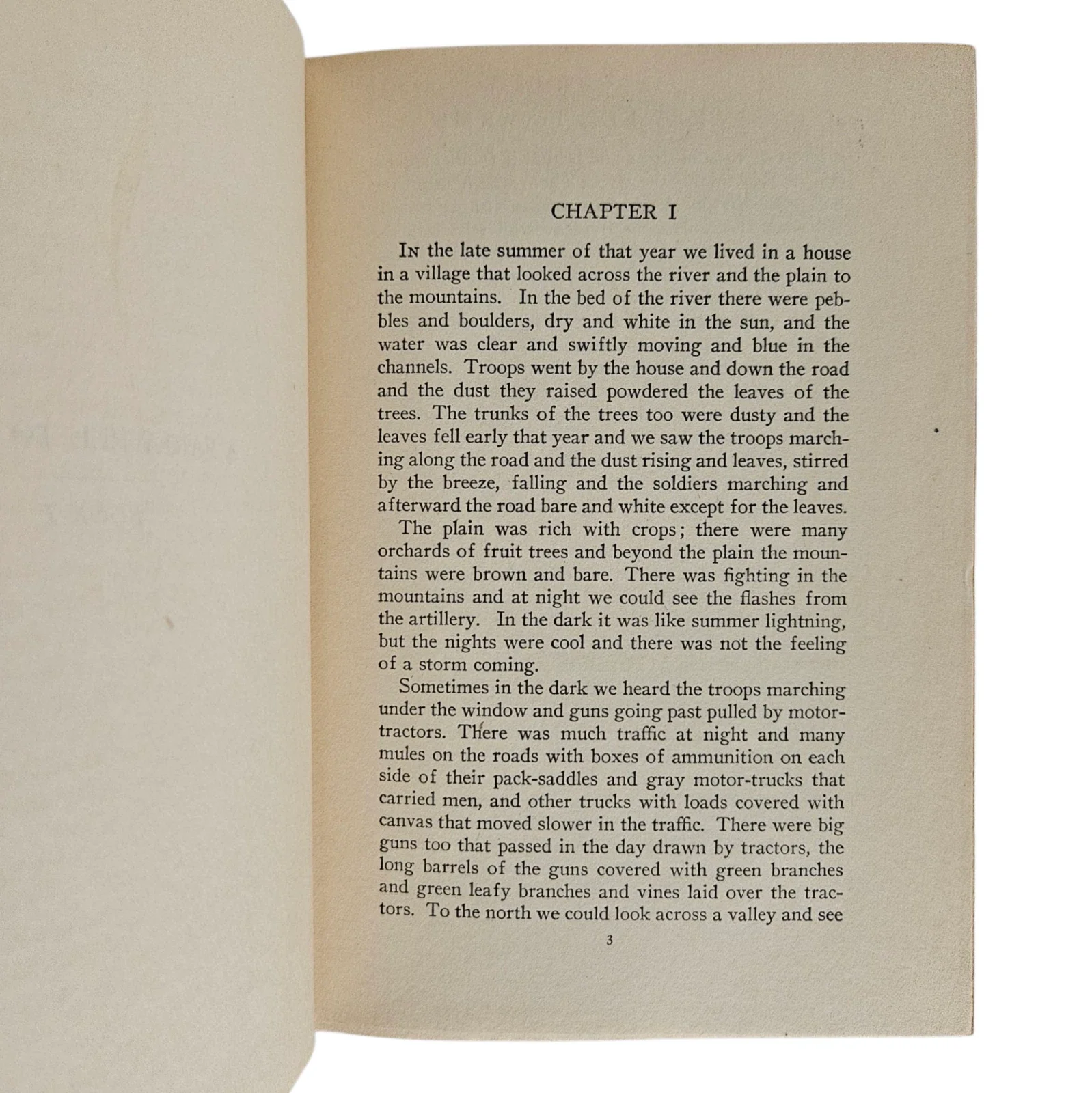 Image 21 of 22
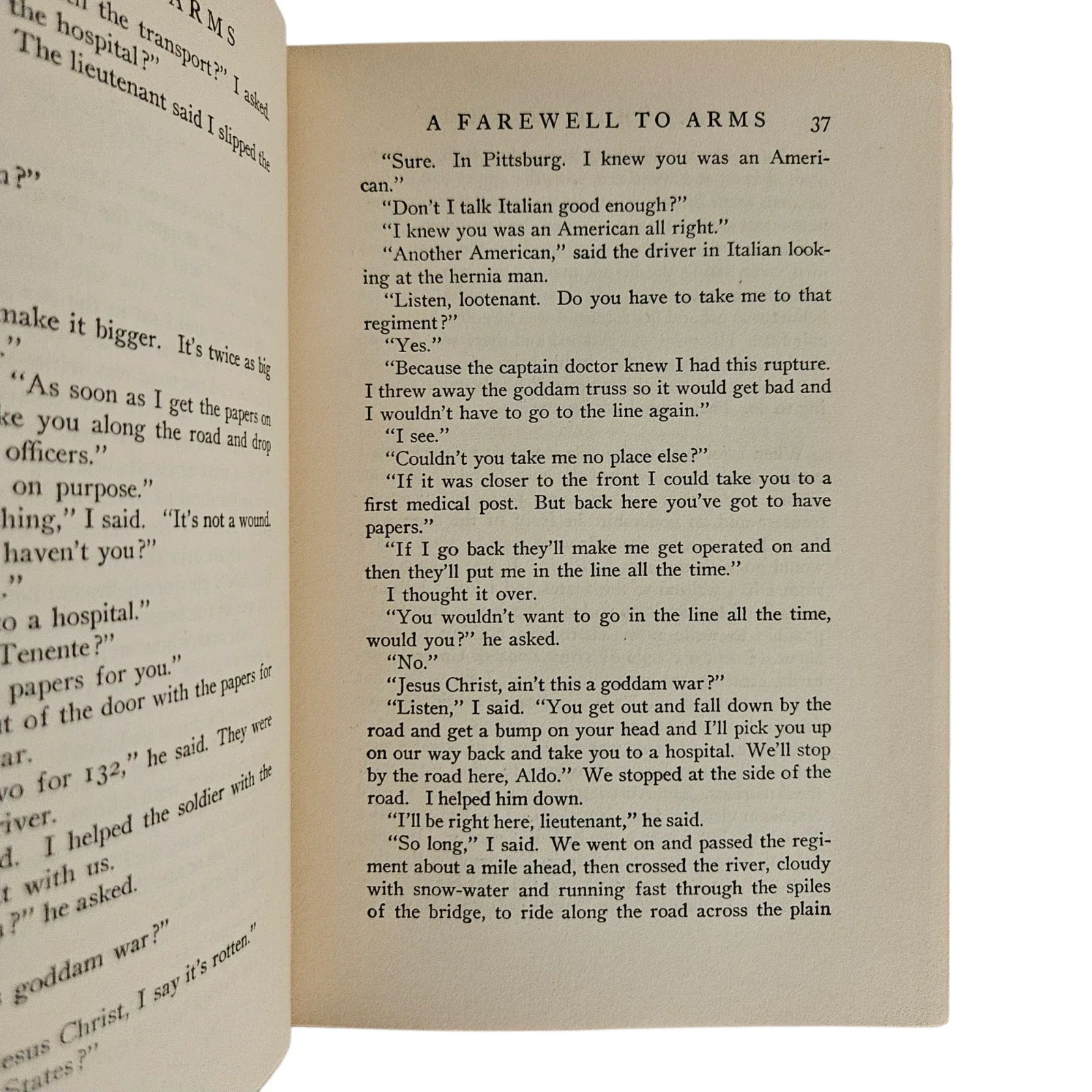 Image 22 of 22