First printing, first issue black cloth, original first issue jacket (wide flaps)
Publisher and Year: London: William Heinemann Ltd., 1962
Edition: First edition, first printing, with "First published 1962" and no statement of reprint on the copyright page. First issue black cloth (later changed to purple). Original price-clipped first issue dust jacket, with the requisite wide flaps (in the second issue, the flaps would be cropped much closer to the text). The first American edition followed the next year, but omitted the crucial final chapter despite Burgess's objections, making the original British edition more desirable not simply for priority, but for completeness.
Condition and Description: Octavo, black cloth, spine lettered in gilt, publisher's imprint blind stamped on rear board, 196pp. Sharp boards with minimal wear. Bright gilt. Hinges and binding tight. Previous owner's name in pencil on front free endpaper. No other writing or underlining. Edges and contents foxed, as shown. Pages tanned, as usual. Original dust jacket toned, tanned, and rubbed, with spine strip a little dulled. Complete and unrestored. A sharp copy of Burgess's dystopian classic in the scarce first issue dust jacket.
“There was me, that is Alex, and my three droogs, that is Pete, Georgie, and Dim, and we sat in the Korova Milkbar making up our rassoodocks what to do with the evening.”
A Clockwork Orangepresents a dystopian future where teenage gangs carry out violent rampages. The novel is notable for its linguistic innovation, with the invented "Nadsat" slang serving as an emotional buffer against the depicted violence and as a reflection of the novel's themes concerning coercive conditioning. As Burgess put it, “to tolchock a chelloveck in the kishkas does not sound so bad as booting a man in the guts.” Burgess also used Nadsat as an exercise in "linguistic programming." As readers acquire the meaning of these words through repetition, the effect models the coercive conditioning used by the state, underscoring the novel’s theme of state control versus free will. Although A Clockwork Orange received mixed reviews upon publication and sold poorly through the mid 1960s, it is now regarded as one of the best novels of the twentieth century, appearing on TIME’s Best 100 Novels, the Modern Library 100, The Guardian’s 100 Best Novels, and 1001 Books You Must Read Before You Die. The novel secured additional cultural impact through Stanley Kubrick's landmark film adaptation in 1971, which gave Burgess's dystopian world its poignant iconography.
Inventory ID: 122 - 873 - 342
First printing, first issue black cloth, original first issue jacket (wide flaps)
Publisher and Year: London: William Heinemann Ltd., 1962
Edition: First edition, first printing, with "First published 1962" and no statement of reprint on the copyright page. First issue black cloth (later changed to purple). Original price-clipped first issue dust jacket, with the requisite wide flaps (in the second issue, the flaps would be cropped much closer to the text). The first American edition followed the next year, but omitted the crucial final chapter despite Burgess's objections, making the original British edition more desirable not simply for priority, but for completeness.
Condition and Description: Octavo, black cloth, spine lettered in gilt, publisher's imprint blind stamped on rear board, 196pp. Sharp boards with minimal wear. Bright gilt. Hinges and binding tight. Previous owner's name in pencil on front free endpaper. No other writing or underlining. Edges and contents foxed, as shown. Pages tanned, as usual. Original dust jacket toned, tanned, and rubbed, with spine strip a little dulled. Complete and unrestored. A sharp copy of Burgess's dystopian classic in the scarce first issue dust jacket.
“There was me, that is Alex, and my three droogs, that is Pete, Georgie, and Dim, and we sat in the Korova Milkbar making up our rassoodocks what to do with the evening.”
A Clockwork Orangepresents a dystopian future where teenage gangs carry out violent rampages. The novel is notable for its linguistic innovation, with the invented "Nadsat" slang serving as an emotional buffer against the depicted violence and as a reflection of the novel's themes concerning coercive conditioning. As Burgess put it, “to tolchock a chelloveck in the kishkas does not sound so bad as booting a man in the guts.” Burgess also used Nadsat as an exercise in "linguistic programming." As readers acquire the meaning of these words through repetition, the effect models the coercive conditioning used by the state, underscoring the novel’s theme of state control versus free will. Although A Clockwork Orange received mixed reviews upon publication and sold poorly through the mid 1960s, it is now regarded as one of the best novels of the twentieth century, appearing on TIME’s Best 100 Novels, the Modern Library 100, The Guardian’s 100 Best Novels, and 1001 Books You Must Read Before You Die. The novel secured additional cultural impact through Stanley Kubrick's landmark film adaptation in 1971, which gave Burgess's dystopian world its poignant iconography.
Inventory ID: 122 - 873 - 342

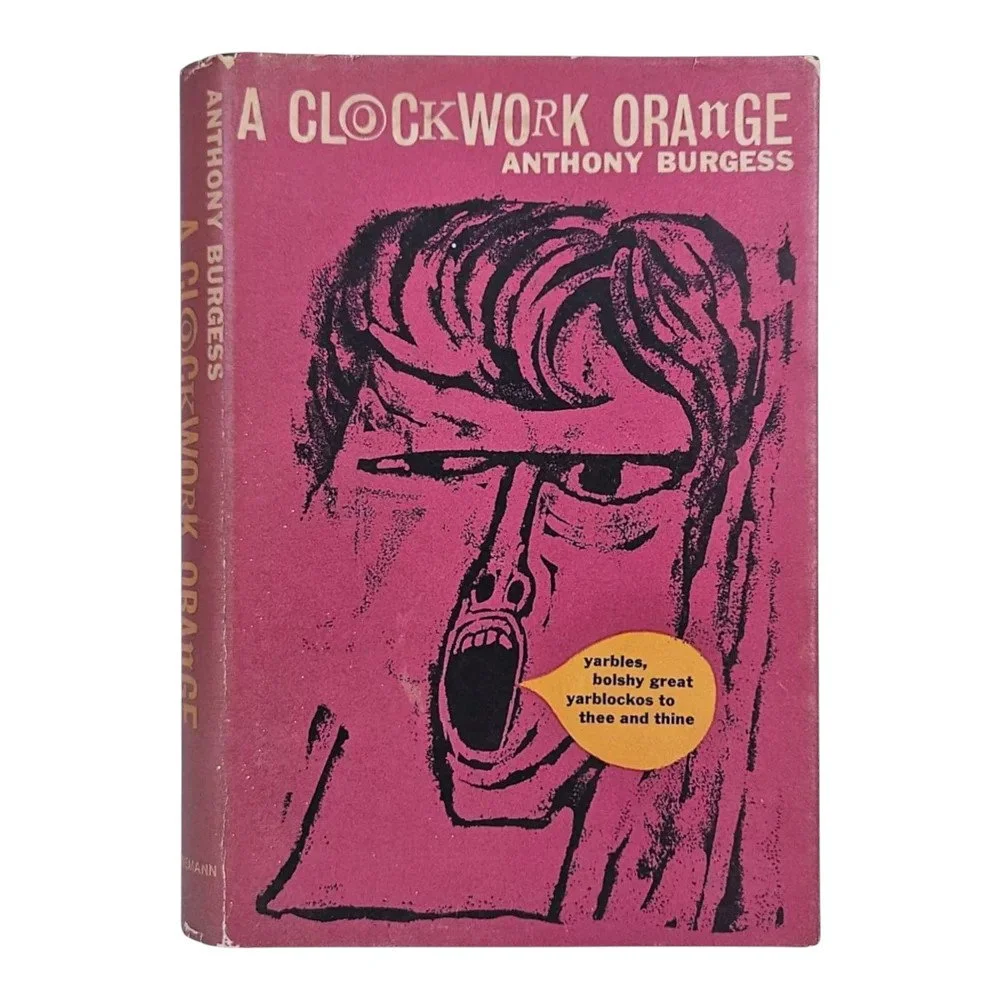 Image 1 of 24
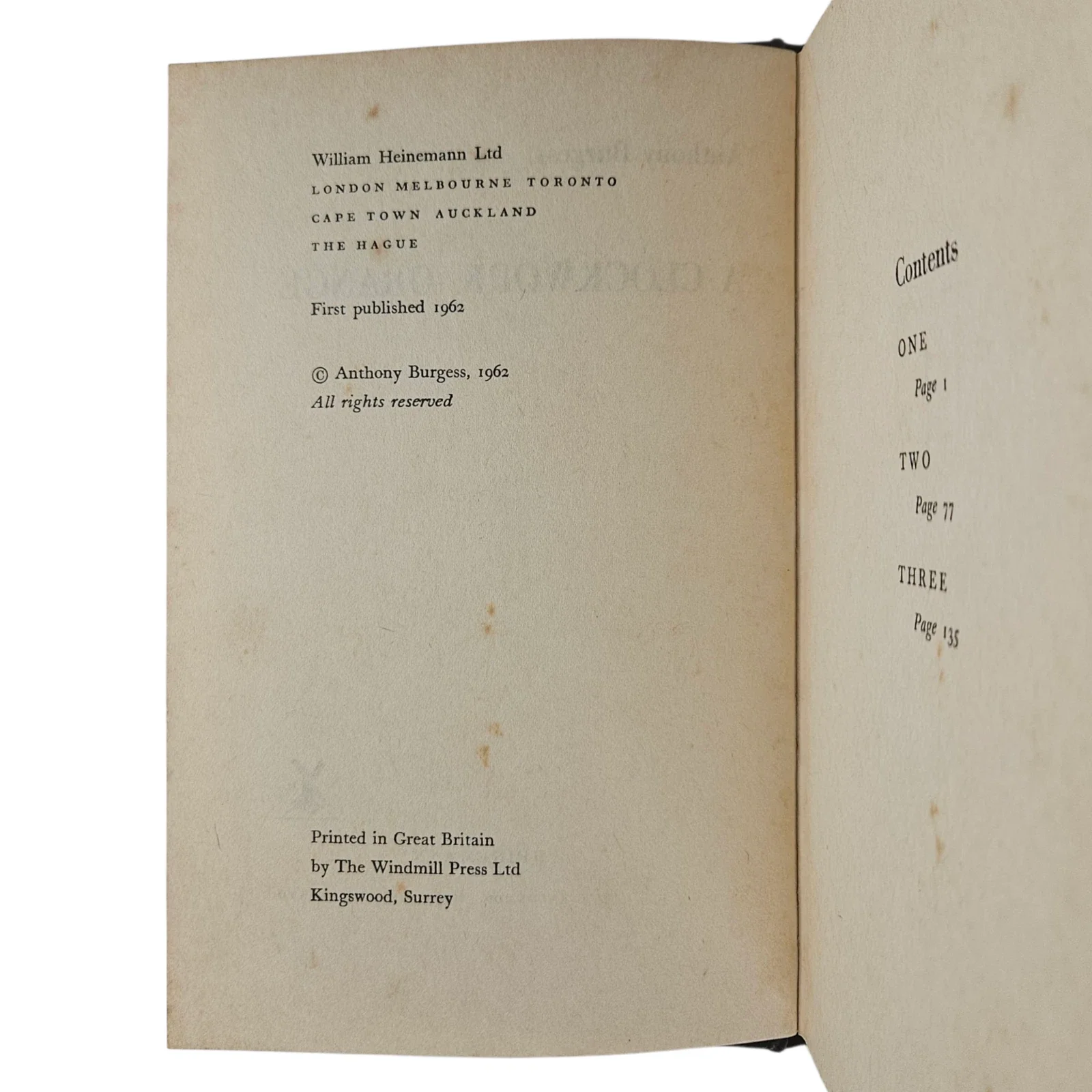 Image 2 of 24
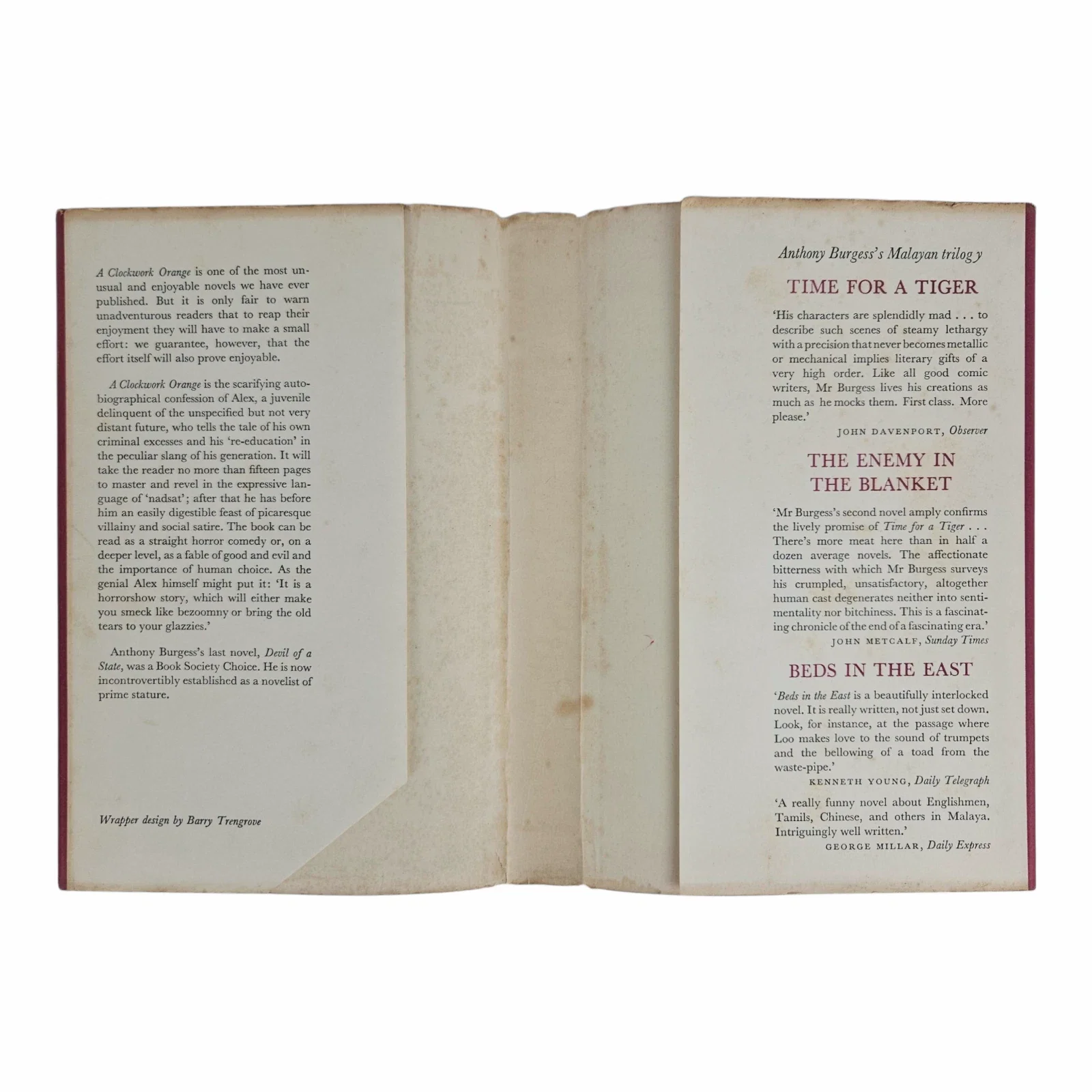 Image 3 of 24
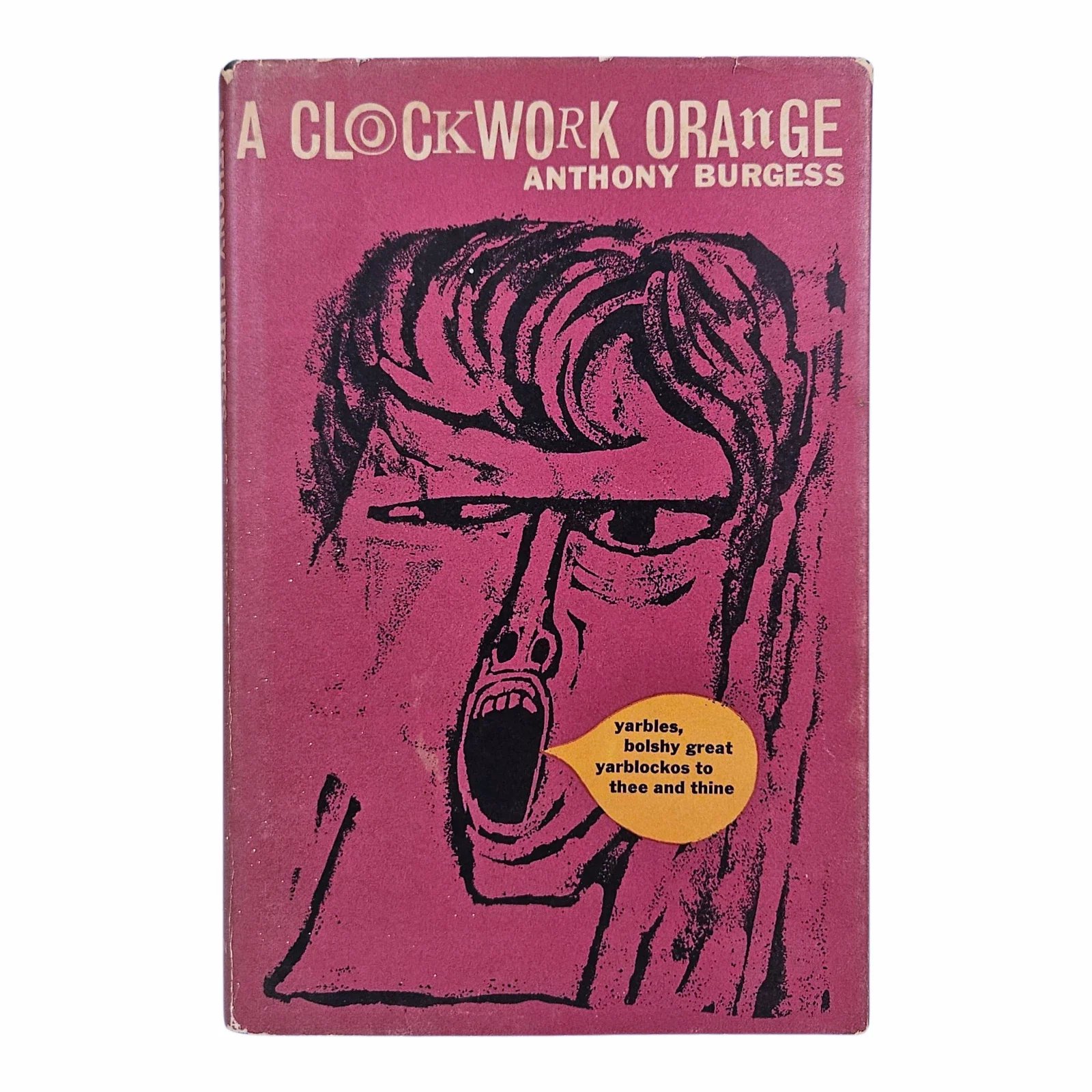 Image 4 of 24
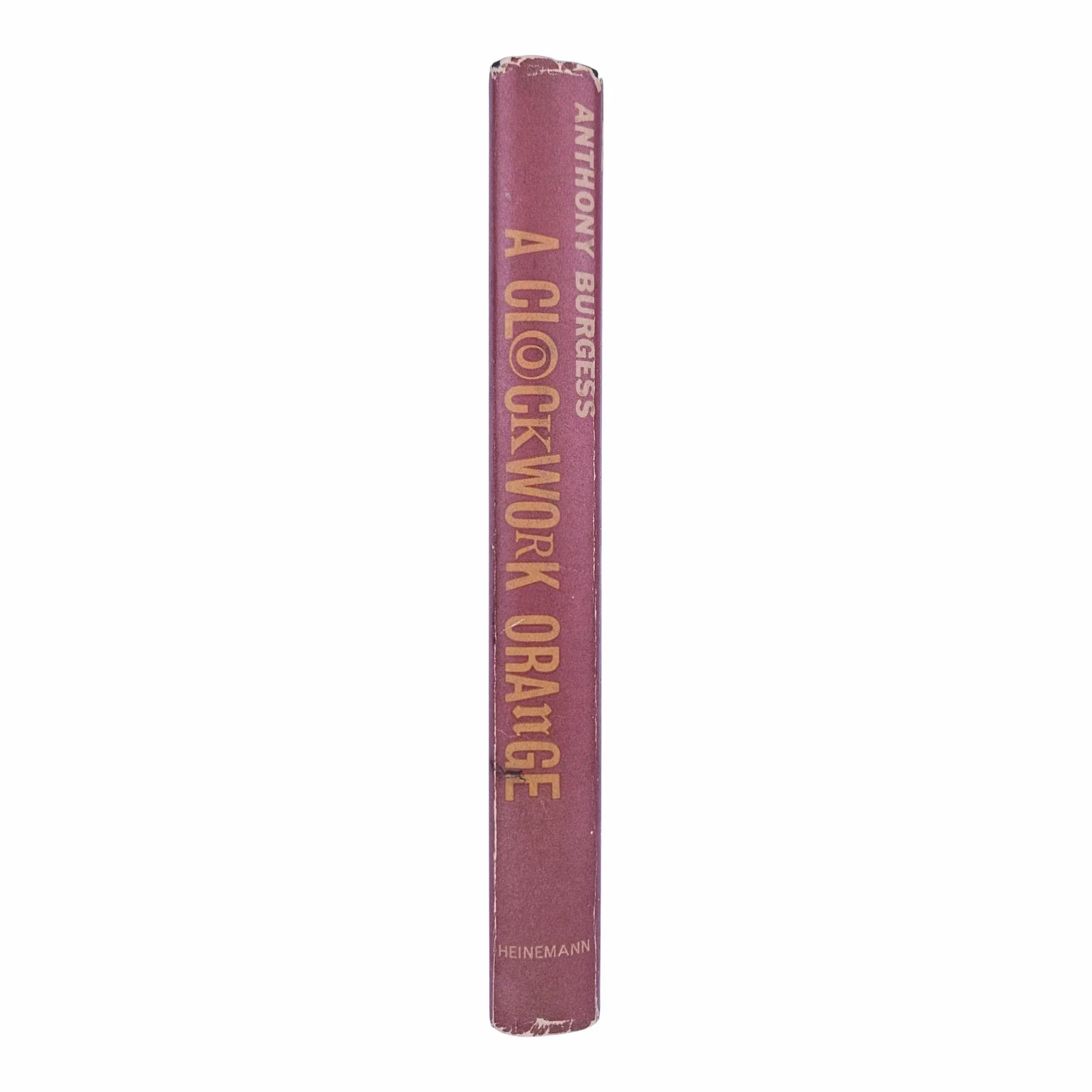 Image 5 of 24
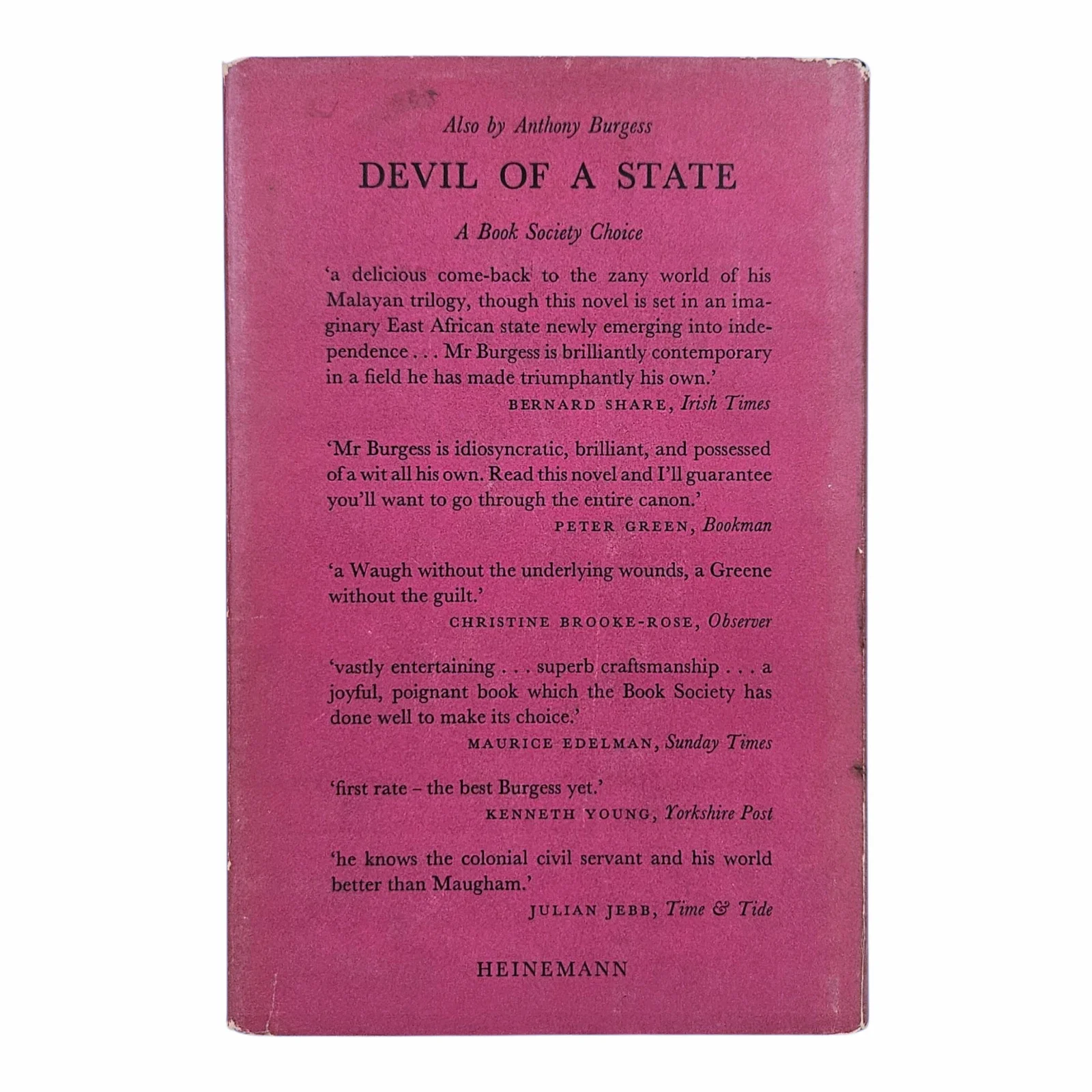 Image 6 of 24
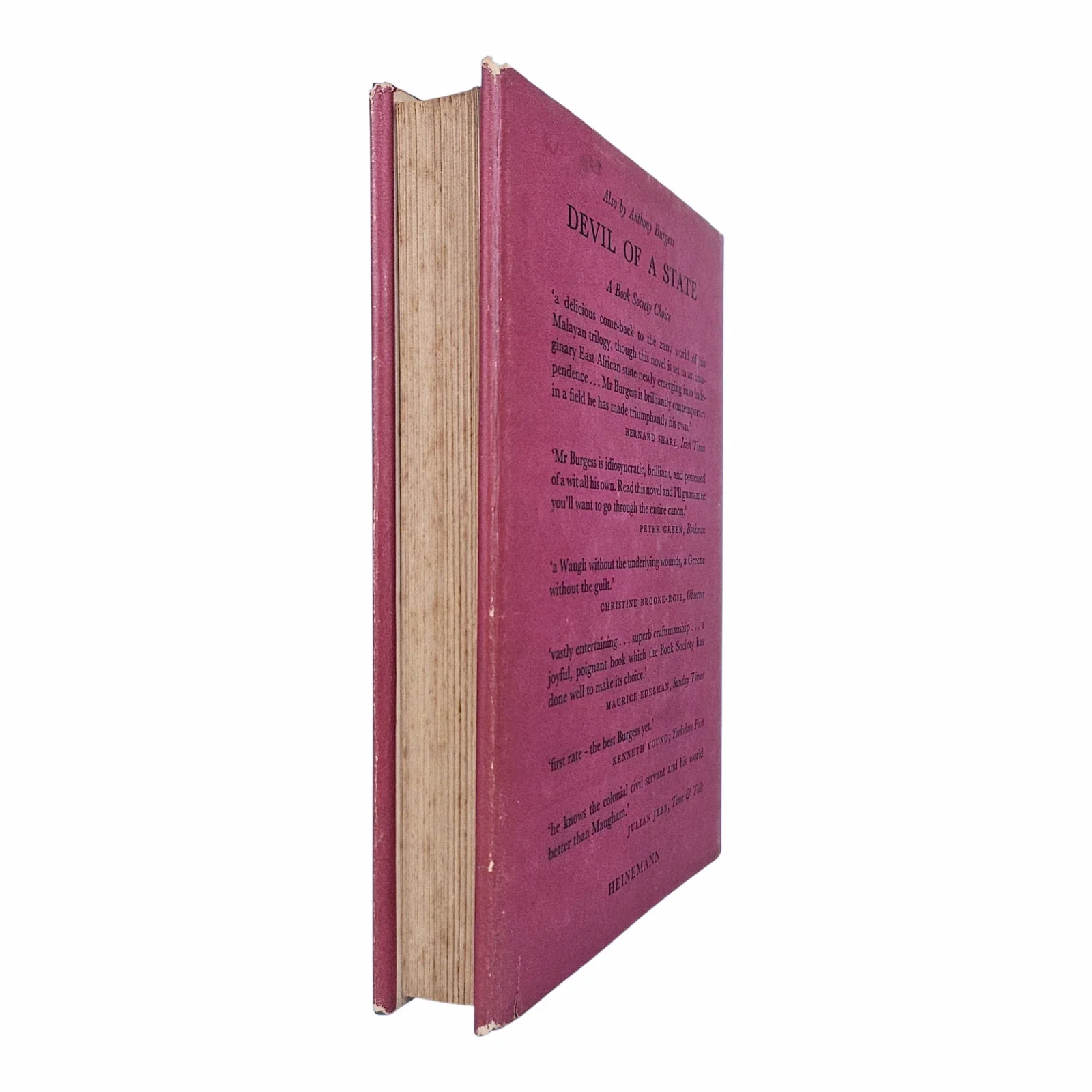 Image 7 of 24
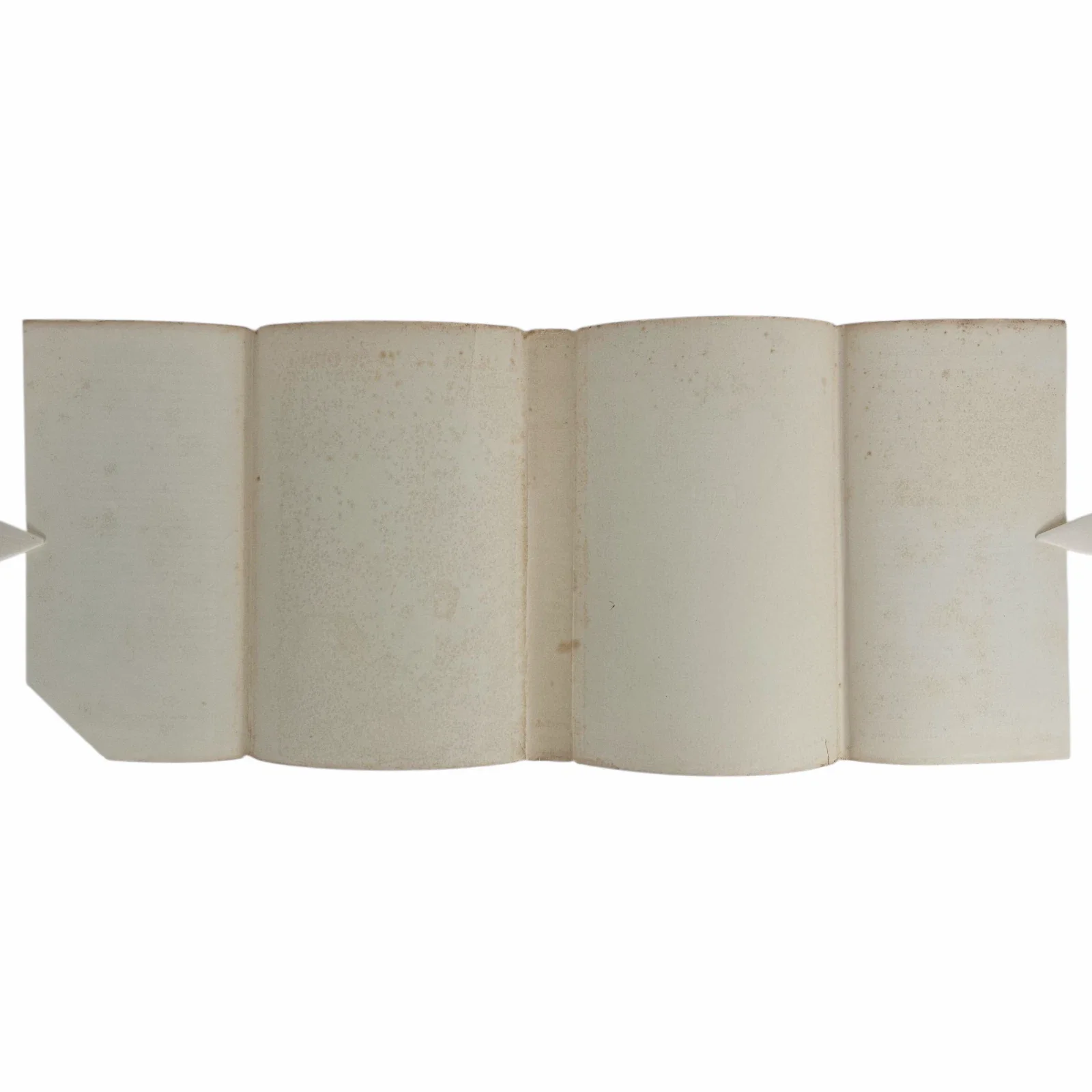 Image 8 of 24
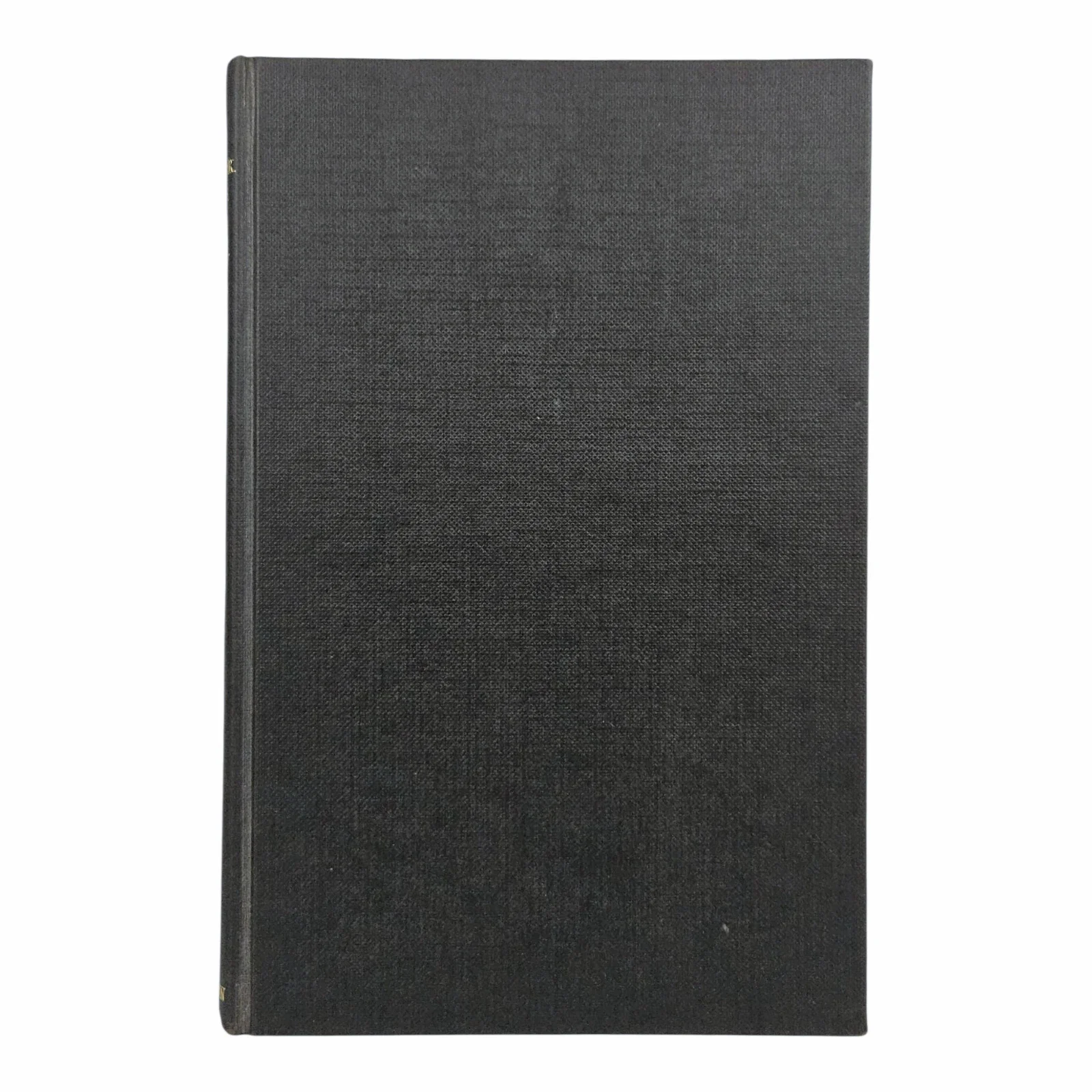 Image 9 of 24
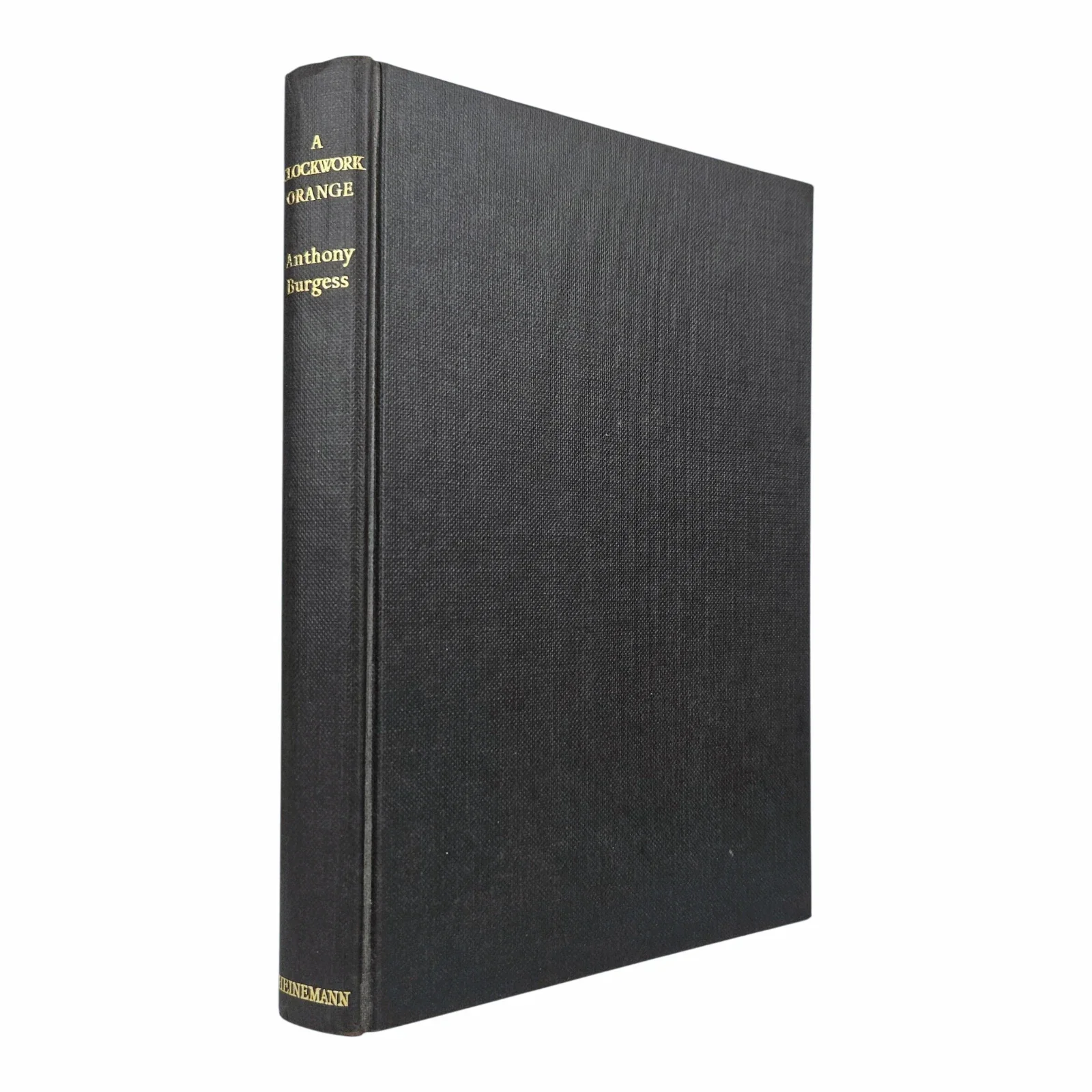 Image 10 of 24
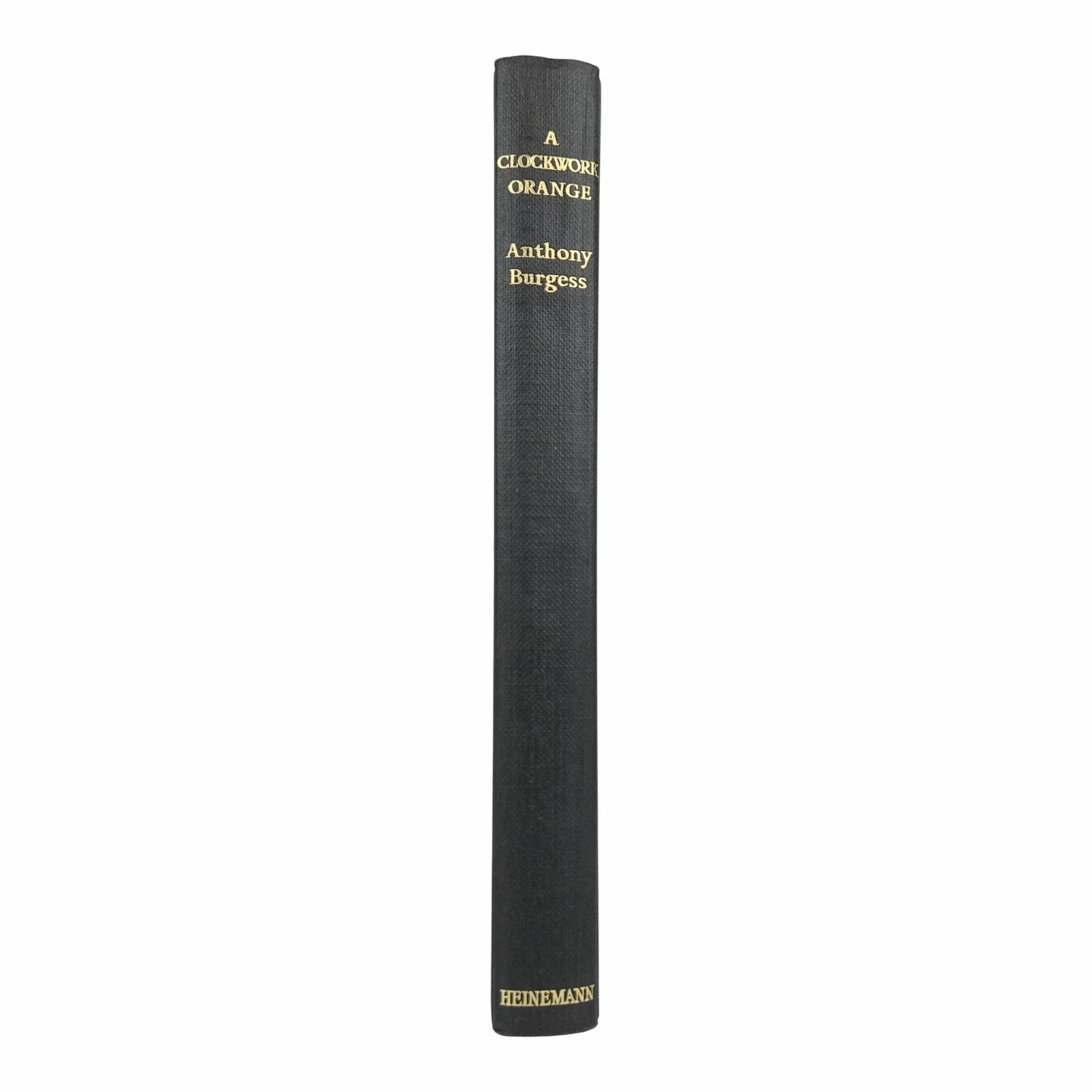 Image 11 of 24
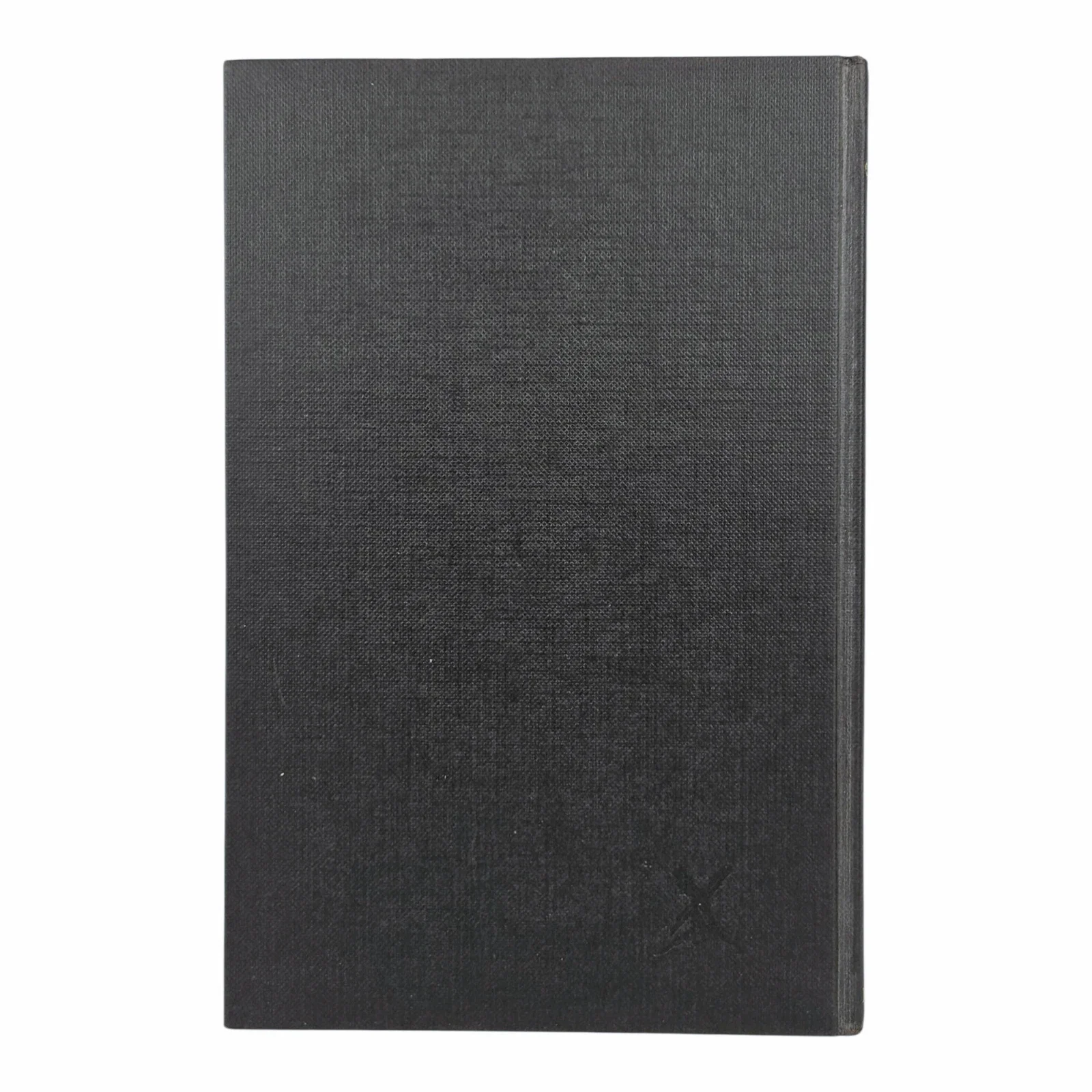 Image 12 of 24
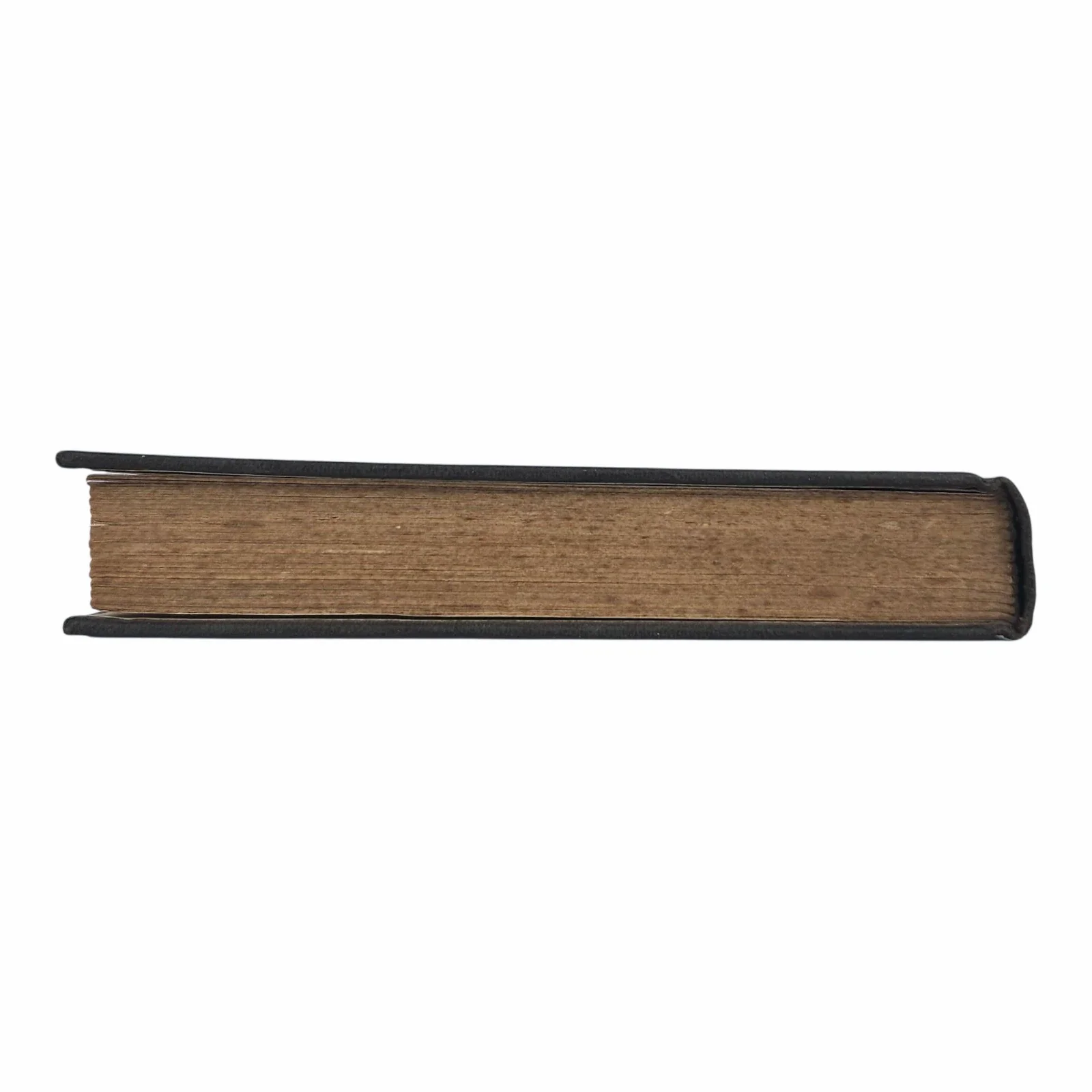 Image 13 of 24
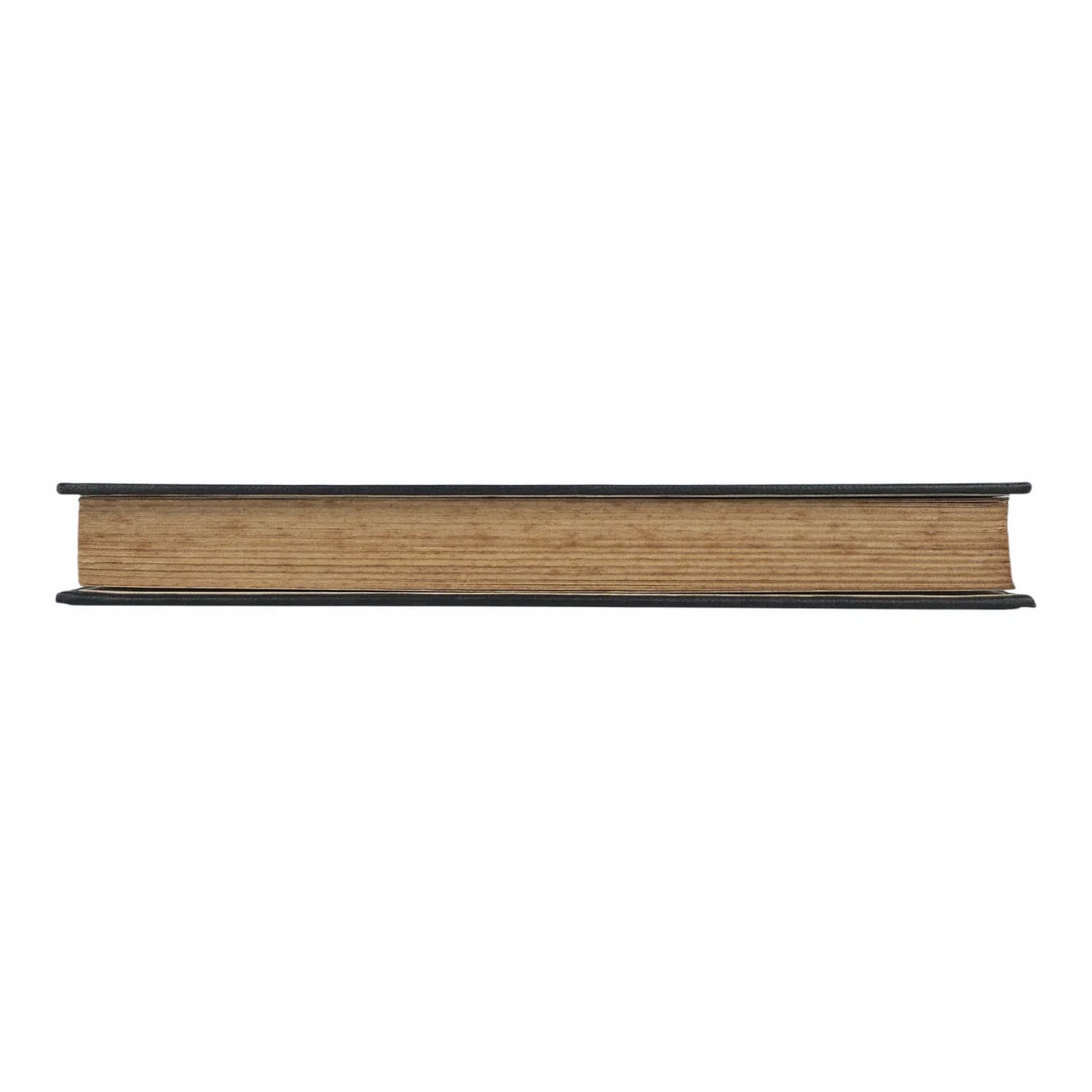 Image 14 of 24
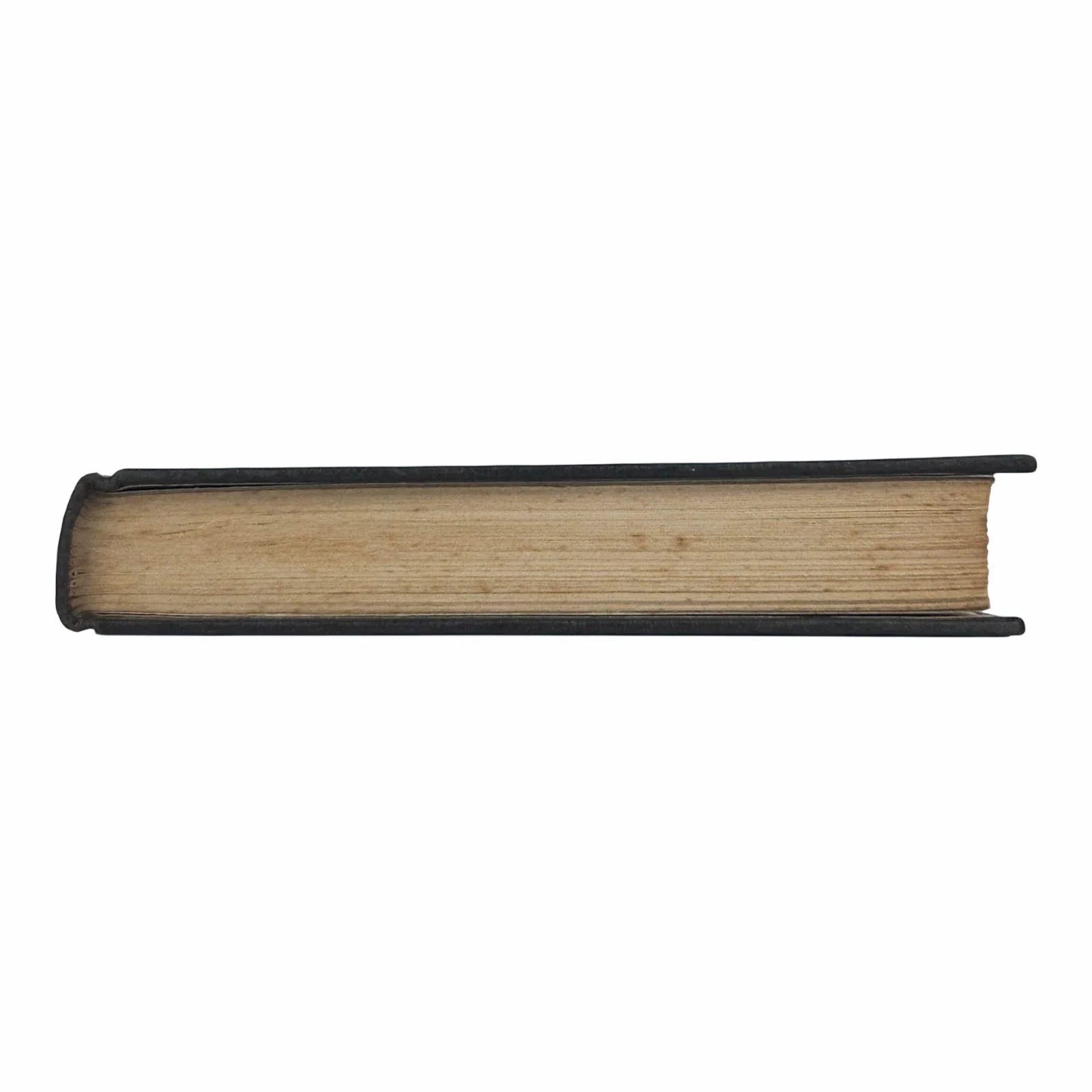 Image 15 of 24
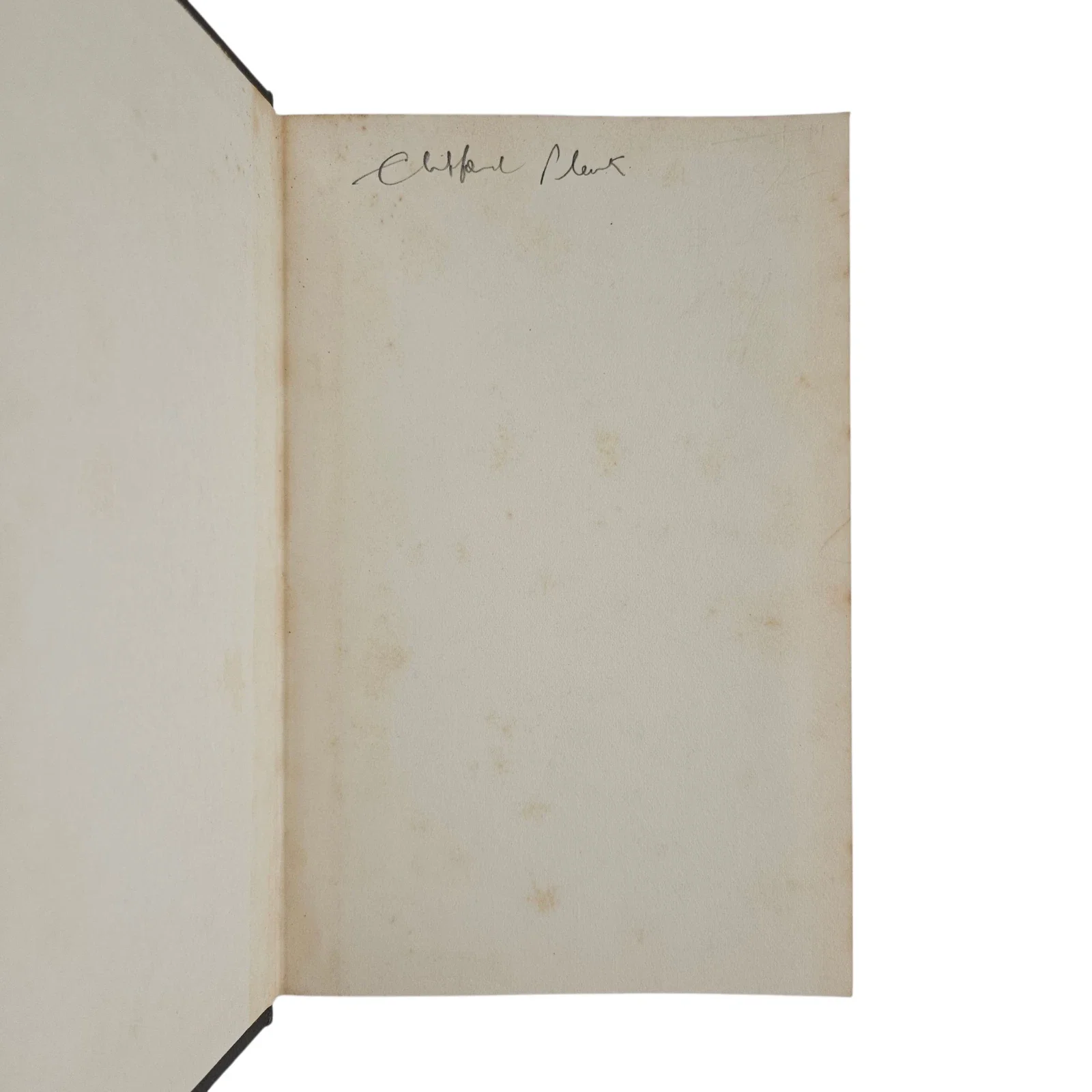 Image 16 of 24
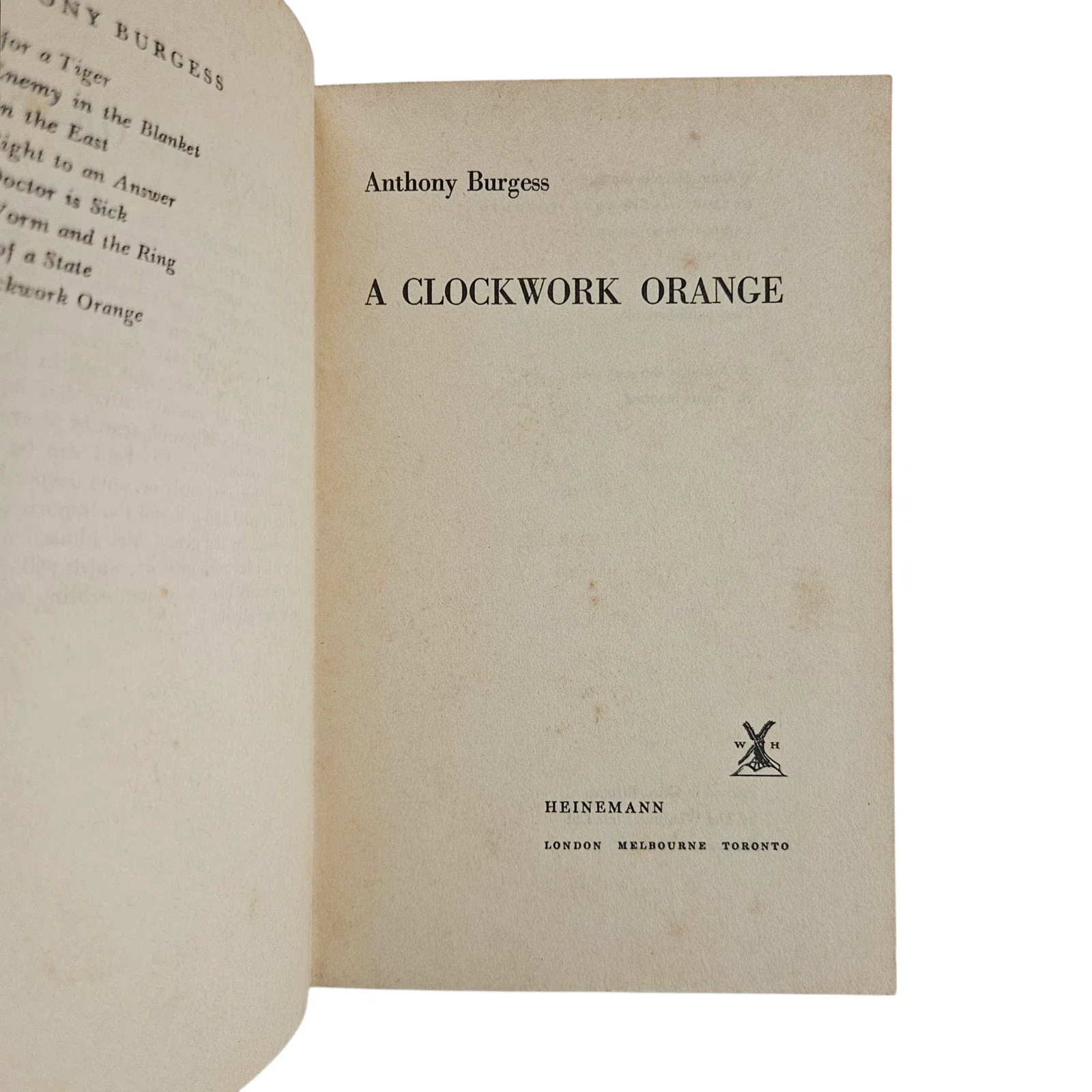 Image 17 of 24
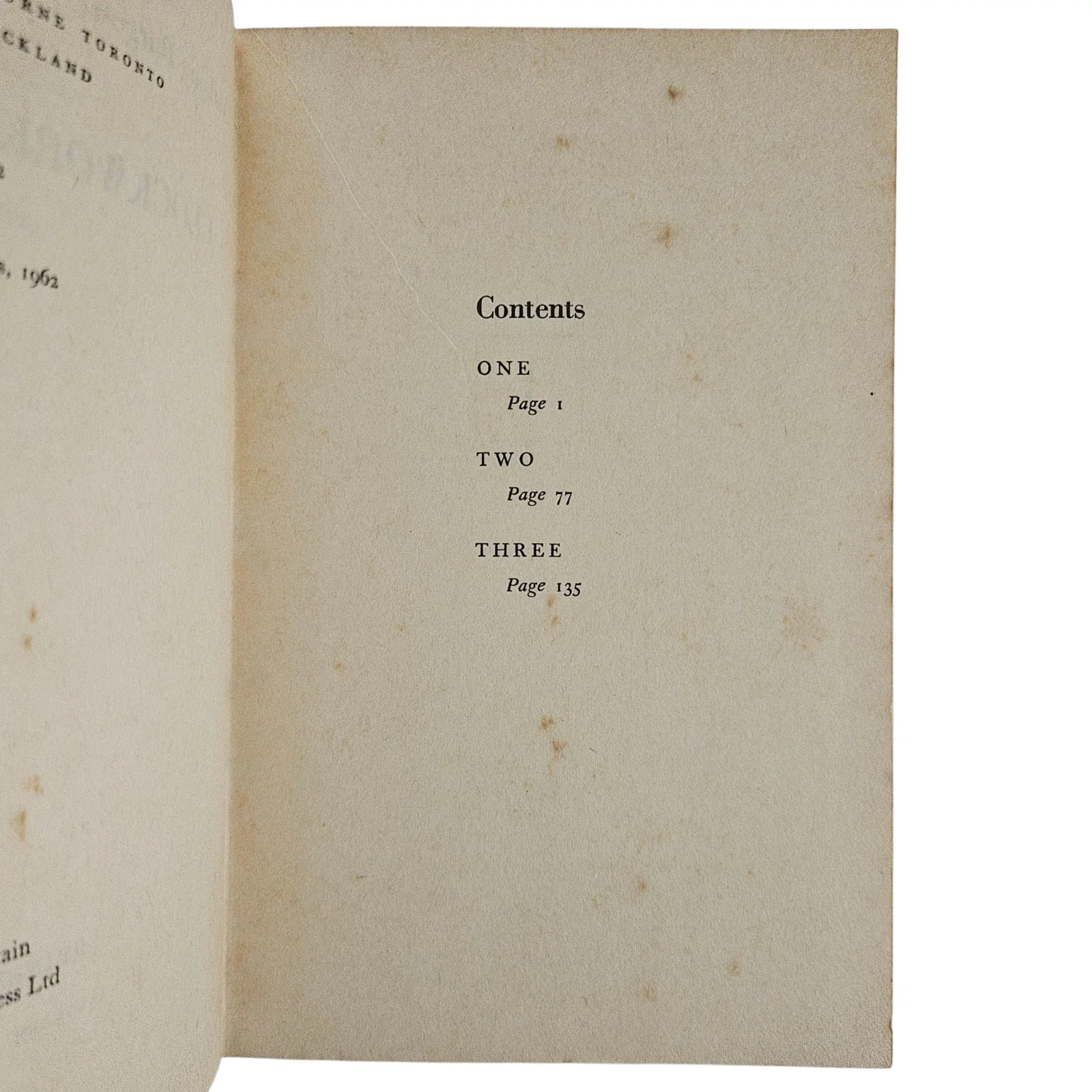 Image 18 of 24
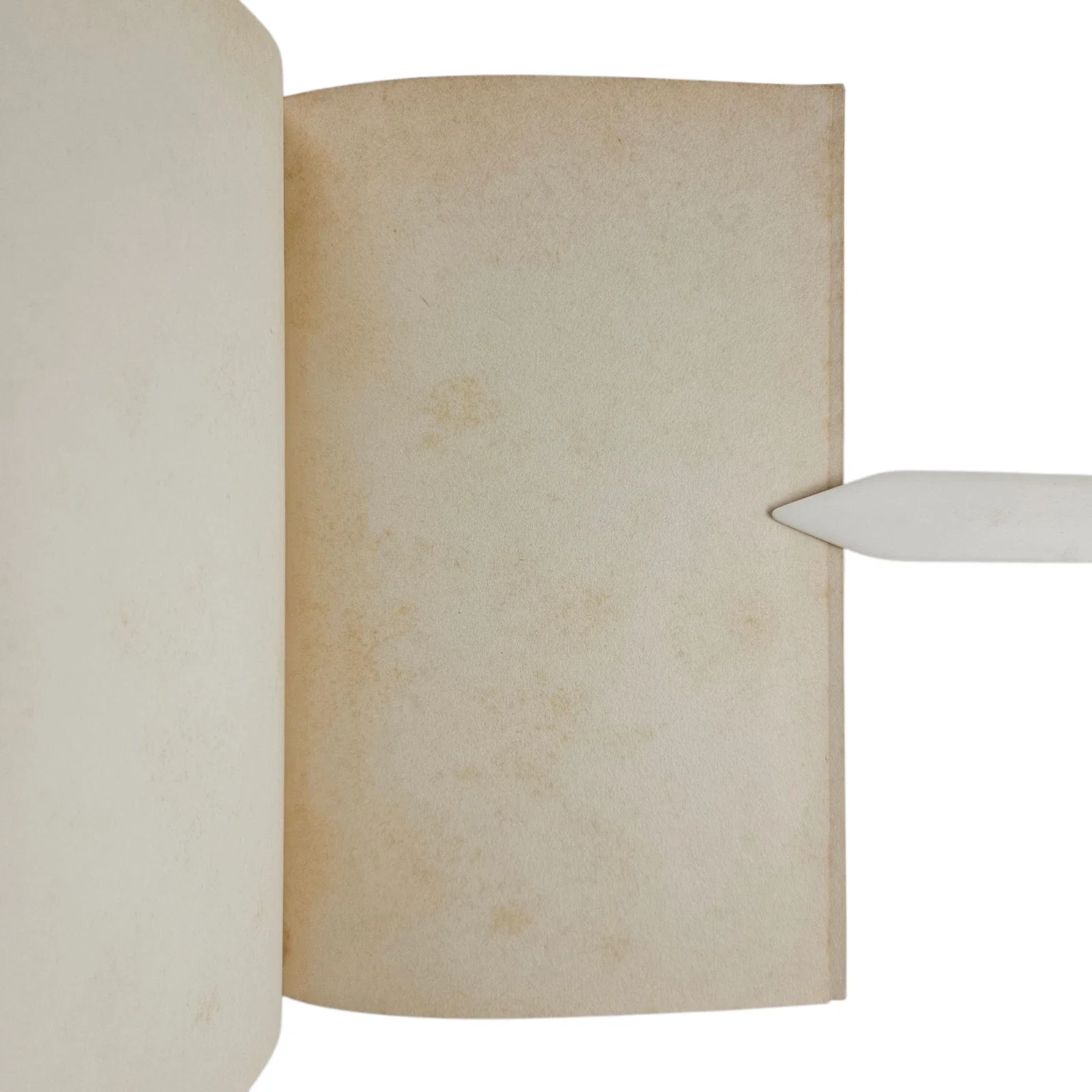 Image 19 of 24
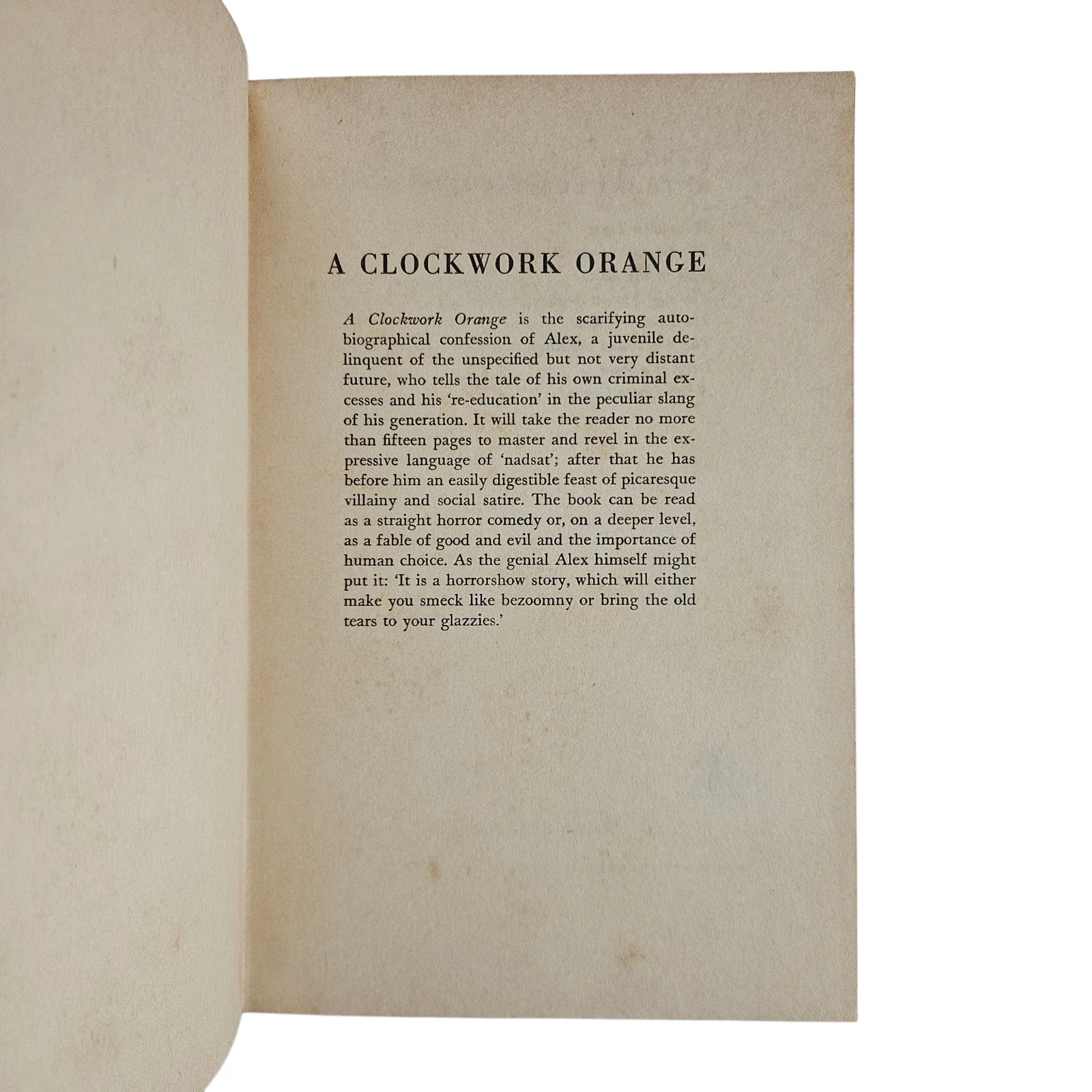 Image 20 of 24
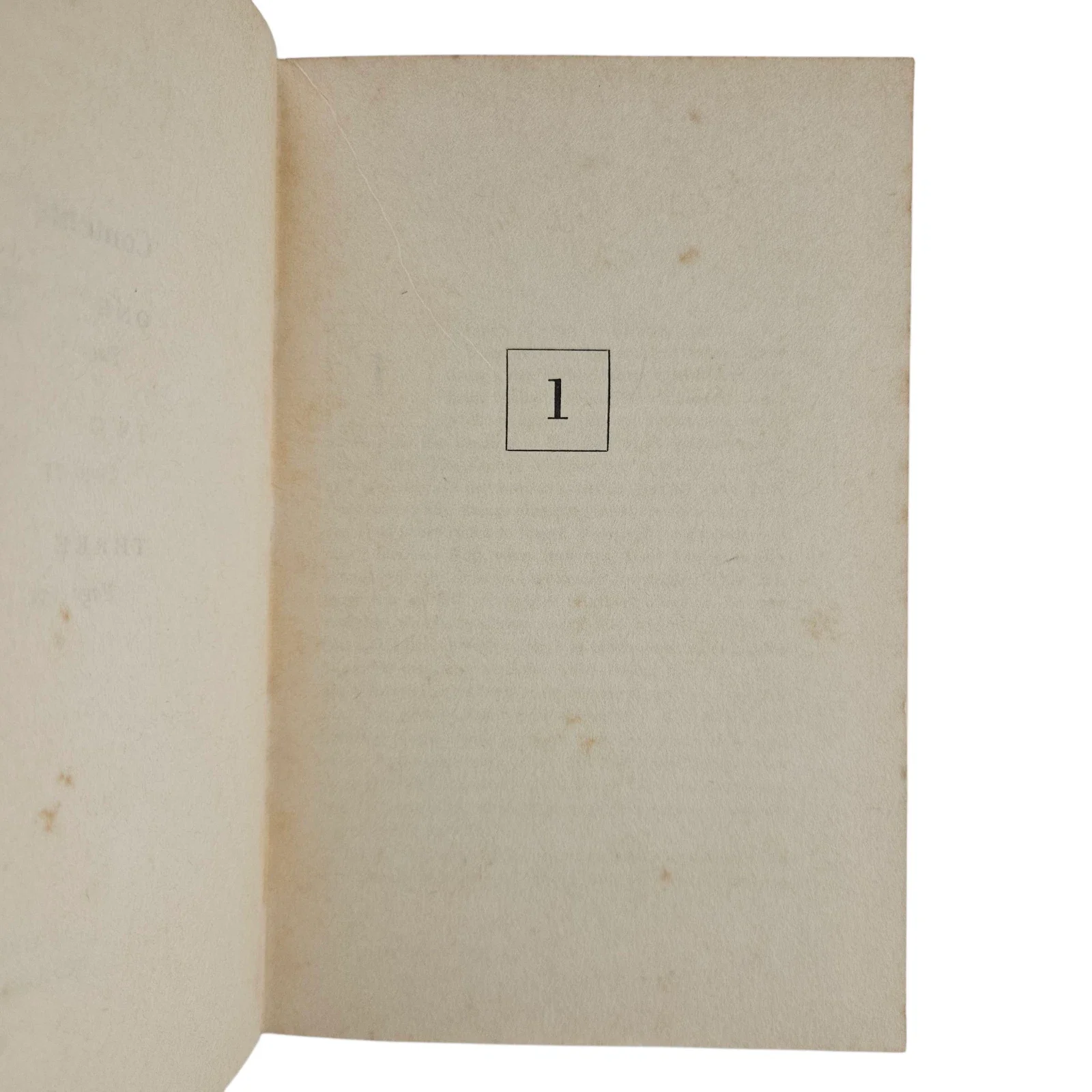 Image 21 of 24
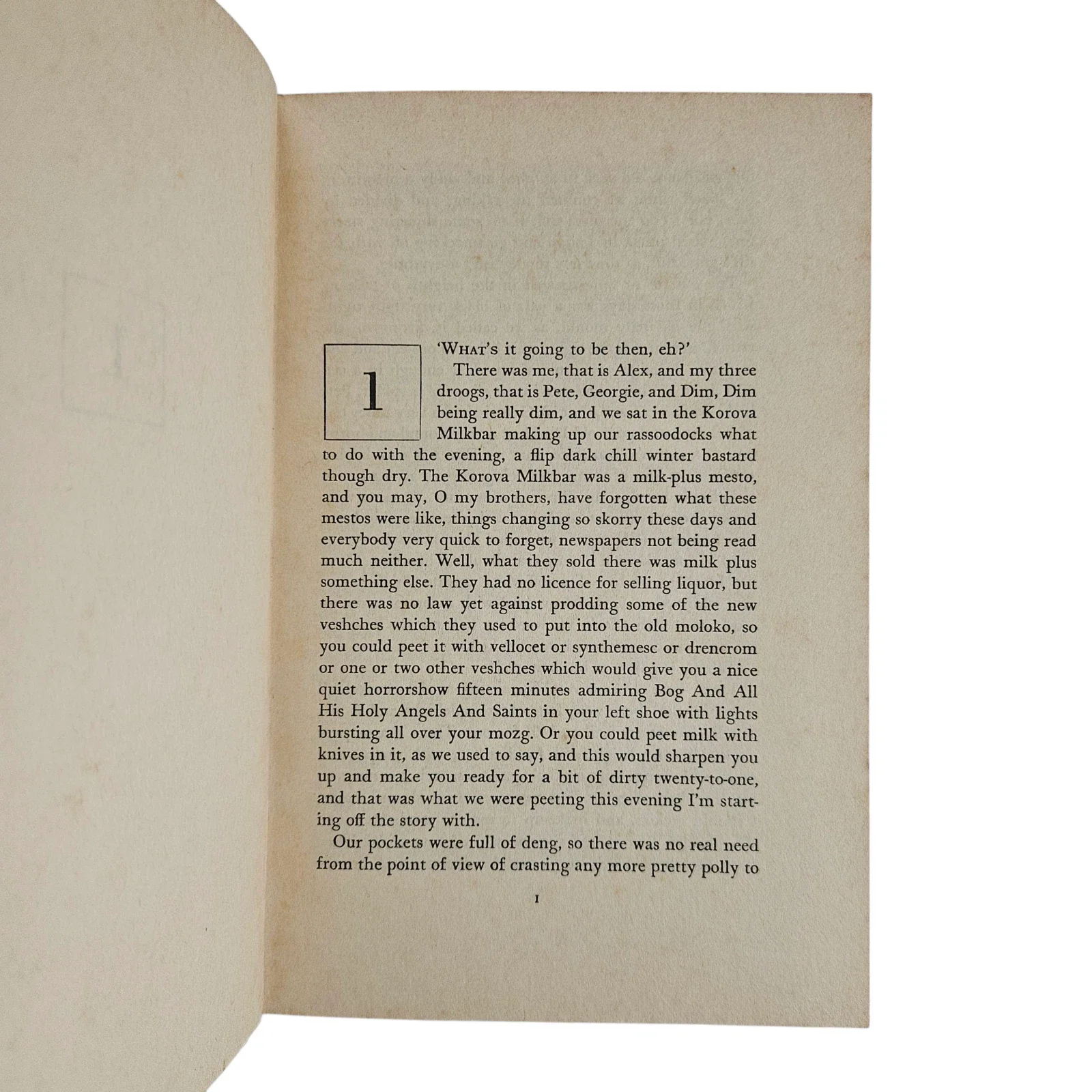 Image 22 of 24
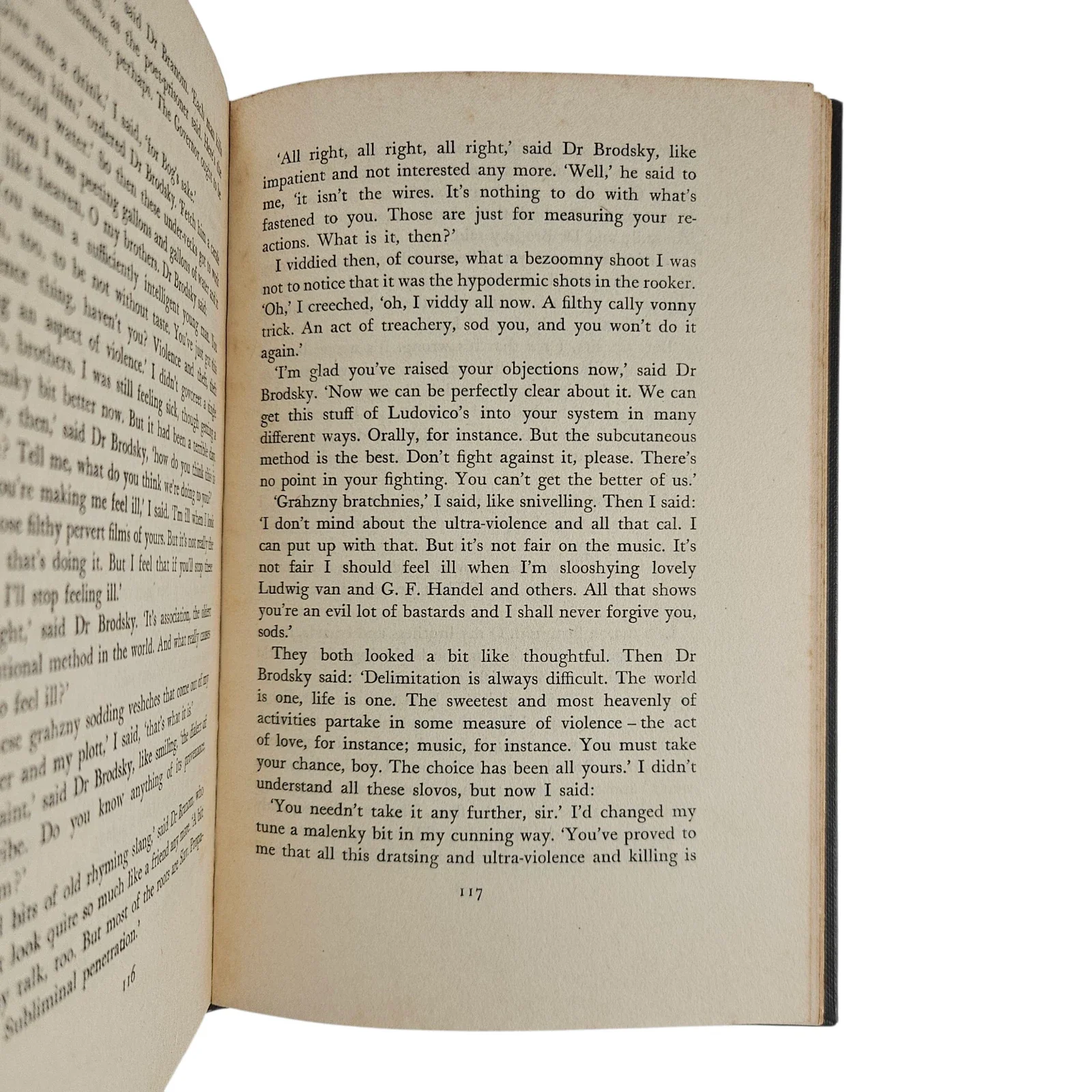 Image 23 of 24
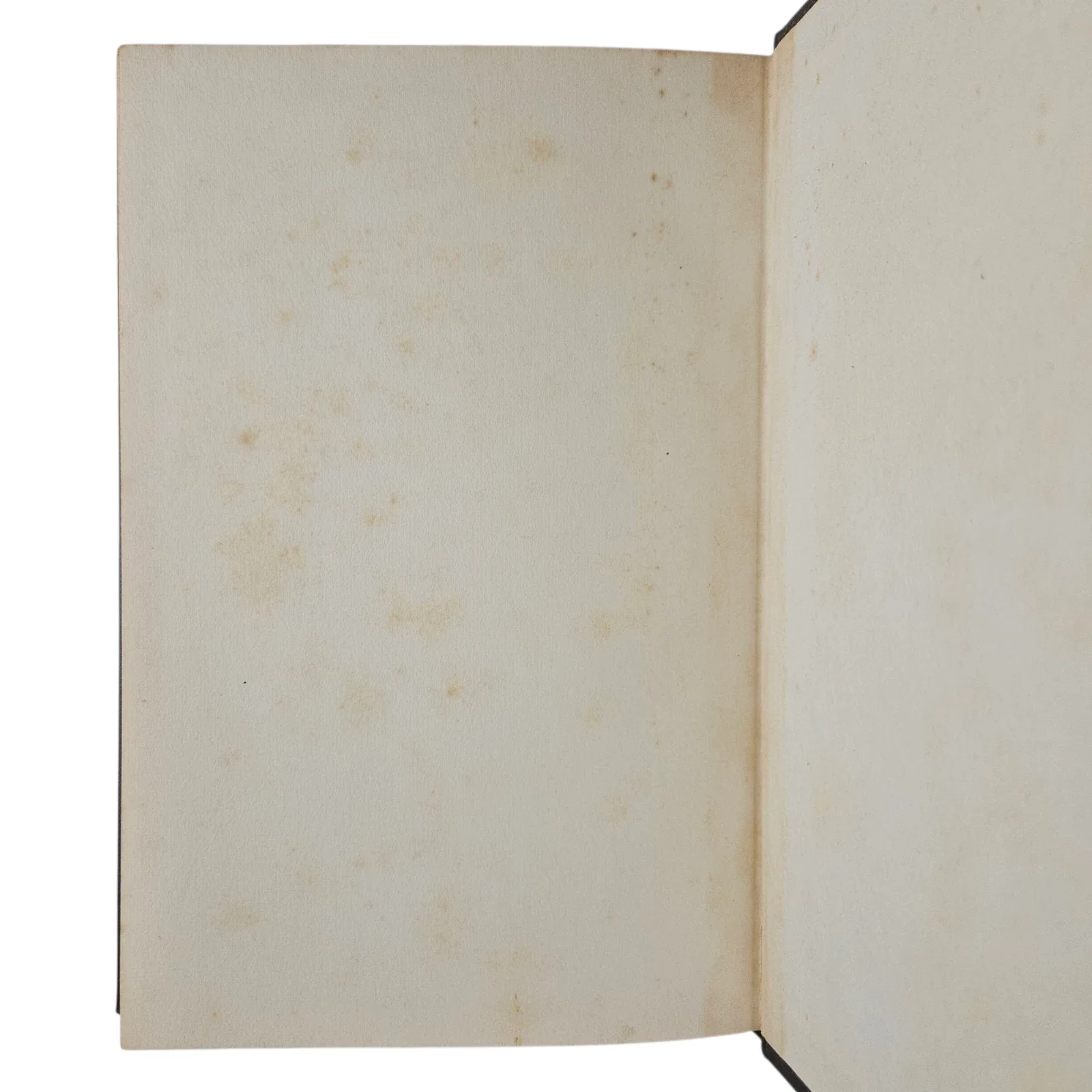 Image 24 of 24