Publisher and Year: New York: Standard Publishing House, n.d. [ca 1883]
Edition: First edition, regional variant issue, with an undated cancel title page crediting only the publisher’s Arkansas office rather than the New York headquarters. Copies of this edition typically feature title pages dated 1883 or 1884. Though the title page is undated, it retains the title punctuation found in the examined 1883 copies ("Error's Chains:") rather than the period found in examined 1884 copies ("Error's Chains."). The book also contains the earlier form of the engraved frontispiece, which bears the title of the book (absent in examined 1884 copies).
Condition and Description: Octavo, publisher's full dark brown morocco leather, embossed and stamped in gilt, all edges gilt, dentelles to the turn-ins, silk endpapers, frontispiece with tissue guard, 785 pp. Contains over 270 engravings, including full-page and double-page illustrations depicting diverse religious rites, idols, temples, and "superstitious" customs from around the world. Minimal rubbing; bright gilt; firm hinges and binding; preliminary and terminal leaves lightly foxed. Internal pages clean. An uncommonly well-preserved and attractive copy.
"A complete, graphic, and comparative history of the many strange beliefs, superstitious practices, domestic peculiarities, sacred writings, systems of philosophy, legends and traditions, customs and habits of mankind throughout the world, ancient and modern."
Errors’ Chains is a late-19th-century American compendium of comparative religion and popular anthropology, conceived not as neutral scholarship but as a visual and moral argument. Drawing on missionary accounts, travel literature, and classical sources, it sought to catalogue and interpret non-Christian belief systems for a Western audience that would never encounter them directly. Its hundreds of engravings were central to that mission, presenting ritual objects, temples, idols, and ceremonies as apparent evidence of “error” in contrast to Christianity. While it is a masterpiece of bookmaking and illustration, the narrative is deeply rooted in the "civilized vs. savage" dichotomy, often framing non-Christian faiths as "errors" or "superstitions."
Inventory ID: 268 - 998 - 656

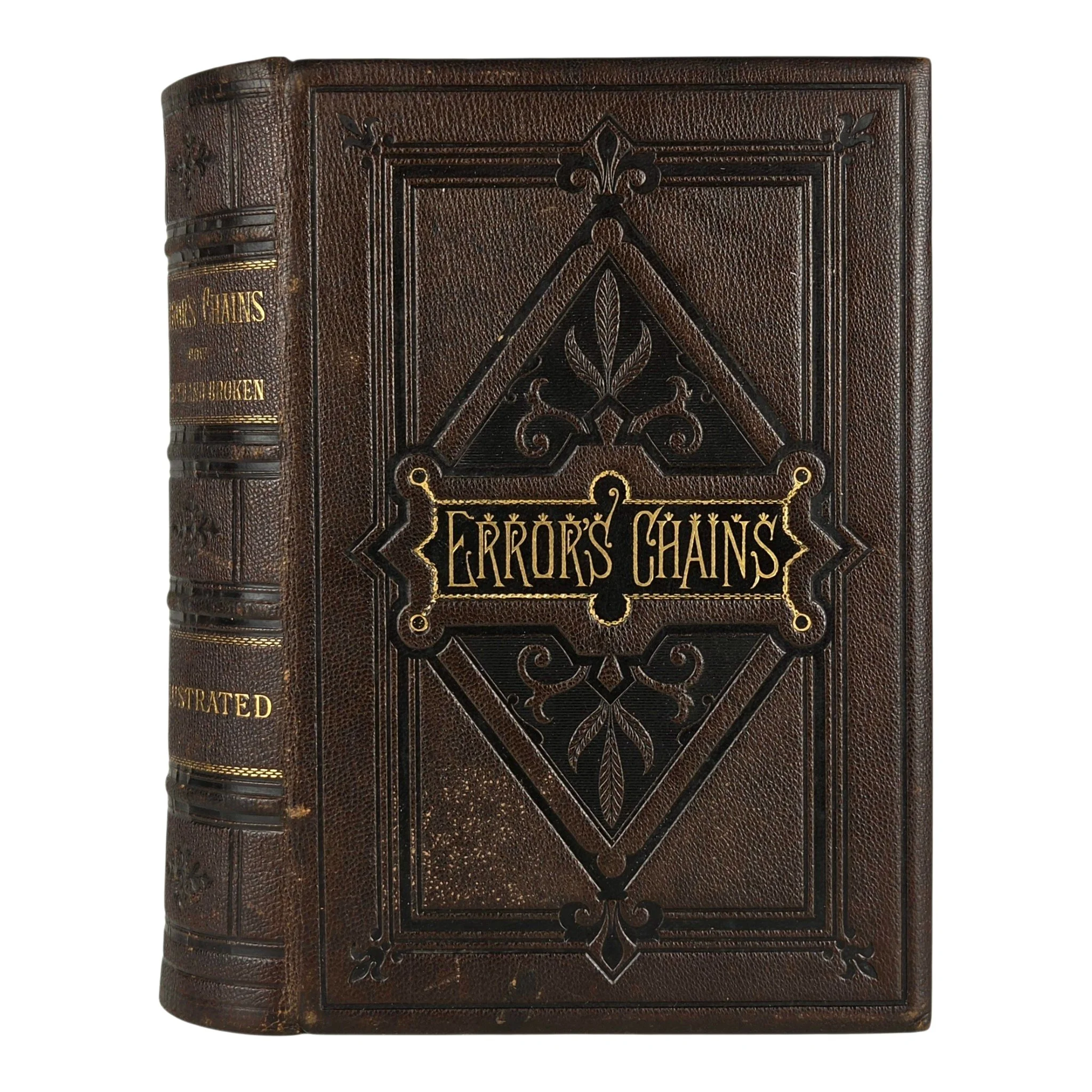 Image 1 of 19
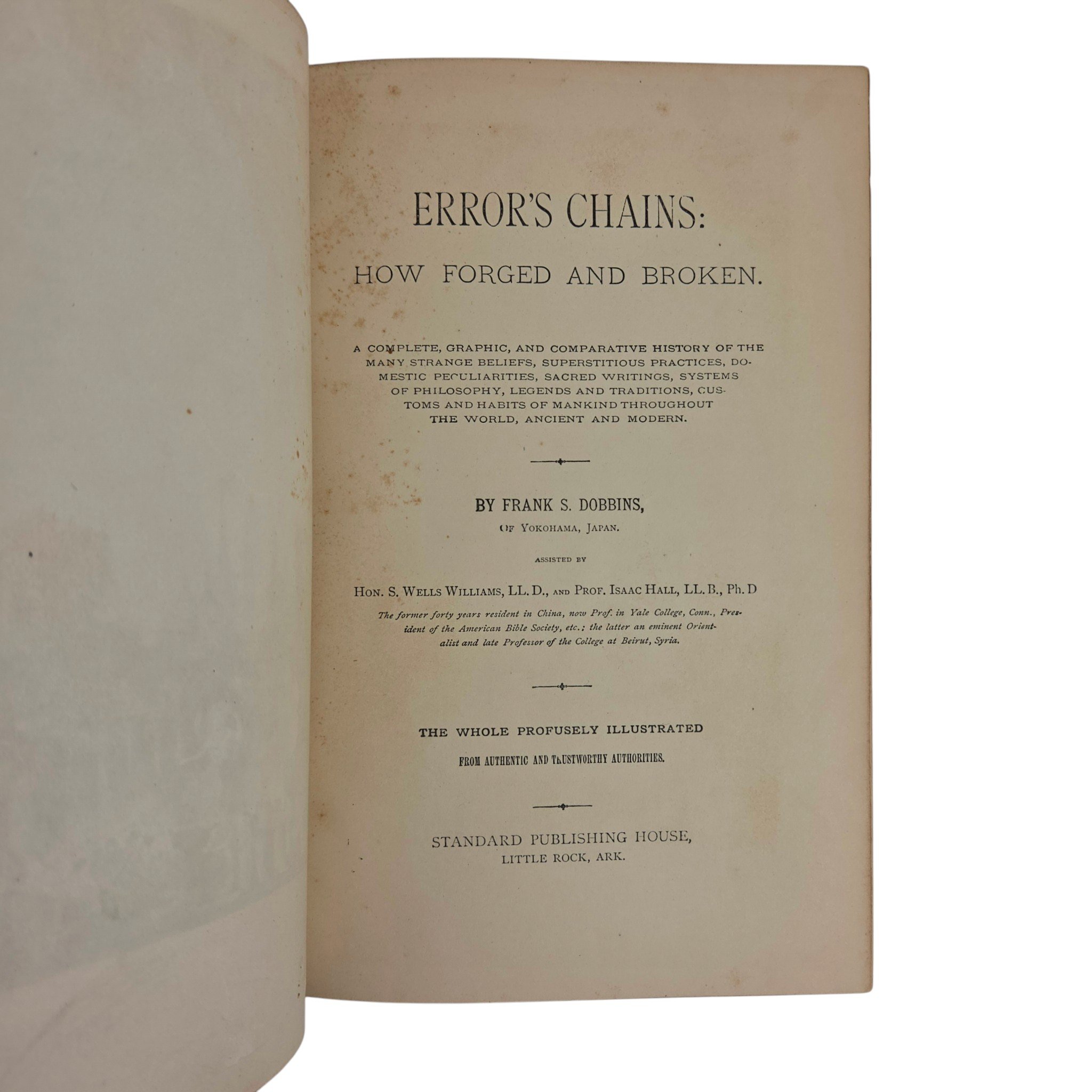 Image 2 of 19
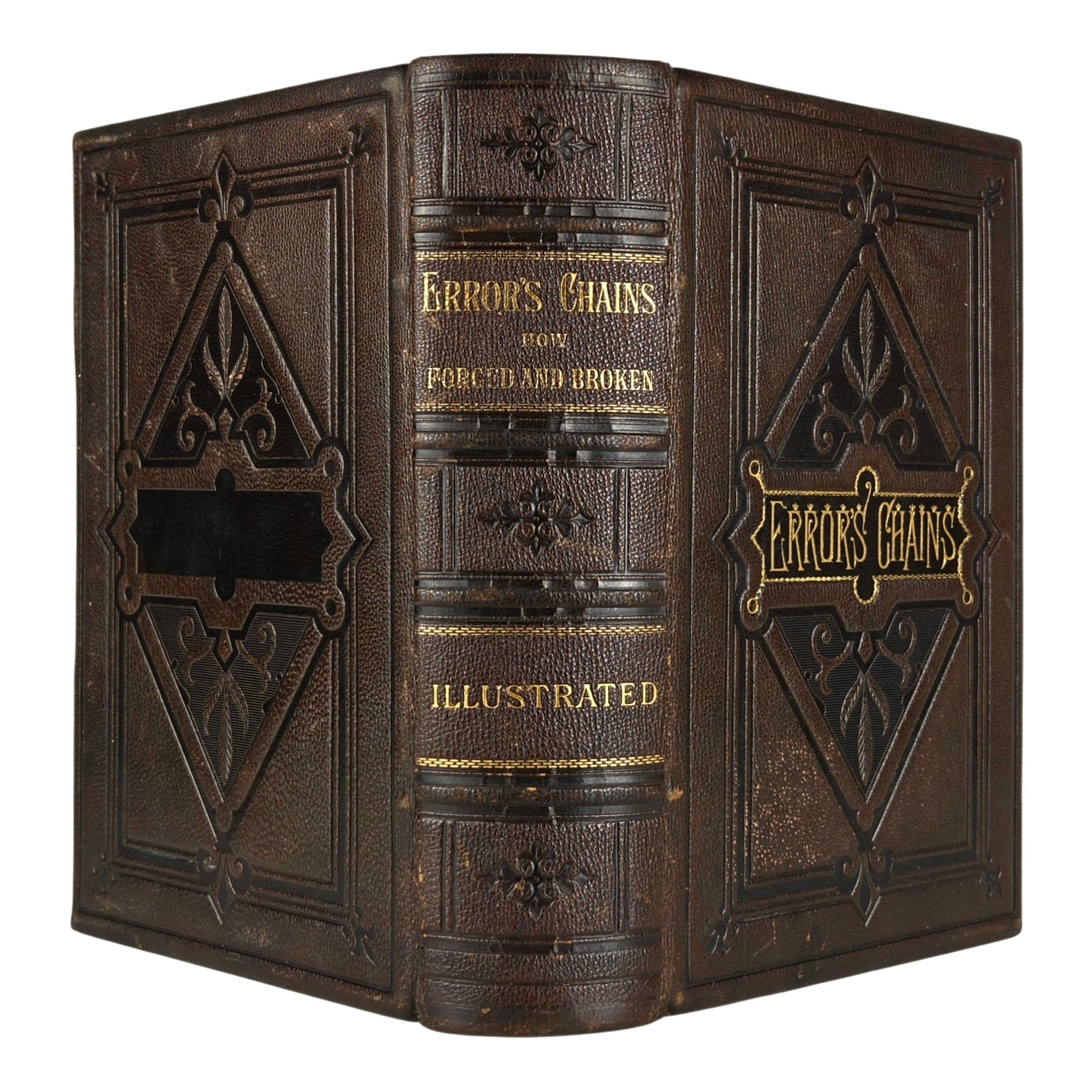 Image 3 of 19
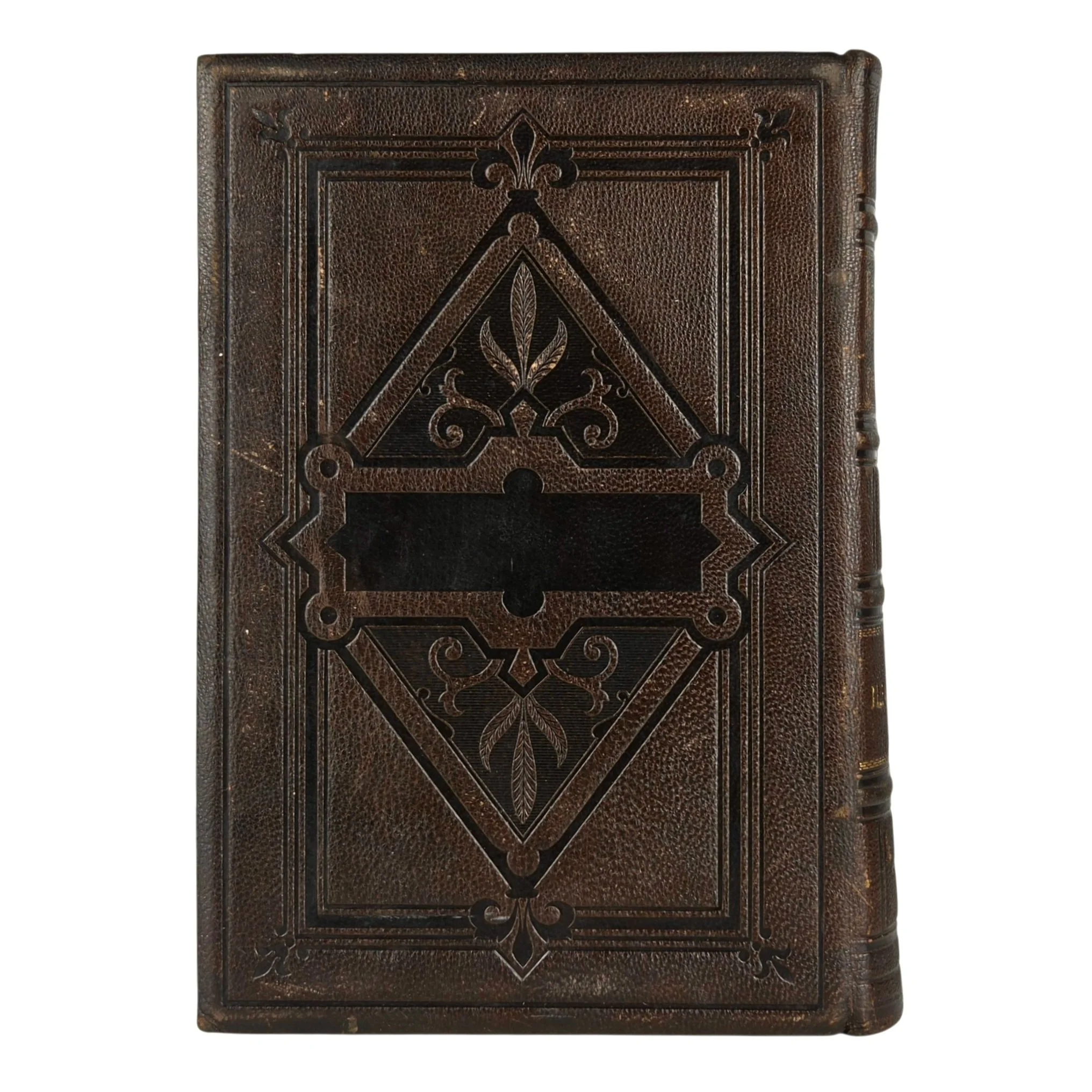 Image 4 of 19
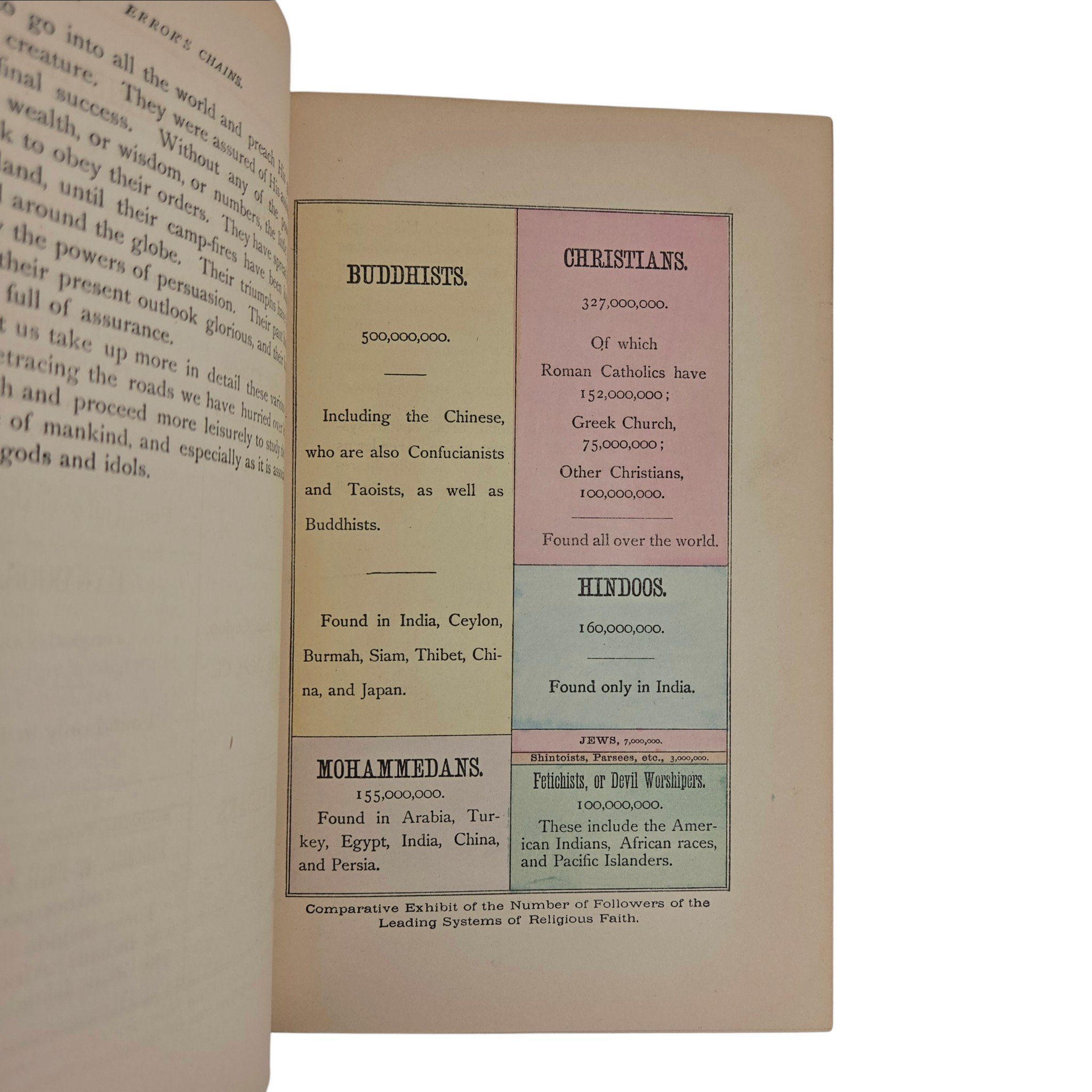 Image 5 of 19
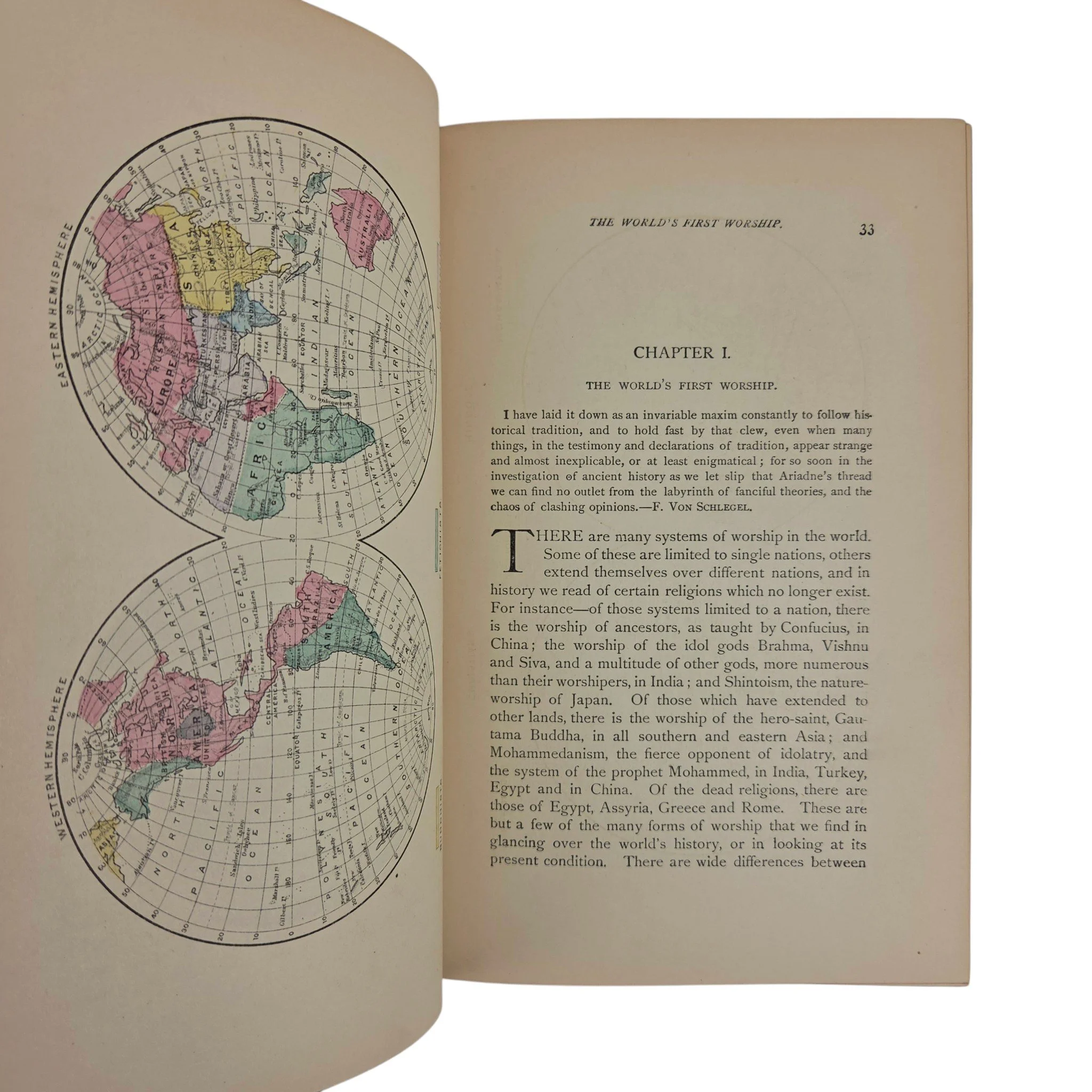 Image 6 of 19
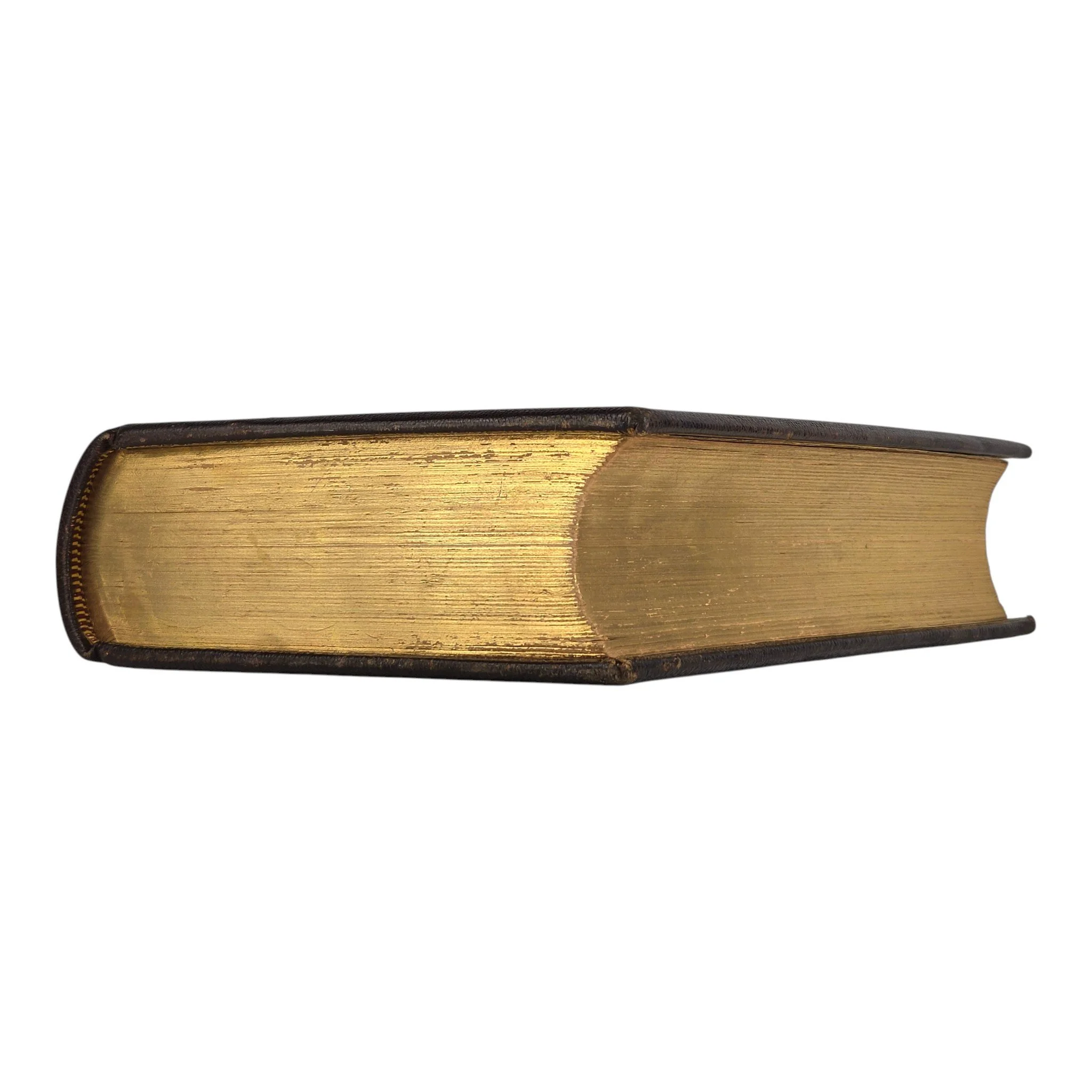 Image 7 of 19
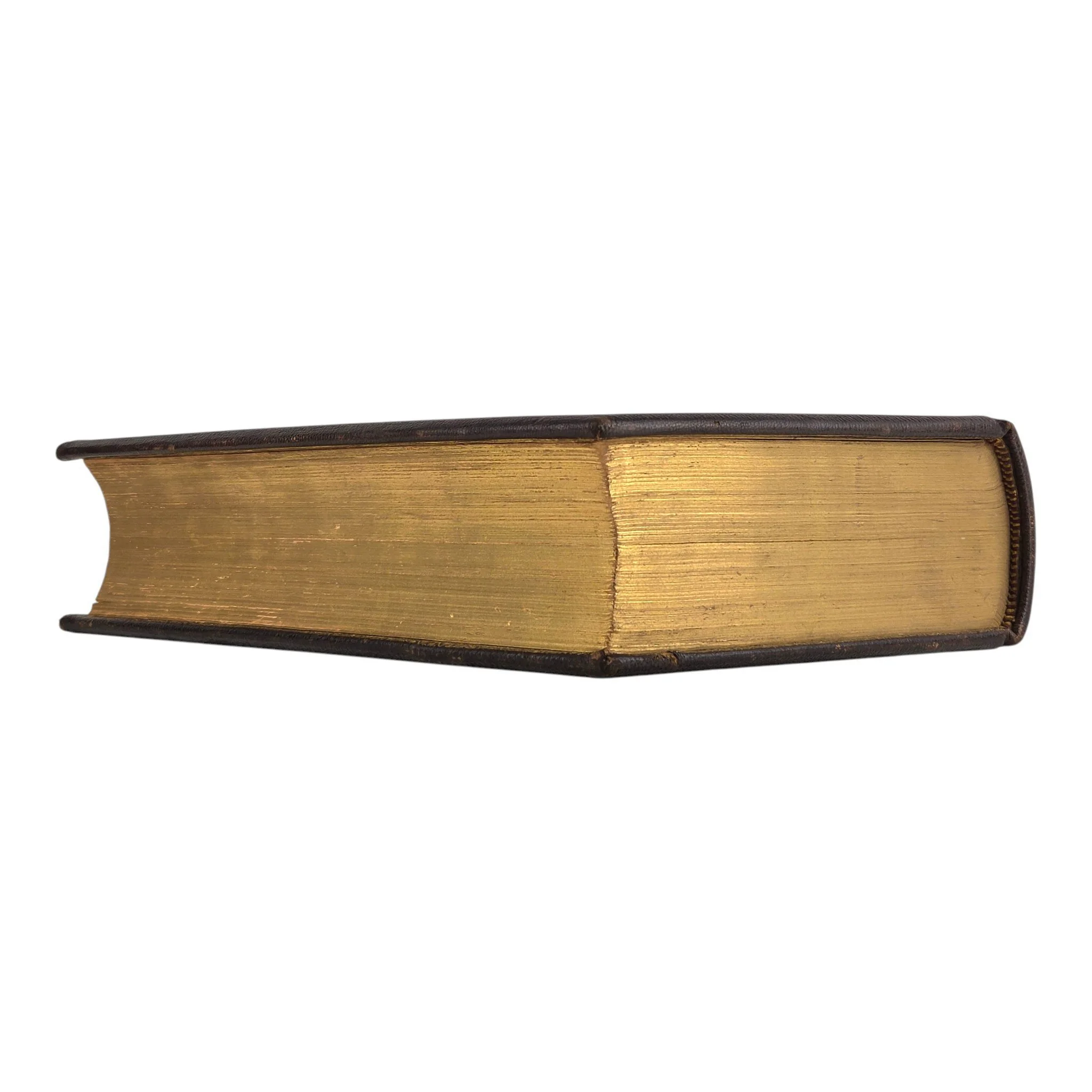 Image 8 of 19
 Image 9 of 19
 Image 10 of 19
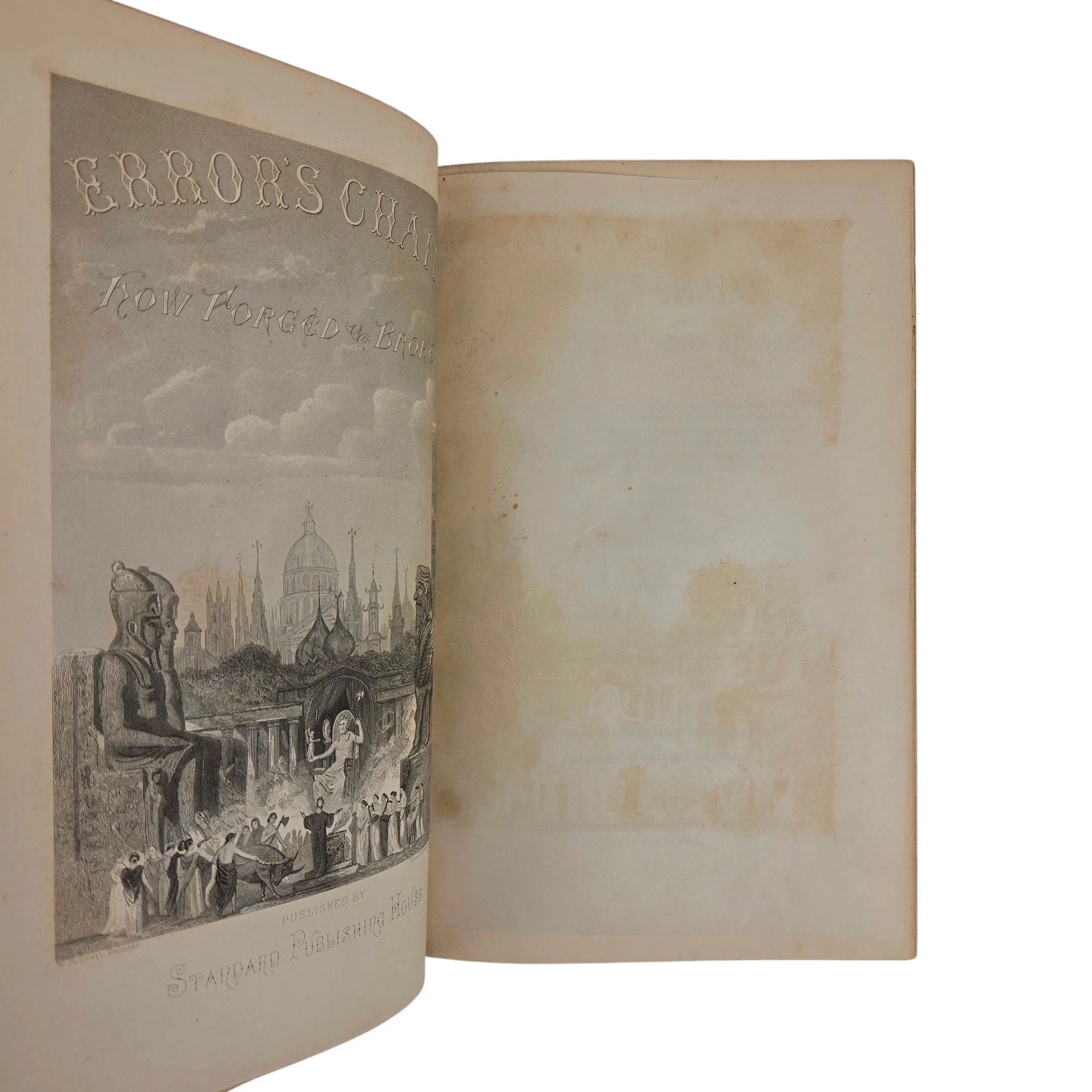 Image 11 of 19
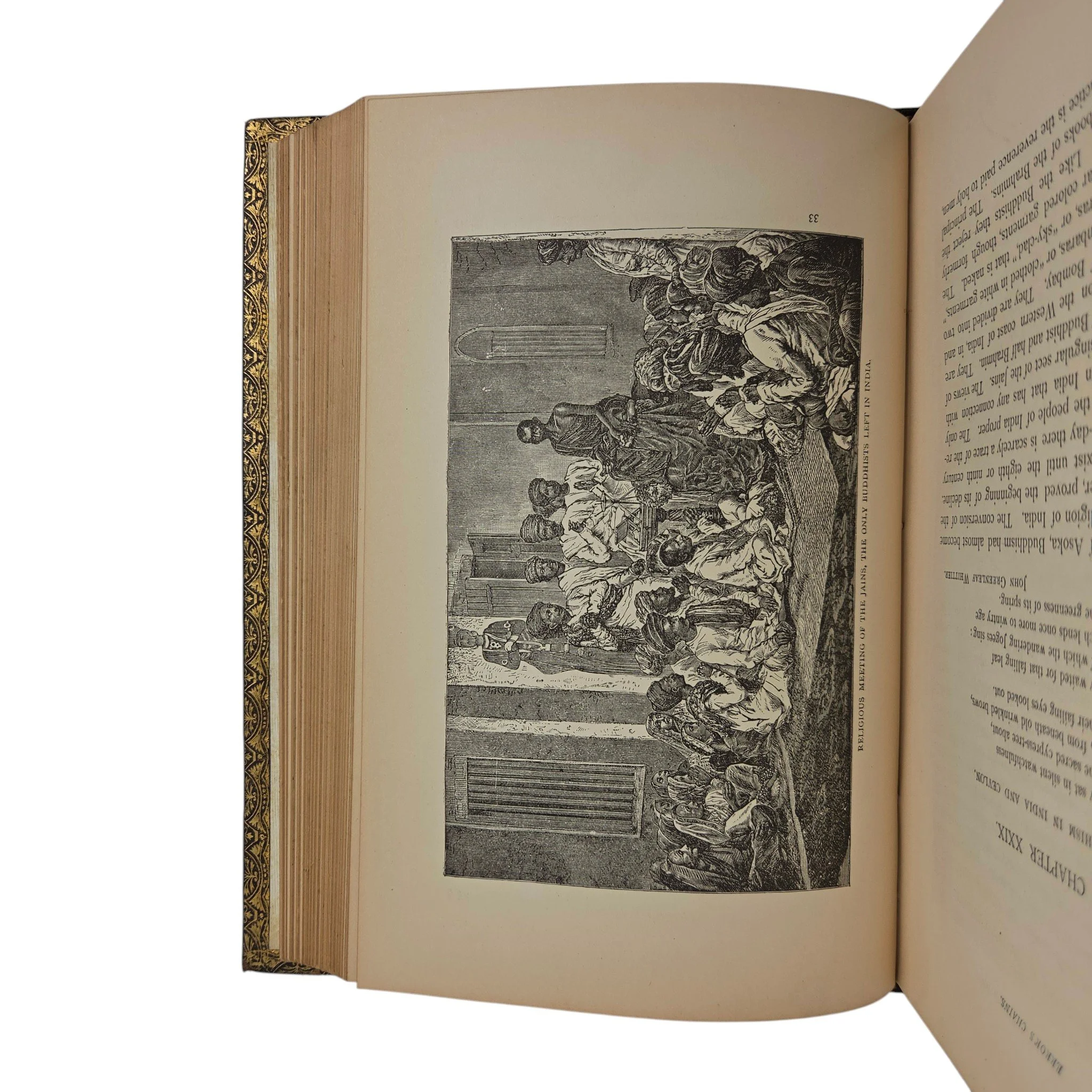 Image 12 of 19
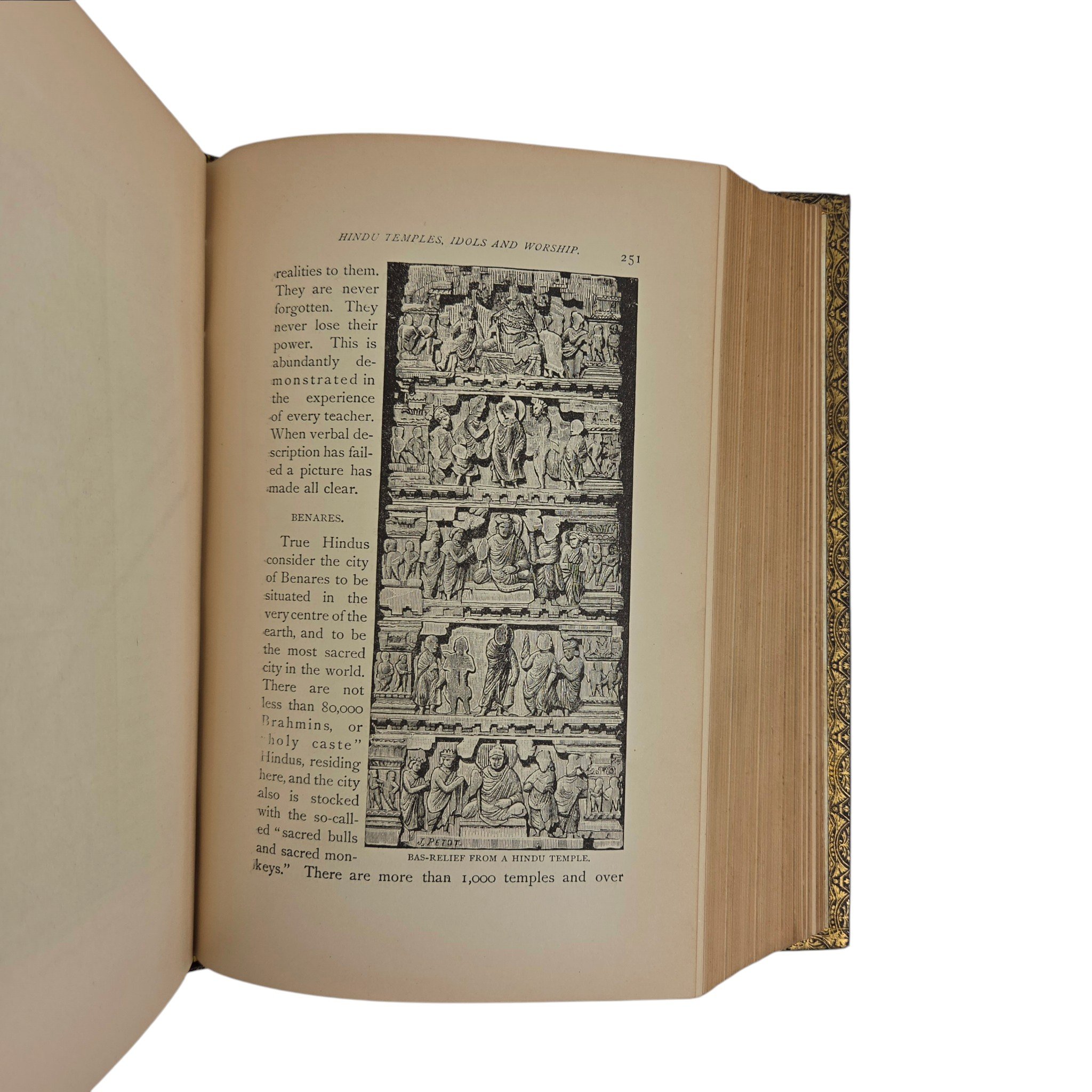 Image 13 of 19
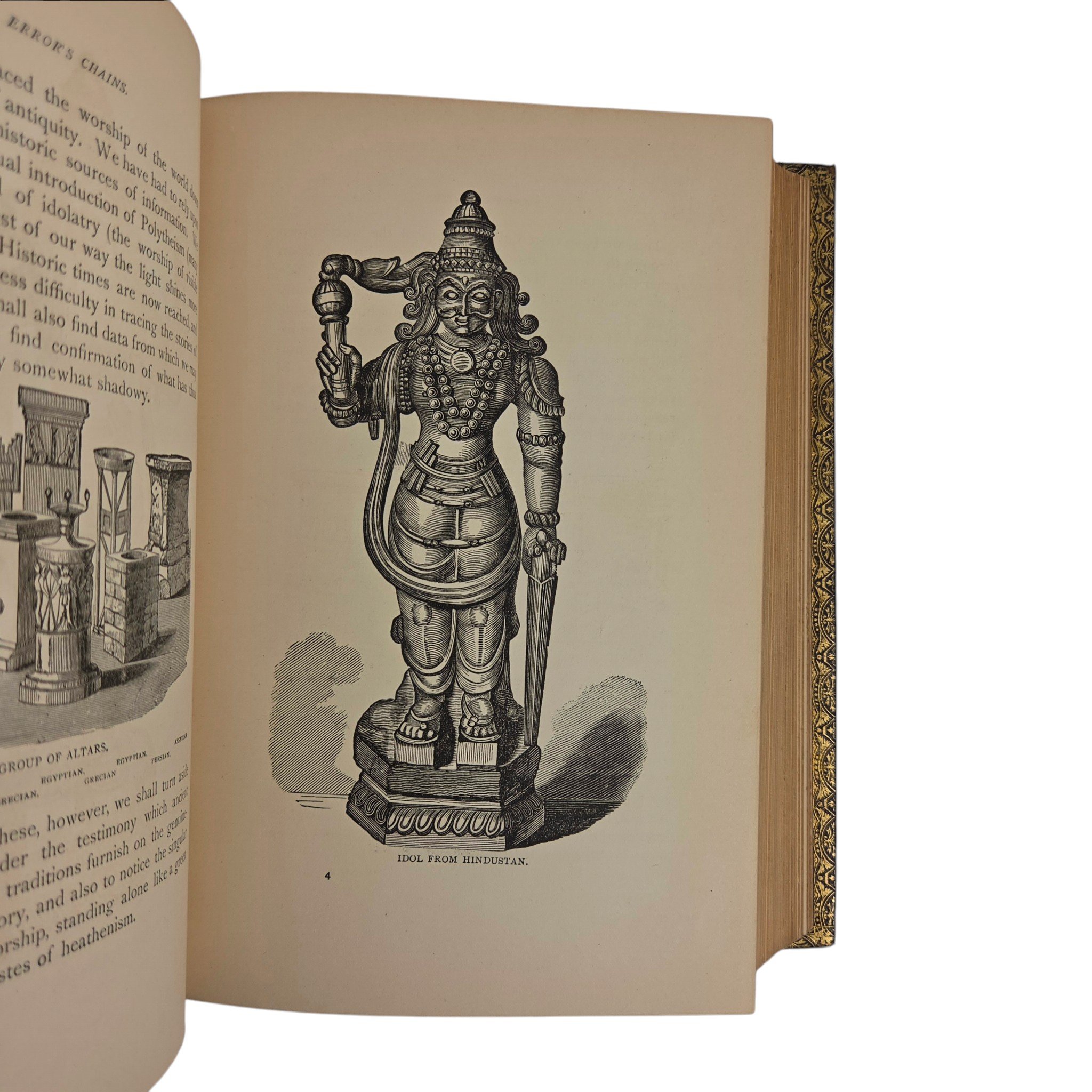 Image 14 of 19
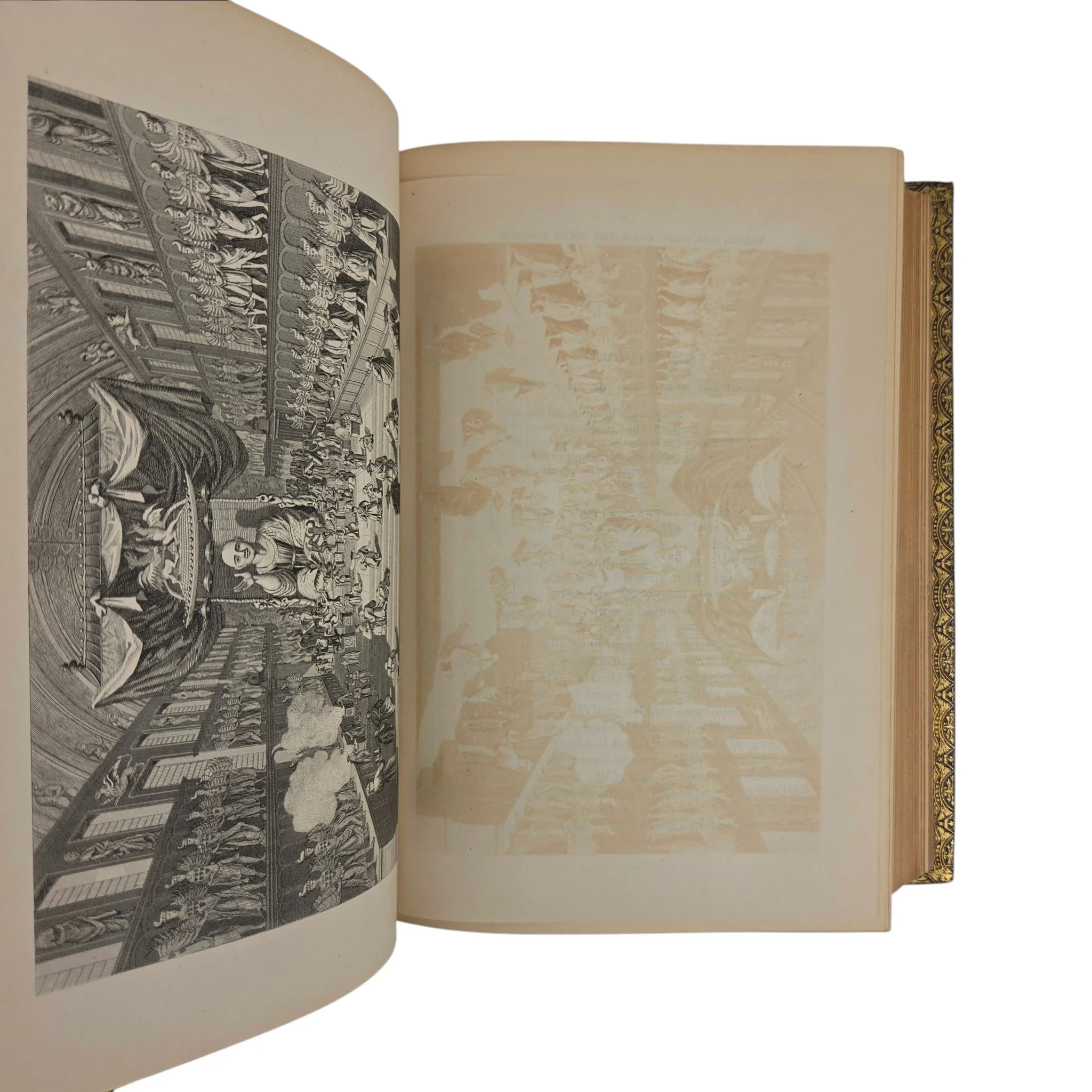 Image 15 of 19
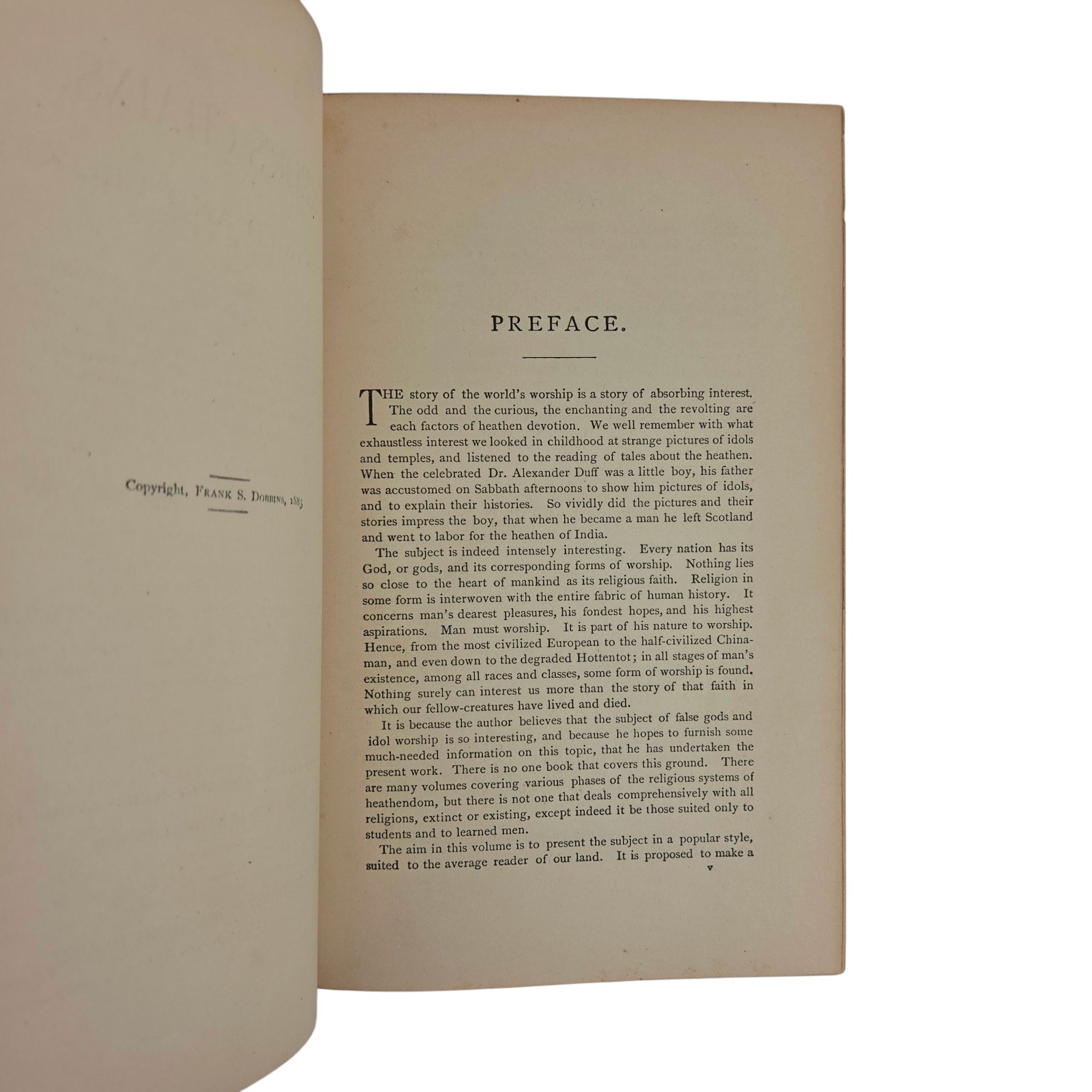 Image 16 of 19
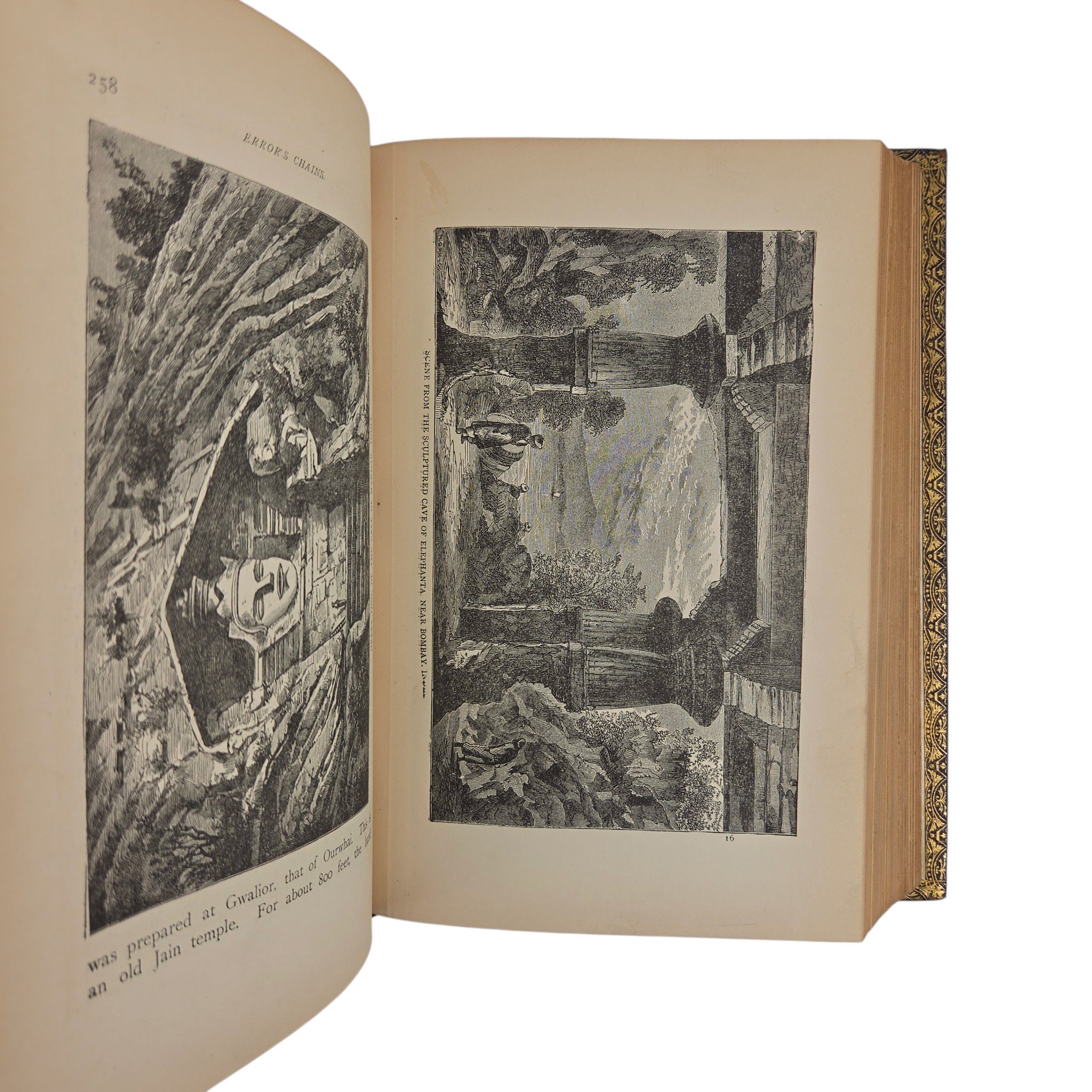 Image 17 of 19
 Image 18 of 19
 Image 19 of 19